REVIEW · NEW DELHI
Delhi Diaries: Chaos, Culture & Charm
Book on GetYourGuide →Operated by Crystal India Holidays · Bookable on GetYourGuide
Delhi hits hard—in a good way. I like how this tour keeps you comfortable with a private air-conditioned vehicle from the start, and I also love the rickshaw ride through Chandni Chowk tied to the sights at Jama Masjid and Khari Baoli. The only real drawback is that in a 5–8 hour window you’ll pack in a lot of stops, so it’s best if you’re up for a fast-moving, photo-and-walk kind of day.
You’ll roll into Old Delhi with a professional local guide who explains what you’re seeing in plain language, then switch modes to a traditional cycle rickshaw through narrow lanes where everyday life is part of the show. Midday and between big landmarks, you’re not stuck in transit headaches—there’s bottled water, and the vehicle is waiting so you can keep your energy for the next visit.
On the New Delhi side, the day is built around big architecture and major memorial-style landmarks: Qutb Minar, Humayun’s Tomb, and either Lotus Temple or Bangla Sahib (depending on the day’s schedule). One practical thing to plan around: Gandhi Smriti Museum and Lotus Temple are closed every Monday, so your guide will need to adjust the day’s flow.
In This Review
- Key Highlights That Make This Day Feel Worth It
- Starting With AC Pickup and a Driver Who Actually Shows Up
- Old Delhi: Chandni Chowk Lanes, Khari Baoli, and the Rickshaw Switch
- Chandni Chowk: More Than a Shopping Street
- Khari Baoli: Spices, Food Traditions, and a Market That Educates
- The Rickshaw Ride: Close-Up City Life, Short and Sweet
- Jama Masjid: Mughal Grandeur With Time to Look Up
- Red Fort by Road, Agrasen ki Baoli, and the Hidden-From-the-Main-Route Stops
- New Delhi Icons: Qutb Minar and Humayun’s Tomb in One Tight Day
- Qutb Minar: Tall, Detailed, and Easy to Understand
- Humayun’s Tomb: Monumental, But Set in Calm Gardens
- Lotus Temple or Bangla Sahib: Two Different Kinds of Calm
- Lotus Temple: Architectural Peace (and a Monday Closure)
- Bangla Sahib: Devotion and Stillness
- Gandhi Smriti Museum Stop and How It Fits the Day’s Story
- Drive-Pasts That Still Count: India Gate, Parliament, and Rashtrapati Bhavan
- Lunch, Water, and the Pace Between Stops
- Value and Price: How to Think About Around $4 Per Person
- Who This Tour Fits Best (and Who Might Want a Different Style)
- Should You Book This Delhi Diaries Tour?
- FAQ
- Where does pickup happen for this tour?
- How long is the tour?
- Is this a private tour?
- What language options are available for the live tour guide?
- Are entrance tickets included?
- Is lunch included?
- What are the key closures to know about?
- Is the rickshaw ride included?
- What if I need to cancel?
Key Highlights That Make This Day Feel Worth It
- Old Delhi + New Delhi in one private loop: You get the contrasts without doing messy transfers on your own.
- Cycle rickshaw through Chandni Chowk: You’ll experience the lane life close up, then head back to comfortable transport.
- Khari Baoli spice market stops: You’ll learn how Delhi’s food culture works right where the ingredients are sold.
- Mughal architecture at full scale: Jama Masjid, Qutb Minar, and Humayun’s Tomb are the kind of sights you remember.
- Government-approved guide with clear explanations: The pace stays organized and the stories stay understandable.
- Pickup flexibility across Delhi and nearby cities: Options include Paharganj, Connaught Place, Aerocity, Noida, and Gurugram.
Starting With AC Pickup and a Driver Who Actually Shows Up
This tour runs like the good kind of private service: pickup at your hotel or airport (and even railway station) in a comfortable, air-conditioned vehicle. You start with less uncertainty than you’d have trying to stitch together tuk-tuks, rickshaws, and metro connections on your own.
A big value here is the rhythm. Instead of “figure it out” travel, you get a guide talking through the city as you move. That matters in Delhi, because the sights aren’t just random dots on a map—they connect to how the city grew: Mughal Delhi, then the imperial/political layout of New Delhi, then the modern layers you see as you drive.
One small consideration: because it’s private and packed with stops, the timing can feel brisk. If your idea of sightseeing is long museum browsing and slow streets with zero deadlines, you may want to mentally switch to a “see a lot, then linger later on your own” approach.
You can also read our reviews of more tours and experiences in New Delhi.



Old Delhi: Chandni Chowk Lanes, Khari Baoli, and the Rickshaw Switch
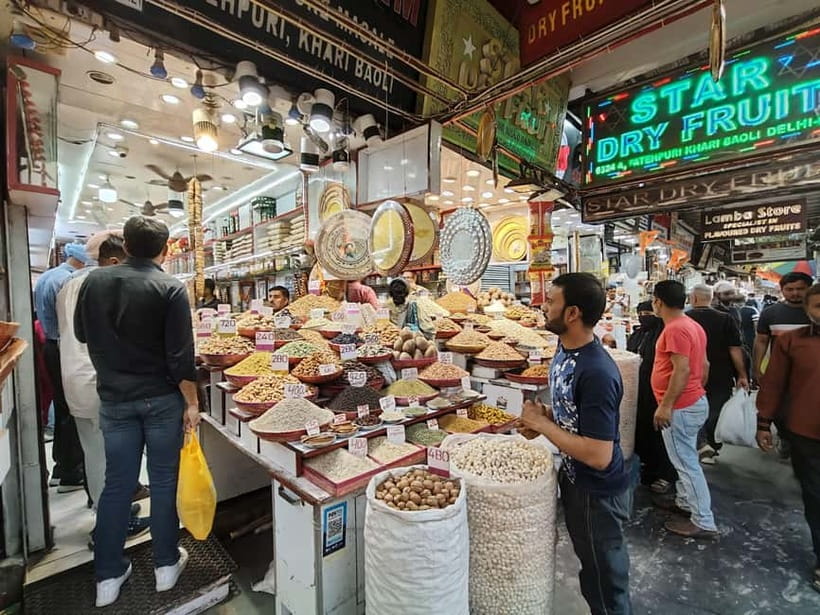
Old Delhi is where Delhi feels most like a living city. The tour threads you through Chandni Chowk with guided time for photo stops and explanations, then pivots to Khari Baoli—the Asia’s largest spice market—where color and smell are part of the story.
Chandni Chowk: More Than a Shopping Street
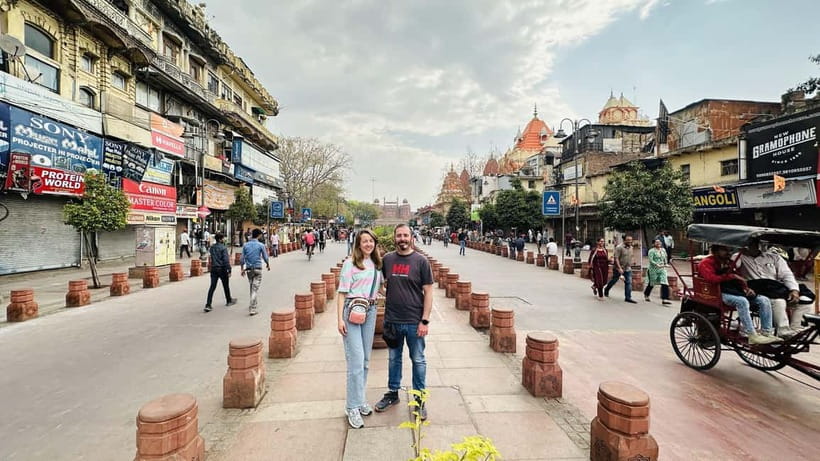
Chandni Chowk isn’t just for browsing. Your guide’s job is to help you read what you’re seeing: the pattern of the lanes, the types of shops, and the logic of how goods move. You’ll get time for a photo stop and guided viewing, which is ideal if you want the atmosphere without turning the day into a shopping sprint.
Practical tip: wear shoes you don’t mind getting dusty. Market lanes can be tight and uneven, and you’ll be stepping around plenty.
Khari Baoli: Spices, Food Traditions, and a Market That Educates
Khari Baoli is the standout for me because it’s so sensory, and your guide ties it to local culinary traditions. You’re not just looking at bags of spice; you’re learning how these ingredients fit into daily food culture.
If you like food travel, this is where the tour earns its keep. The market stop gives you context you can use later when you’re eating in Delhi—like understanding why certain spices show up everywhere, or how sellers talk about quality.
The Rickshaw Ride: Close-Up City Life, Short and Sweet
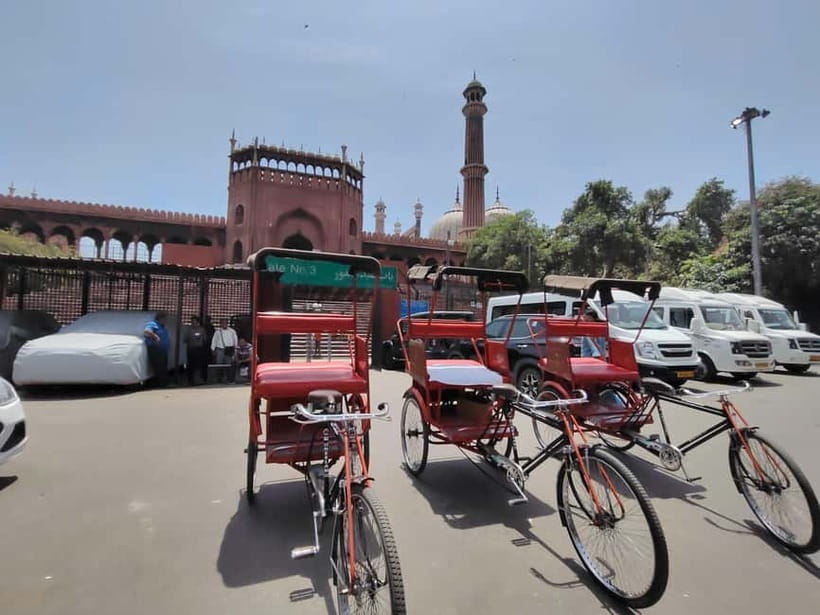
Then you switch from car to traditional cycle rickshaw for a guided ride through Chandni Chowk’s maze-like lanes. The benefit is simple: you see angles you can’t get from a vehicle. You pass historic havelis, street-food stalls, and the everyday pace of the neighborhood while your guide supplies context.
Safety and comfort are always on your mind in rickshaws. This tour specifically highlights experienced rickshaw drivers through lanes described as busy but safe. Still, treat it like a short ride inside a lively area, not a long scenic tour.





Jama Masjid: Mughal Grandeur With Time to Look Up
After Old Delhi’s sensory overload, Jama Masjid brings you into a different scale. You’ll visit the 17th-century Mughal marvel built by Shah Jahan, with guided time to explore its courtyards and minarets.
The guide helps you connect the architecture to its role in Delhi’s cultural life. It’s one of those stops where your eyes can wander for ages—big arches, the way light lands on stone, the sheer size of the prayer spaces. The guided portion helps you avoid the common “I saw it, but didn’t get it” problem.
Practical note: this is an active religious site. Dress and behavior matter. If you show up respectful and prepared, the experience is smoother.
Red Fort by Road, Agrasen ki Baoli, and the Hidden-From-the-Main-Route Stops
Not every Delhi landmark is always included as a full visit. In this tour, Red Fort is a pass-by, which is useful if you want a quick check-off from the road without losing time to a deeper visit.
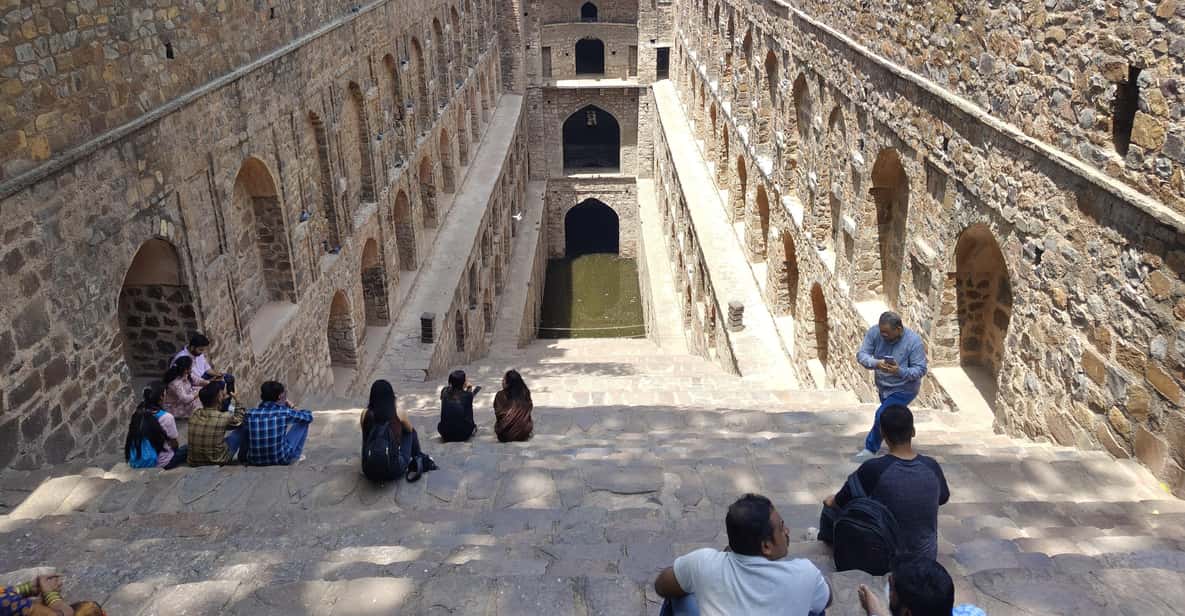
Then you get a more interesting, less-automatic stop: Agrasen ki Baoli. You’ll have a photo stop plus a visit with guided time. Places like stepwells are easy to ignore if you only chase the most famous postcard sights, but they add depth—proof that Delhi’s stories aren’t only about palaces and tombs.
If you like photography, Baoli-style sites can be very satisfying because of the angles and stone textures. If you’re not a photo person, it’s still a good palate cleanser between huge monument days.
New Delhi Icons: Qutb Minar and Humayun’s Tomb in One Tight Day
New Delhi’s famous sites can be intimidating because they’re so big and so iconic. The good news is this day keeps the sequence logical, with time for guided visits and photo stops.
Qutb Minar: Tall, Detailed, and Easy to Understand
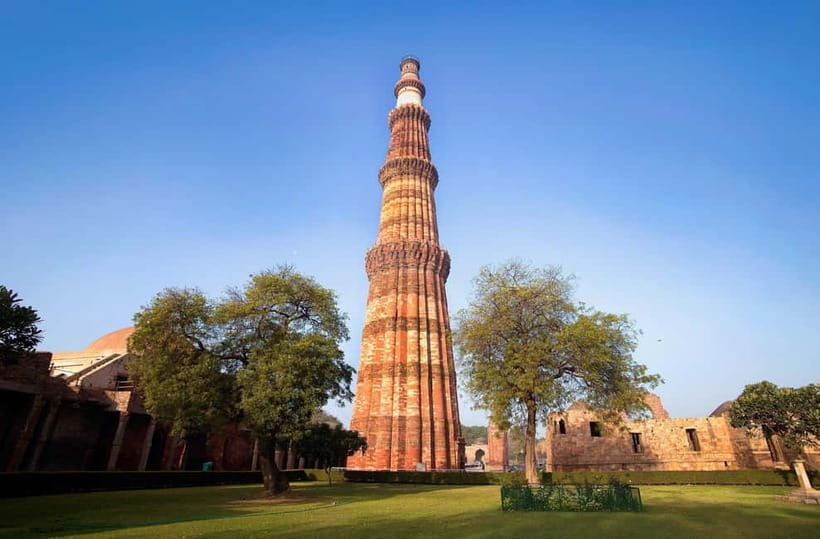
Qutb Minar is next—visited with guided time and photo stops. This is the tallest brick minaret in the world, and your guide points out the intricate Qur’anic verses carved into it. That’s a helpful detail because it gives your eyes a reason to slow down instead of only staring upward.
Time here is around 45 minutes in the plan. That’s enough to stand back, absorb scale, then look closer and start making sense of the design.
Humayun’s Tomb: Monumental, But Set in Calm Gardens
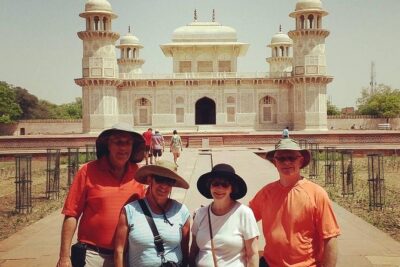
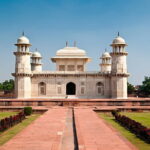
Humayun’s Tomb is one of the best uses of time on this itinerary. You’ll get a photo stop and guided visit with a longer block of guided time (about 105 minutes). It’s described as an early Mughal masterpiece in peaceful charbagh gardens, which matters because it gives you a visual and emotional break after busier lanes and big courtyards.
The charbagh garden layout helps you understand the design thinking behind Mughal architecture: symmetry, measured space, and a kind of controlled serenity around the monument.
If your legs are already tired from Old Delhi, this is the stop where you can feel your pace slow down naturally.
Lotus Temple or Bangla Sahib: Two Different Kinds of Calm
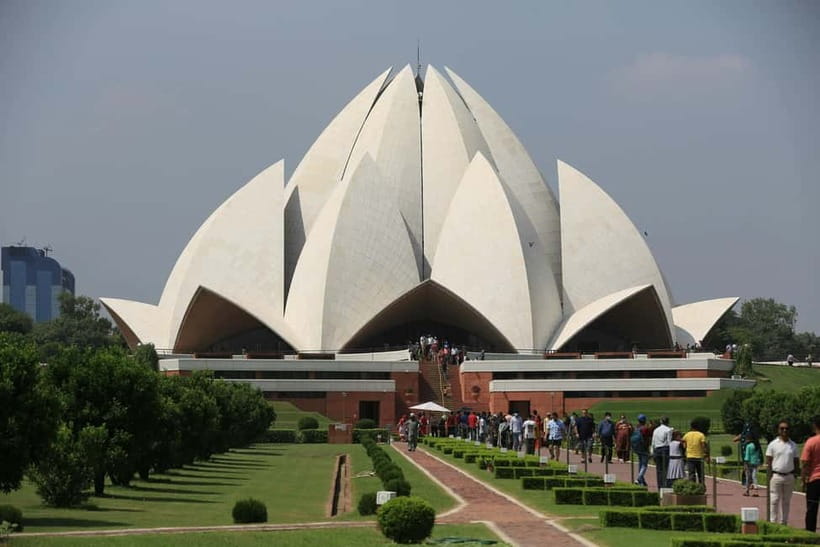
One of the tour’s smart features is giving you a choice point. Depending on the day’s schedule, you either head to the lotus-shaped Lotus Temple or stop at the Sikh gurudwara Bangla Sahib for spiritual reflection.
Lotus Temple: Architectural Peace (and a Monday Closure)
Lotus Temple is known in the tour as the lotus-shaped spiritual space, and you’ll have a guided visit and photo stop. It’s a great contrast to the harder edges of historical monuments.
One practical catch: Lotus Temple is closed every Monday. If your trip lands on a Monday, ask your guide how that stop will be handled.
Bangla Sahib: Devotion and Stillness
Bangla Sahib is included as a visit with photo stop and guided time. The atmosphere is described as calm and devoted, which makes it a meaningful pause in the middle of a very “see the highlights” schedule.
Even if you’re not religious, these spaces often deliver a travel benefit you can’t get from monuments alone: a moment to regulate your day.
Gandhi Smriti Museum Stop and How It Fits the Day’s Story
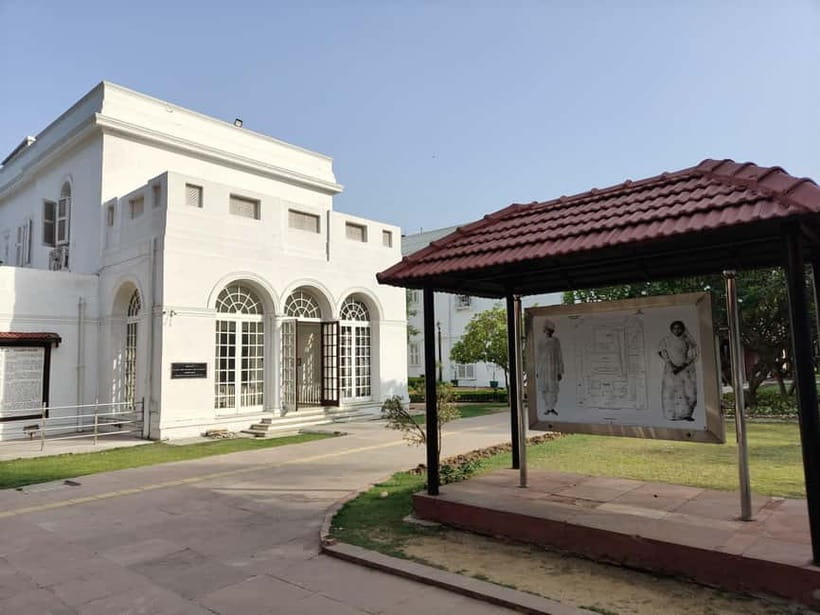
After Humayun’s Tomb, you may visit Gandhi Smriti Museum for a photo stop and guided time of about 30 minutes. This adds a more modern layer to Delhi’s story after the Mughal architecture blocks.
If you’re the type who likes your city tours to connect past to present, this stop helps. If you’re more purely focused on architecture, it still works because it’s part of the same national story thread visible across New Delhi.
Again, remember the Monday issue: Gandhi Smriti Museum is closed every Monday.
Drive-Pasts That Still Count: India Gate, Parliament, and Rashtrapati Bhavan
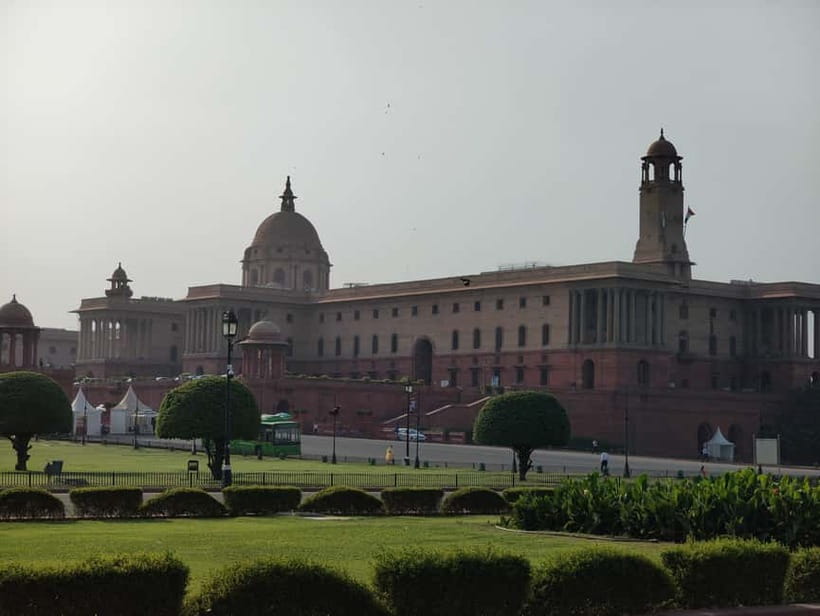
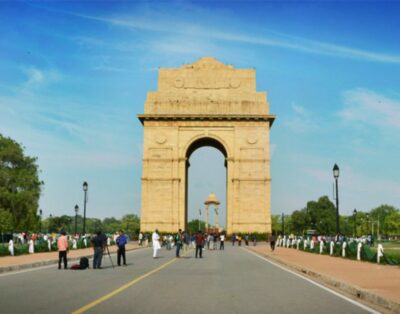
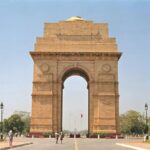
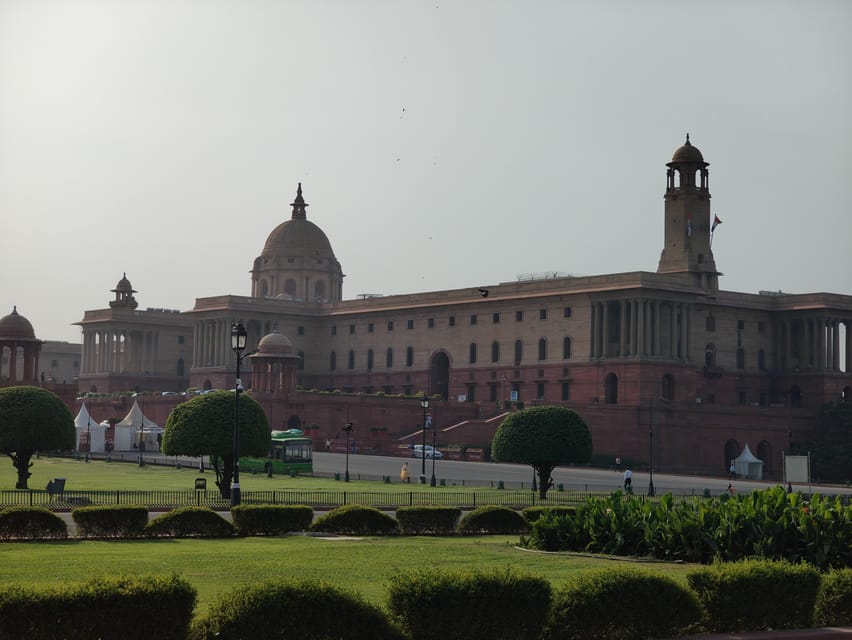
You’ll drive past India Gate, Parliament House, and the Presidential Residence. India Gate is described as a WWI memorial, and this route gives you easy photo opportunities without forcing you into extra ticket lines.
This is a good place for short reflection: Delhi’s symbolism changes as you move through the city. You can feel it in the scale of the roads, the placement of major institutions, and how the guide interprets what these structures represent.
Small practical note: pass-by photo stops are quick by design. If you want lots of time for your own photos, you’ll typically need to rely on the scheduled photo stops rather than expecting extended roadside wandering.
Lunch, Water, and the Pace Between Stops

There’s usually a mid-tour lunch at a local restaurant when included, plus bottled water during the journey. Meals are listed as not included overall, so treat lunch as a maybe—your guide can help you sort the timing so you don’t end up hungry while you’re in transit between major sights.
The best way to handle the day’s pace is to plan your expectations:
- You’re getting guided time at major monuments.
- You’re getting photo stops, too.
- You’re not getting hours and hours at each site.
If you want a day that’s heavy on guided context and efficient sightseeing, this is a strong match. If you want slow travel with lots of free time, you may feel squeezed.
Value and Price: How to Think About Around $4 Per Person
At the listed starting price around $4.12 per person, you’re not just buying transport. You’re paying for:
- a private air-conditioned vehicle
- a private government-approved professional local guide
- pickup and drop-off from a wide set of locations
- guided sightseeing across major Old and New Delhi landmarks
That said, two big things affect real value. Entrance tickets aren’t included, and meals aren’t included. So the true cost of the day depends on which sites require paid entry on your travel date and how your lunch plan works.
Still, for many people this becomes a bargain because you’re getting a full, organized day that would normally cost more if you tried to hire separate guides for Old and New Delhi.
Who This Tour Fits Best (and Who Might Want a Different Style)
This tour fits you if:
- you want a private guide and private transport
- you like seeing the big monuments without planning logistics
- you enjoy food-story stops like Khari Baoli
- you’re comfortable with a busy schedule in a single day
It may not fit as well if:
- you want lots of free time to wander without structure
- you dislike crowded areas and quick photo stops
- you’re aiming for a super slow, laid-back day
The private format is especially helpful because your guide can adjust within the day. Shopping can be skipped or added, and the tour is described as customizable if you request changes after booking.
Should You Book This Delhi Diaries Tour?
If you’re weighing this against DIY city-hopping, I’d lean toward booking. The big reason is organization. The tour is designed as one connected circuit: pickup, Old Delhi sights with a rickshaw highlight, Mughal monuments, then New Delhi icons—without you having to coordinate transport and timing under Delhi traffic pressure.
I’d book it if you want guided meaning, not just landmarks. The best part of the day is that it mixes architecture, market culture, and spiritual stops into one coherent route. Just make sure your day can handle a full schedule, and double-check Monday closures for Gandhi Smriti and Lotus Temple so you aren’t disappointed mid-plan.
FAQ
Where does pickup happen for this tour?
Pickup is available from your hotel, airport, railway station, or any preferred location in Delhi, Noida, or Gurugram, with options that include places like Paharganj, Connaught Place, Aerocity, Saket, and others.
How long is the tour?
The duration is listed as 5 to 8 hours, depending on availability and starting times.
Is this a private tour?
Yes. It’s a 100% private tour, with your group only, along with a private guide and driver.
What language options are available for the live tour guide?
The guide is available in English, French, German, Hindi, Russian, and Spanish.
Are entrance tickets included?
No. Entrance tickets are not included, but your guide will assist you in purchasing them.
Is lunch included?
Meals are listed as not included. The day includes a lunch option when included, so it depends on your selected package or what’s arranged for your tour.
What are the key closures to know about?
Gandhi Smriti and Lotus Temple are closed every Monday.
Is the rickshaw ride included?
Yes. A guided cycle rickshaw ride through Chandni Chowk is included as a highlight.
What if I need to cancel?
Free cancellation is available up to 24 hours in advance for a full refund.