REVIEW · NEW DELHI
Delhi: Ethical Sanjay Colony Slum Tour
Book on GetYourGuide →Operated by Reality Tours and Travel Private Limited · Bookable on GetYourGuide
Delhi’s slums are real, not staged. This is an ethical walking tour through Sanjay Colony, where you’ll learn how work, faith, and daily routines connect inside a community near the Lotus Temple and ISKCON. I especially like that the experience stays safe and non-intrusive, with clear guidance from local hosts such as Komal and Kiran.
Second, I like the focus on what people actually do for income. You’ll see small-scale businesses, including the garment recycling world that many residents rely on, plus other micro-industries like automotive parts and electronics—often with explanations that make the whole place feel understandable, not shocking.
One drawback to plan for: this tour has a strict no-photography rule. If your main goal is taking pictures of “poverty scenes,” you’ll likely find it frustrating, because privacy and respect come first.
In This Review
- Key takeaways before you go
- The point of the Sanjay Colony walk: respect over souvenirs
- Getting oriented fast: metro meeting points and a short safety briefing
- Sanjay Colony itself: homes, community energy, and the places of worship
- The main event: garment recycling and the micro-industries behind daily income
- Jama Masjid Sanjay Colony: short visit, real meaning
- A viewpoint pause: understanding the colony’s layout without turning it into a show
- The Reality Tours & Travel stop: where your ticket turns into education
- Price and time: why $18 for 2-3 hours can be real value
- What to wear and what to leave behind (no camera means no excuses)
- Who should book this Delhi slum tour, and who should skip it
- The call: should you book?
- FAQ
- How long is the Delhi Sanjay Colony slum tour?
- How much does the tour cost?
- What’s included in the ticket price?
- Is food included?
- Is photography allowed during the tour?
- Where do I meet the tour?
- What religious sites do you visit?
- Is the tour suitable for wheelchair users?
Key takeaways before you go

- No-photography privacy rule keeps residents from becoming a spectacle
- Garment recycling at street-level shows how textile scraps turn into jobs
- Interfaith moments include visits connected to a Hindu temple and a mosque
- Local English/Hindi guides like Naresh and Kavita help you ask better questions
- Your ticket supports education through Reality-related community work
- Two to three hours of walking delivers context without turning it into a long day trip
The point of the Sanjay Colony walk: respect over souvenirs
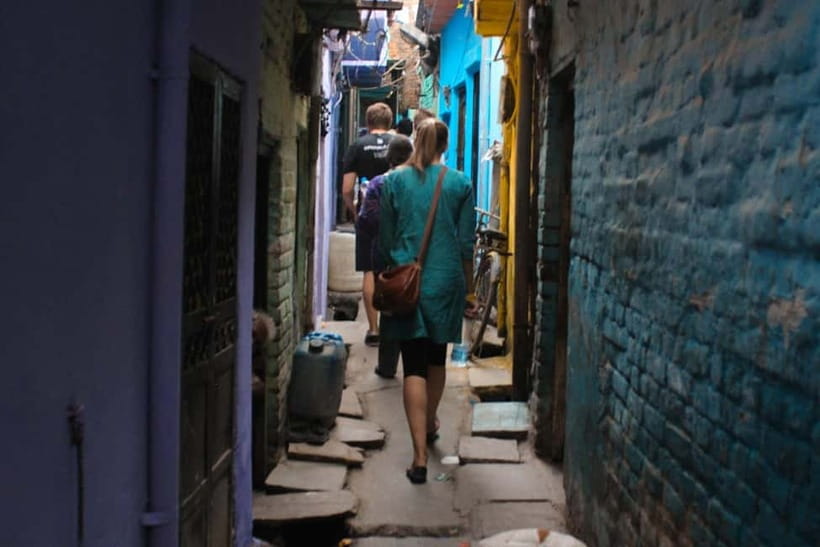
Sanjay Colony isn’t a place built for tourists, and the tour company behaves like it. You’re invited in for conversation and observation, not for gawking. That means you’ll follow a strict no-cameras policy, and you’ll be asked to dress and behave in a modest, low-impact way.
For me, that changes the whole experience. Without the urge to frame every corner for social media, you notice the everyday stuff: how people move, how businesses operate, and how the community manages daily life in tight space. It also helps that you’re walking with a guide who can explain what you’re seeing while keeping the visit respectful.
One small “heads up”: there aren’t the classic monument moments you might expect in Delhi. Instead, the interest is in human systems—how neighborhoods work, how small businesses survive, and how neighbors support each other.
You can also read our reviews of more tours and experiences in New Delhi.



Getting oriented fast: metro meeting points and a short safety briefing
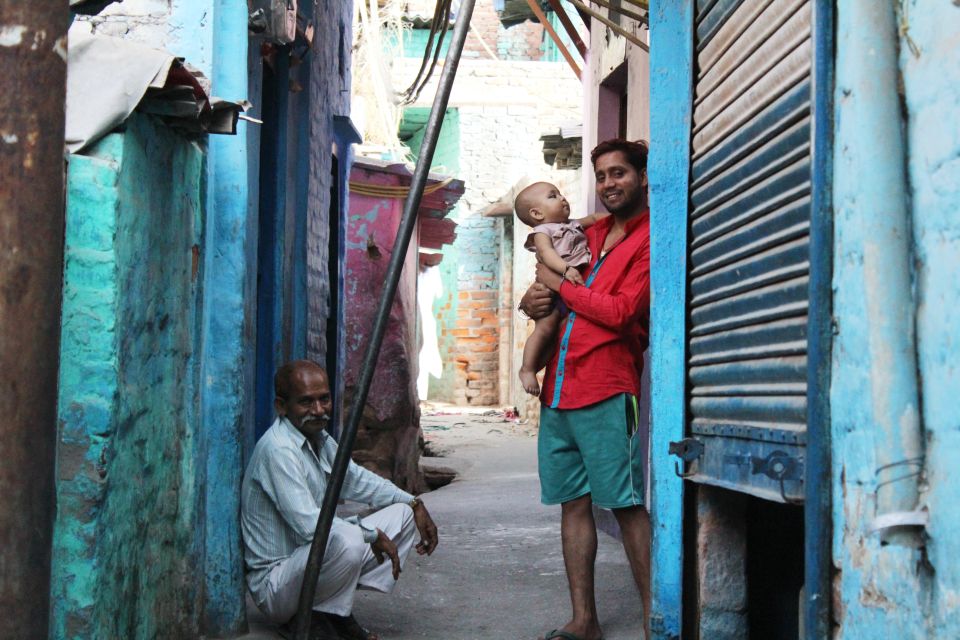
The tour starts near major access points, so you’re not stuck negotiating Delhi traffic on day one. You may meet at Harkesh Nagar, Harkesh Nagar Okhla, or Rajiv Chowk Metro Station, depending on what you booked. After a quick check-in, there’s a short safety briefing before you head into the colony lanes.
That briefing matters. Some areas can be dirty, and parts of the route are not designed for casual strolling in sandals. You’ll want to treat this like a real neighborhood walk: slow down, watch your footing, and follow your guide’s pacing.
Most groups are shared, which is fine if you like learning from other people’s questions. If you choose a private option, the guide can steer the conversation more toward what you want to understand—work life, community structure, or the social realities behind the headlines.
Sanjay Colony itself: homes, community energy, and the places of worship
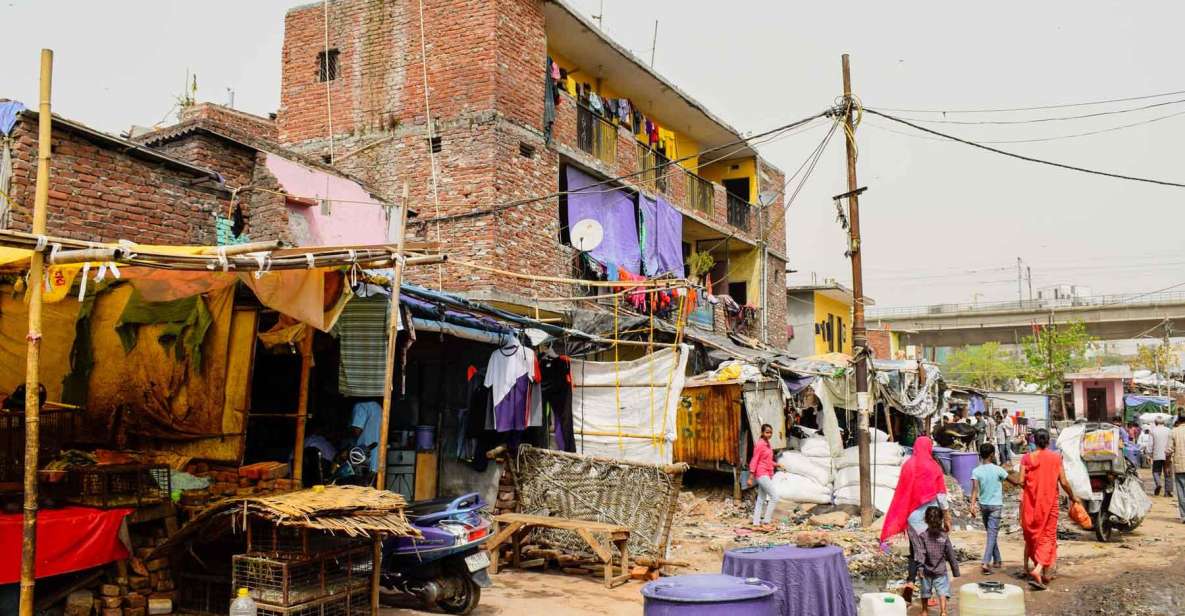
The heart of the experience is a guided walking loop through Sanjay Colony’s residential areas. You’ll learn how this community sits within a larger industrial context—built on about 25 acres and home to an estimated 50,000 people—with daily life shaped by both opportunity and pressure.
You’ll also get a sense of how community relationships operate in a place where formal resources can be limited. What struck many visitors in their feedback is the tone: it can feel positive and connected, even while conditions are challenging. Your guide’s job is to translate that reality without turning it into pity or propaganda.
A key part of the walk is the presence of faith. During the visit, you’ll stop at a small Hindu temple and also visit Jama Masjid Sanjay Colony. These stops aren’t presented like tourist stops; they’re more like an invitation to understand how religion and routine coexist in everyday life.
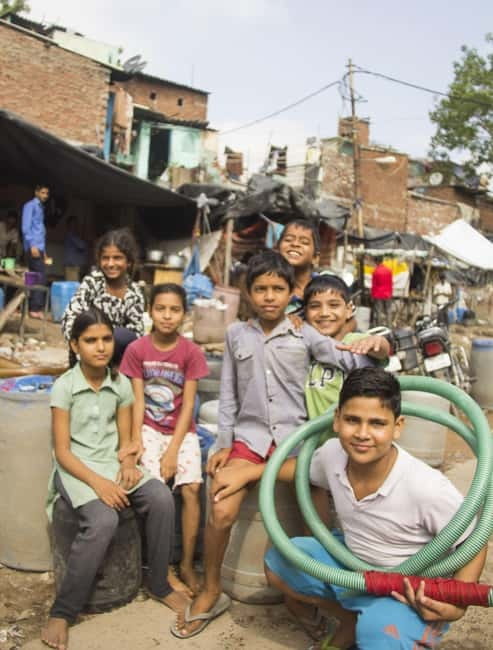
And yes, you’ll likely see children along the route. The best tours handle that moment carefully: greeting respectfully, not crowding, and moving on so residents don’t feel like an attraction. The guides here are trained to manage that tone, including by setting expectations before you arrive.
The main event: garment recycling and the micro-industries behind daily income
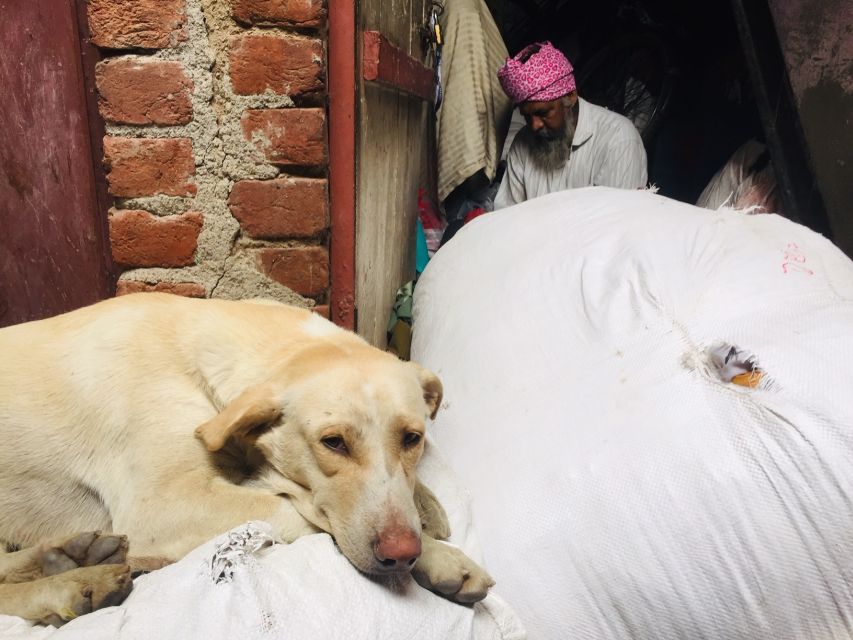
One of the most eye-opening parts of the tour is how it explains the informal economy without skipping the details. Sanjay Colony is known for garment recycling and manufacture, and the tour includes visits to small businesses where you can see those processes up close.
In practice, that means you’re guided through a workshop-style environment where textile waste gets sorted and prepared, and where small-scale work supports income. People talk about everything from handling fabric scraps to sewing and repurposing materials—exactly the kind of work that’s hard to understand if you only see brand-new clothes in a store.
You’ll also get a broader view of jobs beyond textiles. The colony supports other businesses too, including automotive parts and electronics. Even if you don’t fully grasp the technical side, you’ll come away with a clear picture: many residents rely on layered, interlocking ways of earning—rather than one single employer or one single industry.
One practical consideration: because you’re walking and visiting small workplaces, you should expect things to feel close and sometimes busy. This is not a polished showroom. It’s real work space, and the tour’s respectful approach helps you stay focused on understanding, not judging.
Jama Masjid Sanjay Colony: short visit, real meaning
Your mosque stop is brief, but it’s purposeful. Jama Masjid Sanjay Colony is part of what makes the tour more than an economics lesson. It shows how the community’s spiritual life isn’t separate from work and home life—it’s stitched into the neighborhood fabric.
Your guide will explain what you’re seeing and why the space matters locally. The goal is context, not performance. In a place like this, the most respectful behavior is simple: stay mindful, keep your voice down, and don’t rush the guide with off-topic questions.
Because this is a walking tour with privacy rules, you won’t get the typical “stand here and photograph” rhythm. Instead, you get guided understanding, and that tends to leave a stronger impression than a quick picture ever does.






A viewpoint pause: understanding the colony’s layout without turning it into a show
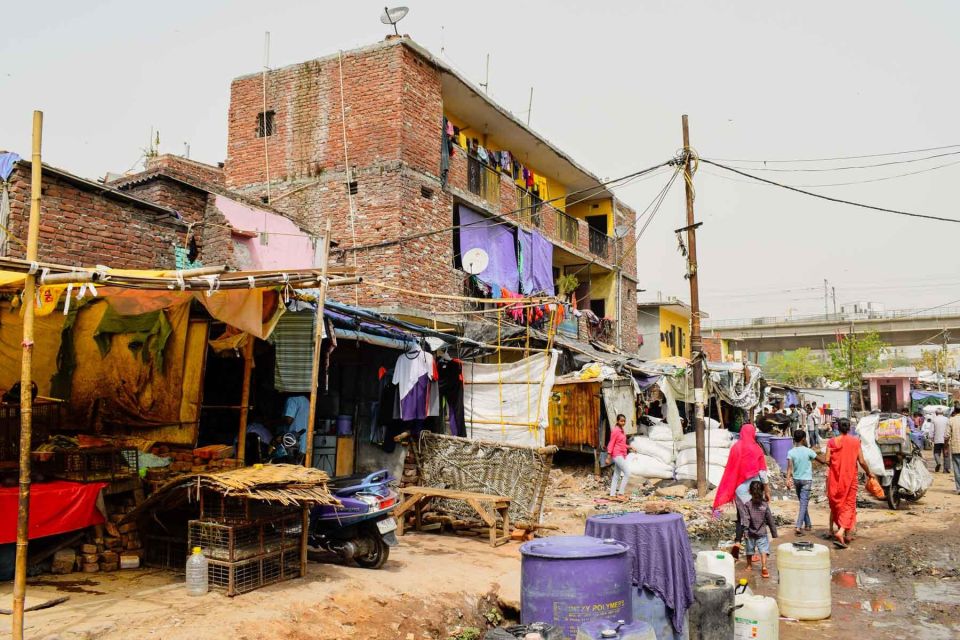
About mid-tour, you’ll stop at a view point and take in the colony from a different angle. This isn’t about dramatic views or sightseeing glamour. It’s about orientation.
From up high, you can start to connect the dots: where lanes run, how the neighborhood sits around nearby industrial life, and how distance and density shape daily routines. When you return to street level after that pause, you’ll often notice patterns you missed before.
The time at the viewpoint is also a good moment to slow down and ask questions. If you’re the kind of traveler who processes by talking, this is usually the section where your guide can help you build mental maps quickly.
The Reality Tours & Travel stop: where your ticket turns into education
Near the end of the walk, you’ll visit the Reality Tours & Travel – Delhi location. This is where the tour shifts from observation to action. The company’s stated goal is to support local NGOs and bring education-focused programs—linked to Reality Gives—into Sanjay Colony.
What I find valuable here is the transparency of the idea: your payment isn’t just paying for a guide and a route. Reviews repeatedly point out that a large share of profits goes back to community efforts, often described as around 80% supporting education and related work.
So instead of leaving with only questions, you leave with a direction. You also get a chance to see how the organization frames education as a practical long-term lever. And if you’re someone who worries about “ethics tourism” being just a feel-good story, this stop helps you judge whether the business model matches the mission.
Price and time: why $18 for 2-3 hours can be real value

At $18 per person for 2-3 hours, this isn’t the kind of tour you buy for thrills. You buy it for perspective—structured, guided, and respectful, with an emphasis on real context rather than tourist spectacle.
That price is also part of the ethical logic. Instead of turning the colony into an expensive, controlled “experience product,” the tour is positioned as accessible. In plain terms: you’re paying for a route, a guide, and (importantly) a model that feeds money back into local support.
You should also think about what you’re trading. You’re not spending a full day in a car. You’re not paying for an all-you-can-eat tour stop. You’re spending a short block of time walking and learning—best for travelers who want substance, even when it isn’t comfortable or glamorous.
What to wear and what to leave behind (no camera means no excuses)
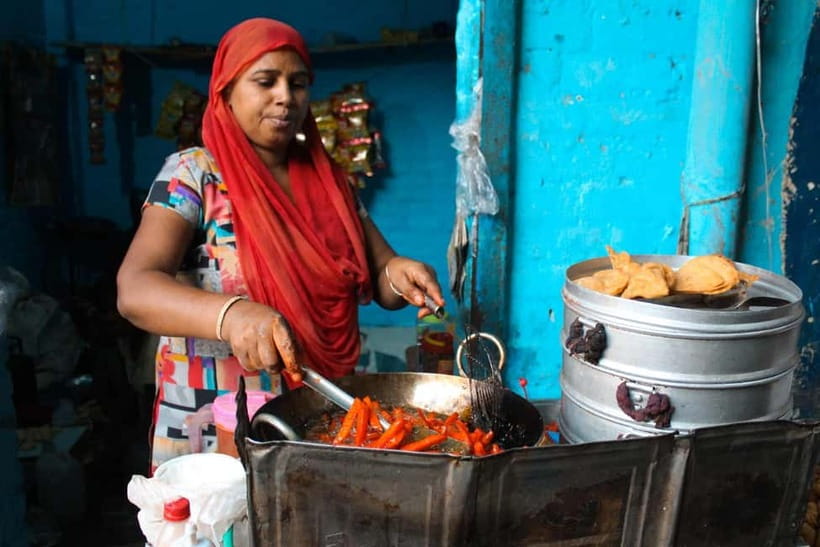
Plan for a walking tour through areas that can be dusty or dirty, especially during the monsoon months from June to mid-September. Wear comfortable closed-toe shoes and modest clothes. No low-cut or sleeveless tops, and no short shorts.
Also, read the rules carefully before you pack:
- Cameras are not allowed (strict no-photography policy)
- No pets
- No baby strollers
- No luggage or large bags
This is the kind of tour where your preparations affect your mood. When you show up with the right shoes and without a camera, you spend less time worrying and more time paying attention.
And honestly, the no-camera rule helps. People often don’t realize how distracting constant photo-taking can be until they stop doing it. Your guide will encourage you to ask questions and look around instead.
Who should book this Delhi slum tour, and who should skip it
This tour is a strong fit if you want to understand Delhi beyond the postcard version. It’s ideal for people who like grounded learning: how communities work, how informal industries function, and how faith and daily life overlap.
It also helps if you feel comfortable with a tone of respect. The tour isn’t about drama. It’s about conversation, context, and seeing residents as people with agency—not as a lesson plan you can consume and forget.
Skip this if you need lots of photo stops or you’re hoping for major monuments. And also think twice if you have mobility needs: the tour isn’t suitable for wheelchair users, and it’s not designed for people over 95 years.
The call: should you book?
If you’re visiting Delhi and you want one experience that changes how you look at the city, I’d recommend booking this Sanjay Colony ethical walking tour. The guides—people like Komal, Kiran, Naresh, and others—tend to set a careful tone, and the focus on garment recycling and community life gives you real, usable context.
But book it with the right mindset. Come prepared to walk, observe without photographing, and ask questions respectfully. If you do that, you’ll likely leave with something better than photos: a clearer understanding of how modern life in Delhi can run on small industries, strong community ties, and education-based hope.
FAQ
How long is the Delhi Sanjay Colony slum tour?
It typically runs for 2 to 3 hours.
How much does the tour cost?
The price is $18 per person.
What’s included in the ticket price?
You get a local English-speaking guide, plus water or a cold drink, and a private or shared walking tour depending on the option you choose.
Is food included?
No, food is not included.
Is photography allowed during the tour?
No. There is a strict no-photography policy, and cameras are not allowed.
Where do I meet the tour?
The meeting point can vary by option, but starting locations include Harkesh Nagar, Harkesh Nagar Okhla, or Rajiv Chowk Metro Station.
What religious sites do you visit?
The tour includes a stop at Jama Masjid Sanjay Colony, and you also have a chance to visit a Hindu temple.
Is the tour suitable for wheelchair users?
No. It is not suitable for wheelchair users.