REVIEW · NEW DELHI
Old & New Delhi Full or Half Day Sightseeing Tour
Book on Viator →Operated by Hello India Tour · Bookable on Viator
Delhi in one day beats guessing.
This tour is built for real sightseeing—Old Delhi lanes, New Delhi landmarks, and the kind of historical context that helps it all click fast. You can do Old or New Delhi in half a day, or combine both for a longer run, and you’ll travel in a comfortable vehicle with a guide who keeps things moving without turning it into a race. I especially like that you can choose pickup time and where you start—Delhi, Noida, Gurugram, Ghaziabad, or Faridabad—so you’re not stuck timing your day around somebody else’s schedule. Guides such as Ali, Mayank, Suhail, and Jiten come up again and again for being punctual, safety-minded, and willing to adjust pacing.
I love the mix of transport styles: air-conditioned comfort for the long drives, plus the classic Old Delhi tuk-tuk/rickshaw moment for Chandni Chowk. I also like the standout stops—Jama Masjid’s courtyard, Gurudwara Bangla Sahib’s Langar kitchen visit, and big-ticket New Delhi sites like Qutub Minar and Humayun’s Tomb—because they’re visually dramatic and easy to understand once someone points out the “why it matters.”
One thing to watch: entrance fees are only included if you choose the upgrade option, and you may run into small onsite charges depending on the place (for example, services like shoe storage at entrances). That’s not a deal-breaker, but it can affect your final spend if you didn’t plan for it.
In This Review
- Key things worth knowing before you go
- How to choose your half-day vs full-day plan
- The pickup setup that makes the tour feel easy
- Jama Masjid: the courtyard walk that sets the tone for Old Delhi
- Chandni Chowk by rickshaw: shopping streets with a story behind them
- Red Fort: Mughal power you can still feel
- Gurudwara Bangla Sahib: Langar kitchen is the heart of the day
- India Gate and the memorial logic behind it
- Rashtrapati Bhavan and Parliament House: big exteriors, limited access
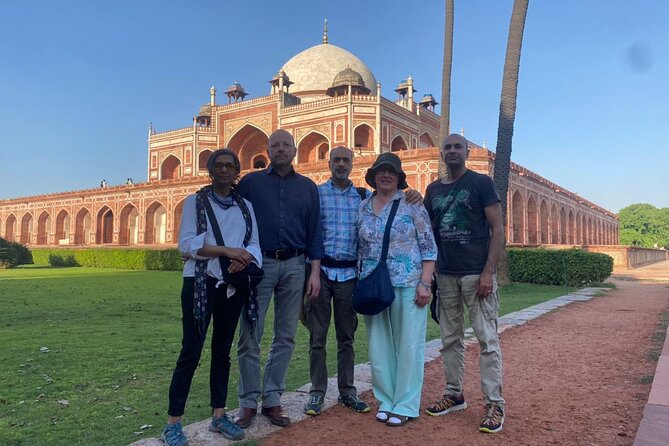
- Humayun’s Tomb: the UNESCO stop that feels like a garden
- Lotus Temple: peaceful, easy to enjoy, and open in spirit
- Qutub Minar: the tall landmark that ties to early Delhi power
- The transport rhythm: why it matters in chaotic Delhi traffic
- Price and value: what you’re really paying for
- Who this tour suits best (and who should adjust expectations)
- Should you book this Delhi highlights tour?
Key things worth knowing before you go

- Private guide + your group only means you can slow down, ask questions, and spend extra time where you actually want it (not where the clock demands).
- Old Delhi by rickshaw/tuk-tuk adds atmosphere that a car-only tour just can’t match.
- Langar kitchen at Gurudwara Bangla Sahib is one of the most meaningful stops on the route.
- Major New Delhi monuments come with context: India Gate honors World War I soldiers; Humayun’s Tomb is a UNESCO site.
- Entrance fees depend on your upgrade, so check what’s included in your chosen option.
- Many guides are praised by name (Ali, Mayank, Suhail, Tabrej, Adil, Jiten), often for clear explanations and smooth timing.
How to choose your half-day vs full-day plan
Start by being honest about your time and your energy. The tour runs about 4 to 8 hours, and the route is designed so you can pick a focused half-day or go all-in with both Old and New Delhi.
If it’s your first visit and you want the fastest “get your bearings fast” day, do half-day. Old Delhi gives you the mosque and market energy—Jama Masjid and the Chandni Chowk area—plus a strong culture stop at Gurudwara Bangla Sahib. New Delhi is calmer and more spread out, with big monuments like India Gate, Humayun’s Tomb, Lotus Temple, and Qutub Minar.
If you can handle a full day, combining both sides is the real payoff. You’ll understand Delhi’s layers: Mughal-era power and architecture in Old Delhi/New Delhi transitions, then modern national identity around India Gate, Rashtrapati Bhavan area, and Parliament House surroundings. It’s a lot in one go—but for many first-timers, that’s exactly what you want.
You can also read our reviews of more tours and experiences in New Delhi.



The pickup setup that makes the tour feel easy
Here’s a practical win: you can be picked up from any location in Delhi, Noida, Gurugram, Ghaziabad, or Faridabad, and you can decide the pickup time based on your plan. That matters because Delhi traffic and site hours can make or break a sightseeing day. Having a driver ready to work around your morning/afternoon schedule beats trying to coordinate with multiple local transit options.
The tour also includes an air-conditioned car with a driver when selected, plus free water bottles and umbrellas. Several guides and drivers are specifically praised for being punctual and safe—important in Delhi traffic, where even a short hop can feel complicated.
One small mindset tip: even with a tight plan, expect some real-world travel time between Old Delhi and New Delhi. The “value” here is not just the list of sights—it’s having someone handle the movement so you can focus on seeing.
Jama Masjid: the courtyard walk that sets the tone for Old Delhi
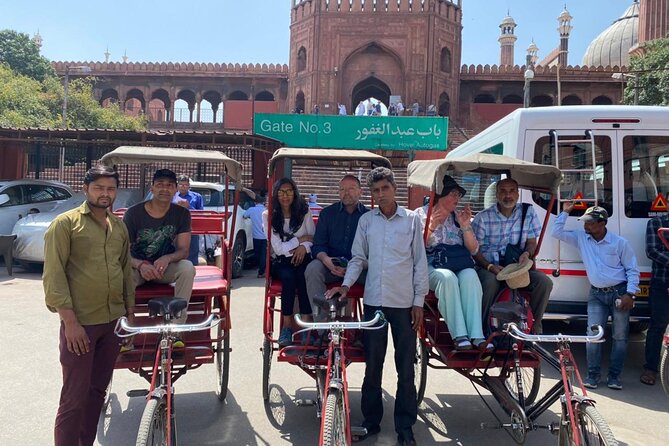
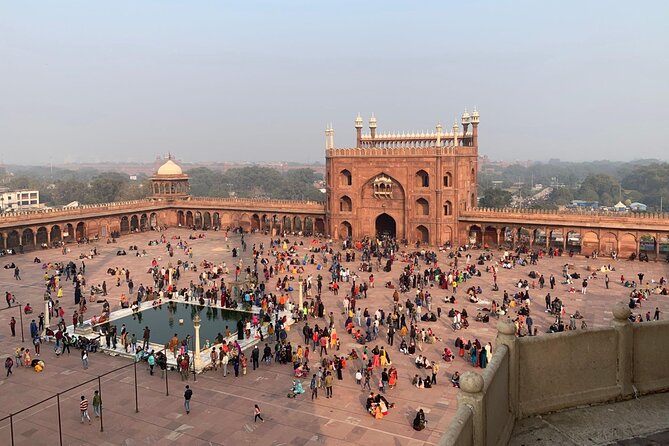
Your Old Delhi start is Jama Masjid, described as the largest mosque in India. You’ll get about an hour, with admission included in the standard stop order. Built in 1656, Jama Masjid is all scale and stonework—especially the red sandstone courtyard, where you can slow down and take in the space.
What I like about starting here: it’s not just a photo stop. A good guide can help you read the architecture and understand why it became such a major religious and community landmark. And because you’re here first, you get your bearings before heading into the busier markets.
Possible drawback: mosque visits come with rules and crowd flow. Your guide should guide you through where to go, but you might need to be patient and follow posted instructions at entrances.
Chandni Chowk by rickshaw: shopping streets with a story behind them
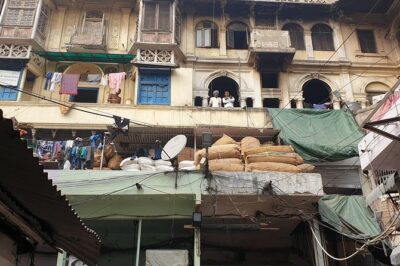
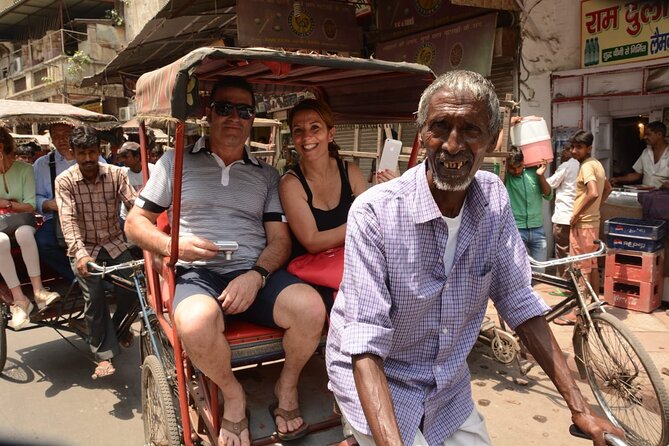
After Jama Masjid, you’ll hop into a rickshaw for Chandni Chowk. This is where Delhi becomes sensory: lanes, vendors, and constant motion. Your time here is shorter (about 30 minutes at this part of the route), so you’ll want to be clear about priorities—photos, snacks, shopping, or just absorbing the street vibe.
You’ll pass through areas like Cham Cham Gali, known for wedding-related shopping, and Parathe Vali Gali, which is famed for parathas. Even if you don’t buy anything, it helps to have someone narrate what each lane is known for. That turns a chaotic street into a map you can understand.
One consideration: markets can bring sales pressure. In the experience-based feedback I saw, one common dislike was the higher-pressure approach around spices and rugs. If you’re sensitive to that, decide up front how much you want to interact. You can enjoy the atmosphere without treating it like a shopping errand.
Red Fort: Mughal power you can still feel
You’ll also see the Red Fort, built by Shah Jahan from 1639 to 1648. This stop is a big deal historically because it was a residence for important Mughal emperors. The architecture shows a blend of Indian-Islamic and Mughal styles, and your guide can help connect what you’re looking at to the Mughal story.
In practice, this kind of stop works best if you pace yourself. Red Fort is visually strong even from a distance, but you’ll get more from it if someone explains what parts to look for—how it functioned as a center of authority, and why it’s still such a symbol.






Gurudwara Bangla Sahib: Langar kitchen is the heart of the day
If Old Delhi is the energy, Gurudwara Bangla Sahib is often the emotional reset. You’ll spend about one hour, and admission is free at this stop.
This gurudwara matters not only for its spirituality and history, but also because you can visit the Langar kitchen. The Langar system is a community meal tradition, and the kitchen visit is one of those experiences that makes the religious space feel human and accessible—not just impressive in a landmark way.
What to expect here: quiet respect, people coming for worship, and a guided explanation of customs. In feedback, people highlight how much they appreciated learning the customs and seeing the kitchen area.
If you want one “don’t miss” stop from the Old Delhi side, this is usually it.
India Gate and the memorial logic behind it
Once you move into New Delhi territory, you’ll reach India Gate, a tall stone memorial. It was designed in 1921 by architect Edwin Lutyens and honors about 90,000 Indian Army soldiers who passed away in World War I.
The practical value of this stop is that you can connect the landmark to a specific historical thread—war remembrance—rather than treating it like just another giant arch you happen to pass. A good guide makes the setting legible, including where to stand and how to frame the monument for photos.
This is also a good “sit for a moment” stop. It breaks up the day and gives you a breather before more monuments.
Rashtrapati Bhavan and Parliament House: big exteriors, limited access
Next up are the areas around the President’s House (Rashtrapati Bhavan) and Parliament House (Sansad Bhavan).
Rashtrapati Bhavan is described as grand, with long hallways and 340 rooms, including a round Durbar Hall and a president’s library. Parliament House is presented as a special political site, and the text notes that people can’t go in.
So what’s the point of seeing these if you can’t enter? Context. You get the visual scale of India’s seat of power, and your guide can tell you what these buildings represent in modern governance and national identity. For many first-time visitors, it’s enough to see the exterior and understand the significance.
In the same day, this section works best if you keep expectations realistic: this is “see and learn,” not “walk inside.”
Humayun’s Tomb: the UNESCO stop that feels like a garden
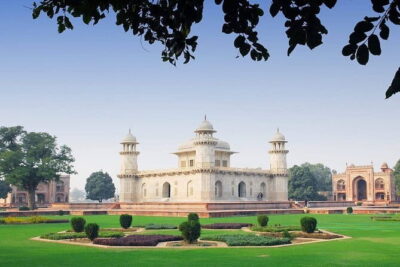
Then comes Humayun’s Tomb, a UNESCO-listed site and described as the first Garden Tomb of India. Your time here is about one hour, and admission is included.
This monument has a strong story: Humayun’s wife wanted to build this special tomb after his passing. Even if you don’t memorize the dates, the garden layout and tomb architecture help you grasp why it became such a model for later Mughal-era designs.
Why it’s worth your time on a sightseeing day: it’s photogenic, calm compared to markets, and it gives you a break from pure street intensity. It also helps you understand the Mughal influence that you saw earlier in Old Delhi via sites like Red Fort.
Lotus Temple: peaceful, easy to enjoy, and open in spirit
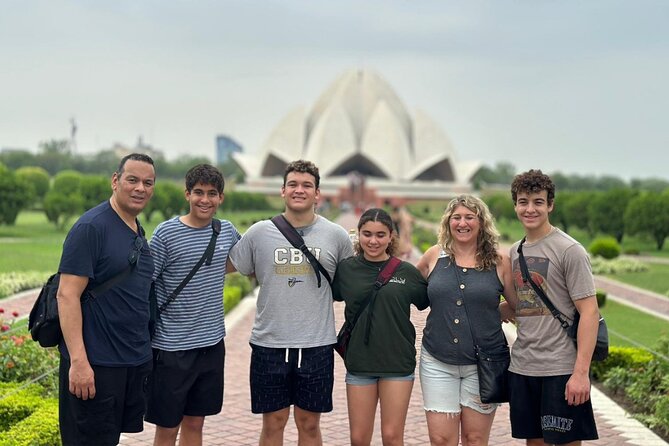
Your next major stop is Lotus Temple, also known as the Bahai House of Worship. It was built in 1986 by architect Fariborz Sahba, and the idea is a place of prayer for people of different backgrounds.
You’ll have about 30 minutes here, and admission is free. The design looks like a lotus flower—so it’s instantly recognizable and usually a crowd favorite even for people who don’t love temples in general.
What makes this stop a good fit for a tour schedule: it’s not only about “looking up at a monument.” It’s also about slowing down mentally. Even a short visit can feel like a reset before the final big site.
Qutub Minar: the tall landmark that ties to early Delhi power
Finish with Qutub Minar, the tall stone tower that looks like similar towers in Afghanistan. The text credits Sultan Qutb-ud-din for initiating the construction as a display of authority. It also notes the tower has five parts.
You’ll spend about one hour here, and admission is included at this stop. This is one of those places where height and detail matter: your guide can point out structural features so you’re not just staring upward for the whole hour.
If you’re someone who likes architecture, Qutub Minar is a strong closer because it feels like a “Delhi milestone” that you can point to even later when telling friends what you saw.
The transport rhythm: why it matters in chaotic Delhi traffic
A big reason people keep praising this tour is not just the sights—it’s the way the day runs. With air-conditioned car travel and a driver, you avoid the stress of navigating between Old Delhi and New Delhi on your own. Feedback also mentions drivers handling chaotic traffic well and keeping passengers safe, including solo travelers who felt comfortable.
There’s also a smart pacing element in many guide styles: several guides are praised for timing each location well and even building flexibility so you can spend where you care most. That’s huge in Delhi, because your interest level in markets, monuments, or prayer spaces can shift in real time.
If you hate rushing, pick a full-day option only if you’re okay with a longer day. If you want a lighter introduction, do half-day and use your leftover time for meals, resting, or a museum.
Price and value: what you’re really paying for
The price listed is $24.55 per person, and that’s worth thinking about in terms of what’s included.
What you typically get for the base:
- Personal tour guide
- Air-conditioned car with a driver when selected
- Free water bottles and umbrellas
- Parking, tolls, fuel, taxes
- Entry tickets only if you choose the option that includes them
- Tuk-tuk/rickshaw in Old Delhi if that option is selected
You don’t get:
- Tips for guide/driver
- Drinks and food
So the value isn’t only the monuments—it’s the guided logistics: pickup across the Delhi/NCR area, the right sequence of stops, and a guide to interpret what you see. At this price level, the “upgrade” for entrance fees is worth it if you want a smoother day with fewer stop-and-start money moments.
One practical note: since entrance fees depend on your option, double-check what you selected before you go. If you didn’t upgrade, you might need to pay at the gates or for onsite services.
Who this tour suits best (and who should adjust expectations)
This is a great fit if you:
- Are visiting Delhi for the first time and want major highlights without planning stress
- Like a guided pace with flexibility (some guides are noted for letting you spend more time where you want)
- Want safety and confidence with a driver who knows the roads
- Care about cultural context, not just snapping photos
It might be less ideal if you:
- Want a very slow, deeply immersive day in one neighborhood only
- Hate shopping-related pressure and want zero market interactions (you can still enjoy the sights, but you may feel the sales energy around Chandni Chowk’s trade streets)
Should you book this Delhi highlights tour?
Book it if you want a structured day that still has room for your interests—Old Delhi’s standout religious and market moments plus New Delhi’s major monuments, all handled with a guide and comfortable transport. The biggest reasons to choose it are the private setup, the strong set of first-stop landmarks, and guide styles praised for being punctual, safe, and adaptable (Ali, Mayank, Suhail, Tabrej, Adil, and Jiten are repeatedly named in the experience feedback).
Skip or rethink if you’re very budget-tight and didn’t pick the entrance-fee upgrade, because some costs can show up at sites. Also, go in knowing that markets like Chandni Chowk are lively and can involve sales pressure—plan your approach before you arrive.
If you want an efficient first Delhi day that teaches you what you’re looking at, this is a smart choice.