REVIEW · NEW DELHI
10 Days Private Golden Triangle Tour with Amritsar and Rishikesh
Book on Viator →Operated by Golden Triangle Tours India · Bookable on Viator
Your North India highlight reel starts fast.
This private 10-day tour strings together Delhi, Agra, Jaipur, Amritsar, and Rishikesh with a pace that lets you linger at big-name UNESCO stops—without feeling chased. What makes it especially interesting is the way it treats the Taj Mahal like an experience you can see in different light, with a sunset viewpoint and then a sunrise visit on the next day.
What I like most is the way the tour handles logistics. You get hotel/airport pick-up and drop-off, a private air-conditioned vehicle with a driver, bottled water during journeys, and daily breakfast—so you can spend your energy on places, not paperwork.
My second favorite thing is the local-guide focus. In the feedback I saw, drivers like Surendra or Vinod get called out for safe, relaxed driving, while coordinators like Gopal and guides such as Vijay show up for clear explanations. One drawback to plan for: monument entry fees are not included, and a few key stops also note extra fees for things like cameras.
In This Review
- Key highlights
- Why this Golden Triangle plus Amritsar and Rishikesh route makes sense
- Agra: Forts, the Baby Taj, and two angles on the Taj Mahal
- Fatehpur Sikri and Chand Baori: the best stops that aren’t the Taj
- Jaipur: Amber, palaces, and UNESCO mind-games
- Jaipur temples and the “monkey temple” pause before heading to Delhi
- Delhi: Qutub Minar, Mughal monuments, and Old Delhi markets
- Amritsar: Golden Temple time, then Wagah’s flag-down spectacle
- Rishikesh: Ganges bridges, an ashram stop, and busy ghats
- How the private transport actually affects your day
- Price and value: what $588.46 covers, and what you’ll pay extra
- Hotel and room reality: twin-sharing rules you should check
- Who should book this tour, and who might want something else
- Should you book this 10-day Golden Triangle plus Amritsar and Rishikesh tour?
- FAQ
- Where does the tour start and end?
- What is included in the price besides the sightseeing?
- Are monument entry tickets included?
- Are hotel stays included?
- What vehicle will I ride in?
- What time is the Wagah Border ceremony?
- Is free cancellation available?
Key highlights
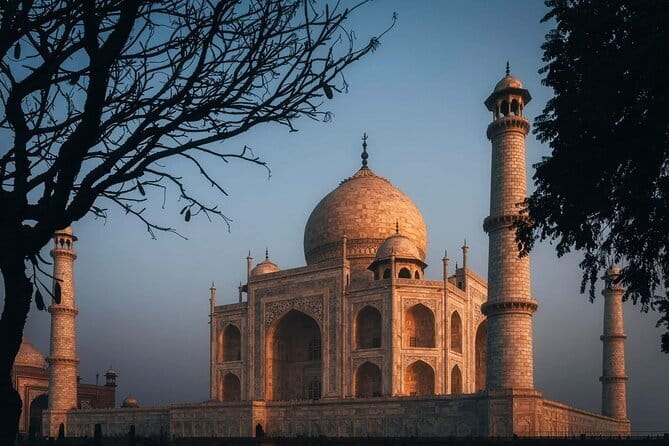
- Taj Mahal twice: sunset viewpoint one day, sunrise visit the next
- Battery bus included: round-trip from Taj parking up to the monument area
- Golden Triangle plus two wildcards: Amritsar for the Golden Temple and Wagah, Rishikesh for Ganges spirituality
- Private local guides city by city, paired with a driver who keeps the days flowing
- Realistic pacing: lots of highlights, but with free/leisure time and fewer frantic “hit everything” moments
Why this Golden Triangle plus Amritsar and Rishikesh route makes sense

If it’s your first time in North India, you’ll want the classics—Delhi’s monuments, Agra’s Mughal masterworks, Jaipur’s royal geometry—and you’ll also want something that feels different from the usual “same temples, same photos” loop. This itinerary does both.
You start with the Golden Triangle core (Delhi–Agra–Jaipur), then add two stops that change the tone. Amritsar brings scale, ritual, and a deep sense of place at the Golden Temple and the Wagah border ceremony. Rishikesh shifts you again—toward the Ganges, bridges, ashrams, and ghat life. The result is variety without chaos: you’re not bouncing around every few hours, and you still get time to slow down at major sites.
I also appreciate the structure around timing. The Taj is the obvious anchor, with one visit planned for sunset light and another for sunrise. That’s a simple trick, but it matters. Different hours change the feel of the marble, the crowds, and the way you notice details.
You can also read our reviews of more private tours in New Delhi

Agra: Forts, the Baby Taj, and two angles on the Taj Mahal
Agra is where the tour earns its name. The day starts with a drive to your Agra hotel, plus time for lunch at a local restaurant before you settle in. Then you move into the Mughal layer cake.
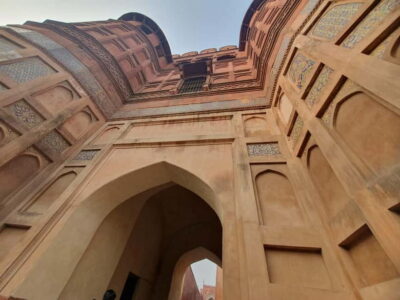
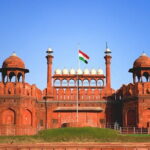
You’ll visit Agra Fort (Red Fort of Agra), a UNESCO site tied to emperors such as Akbar and Shah Jahan. The fort isn’t just big—it’s a reminder that royal power here was practical as well as symbolic. Even if you’re not a full-on history nerd, you’ll get plenty of visual payoff from the architecture and the way the complex fits together.
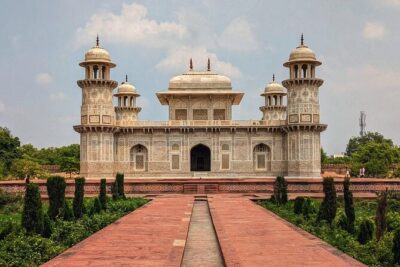
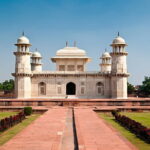
Next comes Itmad-ud-Daula, often called the Baby Taj. This is one of those stops that rewards a little patience. The mausoleum’s marble work and the refined detail help you understand what Mughal artisans were perfecting before the bigger Taj-level masterpiece.
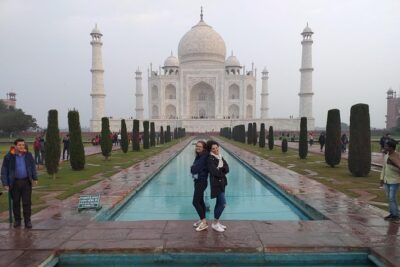
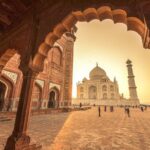
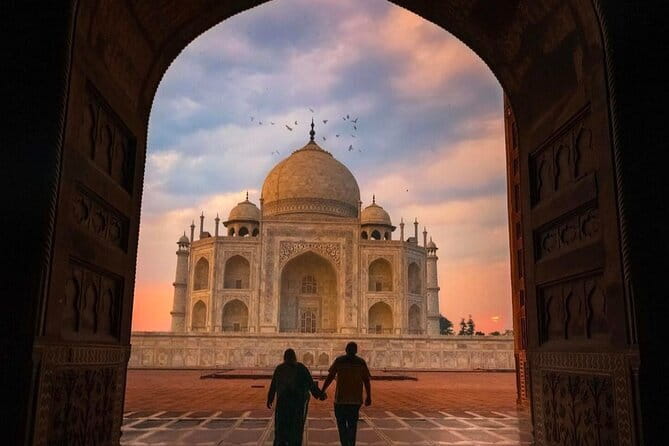
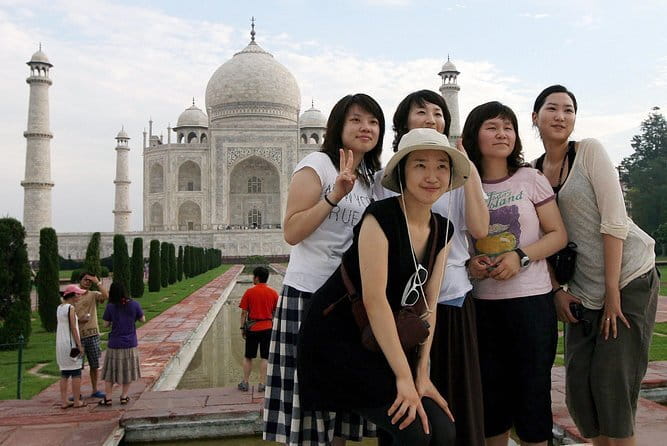
Then you get one of the most strategic Taj moments: Taj Mahal Sunset View Point, positioned across the river away from the tightest crowd areas. Sunset at the Taj can be magical, but the practical advantage here is that you’re not forced into the most congested view spot. You can watch the colors shift and still breathe.
You finish with Mehtab Bagh, the garden on the opposite side area, a quieter complement to the Taj view. It’s short, but it rounds out the “look across the river” theme.
On the next morning, you go for Taj Mahal at sunrise. Sunrise visits are famous for a reason: cooler air, softer light, and that feeling of the city waking around you. One more detail that helps your day run smoothly: the tour includes a battery bus ride to and from the Taj Mahal parking lot up to the monument area, which cuts down on the hassle of last-mile walking.
Practical note: Taj entry itself is not included in the tour price, so you should budget for that separately, along with any camera-related fees if you bring equipment.
Fatehpur Sikri and Chand Baori: the best stops that aren’t the Taj

After Agra, the tour swings to another UNESCO-listed experience: Fatehpur Sikri. This former Mughal capital site has an immediate “city inside a city” feeling. You’ll get about an hour here, which is enough time to orient yourself and understand why Akbar’s project mattered.
The highlight for many first-timers is that Fatehpur Sikri isn’t just monuments—it’s a sense of ambition. You can walk through spaces that were meant to function as an imperial center, then notice how the design fits together.
Then you hit Chand Baori, a dramatic stepwell near Abhaneri. It’s a different kind of architecture story than what you’ll see in Delhi, Agra, or Jaipur. This one is built for descent and perspective—30 meters down, with steps that create patterns as you move. It’s quick (about 30 minutes), but it’s a great change of pace before Jaipur’s palace-heavy day.
A small consideration: both Fatehpur Sikri and Chand Baori come with their own walking and sun exposure. If you go in hot months, I’d aim for early-morning comfort habits—water, hat, and loose layers—because you’ll appreciate it more than you think.
Jaipur: Amber, palaces, and UNESCO mind-games
Jaipur day is built around royal power made visible. You start with Panna Meena ka Kund, a stepwell near Amber Fort. It’s short on time, but it’s a smart warm-up—before the big palaces, you’re already spotting the architectural style and planning the route in your head.
Then you head to Amber Palace for about two hours with a guide. Amber is where you get the “wow” factor, but also where you’ll start noticing why Jaipur’s rulers liked drama in stone. This visit includes palaces, squares, and monuments. With a guide, you’re not just looking at walls—you’re understanding what you’re looking at.
You’ll also do Jal Mahal for a photo stop. It’s not about a long visit. It’s about the visual contrast: a palace-like structure sitting in the lake view. Even if you’re not photographing, it breaks up the day.
Next is Maharaja’s City Palace for about an hour. City Palace connects to Jaipur’s administrative and ceremonial role, so it feels less like a single monument and more like a working complex across time.
After that, you get one of Jaipur’s most satisfying UNESCO visits: Jantar Mantar. This is the one where the city’s worldview shows up in instruments. Instead of just telling you it’s old, your guide can help you notice how the structures are designed to measure the sky.
Then come the showpiece exteriors: Hawa Mahal, the Palace of Breeze, built with red and pink sandstone. It’s visually striking, and it’s also quick—perfect when you want the photo without turning your feet into paste.
You’ll also have a shorter stop at Albert Hall Museum. It’s brief, but it gives you a taste of how Jaipur displays art and culture in a museum setting.
Two things to watch. First, many of these stops list monument entry as not included, so check your budget and ask what’s covered in your package. Second, Jaipur can feel like constant sun and stair steps—so pace yourself. The guide helps, but you still need to manage your body.
Jaipur temples and the “monkey temple” pause before heading to Delhi
The next morning adds a more spiritual and less royal side of Jaipur.
You start with Birla Mandir, a white marble temple known for its latticework. It’s a quick stop (about 30 minutes), but the material and craftsmanship make it feel calmer than the louder palace zones.
Then you go to Galtaji Temple, also called the Monkey Temple. The name says it all: there are monkeys, there are pools, and the complex has a lively energy. This is another stop that works well with a short time window because you don’t need hours to understand the place.
After Jaipur’s second batch of sights, you make your way back toward New Delhi. The drive time listed is about five hours, and once you arrive you check in and overnight. That means you’re not squeezed into “see Delhi at midnight.” You get a proper reset.

Delhi: Qutub Minar, Mughal monuments, and Old Delhi markets
Delhi is a city of contrasts, and this route gives you both.
You start with Qutub Minar, a UNESCO World Heritage site. It’s a towering landmark tied to the Delhi Sultanate era. It’s about an hour, and it works as a powerful visual anchor for the day.
Next is Lotus Temple, famous for its flower-like design. It’s open to everyone regardless of religion, and it’s short in time, which makes it a good break in the schedule.
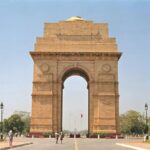
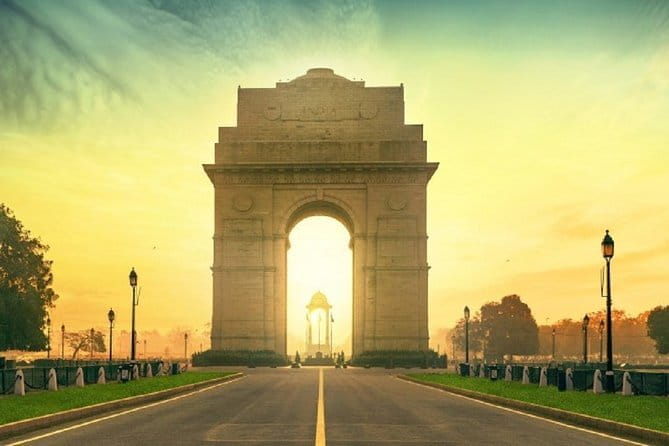
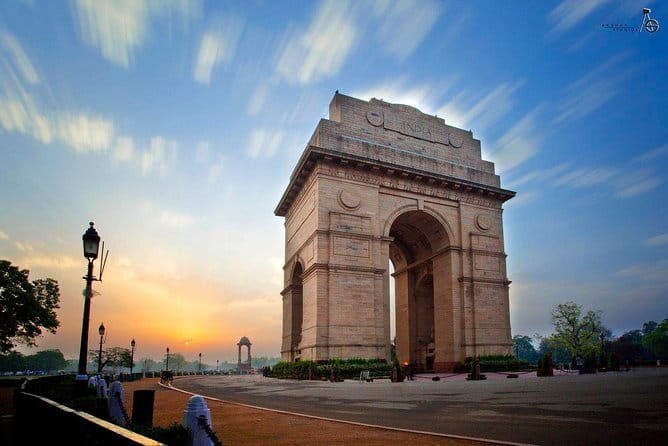
Then you go to India Gate—a war memorial near Rajpath. This is a “sit for a minute and look around” kind of stop. It’s also a useful way to absorb the city’s layout after more tightly packed monuments.
You’ll also stop at Parliament House (Sansad Bhavan). It’s described as a circular Ashoka Chakra-based design idea. In many tours, this is more of an exterior stop with a sense of the national symbolism, and that matches how the schedule is set up here.
From there, you shift into Mughal Delhi with Jama Masjid. It’s one of the largest mosques in India, built by Shah Jahan in the mid-1600s. It’s short, but it’s a big-feeling stop.
You also visit Agrasen Ki Baoli, a protected stepwell monument. Stepwells are a theme on this tour, and this one gives you another chance to notice how water structures were designed for community and use.
Then there’s Humayun’s Tomb, the tomb of Humayun commissioned in the 1500s. It’s about an hour, and it’s a great transition between Delhi’s earlier and later Mughal eras.
Finally, you end in Chandni Chowk, the Old Delhi market area. The schedule allows about an hour here, which is ideal because Chandni Chowk is busy and easy to lose track of time. You get enough to experience the rhythm: spice stalls, dried fruits, jewelry, saris, and narrow streets full of life.
A practical note: several Delhi monuments list entry tickets as not included. You’ll likely pay some additional fees on-site, so it helps to keep small cash or a card ready and to check camera charges if you’re planning to shoot a lot.
Amritsar: Golden Temple time, then Wagah’s flag-down spectacle
Amritsar is where the tour becomes more spiritual and more dramatic.
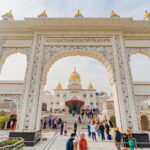
After arrival and hotel check-in, your key day begins at Golden Temple (Sri Harimandir Sahib). The schedule gives you about three hours. This is long enough to soak up the setting and still move at a pace you control. It’s also the kind of place where the atmosphere does a lot of the explanation for you.
Then you continue to Wagah Border for the ceremony. Timing matters here: you’re set to arrive around 3:00 pm to prepare, with the flag down ceremony starting at 5:00 pm. Admission is listed as not included, so treat that as an extra cost item.
Wagah’s appeal is simple: it’s one of the few places where international tension plays out on a very specific daily schedule. If you like structured drama, you’ll enjoy it. If you prefer quiet sightseeing, you’ll still find it fascinating, but you might want to temper expectations for crowd energy.
Rishikesh: Ganges bridges, an ashram stop, and busy ghats
Rishikesh is the “slow breath” part of this tour, even though the day still moves.
After arrival (the listed journey time from Amritsar is about nine hours), you check in and overnight. The next day gives you bridges and riverfront moments.
You start at Ram Jhula, an iron suspension bridge across the Ganges near town. It’s short, but it sets the theme: this place is built for walking between viewpoints.
Then you visit Parmarth Niketan Ashram. The ashram is alongside the Ganges and was founded in 1942 by Swami Shukdevanandji Maharaj. This stop adds a calmer, devotional element to the day.
After that, you go to Triveni Ghat, described as the biggest and most famous ghat. It’s crowded with devotees taking ritual baths to cleanse from their sins. The “crowded” part matters. This is a real working religious space, so plan to be patient and to move respectfully.
You wrap with Lakshman Jhula Bridge, another suspension bridge connecting villages on opposite sides of the river. It’s the perfect final image for Rishikesh because it ties the day together: river, crossing, and viewpoint energy.
How the private transport actually affects your day
This tour is private, which changes everything about how your schedule feels.
You travel in an air-conditioned vehicle with a driver, and the vehicle size adjusts to your group: a 4-seater sedan for 1–2 people, a 6-seater wagon for 3–4, and a 10-seater minivan for 5–10. That matters because it affects comfort on longer drives like the listed eight-hour stretch for Amritsar arrival and the nine-hour drive to Rishikesh.
You’ll also get bottled mineral water during journeys, which sounds small until you’re crossing hot stretches with a tight timetable. Plus, breakfast is included daily (for nine mornings), so your mornings start without hunting for food.
Pickup and drop-off are included via hotel or airport transfers, and the tour starts at Indira Gandhi International Airport in New Delhi. If your flight lands late or early, that transfer coverage is one of the biggest hidden values of a private package.
Price and value: what $588.46 covers, and what you’ll pay extra
At $588.46 per person, the headline cost can look low or high depending on what you assumed. Here’s the value logic:
- You’re paying for private transport with a driver across multiple cities.
- You get private local guides for sightseeing.
- You get 9-nights accommodation only if you choose the hotel-inclusive option.
- You get comfort items like bottled water during journeys and daily breakfast.
- You also get a specific logistical benefit at Agra: the battery bus ride for Taj Mahal access.
The biggest “price isn’t everything” point is that monument entry tickets are not included. Several key sites list entry as not included (Agra Fort, Taj Mahal, Amber Palace, and many Delhi and Jaipur monuments). You should budget for those as an extra line item.
Also not included: tips for the driver and guide, travel insurance, flight tickets, laundry, and any extra activities you might add. If you’re the kind of traveler who hates surprises, set aside a buffer for monument fees and camera charges, since those are also called out as not included.
Hotel and room reality: twin-sharing rules you should check
The tour description says rooms are generally twin-sharing. That’s common, but there’s a wrinkle: in a booking of 3 people, rooms default to triple-sharing unless you pay an additional charge to get 2 rooms.
If you’re traveling with a friend group, this is worth confirming early. The difference between a comfortable twin setup and a triple setup can change how you rate the trip, especially after long drive days.
Who should book this tour, and who might want something else
This one fits best if you want:
- a first trip to North India that covers the big hitters without sprinting through each stop
- a mix of UNESCO monuments and spiritual energy (Golden Temple plus Rishikesh)
- the comfort of a private driver and guided sightseeing in each city
It may be less ideal if you:
- want a “no extra fees” trip, because monument entry is not included
- dislike long travel days, since the itinerary includes drives like the listed 8–9 hour stretches
- prefer totally free-form exploring, because the structure is built around scheduled sites and guide timing
Should you book this 10-day Golden Triangle plus Amritsar and Rishikesh tour?
I’d book it if you like your India travel organized enough that you can relax, but not so rigid that it feels robotic. The Taj Mahal visited twice is a strong reason alone, and the private transport plus guides makes the whole route feel doable for a first-timer.
I’d think twice if you’re trying to keep a strict budget with zero on-site payments. Because monument entry is not included, your final spend will depend on what you choose to pay and what you photograph.
If you want the safest bet for value, pick the hotel-inclusive option if it’s available to you, confirm room setup for your group size, and plan a little extra cash for monument tickets and any camera fees.
FAQ
Where does the tour start and end?
The tour starts with a start point at Indira Gandhi International Airport in New Delhi. It ends with a drive back to Delhi on the final day.
What is included in the price besides the sightseeing?
The tour includes private transport in an air-conditioned vehicle with a driver, hotel or airport pick-up and drop-off, private local guides for sightseeing, bottled mineral water during journeys, and daily breakfast. Taj Mahal access also includes a battery bus ride to and from the parking area.
Are monument entry tickets included?
No. Monument entry tickets are listed as not included, and camera/still movie/video fees are also not included.
Are hotel stays included?
Hotel stays are included only if you book the option that includes hotels. When that option is selected, it includes 9 nights of accommodation.
What vehicle will I ride in?
Vehicle size depends on group size: a 4-seater sedan for groups of 1–2, a 6-seater wagon for groups of 3–4, and a 10-seater minivan for groups of 5–10.
What time is the Wagah Border ceremony?
You’re scheduled to be at Wagah Border around 3:00 pm for preparation, and the flag down ceremony starts at 5:00 pm.
Is free cancellation available?
Yes. You can cancel up to 24 hours in advance for a full refund.
If you want, tell me your travel month and group size, and I’ll help you estimate what extra costs to plan for (mainly monument entries) and which Taj time slot will likely feel best for your style.