REVIEW · NEW DELHI
Delhi Private City Tour: Customize your own
Book on Viator →Operated by Keeper Landwey · Bookable on Viator
Delhi moves fast; this tour keeps up. What makes it worth your time is the private driver-and-guide setup plus a customizable route so you can aim for the sights you actually care about. You’re not stuck with a rigid loop, and you don’t waste daylight figuring out where to stand, how to get there, or which entrance is correct.
I love how this kind of day removes navigation stress in chaotic traffic, while still keeping you in control of the itinerary. You pick what you want to see, the guide helps with on-the-ground decisions, and the car handles the getting-between-stops part.
One thing to plan around: some major sites close on Mondays (including Red Fort, Gandhi Smriti, and Rajghat), so if your visit lands on Monday, you’ll want a backup plan.
In This Review
- Key things that make this Delhi day tour work
- How the AC car pickup and drop-off feel in real life
- Picking your route: build a day around your own priorities
- Qutub Minar and Mehrauli: UNESCO monuments with space to breathe
- Old Delhi loop: Jama Masjid, Chandni Chowk, and the Red Fort
- Sikh shrines and spiritual Delhi: Bangla Sahib and Sis Ganj Sahib
- Colonial landmarks and the Gandhi memorial axis
- Gardens and smaller Mughal-era stops for a more human pace
- Timing, comfort, and what to wear for an 8-hour day
- Price and value: what $26 per person buys you
- Should you book this Delhi private city tour?
- FAQ
- How long is the Delhi private city tour?
- What does the tour include?
- Can I customize the itinerary?
- Are entrance fees included?
- What is not included?
- Does it work if I’m traveling on a Monday?
- Where do they pick you up and drop you off?
- Is this tour private?
Key things that make this Delhi day tour work

- Private guide + chauffeur means you’re not juggling apps, tickets, and directions all day
- Hotel/airport pickup and anywhere drop-off keeps the day tight and easy
- A customizable list of stops lets you build a route around your interests and time
- AC car plus bottled water and umbrellas helps on hot days and sudden weather shifts
- Entrance logistics handled because the guide helps you buy monument entry tickets
How the AC car pickup and drop-off feel in real life
You start with pickup from anywhere in Delhi—hotel or airport are specifically called out—and the timing is flexible. That matters because Delhi days often fall apart when you’re forced into a fixed start time or you lose energy trying to match transport to your schedule.
The tour includes a private, air-conditioned vehicle with a chauffeur, plus a private live guide. Practically, that means you’re sitting down while someone else handles route planning through traffic patterns you won’t predict on your first day in the city. The itinerary is built from your choices, but the logistics of moving, parking, and waiting between stops are handled for you.
You also get complimentary bottled water (and umbrellas). It sounds like a small add-on until you’re walking in sun or trying to stay comfortable during weather changes. At the end, you don’t have to negotiate the last taxi either—there’s a complimentary drop-off to anywhere in Delhi after the tour.
This is exactly the kind of setup that helps if your goal is “see a lot, but not at the cost of exhaustion.”
You can also read our reviews of more city tours in New Delhi


Picking your route: build a day around your own priorities
This is a customizable city tour, so the big skill is choosing the right mix of stops for an 8-hour day. Your guide will help guide the order, but you still steer the selection. The tour is flexible based on preference and flight timings, which is great when you arrive late or leave early.
Here’s the menu of sights you can choose from, from major landmarks to smaller historical stops:
- Qutub Minar (UNESCO site; tallest minaret built in 1192)
- Tomb of Adam Khan (a large monument in Mehrauli tied to Mughal-era stories)
- Hauz Khas Village (history with a modern village feel)
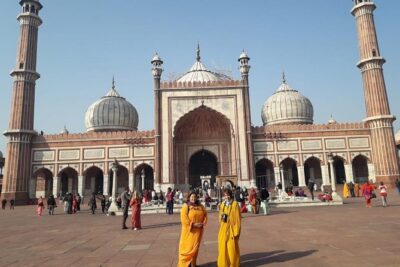
- Jama Masjid (17th-century, among the world’s largest mosques; UNESCO)
- Chandni Chowk (big 17th-century market area; spices, jewelry, clothes, and food)
- Red Fort (Mughal dynasty residence; the Prime Minister hoists the flag at the main gate)
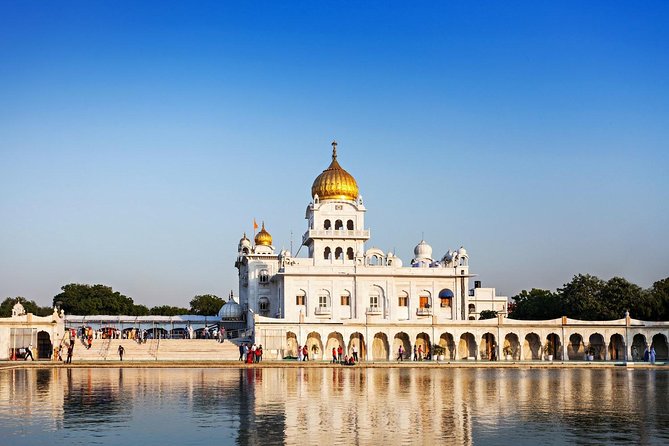
- Gurudwara Sis Ganj Sahib (Sikh temple honoring Guru Tegh Bahadur; built in 1783)
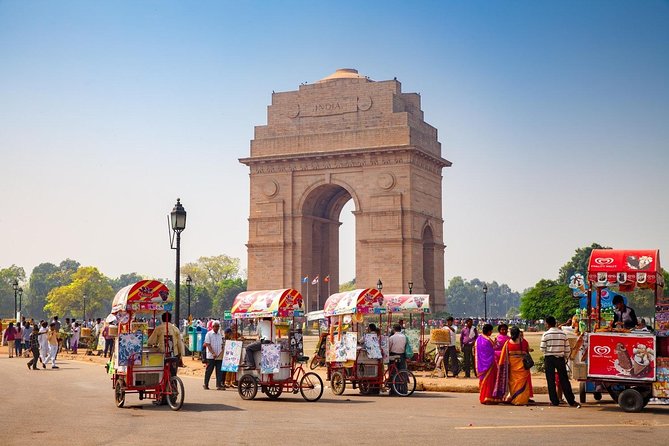
- India Gate (1921 Tomb of the Unknown Soldier; names of 13,300 servicemen carved on the walls)
- Presidential House (330 acres planned by Sir Edwin Lutyens and Herbert Baker)
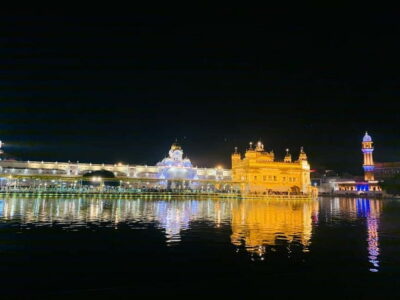
- Gurudwara Bangla Sahib (Sikh shrine; offers langar 24/7)
- Gandhi Smriti (site marking where Gandhi spent much of his life and was assassinated)
- Rajghat (Gandhi memorial ground after his assassination)
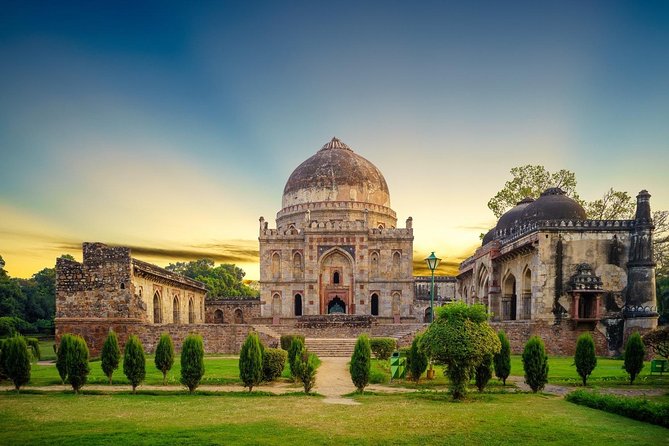
- Lodhi Garden (history + nature; good for walking and photos around tombs/monuments)
- Jamali Kamali (16th-century Mughal architecture built after Jamali and Kamali)
How to think about this: an effective day in Delhi is usually two themes, not ten. For example, you can blend Old Delhi + a memorial stop, or Mughal monuments + a market, or architecture + gardens. If you try to do every category, you’ll spend more time stuck in traffic than actually seeing places.
Qutub Minar and Mehrauli: UNESCO monuments with space to breathe
If you pick the Qutub Minar option, you’re choosing one of Delhi’s clearest “big wow” monuments. It’s described as the tallest minaret built in 1192, and it’s part of a UNESCO World Heritage Site. That combination usually means the site is well known for a reason: it’s visually dominant and historically anchored.
Pairing Qutub Minar with Tomb of Adam Khan can make the area feel more human. The tomb is described as a gigantic monument built in 1561 and linked to stories involving Mughal emperor Akbar. Even if you don’t care about every detail, guides tend to translate these connections into things you can actually picture while you’re standing there.
Adding Hauz Khas Village is another smart move for balance. Instead of only monument-to-monument sightseeing, this gives you a village setting that’s been transformed over time—from India’s independence onward. It’s useful when you want a short break in the middle of a heavier historical route.
If you’re the kind of person who hates rushing, this Mehrauli cluster is also a good place to slow down. You’ll still walk, but the sights are sturdy anchors for photos and a calm pace.
Old Delhi loop: Jama Masjid, Chandni Chowk, and the Red Fort
When people picture Delhi, they often picture Old Delhi, and this tour lets you build that day around it. The centerpiece options are Jama Masjid, Chandni Chowk, and Red Fort.
Jama Masjid is 17th century and described as among the world’s largest mosques, also UNESCO-listed. A guide helps here because you don’t just want to see the building—you want to know what you’re looking at and what parts matter for your visit. It’s also a place where timing and respectful behavior really count, so having a guide on hand makes the experience easier.
Then you can step into Chandni Chowk, described as Asia’s biggest market of the 17th century. This is the “go slow and look closely” portion of the day. The description includes spices, jewelry, clothes, and food. That’s your cue that this isn’t just shopping. It’s also sensory culture—what people sell, how stalls are arranged, and how the market rhythm works.
Finally, Red Fort gives you the Mughal power story. It was the main residence of the Mughal dynasty in Delhi, and there’s a modern political link: every year the Prime Minister hoists the Indian flag at its main gate. That blend of past and present makes it more than a pretty wall for pictures.
Important planning note: the tour data flags that Red Fort is closed on Mondays. If your day falls on Monday, you can still aim for Jama Masjid and Chandni Chowk, then swap Red Fort for something else on your list.
Sikh shrines and spiritual Delhi: Bangla Sahib and Sis Ganj Sahib
One of the best things about this tour’s flexibility is that it includes major Sikh sites alongside the Mughal and colonial landmarks. That gives you a fuller view of how different faith communities shape Delhi’s public spaces.
Gurudwara Sis Ganj Sahib is described as a Sikh temple built in 1783 by Baghel Singh in honor of Guru Tegh Bahadur. If you choose it, you’ll likely get a focused narrative from your guide about why that site matters and how Sikh history is remembered through places.
Gurudwara Bangla Sahib is another strong option. The tour notes its history and points out something practical and visitor-friendly: it offers langar (food) 24/7. Even if you don’t plan your whole day around it, it’s a helpful anchor if you want a place to refuel that’s part of the local tradition rather than a generic restaurant stop.
If you’re mapping your day, you can place these shrines so they break up the more intense “stand and look” monument segments. Think of them as grounding stops—quiet, meaningful, and good for resetting your pace.
You can also read our reviews of more private tours in New Delhi






Colonial landmarks and the Gandhi memorial axis
Delhi’s political and memorial geography is concentrated enough that it works well in an 8-hour private tour. The tour includes India Gate, Presidential House, and two Gandhi sites: Gandhi Smriti and Rajghat.
India Gate is described as the 1921 Tomb of the Unknown Soldier, with names of 13,300 Indian servicemen carved on the wall who died during the First World War. This is one of those places where a guide’s explanation changes how you read the monument. Without context, it can look like a grand structure. With context, it turns into a readable memorial.
Presidential House is listed as 330 acres designed by Sir Edwin Lutyens and Herbert Baker. If you choose it, treat it as an architecture and planning stop—more about “how this capital was designed” than about crowds.
Then you have the Gandhi pair:
- Gandhi Smriti, marking where Gandhi spent much of his life and where he was assassinated.
- Rajghat, the memorial ground dedicated to Mahatma Gandhi after his assassination in 1948.
These sites close on Mondays in the tour data (Gandhi Smriti is noted as closed Monday; Rajghat too). If you’re traveling Monday, swap to another category like Qutub Minar/Mehrauli, Hauz Khas Village, or Lodhi Garden. You can still keep the day reflective, but choose places that are open.
Gardens and smaller Mughal-era stops for a more human pace

Not every great Delhi moment is a giant monument. The tour list includes options that help you slow down and make the day feel less like a checklist.
Lodhi Garden is described as a merge of history and nature, with tombs and monuments that are great for a photo walk. If you want a calmer segment between busy sites, this is a nice fit. It’s also a practical choice when you need shade, a place to step out of traffic intensity, and some walking time that doesn’t feel like a sprint.
Jamali Kamali is another option that adds texture. It’s described as 16th century Mughal architecture built after Jamali and Kamali. This can be a good “short stop, big payoff” choice when you want variety in your day without overloading your schedule.
And if you’re someone who likes patterns—how different eras coexist—these smaller stops often do more for your memory than another major landmark where you spend five minutes and keep moving.
Timing, comfort, and what to wear for an 8-hour day
The tour runs about 8 hours. In Delhi, that length is a balancing act: you want enough time to see multiple sights, but not so much that you spend half the day waiting in traffic.
Because the stops are customizable, your guide may structure the order based on opening times and where things make sense geographically. Your best move is to tell your guide your non-negotiables early—especially if you want a mix like Old Delhi + Gandhi sites, or UNESCO monuments + market time.
The day includes comfortable walking shoes advice in the tour info, which is spot-on. Even with a car, you’ll be on your feet for entrances, courtyards, and market areas. Dress in comfortable clothes and plan for walking.
Also remember: some specific sites listed in the tour data are closed on Mondays. The list includes Akshardham Temple, Lotus Temple, Gandhi Smriti, Red Fort, and Rajghat. If Monday is your travel day, choose from the open alternatives in the options list.
Finally, plan for weather. Since umbrellas and bottled water are provided, you’re not fully dependent on buying supplies on the go. Still, a hat and water awareness are smart if you’re doing a lot of outdoor walking.
Price and value: what $26 per person buys you
At $26 per person for about 8 hours, the value depends on your group size and how efficiently you use the time. This isn’t just a ticketed sightseeing route. It includes hotel/airport pickup and drop-off, a private live guide, and a private AC car with chauffeur—plus parking fees, tolls, fuel, and taxes.
If you’re comparing to the cost of taxis plus paying for a guide separately, this kind of bundled setup is often the better deal because you’re buying logistics as much as sightseeing. You avoid time-wasting transfers and you get a guide to explain what you’re seeing while you’re still at the site.
It also includes mobile tickets and mentions group discounts, which can help if you’re traveling with more than one person or family.
One more value point: the tour is private. That means you can adjust when you need to—spending a little more time at a market, or swapping a stop if you want a calmer pacing.
If you’re a solo visitor, the tour still can be a strong choice when you want history and city context without spending your day trying to solve Delhi transit. If you’re traveling with friends, it can be an especially efficient way to turn one day into a clear “great orientation” sweep of major areas.
Should you book this Delhi private city tour?
Book it if you want a day that’s customizable, guided, and low-stress. The private driver + guide combo is the real win, especially for Delhi traffic and for understanding what matters at each stop. It also fits well if you like mixing big landmarks with markets, spiritual sites, and a garden walk.
Skip it (or plan carefully) if your travel day is Monday and the sites you care about include Red Fort, Gandhi Smriti, or Rajghat. You can still create a good day, but you’ll need to pick substitutions from the available list.
If you’re deciding between a rigid group tour and a private, flexible day, this one leans toward control. For a city like Delhi, that’s often the difference between a “saw some places” day and a genuinely satisfying day.
FAQ
How long is the Delhi private city tour?
It’s approximately 8 hours.
What does the tour include?
It includes pickup and drop-off to anywhere in Delhi, a private live tour guide, sightseeing by a private air-conditioned car with chauffeur, parking fees/tolls/fuel/taxes, bottled water, and complimentary water bottles and umbrellas.
Can I customize the itinerary?
Yes. You choose which sights to include based on your preference and flight timings. The tour offers options such as Qutub Minar, Jama Masjid, Chandni Chowk, Red Fort, India Gate, and several others.
Are entrance fees included?
The guide helps you buy entrance fees to the monuments, but entrance fees are not listed as included in the package.
What is not included?
Meals and additional services are not included, and tips and gratuities are also not included.
Does it work if I’m traveling on a Monday?
Some listed sites are closed every Monday, including Akshardham Temple, Lotus Temple, Gandhi Smriti, Red Fort, and Rajghat. You’ll need to choose other stops if your day lands on Monday.
Where do they pick you up and drop you off?
Pickup can be arranged from anywhere in Delhi (hotel or airport are specifically mentioned). After the tour, you get a complimentary drop-off to anywhere in Delhi.
Is this tour private?
Yes. It’s a private tour/activity, so only your group participates.