REVIEW · NEW DELHI
15 Days North India Best Tours In Himachal Pradesh With Amritsar & Delhi
Book on Viator →Operated by Indian Travel Online · Bookable on Viator
A hill climb, a border ceremony, and temple stops in one run. This North India trip through Himachal Pradesh plus Delhi and Amritsar mixes big sights with a few calmer stretches, all run on a private-car schedule. You’ll cover Old Delhi markets and monuments, then shift into mountain towns like Shimla and Manali, and finish with the Wagah Flag Retreat and Chandigarh gardens.
What I really liked: you get breakfast and dinner for 14 days, plus a packed route that doesn’t waste time figuring out logistics. I also like that the tour includes a mix of famous landmarks and local-feeling stops, like Raj Ghat and Chandni Chowk in Old Delhi, then places such as Baijnath Temple and McLeodganj in the hills.
One thing to consider is the pace: you’re traveling by road almost every couple of days, including long drives like the Shimla-to-Manali and Dharamshala onward legs. If you hate car time, you’ll want to plan for frequent water breaks and snacks, because the schedule moves.
In This Review
- Key things to know before you go
- Entering Old Delhi the right way: Raj Ghat, Jama Masjid, and Chandni Chowk
- New Delhi monuments and the calm after the crowd
- Shimla’s temples, Christ Church windows, and the Kufri reset
- Manali’s big day: monasteries, hot-cold kund, and Mall Road time
- Rohtang Pass day: the payoff (and the extra cost)
- Dharamshala and McLeodganj: heritage stops plus a built-in slower day
- Dalhousie and Khajjiar: plateau views and a gentle change in rhythm
- Amritsar via the road: Wagah Border’s Flag Retreat ceremony
- Chandigarh gardens: Rock Garden, Rose Garden, and Pinjore Garden
- Price and logistics: does $1,245.13 feel fair?
- Who this tour fits best
- Final call: should you book this North India route?
- FAQ
- What does the tour price include?
- What’s the meeting time and where does the tour end?
- Which places are covered on this route?
- Are monument entry tickets included?
- Is Rohtang Pass included in the package cost?
- Is there free cancellation?
Key things to know before you go
- Private car, all-inclusive transfers: tolls, parking, fuel, and driver allowances are handled for your route.
- Meals included for 14 days: breakfast and dinner are part of the package, so budgeting daily meals is easier.
- Temples plus scenery: days are built around Shimla’s temples, Manali’s monasteries, and Dharamshala’s heritage sites.
- Rohtang Pass is extra: it’s listed as at your own cost, so budget for that day in advance.
- Wagah Border ceremony highlight: you’ll go to the Indo-Pak Wagah Border in the evening for the Flag Retreat.
- Entrance fees aren’t included: monument entry and camera charges are separate, so carry cash/card for tickets.
Entering Old Delhi the right way: Raj Ghat, Jama Masjid, and Chandni Chowk
Old Delhi can overwhelm you fast. This tour helps you get your bearings early by starting with the places that anchor the area’s story and energy. First stop is Raj Ghat, the memorial site where Mahatma Gandhi was cremated. It’s simple and powerful, and it gives your day a grounding before you go into the markets.
Next comes Jama Masjid, described here as the largest mosque in India. After that, you head into the heart of Old Delhi near Chandni Chowk, one of the oldest market neighborhoods and also one of the busiest. This is where the tour gets smart: you’re not just told to walk. You have the option to explore the area fully by cycle-rickshaw, which is one of the easiest ways to move through tight lanes without turning the trip into a sprint.
What you should watch for is how quickly sounds, smells, and crowds change block to block. If you’re the type who gets camera-happy, slow down for a minute. Try to notice everyday scenes between the big landmarks—shops setting up, people grabbing tea, and families moving through the lanes.
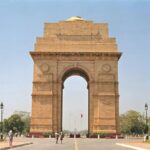
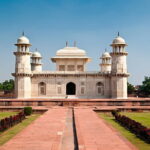
On the New Delhi side, the day also balances reverence with grandeur. You’ll visit Humayun’s Tomb and Qutub Minar, and you’ll have a drive along the ceremonial route in New Delhi. Those visits give you a clear contrast to Old Delhi’s street life, and they help the “India you see on postcards” feel real and close.
Practical tip: Old Delhi days are best with good walking shoes. Even if most transfers are by car, you’ll still be on foot when you reach the market zone.
You can also read our reviews of more tours and experiences in New Delhi.



New Delhi monuments and the calm after the crowd
New Delhi can feel more organized than Old Delhi, and that’s the point. After you’ve spent time in Chandni Chowk, seeing major monuments like Humayun’s Tomb and Qutub Minar gives your mind a breather. I like this sequencing because you’re not trying to jump from ancient streets to big architectural sites with zero contrast.
Also, if you’re arriving into India and feeling jet-lagged, this day is a good first step. It’s structured, but it doesn’t require heavy hiking or complicated planning. You’ll still get plenty of walking, but it’s walking with clear targets.
You should still think about heat and sun exposure. Tombs and minarets can mean open space, and New Delhi weather can be blunt. Bring a hat, keep water handy, and take small breaks. The tour doesn’t list specific pacing beyond a sightseeing day, so you’ll enjoy it more if you travel like a human, not a checklist.
Shimla’s temples, Christ Church windows, and the Kufri reset
Shimla is where the trip starts to feel like a mountain story. After a drive of about 343 km (around 8 hours), you arrive in the former summer capital of British India, set near the snow-capped Shivalik Mountains. Even if you don’t see snow in your season, you’ll feel the shift in air and altitude right away.
On sightseeing day, you’ll get a temple loop plus a church stop. The tour includes Kalbadevi Temple, Jakhu Temple, and Hanuman Temple. That trio matters because it shows how religious sites anchor daily life in hill towns. Then there’s Christ Church, built in the 1850s, with stained-glass windows worth pausing for. It’s not just a building stop; it’s a color-and-light moment that breaks up the temple-heavy rhythm.
In the afternoon, you head to Kufri, about a 30-minute drive from Shimla. Kufri is described as surrounded by dense forest and snow-capped mountains, with virgin peaks and natural flora and fauna. Translation: you get a nature-focused breather without committing to a full-day trek.
If you’re deciding what to pack for Shimla and Kufri, think layers. Hill weather can swing even when the forecast looks stable. I also recommend bringing something for light snacking while you wait for viewpoints, because you may spend time in scenic spots where shops aren’t immediate.
Drawback to keep in mind: if your season is foggy or rainy, mountain visibility can shrink. The tour still gives you the stops, but the “wow” factor depends on weather.
Manali’s big day: monasteries, hot-cold kund, and Mall Road time
Manali is where the pace stays active, but the experience starts feeling more varied. After driving from Shimla, you’ll check in and then have a day of local sightseeing built around spiritual and cultural stops.
You’ll visit Hadimba Temple, plus a Tibetan Monastery. The tour also mentions Lord Buddha and Tankha paintings, and you’ll see Vashistha Temple, including the hot and cold water kund. That hot-cold detail is a fun one to keep in mind because it’s a rare, practical feature you can compare in minutes. It also gives the day a sense of place—less about monuments far away, more about sites you can experience right there.
Later, there’s Club House listed on the route, and the evening is free. You can head to the Mall Road for shopping when you want a change of pace. I like this kind of freedom built into a guided tour. It means you can buy a scarf or a snack without feeling like you’re “behind” the program.
If you’re traveling as a couple, a solo traveler, or a small group inside the larger group, this evening free time is useful. You can do a slow walk, try local treats, or simply reset after a full day.
Rohtang Pass day: the payoff (and the extra cost)
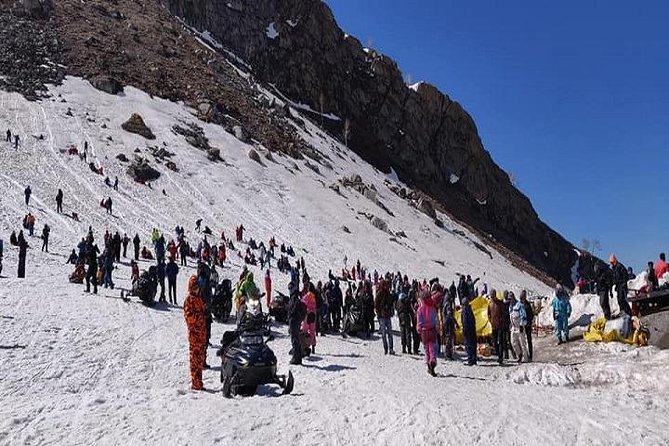
Rohtang Pass is the mountain “big moment” day. It’s listed at your own cost, so don’t assume it’s automatically covered in the package. The tour gives you a couple hours at the snowy haven, with time for a sledge ride down the slopes and a chance to climb small snow hills.
There are also scenic halts on the way back to Manali: Rahalla falls and Solang Valley are on the route, and the day includes stops at Marhi, Ralha falls, and Nehru Kund.
What this day means for you is simple: it’s the day most likely to feel like a memory-maker. But it also depends on weather and snow conditions. Even if the tour provides time for snow fun, the quality of the day can vary with mountain access and visibility.
Practical advice: keep your hands warm, even if the sun looks nice. Snow days make you underestimate cold. Also plan for small items like sunglasses and gloves, because snow glare can be intense.

Dharamshala and McLeodganj: heritage stops plus a built-in slower day
After Manali, the tour shifts to Dharamshala. You’ll drive there, check in, and then have a packed day of heritage and sightseeing.
You’ll visit Baijnath, described as the oldest existing Shiva temple in the country. That’s a big claim, and regardless of any debate, it signals an older layer of India you won’t get just by sticking to the busiest cities. The day also includes the War Memorial, Kangra Art Museum, Dally Lake, and stops around McLeodganj and St. John’s Church.
This mix is why I like Dharamshala on this route. It’s not only about points on a map. You get spiritual architecture, museum culture, and a lakeside calm all within one day.
Then comes a real gift: Day 9 is leisure time. You’ll have dinner and overnight at the hotel, but no forced sightseeing block listed. If you need a day to catch up—sleep in, shop slowly, or just sit and watch—this is the spot to do it.
You might find this part of the trip especially good if you’re traveling with a person who doesn’t want to run from stop to stop every day. The earlier days are structured; this one gives you room.
Dalhousie and Khajjiar: plateau views and a gentle change in rhythm
Dalhousie arrives after a shorter drive (about 4 hours). It sits at about 2039 meters in the outer slope of the Dhaula Dhar range. Once you check in, the rest of the day is leisure and shopping. That’s another thoughtful inclusion: it lets you settle into the hill town pace before you go farther out.
Then you get a full day to Khajjiar. Khajjiar is described as a scenic saucer-shaped plateau, surrounded by dense pine and deodar forests, with a small lake in the center and a floating island. The tour also mentions a 9-hole golf course there—oddly specific, and exactly the kind of detail that makes a destination feel tangible.
On the next day, the schedule revisits Khajjiar with local Dalhousie sightseeing. Dalhousie includes Panjipula, Subhash Baoli, and an excursion to Khajjiar again (the distance is listed as about 24 km here, while the earlier Khajjiar day lists 18 km). Expect the drive to vary based on route and exact starting points, but the core experience is the same: you’re spending time in the plateau-and-forest zone, with built-in viewpoints.
One more practical note: plateau areas can be windy. Bring a layer you can put on quickly. You’ll also want to keep camera batteries charged, because cool air can drain them faster than you expect.
Amritsar via the road: Wagah Border’s Flag Retreat ceremony
From Dalhousie, you’ll checkout and travel by road to Amritsar, then check in and visit the Wagah Border. This is one of the trip’s clearest “must do” moments because the ceremony is scheduled in the evening.
You’ll go to the Indo-Pak Wagah Border, about 30 km from Amritsar, for the daily highlight known here as the evening Beating the Retreat ceremony. Soldiers from both countries march with perfect drill, bringing down their national flags in a set routine. As the sun goes down, lights are switched on and the day ends amid loud applause.
This is a highly emotional spectacle, but it’s also one of the most straightforward events to prepare for. Wear comfortable shoes. You’ll want layers for sitting/standing as the evening cools off.
Also, try to be mindful with your behavior around security zones. The ceremony is dramatic, but the border area is real-world sensitive. Keep your phone use reasonable and follow staff directions.
Chandigarh gardens: Rock Garden, Rose Garden, and Pinjore Garden
After Amritsar, you’ll head to Chandigarh by road. The trip estimates about 6 hours, and the route includes checking in, freshening up, and then local sightseeing.
You’ll cover Rock Garden, Rose Garden, and Pinjore Garden. This is a different mood from the mountains and the border. It’s more about design, strolling, and space to breathe. If you’ve had days full of religious sites and mountain drives, Chandigarh is a pleasant reset.
You’ll also notice this stop fits the final stretch of the tour: after long travel days, you still have things to do, but it’s less about intense movement. It’s an easier way to close out the trip before heading back to Delhi.
Price and logistics: does $1,245.13 feel fair?
At about $1,245.13 per person for roughly 15 days, this package can feel like good value if you’d otherwise spend money and time arranging your own transport. What’s included matters a lot here. You get accommodations for 14 nights on double sharing, and you also get breakfast and dinner for 14 days. That removes two daily expenses and makes budgeting simpler.
Then there are the big logistics costs: all transfers and sightseeing by private car, plus tolls, parking, fuel, driver allowances, and transport/hotel taxes. You’re also paying for GST and government taxes as part of the package, which is the kind of detail that often surprises people when they book “cheap” and then pay extra on arrival.
What isn’t included is also clear: monument entry tickets and camera charges. So your total cost depends on how many paid entrances you plan to use and whether camera fees apply at each site.
My practical take: this price makes sense if you want convenience and a smooth route. If you’re comfortable booking buses, trains, and separate guides, you might be able to go cheaper. But you’ll also take on the hassle and time cost. For many visitors, this type of “done for you” route is worth paying for.
Who this tour fits best
This experience fits best if you like structure and hate decision fatigue. You’ll enjoy it if you want a single plan that links Delhi → Himachal hill towns → Amritsar → Chandigarh with private-car transfers.
You’ll probably be happiest on this tour if:
- you enjoy temples and cultural sites as much as scenery
- you can handle long road days (some are around 6–8 hours)
- you like having guided time plus a couple free windows (like the leisure day in Dharamshala)
It may be less ideal if you want a slow, single-base vacation where you unpack once and stay put for several days. This route is about movement, not staying.
Also note the human factor: the reviews mention a trusted organizer, Ajay Verma, plus a very good driver and professional company staff. That’s not a guarantee, but it’s a useful signal that the trip is managed like a service, not a sketchy handoff.
Final call: should you book this North India route?
If you want an efficient way to see a lot—Delhi monuments, multiple Himachal towns, the Khajjiar plateau, and the Wagah ceremony—this tour is a strong match. The biggest reasons to book are the included meals, the private-car convenience, and the fact that the schedule builds in at least one meaningful downtime day.
I’d only hesitate if you’re sensitive to road travel or you strongly prefer paying only for what you choose. Here, you’re paying for a package structure, and that means you’ll be on the timeline even when you’d rather linger.
If you’re okay with that tradeoff, pack layers, plan your entrance tickets budget, and go. This is exactly the kind of route that turns Northern India into a connected story instead of a set of scattered stops.
FAQ
What does the tour price include?
The price includes accommodation for 14 nights (double sharing) and breakfast (14) plus dinner (14). It also includes all transfers, excursions, and sightseeing by private car, along with toll taxes, parking fees, fuel, driver allowances, hotel/transport-related taxes, GST, and government taxes.
What’s the meeting time and where does the tour end?
The start time is 9:00 am. The activity ends back at the meeting point, and on the final day you’ll return to Delhi by road with drop at the airport or railway station.
Which places are covered on this route?
The tour covers New Delhi, Shimla, Manali, Dharamshala, Dalhousie, Khajjiar, Amritsar (including Wagah Border), and Chandigarh (Rock Garden, Rose Garden, Pinjore Garden).
Are monument entry tickets included?
No. Entry tickets for monuments and camera use charges are not included.
Is Rohtang Pass included in the package cost?
Rohtang Pass is listed as at your own cost.
Is there free cancellation?
Yes, free cancellation is available. You can cancel up to 24 hours in advance of the experience start time for a full refund.