REVIEW · NEW DELHI
6-Day Golden Triangle Tour with Ranthambore Tiger Safari
Book on Viator →Operated by My Dream India Tour · Bookable on Viator
Tigers and temples in one tight loop. This 6-day Golden Triangle + Ranthambore Tiger Safari combo is built for people who want India’s big icons plus a real wildlife day, not just sightseeing boxes.
I love how the trip mixes famous monuments with hands-on city moments: sunrise Taj Mahal time, Old Delhi on a rickshaw, and Jaipur bazaars where you can actually shop and talk with people. I also like that it’s a private tour with a government-certified guide, so explanations come with context instead of feeling like a rush-through.
One thing to plan for: the price doesn’t include monument entrance fees or hotel stays, and meals aren’t included either. You’ll need to budget for those add-ons so the total cost feels fair.
In This Review
- Key highlights
- Delhi’s major landmarks: India Gate, Parliament area, Qutub Minar, Lotus Temple
- Old Delhi on foot and by rickshaw: Chandni Chowk to Jama Masjid
- The Agra transfer: using travel time wisely after Old Delhi
- Sunrise Taj Mahal and Agra Fort: seeing Mughal romance and power
- Fatehpur Sikri en route to Jaipur: Buland Darwaza and an abandoned city’s scale
- Jaipur icons in a single run: Hawa Mahal, City Palace, Jantar Mantar
- Jaipur markets and shopping: Johari, Tripolia, and Bapu Bazaars
- Ranthambore Tiger Safari: a full wildlife day with real spotting energy
- What this tour includes, and what you still need to budget for
- Who should book this 6 days Golden Triangle + Ranthambore safari?
- Final verdict: should you book?
- FAQ
- Is hotel accommodation included for the overnight nights?
- Are monument entrance fees included?
- Are meals included?
- Is the Ranthambore tiger safari included?
- Is this a private tour?
- Do you provide pickup and drop-off?
- What kind of transportation is used?
- Do I get mobile tickets?
- What if I need to cancel?
Key highlights
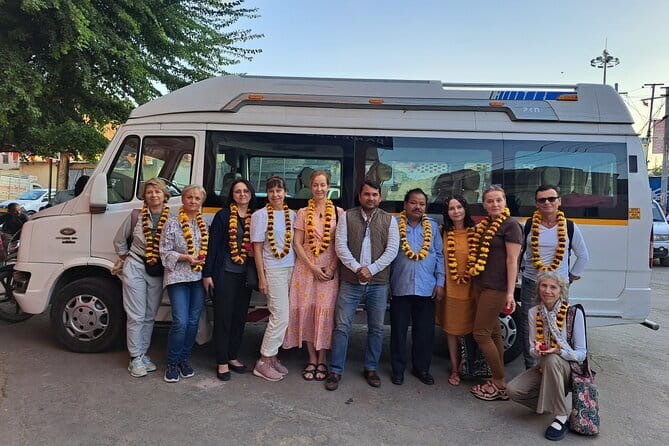
- Private group tour: only your party, so the pace and questions stay yours
- Government-certified guide: history with names, stories, and practical on-the-ground help
- Sunrise Taj Mahal: early light for the most iconic view of the trip
- Old Delhi by rickshaw: Chandni Chowk’s lanes plus Jama Masjid in the same flow
- Ranthambore safari included: a full day built around spotting tigers and other wildlife
Delhi’s major landmarks: India Gate, Parliament area, Qutub Minar, Lotus Temple
You’ll start in Delhi with a classic lineup: India Gate, a drive-by of the Parliament House area, Qutub Minar, and the Lotus Temple. It’s a good first day because you get the city’s “big picture” right away, then you move into the markets and Mughal sights later.
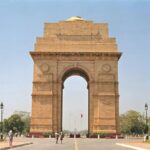
India Gate is worth a slow stroll even if you’ve seen photos. The memorial vibe is respectful and calm, and it’s easy to take a few photos without feeling like you’re fighting crowds for every angle. Admission is free here, which helps you keep the day moving without extra ticket stops.
From there, you’ll ride past the Parliament House and see Rashtrapati Bhavan from the road. Even with just a drive-by, the scale and positioning make it feel like you’re looking at how modern India presents itself. It’s also an easy way to “read” the city before you start walking more.
Next is Qutub Minar, a UNESCO site and one of Delhi’s most iconic towers. This is where the tour earns its keep: you get a real landmark with intricate carvings and a long historical thread going back to the 12th–13th century era. One consideration: Qutub Minar entrance fees are not included, so you’ll want cash/card ready for the ticket.
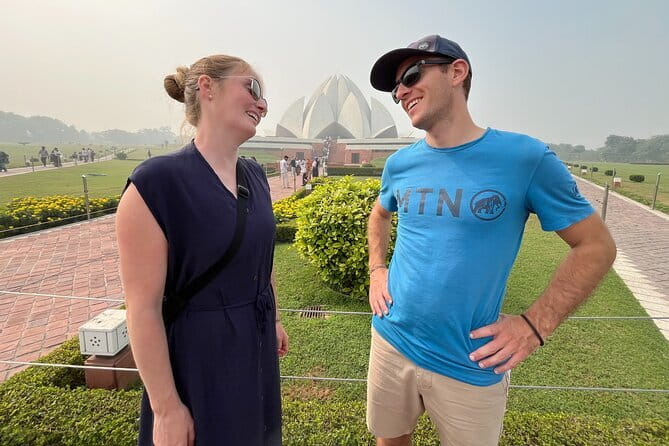
You’ll finish the day at the Lotus Temple, a Bahá’í House of Worship with a flower-like shape that feels peaceful right away. The atmosphere is usually quiet and reflective, and it’s a smart contrast after older, more political architecture. Here, entry is free.
You can also read our reviews of more tours and experiences in New Delhi



Old Delhi on foot and by rickshaw: Chandni Chowk to Jama Masjid
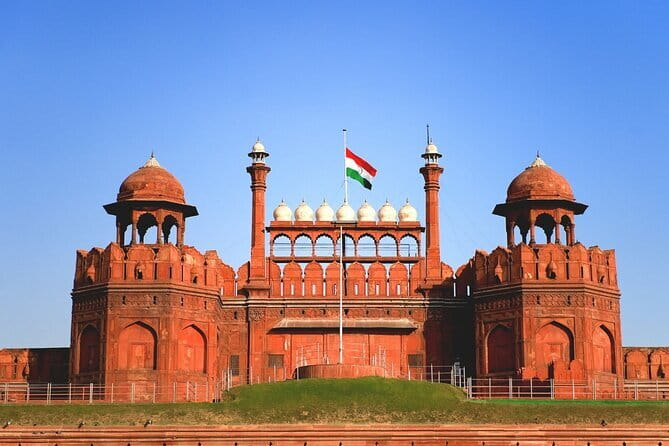
Day two shifts gears into Old Delhi. You’ll hit Red Fort, then ride through Chandni Chowk by rickshaw, and wrap with Jama Masjid. This is the section of the trip where you’ll feel daily life more than imperial history.
Red Fort is a must for understanding Mughal power and how the city was organized. Even if you don’t go deep into every hall, the scale and walls change how you see the rest of the Mughal-era stops. Red Fort’s monument entry isn’t included, so budget for that ticket.
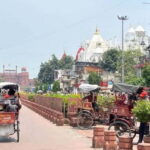
Chandni Chowk is where the energy lives. The rickshaw ride matters because you’re not walking every lane at full speed—you’re getting a guided “route” through the tight market grid. The time window is short, so you’ll want a quick strategy: pick 1–2 things you want (spices, sweets, textiles, small souvenirs) instead of trying to do everything.
Jama Masjid lands as a big visual and spiritual stop after the market. It’s one of the largest mosques in India, built by Shah Jahan, and the architecture is exactly the kind of thing that makes a guided explanation worth it. Admission is free, and you may have a bit of time for panoramic views if the schedule allows.
The Agra transfer: using travel time wisely after Old Delhi
After Old Delhi, you’ll drive to Agra for a hotel check-in, with about 3–4 hours on the road. This is one of those “normal but important” parts of the trip: the schedule doesn’t try to squeeze in extra monument hours when you still have a long transfer ahead.
A practical note: when tours pack a lot into one day, the saving grace is knowing when you actually get downtime. Here, you do get hotel time in Agra, which makes the sunrise Taj Mahal feel less like a punishment and more like a payoff.
Meals aren’t included on this tour, so you’ll be making your own choices in Agra. I’d plan a simple meal plan around your energy—something quick near your hotel on arrival, then a calm dinner later. Bottled water is included, which helps during long city and transfer days.
Sunrise Taj Mahal and Agra Fort: seeing Mughal romance and power
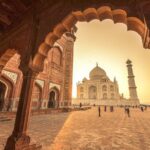
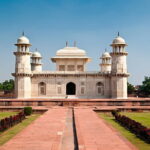
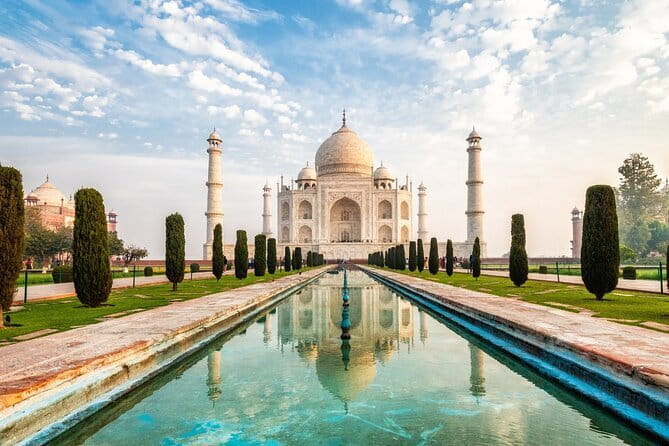
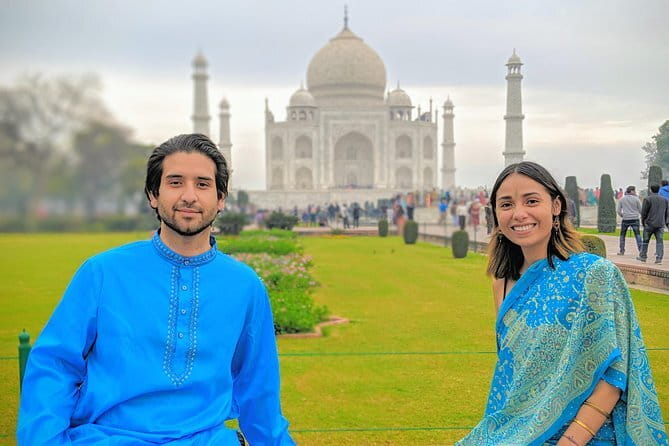
Day three is built around one of the most famous places on Earth: the Taj Mahal at sunrise. Sunrise isn’t just for the photos. It’s also a practical way to experience the site before the day gets hot and busy, and the light changes how the marble looks stone by stone.
The Taj Mahal entry fee is not included, so factor that into your budget. Still, the time slot is one of the reasons this tour is popular: you get a strong viewing experience without waiting until late morning.
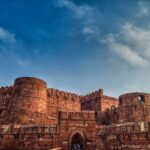
After Taj Mahal, you’ll explore Agra Fort. This UNESCO-listed fortress gives you the other side of the story: not love and legend, but the Mughal empire’s living power—courtyards, palaces, and mosques inside a stronghold. Like the Taj, Agra Fort entry isn’t included.
This pairing works well because it turns the Taj Mahal from a standalone beauty into part of a larger political world. It’s also a mentally efficient day: same city, same era, and everything feels connected.
Fatehpur Sikri en route to Jaipur: Buland Darwaza and an abandoned city’s scale
On the way to Jaipur, you’ll stop at Fatehpur Sikri, an abandoned Mughal city and UNESCO site. It’s one of those places where the “wow” isn’t only the buildings—it’s the idea of a grand city left behind.
The highlights you’ll likely focus on include well-preserved palaces and mosques, plus the impressive Buland Darwaza. You’ll have guided narration to connect the dots, which matters here because the site can otherwise feel like a set of ruins without a storyline. The stop is timed at about 1.5 hours, so you’ll get the big elements rather than trying to do everything.
Then you’ll continue to Jaipur and check in for the night. The drive time plus the site visit means you’ll want a little patience with the pace. The good news: once you arrive, the next day is where you’ll slow down and really enjoy Jaipur’s architecture and markets.
You can also read our reviews of more tours and experiences in New Delhi






Jaipur icons in a single run: Hawa Mahal, City Palace, Jantar Mantar
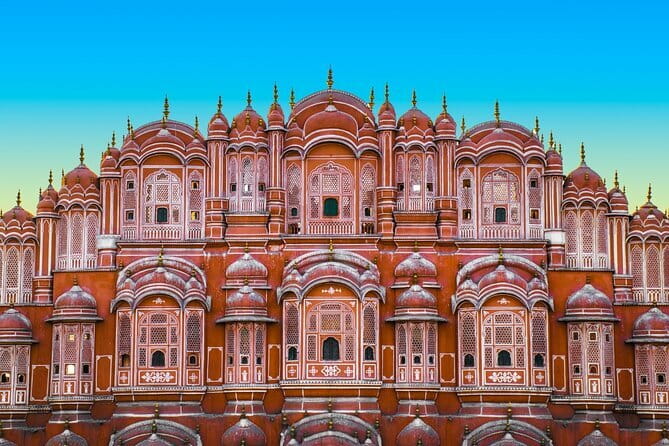
Jaipur is the “pink city” section of the tour, and it’s packed with landmarks that are hard to ignore. You’ll see Hawa Mahal (Palace of Wind), City Palace, and Jantar Mantar in one flow—each offering a different lens on royal life and design.
Hawa Mahal is the one that looks like a lace crown on the skyline. It was built in 1799 for royal women to observe daily life, and the 953 lattice windows are the kind of detail you can’t fully appreciate from afar. Entry fee is not included, so budget for that ticket ahead of time.
City Palace follows, and it’s a bigger, more complex experience than Hawa Mahal. You’ll spend time in the palace complex with royal artifacts, costumes, and architecture. Again, City Palace entry isn’t included, so this is a day where tickets can add up if you don’t plan.
Then comes Jantar Mantar, a UNESCO World Heritage Site and an 18th-century astronomical observatory. This is where Jaipur stops feeling only decorative. It’s science-meets-empire, built in an era when astronomy wasn’t a niche interest—it was state knowledge. Entry isn’t included here either, so you’ll want to handle tickets smoothly.
This trio is efficient, but it’s also a lot of standing and looking. If you like explanations, it’s great because the guide can connect the dots: royal aesthetics, royal power, and royal knowledge systems.
Jaipur markets and shopping: Johari, Tripolia, and Bapu Bazaars
The tour makes room for shopping time in Jaipur, which is smart because Jaipur is one of India’s most reliable places for crafts and jewelry. You’ll get an optional market visit in the middle of the sightseeing block, and then a dedicated shopping run at the end.
Johari Bazaar, Tripolia Bazaar, and Bapu Bazaar are named stops, so you know you’ll be in shopping areas rather than generic “time to wander.” Expect lots of jewelry, textiles, handicrafts, and pottery. The tour is clear that shopping is optional, so you can keep it casual if you’re not buying.
I like this setup because you get two chances to shop without forcing it into one rushed moment. If you find something you like on day four, you can decide later if you want it after seeing more options. Your guide can also help you manage timing so you don’t lose the day to bargaining fatigue.
A small human detail from past guide experiences: Mukhesh (sometimes spelled Murkesh) was praised for making history feel personal and giving interactive, story-rich explanations. Busquets was also mentioned as a recommended guide option who helped everything feel smooth and organized. I can’t promise you’ll get either person, but it’s a sign of what to look for in a guide: someone who listens and doesn’t push you into their own agenda.
Ranthambore Tiger Safari: a full wildlife day with real spotting energy

Now for the reason many people book this tour: Ranthambore Tiger Safari. This is the wildlife day, scheduled at about 6 hours, with the safari admission included.
Ranthambore is known for tigers, and the tour also highlights other wildlife you might see: leopards, deer, and exotic birds. Here’s the honest part: wildlife spotting isn’t controlled. What you can control is your mindset and readiness—bring patience, stay alert, and follow the guide’s instructions closely while you’re in the safari vehicle.
The tour’s structure helps because it gives you a full block of time for the safari, rather than treating it as a quick photo stop. That matters because tiger sightings, when they happen, can depend on factors you can’t predict. Still, even if you don’t see a tiger every minute, the mix of birds and other animals can make the hours feel worthwhile.
After the safari, you’ll drive back to Jaipur for an overnight stay, about a 4-hour transfer. That’s a long return day, so don’t plan anything ambitious besides checking in, eating, and resting.
What this tour includes, and what you still need to budget for
This is where the value math gets clearer.
Included items:
- Hotel/airport/railway station pickup and drop-off
- AC transportation for sightseeing
- Fuel, parking, tolls, and interstate taxes
- Bottled water
- Government taxes (GST)
- A government-certified guide for the entire tour
- Ranthambore tiger safari included
- Mobile ticket
Not included:
- Hotel accommodation for your overnights in Agra and Jaipur
- Monument entrance fees (several major sites have tickets)
- Meals and beverages
- Personal purchases like souvenirs
- Insurance
The price is listed at $381.95 per person. That sounds good until you add the two biggest extras: hotels and monument tickets. If you already like to travel with a guide and want AC transfers plus a safari ticket, the base price looks like it’s doing real work. If you’re on a tight budget and plan to DIY most of your transportation and entrances, you’ll likely feel the add-ons more.
My practical advice: before you book, make a quick checklist of what you’ll pay separately. At minimum, assume you’ll cover hotel nights plus entrance fees for the paid sites like Qutub Minar, Red Fort, Taj Mahal, Agra Fort, Hawa Mahal, City Palace, and Jantar Mantar. Even though several stops are free, those paid ones are the big-ticket items.
Who should book this 6 days Golden Triangle + Ranthambore safari?
This tour fits best if you want guided history with a real wildlife day, without managing the day-to-day logistics yourself.
You’ll probably enjoy it if:
- You like the Golden Triangle cities but want fewer “how do I get there” headaches
- You want a private experience with a guide who can adjust to your questions
- You care about seeing the Taj Mahal early (sunrise timing)
- You want Ranthambore built into the schedule rather than added as an afterthought
You might think twice if:
- You don’t want to pay monument entrances on top of the tour price
- You’re hoping meals and hotel are included (they aren’t)
- You’re only interested in one kind of experience (pure wildlife or pure history), because this is mixed by design
Final verdict: should you book?
I’d book this tour if you’re excited by the combination of Mughal-era landmarks, Old Delhi street energy, Jaipur’s architectural hits, and a dedicated Ranthambore safari day. The biggest strength is that it’s guided and organized, so your time turns into real experiences instead of constant planning.
But go in with a budget mindset. The base price covers a lot (guide, AC transport, safari, water), yet hotels, meals, and many monument entry fees are on you. If that math works for your travel style, this is a strong, practical way to do the Golden Triangle with a tiger safari that’s actually part of the plan.
FAQ
Is hotel accommodation included for the overnight nights?
No. Hotel accommodation is not included, so you’ll need to arrange lodging for your nights in Agra and Jaipur.
Are monument entrance fees included?
No. Monument entrance fees are not covered, so you should expect to pay tickets for some major sights.
Are meals included?
No. Lunch, dinner, and additional snacks are not included.
Is the Ranthambore tiger safari included?
Yes. The Ranthambore Tiger Safari is included in the tour.
Is this a private tour?
Yes. It’s a private tour, and only your group will participate.
Do you provide pickup and drop-off?
Yes. Pickup and drop-off are offered from hotels, airports, or railway stations.
What kind of transportation is used?
The tour uses an AC transportation vehicle for sightseeing, and it includes fuel, parking, toll taxes, and interstate taxes.
Do I get mobile tickets?
Yes. Mobile ticket delivery is included.
What if I need to cancel?
Free cancellation is offered. You can cancel up to 24 hours in advance for a full refund; within 24 hours, the paid amount is not refunded.