REVIEW · NEW DELHI
4-Days Private Golden Triangle Delhi, Agra & Jaipur Tour – All Inclusive
Book on Viator →Operated by Agra Day Tour Packages · Bookable on Viator
Sunrise at the Taj is hard to beat. This private Golden Triangle tour strings together Delhi, Agra, and Jaipur with a guided Taj Mahal sunrise, so the big sights land when they matter most.
I like the mix of world-famous monuments and street-level moments, especially the old Delhi rickshaw ride after Jama Masjid. With stops like Raj Ghat and Bangla Sahib guided in plain language, you get context fast, not just photos.
One thing to plan for: monument entry fees are not included, even if some stops show as admission-free on the schedule. Also, the days are full, with a long drive portion between Delhi and Agra.
In This Review
- Key highlights at a glance
- Golden Triangle in 4 days, and why the timing matters
- Day 1 in Old Delhi: Jama Masjid, rickshaw, Raj Ghat, and Bangla Sahib
- Night drive to Agra and how to handle arrival fatigue
- Day 2: Taj Mahal sunrise guided tour, then Agra Fort and the road toward Jaipur
- Day 3 in Jaipur: Amber Fort guided, Jal Mahal photos, Hawa Mahal, City Palace, and Jantar Mantar
- What you actually get included, and what you should budget for
- Private guiding makes a difference in real life
- Comfort and practicality: transfers, timing, and what to pack
- Should you book this 4-day private Golden Triangle tour?
- FAQ
- How long is the tour?
- What time does the tour start?
- Is pickup from the airport or hotel included?
- Is this tour private?
- What kind of hotel does the tour include?
- Are meals included besides breakfast?
- Are monument entry fees included?
- Does the tour include a rickshaw ride in Old Delhi?
- Do I need to provide passport details at booking?
- What is the cancellation policy if I need to change plans?
Key highlights at a glance
- Taj Mahal sunrise guided tour for the iconic view with calmer crowds
- Old Delhi rickshaw ride tied directly to Jama Masjid
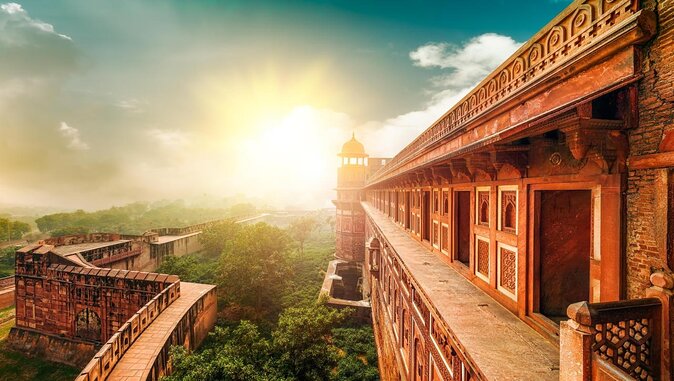
- Agra Fort + Mughal-era craft time instead of only rushing from one photo to another
- Amber Fort private guide plus quick photo breaks at Jal Mahal and Hawa Mahal
- 3 nights in a 4-star category hotel with breakfast
- Professional guiding that helps you move efficiently and get better photos, with guides such as Mohammed Chand and Arbab mentioned for their picture skills and pacing
Golden Triangle in 4 days, and why the timing matters
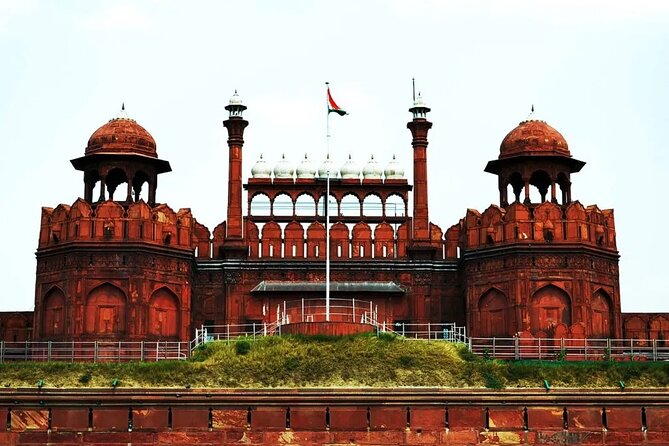
This is a classic India “starter pack,” but it’s built like a useful sprint. You’re not doing a half-day here and there and calling it sightseeing; you’re moving through Delhi, Agra, and Jaipur on a schedule designed around the most important highlights.
The payoff is simple: you see the Taj Mahal without wasting a random afternoon there. Sunrise timing usually gives you softer light and a calmer feel. You also get old Delhi morning energy—mosque, memorial, and temple areas—before the trip shifts gears to Agra and then the Pink City.
The second reason I like this format is that it’s guided throughout. You’ll have a professional guide for the city/monument context and a driver to keep the logistics from eating your day. That matters on a short trip. In a place like India, getting where you need to be is often half the battle.
You can also read our reviews of more private tours in New Delhi
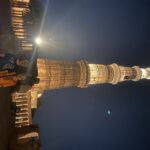
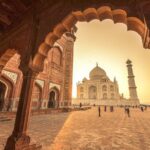
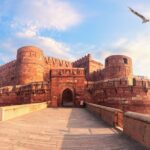
Day 1 in Old Delhi: Jama Masjid, rickshaw, Raj Ghat, and Bangla Sahib
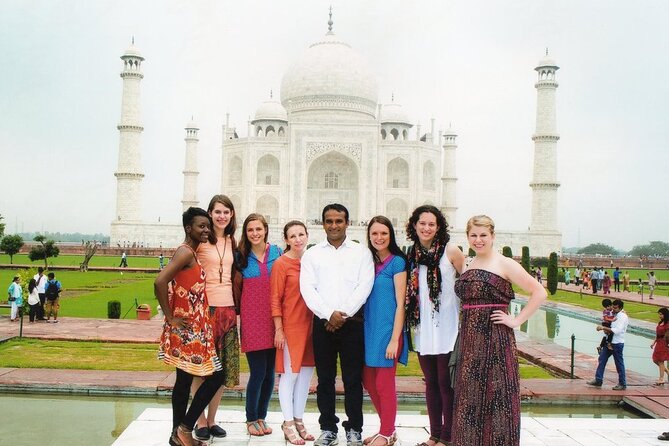
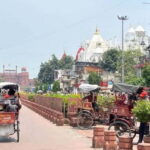
Day 1 is a strong opening because it tackles different sides of Delhi without pretending they’re the same thing. You start with Jama Masjid, described as the biggest mosque in India. You’ll get time inside and around the area, and then you shift into old Delhi on a rickshaw ride. That little change of pace is more than a fun transport moment. It’s a quick way to feel the scale and energy of the lanes surrounding major monuments.
Next come Raj Ghat and Mahatma Gandhi’s memory spot. This stop is short, but it’s valuable because it gives you a reference point for modern India beyond the monuments. If you’ve ever felt like sightseeing can flatten history into buildings, a place like Raj Ghat helps you reconnect the story to real people.
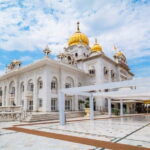
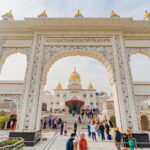
After that, Bangla Sahib rounds out the day with a Sikh temple visit. The schedule explicitly notes that your guide will brief you about Sikhism, which helps you see what you’re looking at instead of treating the place like another photo backdrop. Gurudwara spaces often have their own rhythms, so having an explanation beforehand makes the visit more comfortable.
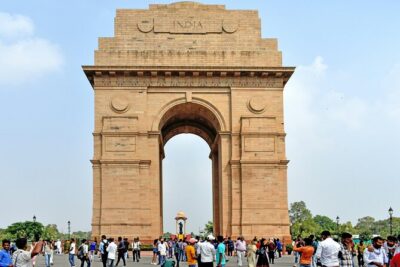
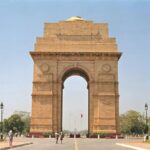
Then you finish with India Gate, a war memorial and a major photo stop. A drive pass by the President House is included too. Finally, you’re taken to Lotus Temple, known for its Bahai faith architecture. The description notes it resembles an Opera House style, and that’s the kind of visual detail you’ll appreciate when you see it in person.
By evening, you’re driven toward Agra on an expressway route. Even without exact timing on the driving distance, this is clearly set up as a late-day transition, so you’ll want to keep your expectations realistic for Day 1 energy.
Practical tip: wear comfortable shoes. You’re doing multiple stop-and-walk segments, and the day starts early.
Night drive to Agra and how to handle arrival fatigue
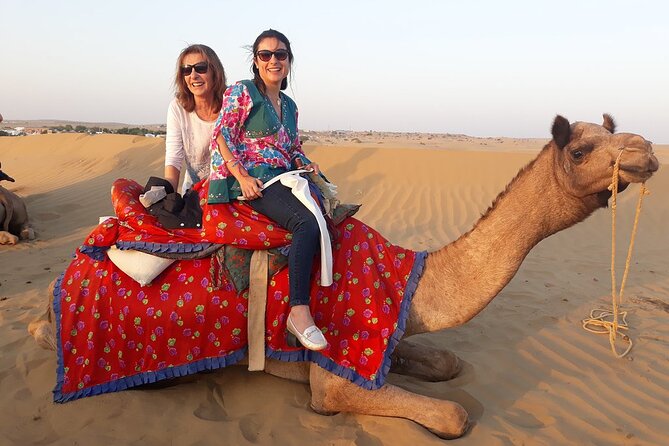
You’re not sightseeing in Agra the entire first night, but the transfer is part of the experience design. The tour reaches Agra in the evening after the Day 1 drive.
That means your strategy should be simple: sleep, hydrate, and don’t over-plan an extra evening activity. If you want good sunrise results on Day 2, your body needs rest more than another quick stop.
The good news is that you’re staying in a 4-star category hotel for three nights total, with breakfast included as part of the package. That’s helpful for a tight itinerary because you’re not scrambling to find meals or transportation on your own between monuments.
If you’re sensitive to motion or long drives, it’s worth bringing water and a small snack. Food and drinks are not included unless specified, and that can become a real issue when you’re hungry after a long day.
Day 2: Taj Mahal sunrise guided tour, then Agra Fort and the road toward Jaipur
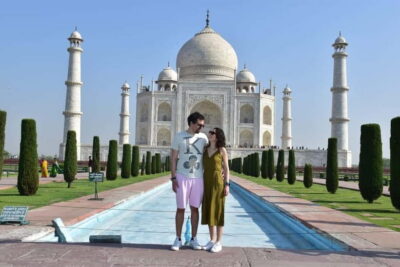
Day 2 is the centerpiece day. You leave early for a guided Taj Mahal tour at sunrise time. The schedule says early morning and sunrise specifically, and that’s the difference between simply seeing the Taj and experiencing it with good light and timing.
Even when you’ve seen photos before, Taj Mahal works best when your brain can slow down and absorb details. Having a guide matters here because you don’t need to hunt for what to notice. A guided sunrise visit also reduces the chaos of figuring out tickets, routes, and where to stand for views.
After the Taj Mahal visit, you return to the hotel for breakfast. That’s a nice reset because sunrise sightseeing can be surprisingly tiring. It’s also one of those built-in pacing choices that helps you keep the rest of the day from feeling rushed.
Agra Fort follows. The tour description suggests you’ll check out and then proceed to Agra Fort, with time after lunch to explore local art and crafts from the Mughal era. That craft time is a useful break from monument-only sightseeing. It gives you something hands-on and a chance to see how the region’s artistic traditions show up in real items, not just in palace walls.
Then you travel from Agra to Jaipur via Fatehpur Sikri and arrive by around 7–8 PM. The exact time can vary with traffic, but the point is clear: you’ll get the historic route and still make it to Jaipur for an overnight stay.
Practical tip: Fatehpur Sikri is included as a driving route stop (part of the way). If you care about visiting it deeply, ask your guide how much time you’ll realistically get.
Day 3 in Jaipur: Amber Fort guided, Jal Mahal photos, Hawa Mahal, City Palace, and Jantar Mantar
Jaipur is set up as a “best of” day—Fort, landmarks, and a science monument—so you end with a full sense of the city’s signature sights.
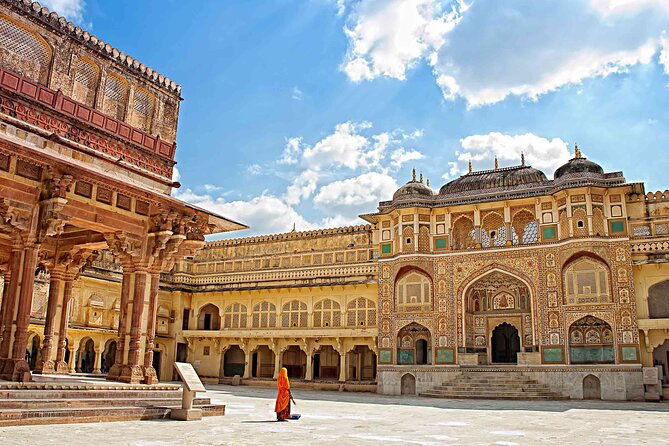
Your morning starts with breakfast and then the drive to Amber Fort. The schedule highlights a private guided tour of Amber Fort. This is one of the key reasons to pick a private format here. Forts are easy to rush through if you’re on your own. With a guide, you’re more likely to understand what you’re seeing and why it was built the way it was.
After Amber Fort, there’s a quick photo stop at Jal Mahal. It’s short, but it’s included for a reason: you get the iconic image moments without spending your entire afternoon in a single place.
Then you hit Hawa Mahal for another photo stop. Again, it’s brief, but Hawa Mahal is a landmark you’ll recognize instantly. If you’ve studied photos before, this is the moment where the building shape stops being abstract and becomes real.
Next is City Palace, which now houses the Maharaja Sawai Man Singh II Museum and continues to be associated with the royal family. The schedule notes it includes galleries/courtyards/restaurants and mentions the museum, so you can expect a mix of palace architecture and exhibit-style context. The time shown looks brief, so focus on the big courtyards and main areas rather than trying to do everything.
Finally, you finish with Jantar Mantar, described as a collection of nineteen astronomical instruments built by Sawai Jai Singh II and completed in 1734. If you want a day that includes more than fort walls and palace facades, this is your counterbalance. It turns the trip from “places to look at” into “places to understand.”

What you actually get included, and what you should budget for
This tour’s value is strongest in the “day management” pieces. You’re paying for three nights in a 4-star category hotel with breakfast, a professional guide, pickup offered, a rickshaw ride through old Delhi, and all taxes/fees/handling charges with GST. You also get a mobile ticket, which is convenient if you don’t want to carry paper documents.
The price listed is $440.00 per person. For a private Golden Triangle with a guide, hotel nights, and intercity transfers, that can be reasonable—especially if you’re comparing it to booking hotels, local drivers, and separate guided tickets one by one.
But here’s the part I want you to plan around: monument entry fees are not included. The itinerary shows some stops as admission ticket free, like Raj Ghat and certain photo stops, but the package explicitly flags entry fees as not included. That means your final cost depends on which parts of each site require paid access.
Food and drinks are also not included unless specified. You’ll be grateful for that detail once you’re hungry between stops. If your budget is tight, set aside a daily amount for meals. If your budget is flexible, use the guide’s restaurant suggestions—just know some recommended places can be a bit pricey.
Private guiding makes a difference in real life
A private tour doesn’t just mean quieter. It usually means better flow.
You’ll likely benefit from guides who can adjust pacing. Names tied to this kind of service include Mohammed Chand (paired with driver Aakash) and Imran, plus guides like Arbab and Bhavani Singh mentioned for being patient and good at getting the timing right. The common thread is picture-friendly support—help with where to stand, when to move, and how to frame key views.
On a Golden Triangle itinerary, timing can be everything. Taj Mahal works best when you’re there with the early light. Forts and palaces work best when you aren’t sprinting between gates. Having a guide reduces the stress of ticket lines and gives you context so the architecture becomes more than a checklist.
If photography is a priority, this kind of guidance is worth it. Even simple help like advising better angles at Jal Mahal or Hawa Mahal can save you from ending up with the same generic shot everyone posts.
Comfort and practicality: transfers, timing, and what to pack
This is a short-trip plan. That’s exciting, but it does come with a reality check: you will spend time in the car. Day 1 ends with an evening drive to Agra, and Day 2 transitions to Jaipur by late evening. Day 3 is then a full sightseeing day within Jaipur.
With pickup offered and a start time noted as 9:00 am, the schedule likely runs like a professional operation: early mornings, efficient sightseeing blocks, and hotel-based breaks. That’s great if you like structure. If you want “wander and see what happens,” you might feel it’s a little scheduled.
What to pack:
- Comfortable walking shoes for forts and temple areas
- Sun protection for outdoor photo stops like Hawa Mahal and Jal Mahal views
- A light layer for early morning Taj Mahal sunrise timing
- Credit/debit cash for monument entry fees and meals, since food and drinks aren’t included
Also, you’ll need to provide passport name, number, expiry, and country for booking. Even if you’re only visiting major sites, the paperwork requirement is part of how the tour is run.
Should you book this 4-day private Golden Triangle tour?
Book it if you want a high-impact Golden Triangle with a real guide, comfortable hotel nights, and transport handled for you. This is a strong choice for first-timers who want to see the Taj Mahal sunrise moment, get Old Delhi flavor with a rickshaw ride, and still cover Jaipur’s major sights in one day without scrambling.
Skip or modify it if you hate tight schedules, dislike long driving windows, or assume monument entry fees and meals are fully covered. The itinerary can feel full by design, and your total spending will depend on which admissions you choose at each site.
If you like your travel structured and your photos worth the effort, this tour fits. If you want slow travel and lots of free time, you may find the pace a bit intense for a short trip.
FAQ
How long is the tour?
The tour is scheduled as about 3 days (approx.), with 3 nights of accommodation included.
What time does the tour start?
The start time is listed as 9:00 am.
Is pickup from the airport or hotel included?
Yes. Pickup is offered from the airport or hotel by the guide or driver.
Is this tour private?
Yes. It’s a private tour/activity, and only your group will participate.
What kind of hotel does the tour include?
It includes 3 nights in a 4-star category hotel with breakfast.
Are meals included besides breakfast?
Food and drinks are not included unless specified. Breakfast is included, and the package also lists Breakfast (2).
Are monument entry fees included?
No. Entry fee of monuments is listed as not included.
Does the tour include a rickshaw ride in Old Delhi?
Yes. A rickshaw ride at old Delhi is included.
Do I need to provide passport details at booking?
Yes. Passport name, number, expiry, and country are required at time of booking for all participants.
What is the cancellation policy if I need to change plans?
You can cancel up to 6 days in advance for a full refund. If you cancel 2–6 days before, the refund is 50%. If you cancel less than 2 days before, the amount paid is not refunded.