REVIEW · NEW DELHI
4-Days Private Golden Triangle Tour: Delhi, Agra & Jaipur by Car
Book on Viator →Operated by Keeper Landwey · Bookable on Viator
Golden Triangle for people who hate rushing. This private car tour strings together Delhi, Agra, and Jaipur with guides in each city and enough built-in flexibility to breathe. I especially like the early start for the sunrise Taj Mahal day and the Old Delhi switch-up with a tuk-tuk ride that saves your feet. The one thing to watch: monument entrance fees are listed as extra, so your final budget is higher than the headline price.
What really makes this work is the rhythm. You get hotel pickup and drop-offs, a professional chauffeur, bottled water along the way, and a plan that balances big-name sights with a few “how is this so old” moments like Agrasen ki Baoli and the Baby Taj.
In This Review
- Key things I’d clock before you go
- Golden Triangle by private car: why 4 days works
- Price and what you pay extra for (entrance fees, tips, hotels)
- Day 1 in Delhi: Qutub Minar, Lotus Temple, and Old Delhi markets
- Qutub Minar and the Bahá’í Lotus Temple
- Passing by Red Fort, Parliament, and the Lutyens area
- Agrasen ki Baoli and Humayun’s Tomb
- Old Delhi lunch break and the market run (Chandni Chowk, Jama Masjid, Khari Baoli)
- Late day: drive to Agra and hotel drop-off
- Day 2 in Agra: Taj Mahal sunrise, Agra Fort, and the Baby Taj pace
- Taj Mahal timing note: closed every Friday
- Agra Fort and Itmad-ud-Daulah (Baby Taj)
- A meal break that’s actually useful
- Day 3 in Jaipur: Jaigarh, City Palace, Jal Mahal, Hawa Mahal, and Jantar Mantar
- Jaigarh Fort: walls over the Aravalli hills
- City Palace: the heart of the old kingdom
- Jal Mahal: quick, pretty, and easy on the schedule
- Hawa Mahal: the wind palace from the outside
- Jantar Mantar: the UNESCO observatory finish
- Day 4 back to New Delhi: drive time and a useful airport option
- Guides and comfort: what the private setup feels like in real life
- Practical tips: ID, Fridays, and how to keep the day from feeling rushed
- Should you book this Golden Triangle tour by car?
- FAQ
- What’s included in the tour besides transport?
- Do I need to pay monument entrance fees?
- Is the Taj Mahal visit really early?
- Is the Taj Mahal ever closed?
- Where do you pick me up in the Delhi area?
- What hotels are available?
- Can I get dropped off at Jaipur Airport instead of returning to Delhi by the end?
- What are the cancellation terms?
Key things I’d clock before you go
- Private, just-for-your-party car with a professional chauffeur, plus hotel/airport pickup and drop-off
- Old Delhi by tuk-tuk to make the tight-market lanes easier to handle
- Taj Mahal sunrise timing plus a battery van ride from parking to the gate
- City-by-city guiding (you’ll meet different local guides in Delhi, Agra, and Jaipur)
- Clear schedule, but room to flex since it’s a private tour
- Hotel upgrades possible (3-, 4-, or 5-star with breakfast), with notes on twin-sharing
Golden Triangle by private car: why 4 days works
The Golden Triangle is the classic India route for a reason. In four days, you’ll hit Delhi’s major monuments, Agra’s two Mughal highlights, and Jaipur’s forts-and-palaces lineup without spending half your time figuring out transport.
You’re doing it by private vehicle, and that matters. Between Delhi traffic and the short distances that aren’t short at all in real life, having a chauffeur who handles the driving keeps your day more about the sights than the logistics.
You can also read our reviews of more private tours in New Delhi



Price and what you pay extra for (entrance fees, tips, hotels)
Listed price is $171 per person, but the trip doesn’t claim to be “all-inclusive.” Entrance Fees to Monuments are listed as $70 per person and tips/gratuities aren’t included. So I’d budget around $241 per person for core entrances, then add what you’d tip your driver and guides.
Hotel costs can change the feel of the tour. The tour offers upgrades to 3-, 4-, or 5-star hotels with breakfast, but rooms are generally twin-sharing. If your group has 3 people and you want 2 rooms instead of triple-sharing, the operator notes an extra charge may apply.
Also, keep an eye on timing around the calendar. December 24th and 31st are blackout dates, and a mandatory gala dinner is required with an additional cost of $99 per person if you book accommodations then.
Day 1 in Delhi: Qutub Minar, Lotus Temple, and Old Delhi markets

Your day starts with pickup from anywhere in Delhi, Noida, Gurugram, Ghaziabad, or Faridabad, with a pick-up window from 7 AM to 11 AM. That flexibility is helpful if you’re coming in from another city or just want a later start.
Qutub Minar and the Bahá’í Lotus Temple
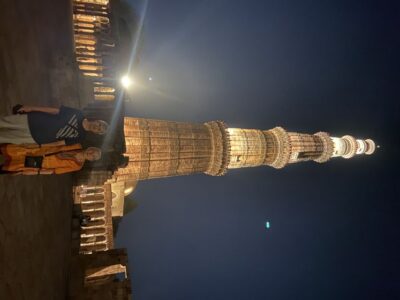
Qutub Minar is your first major UNESCO stop. It’s a tall, carved reminder of how early monumental architecture took shape here, built in 1193 by Qutub-ud-din Aibak.
Then you shift gears to the Lotus Temple, finished in 1986. It’s known for its striking flower-like design and it’s open to visitors of all faiths, which makes it a nice “reset” after the older stone textures.
Passing by Red Fort, Parliament, and the Lutyens area
You’ll pass by Red Fort, built by Shah Jahan (1639–1648). You’re not doing the full interior tour on this day, but you still get the scale and the Mughal-era vibe from the outside.
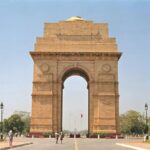
You also pass by key New Delhi landmarks like the Parliament House and the Lutyens-designed government district (described here as 330 acres, with Edwin Lutyens and Herbert Baker credited for building much of the city’s core). This is a good way to get bearings fast if it’s your first time in Delhi.



Agrasen ki Baoli and Humayun’s Tomb
Agrasen ki Baoli is one of those stops that can feel otherworldly in the middle of a city. It’s an ancient stepwell with a more eerie, legend-linked atmosphere, and it gives you a break from the big crowds you might hit later in Old Delhi.
Humayun’s Tomb is next, and it’s a UNESCO World Heritage Site that’s often described as India’s first garden tomb. Even if you just skim the details, the layout and Mughal style make it a strong “why Delhi is special” moment.
Old Delhi lunch break and the market run (Chandni Chowk, Jama Masjid, Khari Baoli)
After a pause in Connaught Place for food recommendations, you head into Old Delhi. Chandni Chowk is the big market spine, with stalls for spices, dry fruits, jewelry, and saris in tight lanes.
Then you see Jama Masjid, listed as India’s largest mosque, built in 1656 with large-scale labor. Khari Baoli follows as Asia’s largest wholesale spice market, which is perfect if you want sensory overload without needing a shopping mission.
One smart practical detail: the tour includes a tuk-tuk ride in Old Delhi. If you’ve ever tried to walk these lanes while staring at everything, you’ll appreciate the break.
Late day: drive to Agra and hotel drop-off
At the end of the day, you drive to Agra and get dropped at your hotel. That matters because it protects your next morning for the Taj Mahal sunrise plan.
Day 2 in Agra: Taj Mahal sunrise, Agra Fort, and the Baby Taj pace
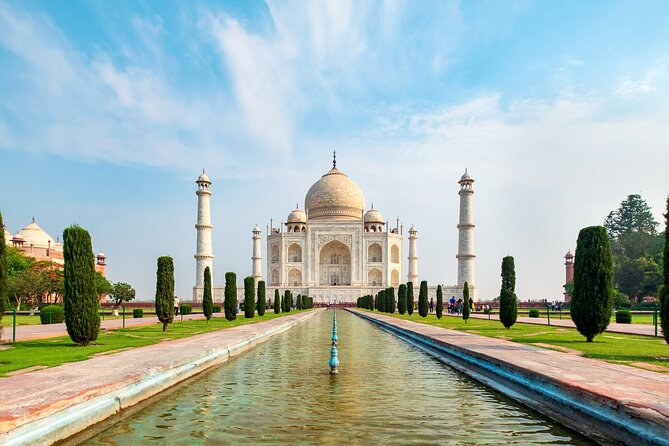
Day 2 is structured for one goal: get you to the Taj Mahal when the light is best. The schedule calls for an early morning sunrise visit, with the Taj Mahal described as Shah Jahan’s 17th-century white marble mausoleum.
There’s also a battery van ride included from the parking area to the gate. It’s a small thing, but in Agra heat (and with early-morning walking), it saves energy and makes the experience smoother.
Taj Mahal timing note: closed every Friday
Important: the Taj Mahal is closed every Friday. That means if your dates land on a Friday, you’ll need to confirm how your operator handles it since the plan explicitly calls for a sunrise Taj day.
Agra Fort and Itmad-ud-Daulah (Baby Taj)
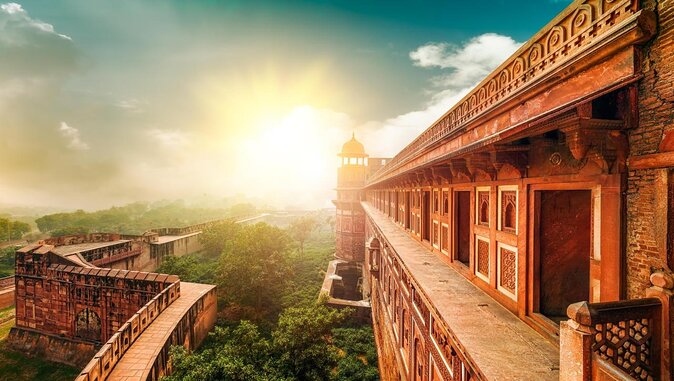
After the Taj, you move to Agra Fort (UNESCO). It’s a mix of courtyards, palaces, and pavilions, with Indian and Islamic architectural styles mentioned in the tour notes.
Then you hit Itmad-ud-Daulah, often called the Baby Taj. It’s described as the first Mughal monument entirely in white marble and known for intricate pietra dura inlay work. This stop is usually less frantic than the main Taj, so it’s a good moment to slow down and look at details.
A meal break that’s actually useful
There’s a pause for Agra local cuisine with your guide recommending restaurants. Meals aren’t included in the itinerary, but this is where having a guide helps you avoid random tourist traps and find something that fits your day.
Then you transfer to Jaipur and drop off at your pre-booked hotel for the night.
Day 3 in Jaipur: Jaigarh, City Palace, Jal Mahal, Hawa Mahal, and Jantar Mantar
Jaipur day is your “palaces and viewpoints” stretch. The tour starts after breakfast with picks from the hotel, then stacks major stops without long dead time.
Jaigarh Fort: walls over the Aravalli hills
Jaigarh Fort, built in 1726 by Maharaja Sawai Jai Singh II, sits on the Aravalli hills. It’s described as a major fort stop with about two hours allocated, which gives you time to look around instead of just taking a photo and running.
City Palace: the heart of the old kingdom
City Palace is next. It’s in the center of Jaipur and described as a mix of courtyards, gardens, and palace buildings—once the Maharaja’s seat. Plan to spend your time moving slowly here; the space feels layered even when you’re skimming highlights.
Jal Mahal: quick, pretty, and easy on the schedule
Jal Mahal is the palace in the middle of Man Sagar Lake. The tour lists it as about a 30-minute stop and notes it’s a calm spot with picture-friendly views.
Hawa Mahal: the wind palace from the outside
Hawa Mahal (Palace of Wind) is listed as the five-storey, pyramid-shaped red and pink sandstone landmark built in 1799. Even if you only get a limited look, it’s one of those Jaipur icons where you instantly understand why it became a symbol of the city.
Jantar Mantar: the UNESCO observatory finish
Your Jaipur day ends with Jantar Mantar, a UNESCO World Heritage Site and one of the best-preserved ancient observatories. You get about 45 minutes, which is enough time to appreciate the instruments even if you don’t go full science mode.
Then it’s back to the hotel for your final night.
Day 4 back to New Delhi: drive time and a useful airport option
Your final day is mostly transit. You’ll begin the comfortable drive back to Delhi, listed as about four hours.
There’s also an alternative that can be a lifesaver: you can opt for drop-off at Jaipur Airport if it fits your travel plans. If your flight is later in the day, that can help you avoid backtracking across the city.
Guides and comfort: what the private setup feels like in real life
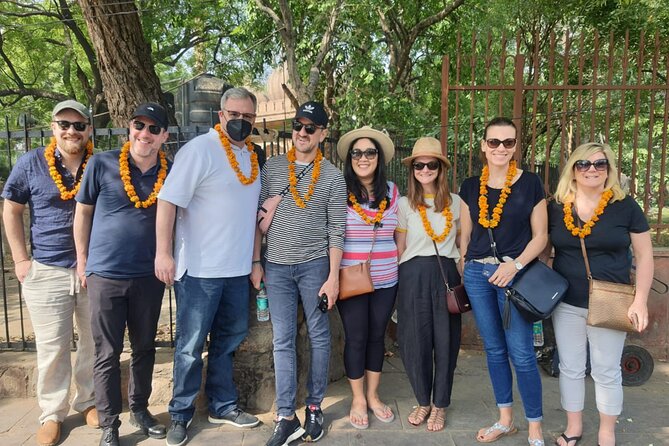
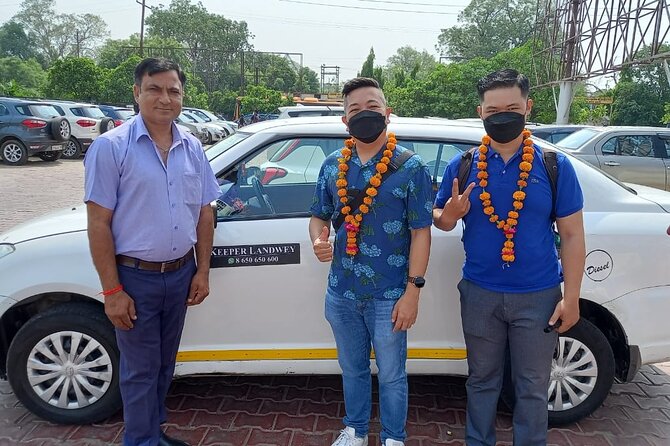
This tour is built around private guiding, and the difference shows up in how the day flows. In the experiences I saw, guides named Zain and Mukul were tied to strong Delhi pacing, while guides like Maahi, Sadiq, Nasir, Aman, and Faizal showed up in Agra and Taj-focused days with clear storytelling and help with photo timing.
The “photo support” theme is common in the feedback pattern, not because it’s gimmicky, but because the Taj and fort areas reward timing. When your guide knows where to stand and when to shift angles, you waste less time hunting for the perfect spot and more time actually looking.
It also helps that you’re not carrying the burden of transport. The tour includes bottled mineral water during journeys, all parking fees, tolls, fuel, and taxes, plus service charges. You can focus on what you came for.
Practical tips: ID, Fridays, and how to keep the day from feeling rushed
A few details from the tour notes are worth taking seriously:
- Bring valid photo ID for monument entry. The tour explicitly asks for it in your mobile.
- Taj Mahal timing: it’s closed every Friday. If your dates include a Friday, double-check the plan.
- If you start on Thursday, your second day will be in Jaipur. That means the order may shift from what you expect, but it’s still within the same 4-day structure.
- Your pickup time window is 7 AM to 11 AM, and the Taj day is early—so plan your first night and your sleep accordingly.
On the ground, the tight schedule can still feel full. My advice: treat this as a highlights tour. If you’re the type who wants long museum reading time or deep shopping hours, you’ll probably want to add extra days in one city.
Should you book this Golden Triangle tour by car?
I think it’s a strong pick if you want the Golden Triangle hits without the stress of trains, transfers, and negotiating entry lines on your own. You’re paying for a private car, city guides, and a plan that gets you to the Taj Mahal at the right time of day—then keeps you moving through Delhi and Jaipur without turning the trip into a daily scramble.
It’s also a good fit if you value comfort and predictability. The included chauffeur, water, parking/tolls, and the tuk-tuk plus battery-van touches are exactly the kind of “small friction removed” perks that matter in India.
Skip or reconsider if your trip dates include a Friday and you’re locked into Taj Mahal expectations without flexibility, or if entrance-fee and hotel costs will feel tight after booking. Also, if you hate early mornings, the sunrise plan will be the hard part.
FAQ
What’s included in the tour besides transport?
The tour includes a private air-conditioned car with a professional chauffeur, hotel/airport pick-up and drop-off in Delhi, Agra, and Jaipur, sightseeing with private government-approved local guides, tuk-tuk ride in Old Delhi, battery van ride at the Taj Mahal from parking to gate, bottled mineral water during journeys, and breakfast (3) if you book the hotel option.
Do I need to pay monument entrance fees?
Entrance fees to monuments are listed as not included, at $70.00 per person. You should plan on paying that on top of the tour price.
Is the Taj Mahal visit really early?
Yes. Day 2 is scheduled as a sunrise visit to the Taj Mahal, and the tour also includes the battery van ride from parking to the gate.
Is the Taj Mahal ever closed?
Yes. The Taj Mahal is closed every Friday.
Where do you pick me up in the Delhi area?
Pickup is offered from anywhere in Delhi, Noida, Gurugram, Ghaziabad, or Faridabad. You can choose any pick-up time between 7 AM and 11 AM.
What hotels are available?
You can upgrade to include accommodation in 3-, 4-, or 5-star hotels with breakfast. Rooms are generally provided on twin-sharing basis.
Can I get dropped off at Jaipur Airport instead of returning to Delhi by the end?
Yes. On Day 4, you can opt for drop-off at Jaipur Airport if it suits your travel plans better.
What are the cancellation terms?
You can cancel for a full refund up to 24 hours in advance of the experience start time. If you cancel less than 24 hours before the start time, the amount you paid will not be refunded.