REVIEW · NEW DELHI
5 Day Golden Triangle with Akshardham Temple-Taj Mahal at Sunrise
Book on Viator →Operated by Joyful Holidays · Bookable on Viator
A 5:45am Taj Mahal changes your whole day. This private Golden Triangle loop pairs Delhi’s big landmarks with Jaipur’s royal sights and Agra’s monuments, with a sunrise Taj moment that’s hard to beat. You also get a calm, practical setup: air-conditioned driving, city guides in each stop, and optional hotel tiers to match your budget.
I like that the format stays flexible. You’re not just dropped off and rushed—you travel by licensed driver in an AC vehicle, and your private group setup means your guide can pace things the way you want.
One thing to consider: the trip price doesn’t include monument fees (listed as $69 per person). Some stops are marked as ticket-free, but not all of the major sights are, so you’ll want to budget for that add-on.
In This Review
- Key highlights to look for
- Golden Triangle in 5 days: the big-picture value
- Price and logistics: what $449 covers (and what it doesn’t)
- Your Delhi start: Jama Masjid, Chandni Chowk, and the Akshardham contrast
- Delhi day two: India Gate to Qutub Minar, then the drive to Agra
- The 5:45am Taj Mahal sunrise: why this timing is worth it
- Agra Fort to Jaipur: the route makes a mood shift
- Jaipur sightseeing with Forts and iconic exteriors
- What to expect from the guide and driver experience
- Tickets, monument fees, and how to plan your budget without stress
- Who this tour fits best
- Should you book this Golden Triangle with sunrise Taj?
- FAQ
- FAQ
- What is the duration of this tour?
- Where does the tour start and how does pickup work?
- Is this tour private?
- What transportation is included?
- Are hotels included in the price?
- How many breakfasts are included?
- Are monument tickets included?
- What is the main highlight on the schedule?
- Which cities are covered?
- How far in advance can I cancel for a full refund?
Key highlights to look for
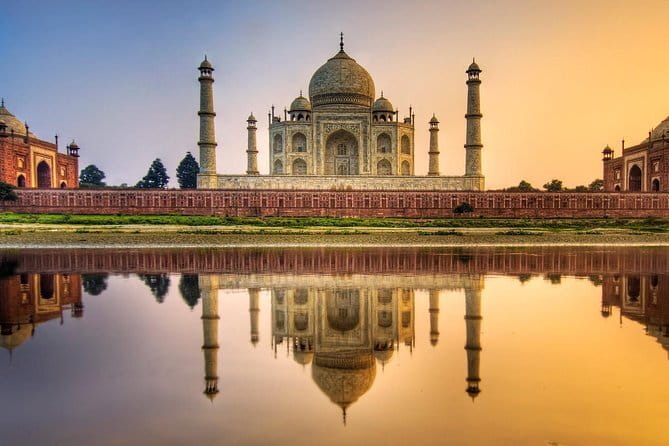
- Sunrise Taj Mahal at 5:45am with soft morning light on the white marble
- Swaminarayan Akshardham as a full-scale temple-and-campus stop in Delhi
- Old Delhi rhythm: Jama Masjid, then a rickshaw ride through Chandni Chowk
- UNESCO hits: Qutub Minar, Agra Fort, and Jantar Mantar
- Private group flexibility with professional city guides in each city
- AC comfort and licensed driver across the longer intercity drives
Golden Triangle in 5 days: the big-picture value
The Golden Triangle is a classic for a reason: you stack three India icons in one efficient route—Delhi, Jaipur, and Agra. In this 5-day plan, you also get the one moment most people dream about: the Taj Mahal at sunrise, timed early enough that the crowds and the heat usually feel less intense.
The other value is that the tour isn’t only about standing in front of monuments. It’s set up so you spend meaningful time at the right places: Old Delhi for atmosphere, Qutub Minar and the imperial buildings area for architectural context, and then a proper shift into Rajasthan and royal Jaipur.
At the cost of $449 per person, you’re paying for organization you’d otherwise have to piece together yourself. This includes an AC vehicle, a licensed driver, city guides, bottled drinking water, and four breakfasts (if you choose the hotel option). The “catch” is that major entrance fees are an extra $69 per person, so your true total depends on how many paid sites you hit.
You can also read our reviews of more tours and experiences in New Delhi



Price and logistics: what $449 covers (and what it doesn’t)
Your base price is $449 per person for the 5-day tour. Included on the comfort-and-flow side are:
- An air-conditioned vehicle with a licensed driver
- City tour guides
- Packaged drinking water
- Breakfast (4) on the days that include hotel stays
- Hotel accommodation only if you choose the option (3, 4, or 5-star tiers)
Not included: monument fees are listed as $69 per person. A few stops are marked as ticket-free in the plan, but some key sights are specifically flagged as not included. So treat the $69 as your baseline budget for entrances, rather than hoping everything is covered.
Also note the structure: your pickup is scheduled between 0700 and 1100 (from the airport or your chosen hotel/location). If you have an early flight or a late arrival, you’ll want to double-check that your pickup time fits your travel day.
Your Delhi start: Jama Masjid, Chandni Chowk, and the Akshardham contrast
Delhi can feel like two cities at once: the old lanes and the grand avenues. This tour uses that contrast well on your first day.
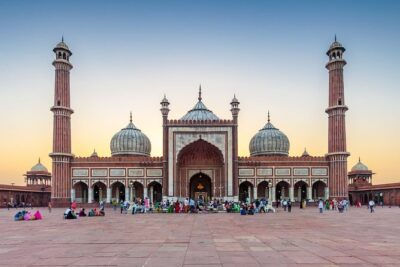
You start at New Delhi with pickup and a guided orientation. Then it’s straight into Old Delhi with Jama Masjid, one of India’s largest and most famous mosques, built by Mughal Emperor Shah Jahan using red sandstone and marble. The stop is about 30 minutes, which is enough time to take in the scale and get oriented without feeling trapped inside a long line.
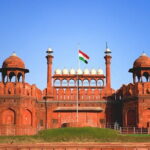
Next comes a rickshaw ride through Chandni Chowk after the mosque. That short ride matters because it’s a quick way to experience the market energy without you having to navigate it on your own. Right after, you get a quick photo drive past Red Fort from the outside. Most of the building isn’t accessible because about 70% is acquired by the Indian Army, so you’ll mainly get exterior views and pictures rather than a full inside visit.
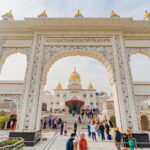
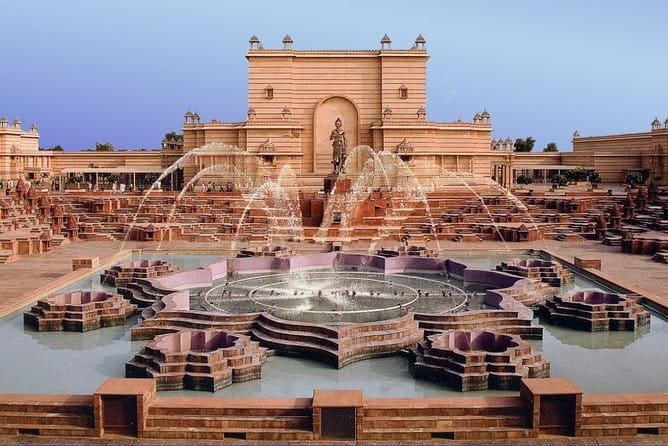
You then slow things down with a stop at Raj Ghat, before shifting into a completely different vibe at Swaminarayan Akshardham. This isn’t just a temple stop on the map—it’s described as a massive Hindu temple and spiritual-cultural campus. You’ll spend about an hour here, which is a solid chunk for a place with lots of details and areas to see.
My practical tip: Delhi days can start heavy. Bring a light layer for mornings, since the early schedule plus sun can make you feel more tired than you expect.
Delhi day two: India Gate to Qutub Minar, then the drive to Agra
Day two keeps the capital moving with a classic “New Delhi monuments” circuit, then turns you toward Agra.
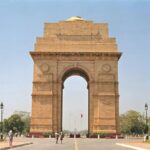
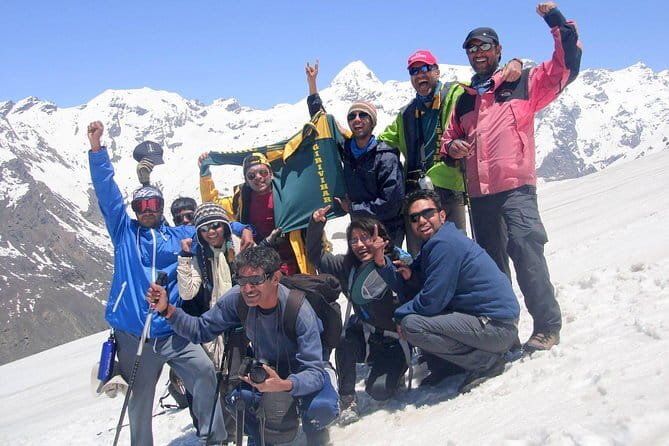
You begin in New Delhi after breakfast, then hit India Gate for quick photos and a short stop. From there, it’s photo stops at Parliament House (designed by Edwin Lutyens and Herbert Baker) and Rashtrapati Bhavan, the President’s official residence. These are mostly exterior views, so if you love interiors or timed museum tickets, you might wish you had extra time—but for a tight 5-day loop, it’s a smart use of daylight.
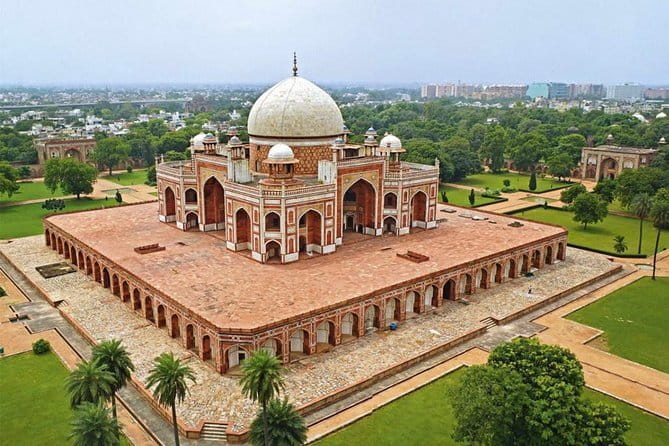
Then you reach Qutub Minar, a UNESCO World Heritage site. This is one of the best “architecture-with-proof” stops on the route: it’s noted that construction began in 1192 by Qutub-ud-din Aibak and was completed by Iltutmish. You’ll spend about an hour here, which gives you enough time to appreciate the tower’s design and the surrounding complex without feeling rushed.
After sightseeing, you drive to Agra for the night. The plan shows about 4 hours of driving time, so treat the evening as transit-focused rather than “more sightseeing.”
The 5:45am Taj Mahal sunrise: why this timing is worth it
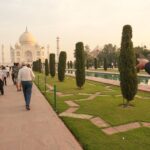
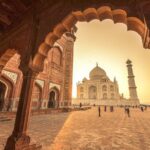
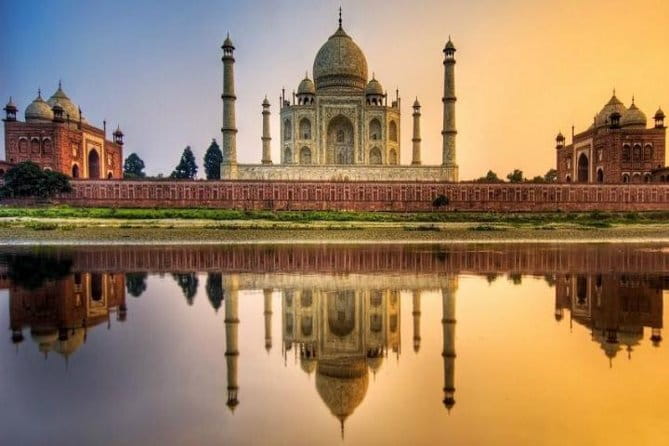
The main event is on day three: Taj Mahal at sunrise, with pickup at the hotel lobby at 5.45 AM. The plan is built around the idea that the Taj looks especially beautiful at sunrise, with the white marble catching soft golden tones from the rising sun over the Yamuna.
This timing isn’t just romantic marketing. Early light is when the monument looks more dimensional and less harsh. It also tends to feel calmer, letting you take in the symmetry, carvings, and the long view of the complex without feeling like you’re fighting the day.
You’ll spend about 30 minutes at the Taj Mahal at sunrise, then about 2 hours total at the site. That’s a good balance: enough time for the iconic shots, time to walk around at your own pace, and time for your guide to point out details so it’s not only a photo stop.
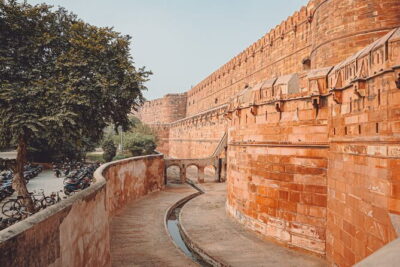
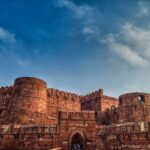
After that, you return to the hotel to freshen up and have breakfast. Then you check out and head for Agra Fort. Agra Fort is described as a UNESCO World Heritage Site built by Emperor Akbar in 1565, also known as Lal Qila or Qila-i-Akbari. You’ll spend about an hour there, which is perfect for seeing the fort’s scale and understanding why Agra was such a powerful center.
Then it’s off to Jaipur, with about 5 hours of driving and an overnight stay.
You can also read our reviews of more tours and experiences in New Delhi




Agra Fort to Jaipur: the route makes a mood shift

This part of the trip is a nice reset. After the Taj’s soft morning mood, Agra Fort adds heavier, stone-and-power energy. And once you’re done, the driving to Jaipur feels like you’re switching gears into Rajasthan mode.
In Jaipur, you check in at your pre-booked hotel and get the night to recover. The tour shows an overnight in Jaipur on day three, which matters. You’re not trying to do a full day of sightseeing on arrival night, and you’ll likely appreciate that after early-morning Taj.
Jaipur sightseeing with Forts and iconic exteriors

Day four is where Jaipur fans will be happiest. You get a mix of time inside major sites and quick exterior photo moments that still capture the famous silhouettes.
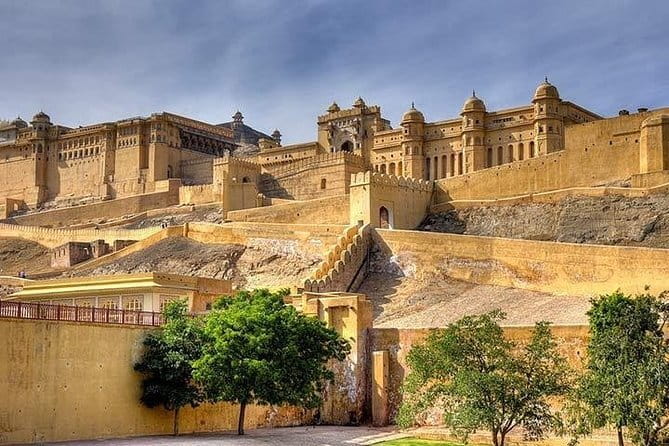
You start with Jaipur Fort, described as an example of Rajput architecture rising from a rocky mountainside, with a large palace complex. You’ll spend about 2 hours here, which is the right amount of time for a fort: enough to take in the layout and views without exhausting yourself.
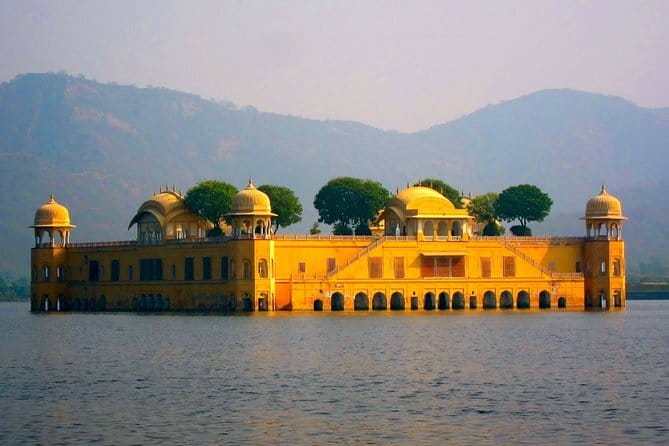
Then there’s a photo stop at Jal Mahal, the Water Palace, located in the Man Sagar water area. You’re only there for about 30 minutes, and that’s exactly what a photo stop should be—quick views, good angles, and then you’re on to bigger time commitments.
Next is City Palace of Jaipur, the royal residence complex in the center of Old City. You get about 1 hour here. The description highlights courtyards, gardens, and buildings, plus a blend of Rajasthani and Mughal architecture. This is one of those stops where a guide really helps you connect the dots, because the palace complex can otherwise feel like lots of separate spaces.
Then it’s the Jaipur “signature skyline” moment: Hawa Mahal (Palace of Wind) for a short 10-minute photo stop. The tour notes it was constructed in 1799 and has that distinctive honeycombed five-story look. It’s short, but it’s also one of the easiest things to capture quickly and clearly.
Finally, you visit Jantar Mantar, a UNESCO World Heritage observatory. You’ll spend about 40 minutes. The key idea here is the geometric instruments built to monitor movement of stars and planets. It’s a surprising kind of monument: not a temple, not a fort, but still deeply tied to how people understood the sky.
You finish back at the hotel for your overnight in Jaipur.
What to expect from the guide and driver experience
This is a private tour, so you’re not dealing with crowds or waiting on strangers. Only your group participates, and the format is built for flexibility and personal attention from your guide.
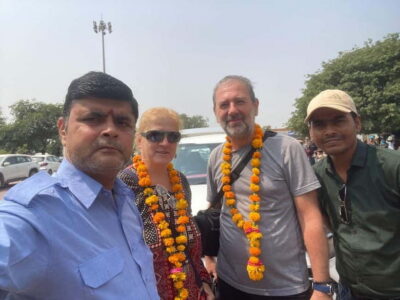
One standout detail from the kind of feedback this route attracts is the driver name Dev. People describe Dev as kind, funny, and attentive, and the most repeated theme is feeling safe and comfortable right from the pickup. A calm, experienced driver really matters on this route because you’re handling long drives between cities and early starts.
If you care about pacing—less time rushing, more time taking in views—private service is where you’ll feel it.
Tickets, monument fees, and how to plan your budget without stress
You’re told monument fees are $69 per person, not included in the base price. Because some stops show tickets as included while others show not included, I recommend you treat the monument-fee figure as the main entrance budget and keep a little extra for anything that isn’t covered.
Also remember: the tour includes breakfast (4), but it doesn’t list lunch or dinner as included. That means you’ll want to plan for meals on your own, especially in Delhi and Jaipur when you might want something local and quick between sites.
Here’s a practical way to plan day comfort:
- Bring water even though packaged drinking water is included
- Wear shoes that handle uneven walkways, especially at forts and around old-city lanes
- Keep a small cash buffer for small purchases near markets and stops, since not every place is structured for card payments
Who this tour fits best
This tour fits best if you want:
- A private pace on the Golden Triangle
- A sunrise Taj Mahal experience rather than a late-morning rush
- City guides for context at major stops like Qutub Minar, Agra Fort, and Jantar Mantar
- Convenience: AC transport, airport/hotel pickup, and drops at the end of the trip
It may not fit perfectly if you’re the type who wants long, slow museum-style time inside buildings. Several of the Delhi stops are photo-drive or short stops, and some sights are clearly marked as ticket not included—so you’ll be doing a lot of monument-to-monument movement.
Should you book this Golden Triangle with sunrise Taj?
I’d book it if you want the best-known sights handled with less effort on your end and you care about the 5:45am Taj Mahal timing. The combination of Delhi’s old-and-new mix, Agra’s major monuments, and Jaipur’s forts plus observatory is a classic route done with enough structure to keep the days moving.
Skip booking only if monument fees or add-ons would cause budget strain. The base price is fair for what’s included, but once you add the listed $69 monument fees, your total rises. Also, if you hate early mornings, the sunrise Taj start will be the hardest part of the trip.
FAQ
FAQ
What is the duration of this tour?
The tour runs for about 5 days.
Where does the tour start and how does pickup work?
Pickup is offered from the airport or your chosen location/hotel between 0700 and 1100, or at your given time.
Is this tour private?
Yes. It is a private tour/activity, and only your group will participate.
What transportation is included?
You travel in an air-conditioned vehicle with a licensed driver.
Are hotels included in the price?
Hotel accommodation is included only if you choose the accommodation option. The hotel class can be 3, 4, or 5 star.
How many breakfasts are included?
Breakfast is included for 4 days.
Are monument tickets included?
No. Monument fees are listed as $69 per person and are not included in the tour price.
What is the main highlight on the schedule?
The Taj Mahal visit at sunrise, with meet time at the hotel lobby at 5.45 AM.
Which cities are covered?
The tour covers New Delhi, Agra, and Jaipur.
How far in advance can I cancel for a full refund?
You can cancel up to 3 days in advance for a full refund.