REVIEW · NEW DELHI
9 – Days Private Golden Triangle Tour with Khajuraho & Varanasi
Book on Viator →Operated by World Travel Experiences · Bookable on Viator
Sunrise on the Ganges kicks off the whole trip. This private route strings together Delhi, Agra, Jaipur, Khajuraho, and Varanasi with an easy mix of monuments and spiritual moments, guided in English.
I love the way this tour handles the logistics for you: airport pickup, a private car with an English-speaking guide, and internal train rides handled. I also like the built-in variety of “how you see” things, from a Chandni Chowk rickshaw ride to a boat ride and a jeep safari up toward Amer Fort.
One thing to watch: monument entrance fees are not included (and Taj Mahal is closed every Friday), so you’ll want to budget for tickets before you go.
In This Review
- Key Things I’d Book for
- A 9-Day Route That Combines Golden Triangle, Khajuraho, and Varanasi
- First Day in Delhi: Old Delhi Market Energy Without the Lost-in-Transit Feeling
- Delhi Sightseeing Mix: Chandni Chowk, Humayun’s Tomb, Qutub Minar, and the Big Government Edifices
- Small reality check on Delhi
- Jaipur Gets the Best Tool: A Jeep Safari Up Toward Amer Fort
- Jaipur shop stops: how they help
- Agra: Taj Mahal Plus Fort, and the Practical Battery Van Detail
- Included factory visit in Agra
- When Travel Turns Into a Train Story: Orchha Stopover and the Overnight Train
- Khajuraho’s Western and Eastern Temple Groups: Carvings, Geometry, and Quiet Scale
- What to notice in Khajuraho (so you don’t just photograph)
- Varanasi and Sarnath: Kashi Vishwanath, Ghats, and a Buddhist Pause
- A note on pacing
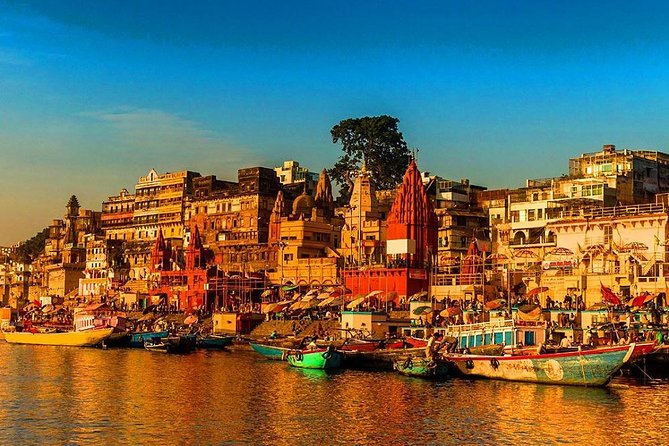
- The Ganges Morning Boat Ride: Calm Light Before the Crowd Energy
- Value for Your Money: What’s Included in the $683 and What Isn’t
- My take on the value
- Who This Tour Fits Best (and Who Might Want a Different Plan)
- Should You Book This 9-Day Private Golden Triangle Plus Khajuraho and Varanasi Tour?
- FAQ
- How long is the 9 Days Private Golden Triangle Tour with Khajuraho & Varanasi?
- What cities are included in this tour?
- Where do you get picked up?
- Are the internal train rides included?
- Is there a boat ride in this experience?
- Does the tour include guides and transportation?
- Are entrance fees included?
- Is the Taj Mahal always open?
- What meals are included?
Key Things I’d Book for
- Private door-to-door pickup and transfers so you don’t spend time hunting transport on arrival
- English-speaking guides across Delhi, Jaipur, Agra, Khajuraho, and Varanasi
- Amer Fort jeep safari plus classic Jaipur sights without rushing yourself
- Taj Mahal battery van ride to reduce walking inside the complex
- Orchha stop and air-conditioned train connections that keep travel time efficient
- Early-morning Ganges boat ride for the calm start of a very intense city
A 9-Day Route That Combines Golden Triangle, Khajuraho, and Varanasi
This is not just a checklist of the Golden Triangle. You get the famous trio—Delhi, Agra, Jaipur—then the plan turns spiritual with Varanasi and art-history focused with Khajuraho’s temple carvings.
I like this structure because it balances big-name monuments with places that feel different from one another. Delhi and Jaipur teach you how power and design shaped India. Agra gives you the iconic Mughal masterpiece. Khajuraho and Varanasi shift the mood from imperial to devotional.
Also, the whole thing runs as a private experience. Your group stays together, and you don’t get stuck with the group pacing that can drain your energy.
You can also read our reviews of more private tours in New Delhi
First Day in Delhi: Old Delhi Market Energy Without the Lost-in-Transit Feeling
Your trip begins at New Delhi International Airport with a traditional welcome and an air-conditioned transfer to your hotel. That matters because Delhi can be chaotic at arrival time, and first impressions set the tone for the whole trip.
After settling in, you get a free day chunk the rest of the day. I appreciate that because it gives you time to eat, cool off, and get your bearings.
When you do start sightseeing, you’re not limited to one style of Delhi. You’ll mix Mughal-era architecture with the city’s political center and then head into Old Delhi’s market world.
Delhi Sightseeing Mix: Chandni Chowk, Humayun’s Tomb, Qutub Minar, and the Big Government Edifices
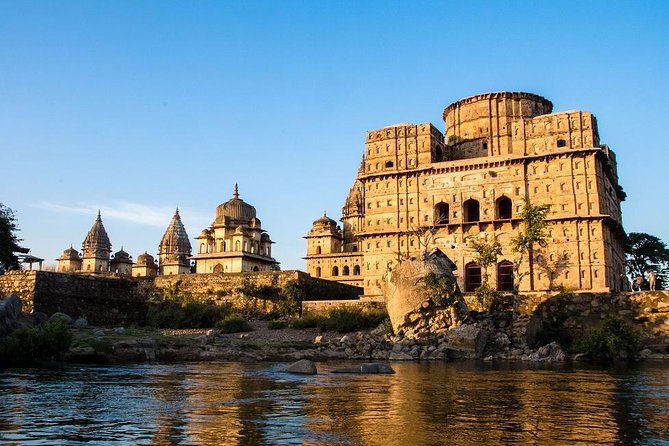
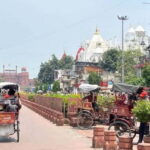
Delhi on this tour is set up like a contrast sampler. You’ll do Chandni Chowk (close to Old Delhi Railway Station) and get around the market with a rickshaw ride. It’s a practical way to move through the narrow lanes without burning energy before you even see the main monuments.
From there, you’ll hit Humayun’s Tomb, the famed early Mughal garden tomb built in 1565. This is the kind of place where the setting matters—geometry, gardens, and calm space make it feel like a breather inside a loud city.
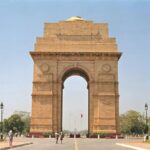
Next comes a different scale: the Rashtrapati Bhavan area and India Gate. India Gate is the monumental crossroad landmark opposite the Presidential residence, and it’s a useful anchor point for understanding modern Delhi’s civic identity.
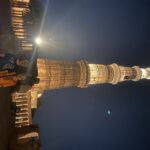
Finally, Qutub Minar gives you a totally different visual. This tall 73-meter tower of victory was built after the defeat of Delhi’s last Hindu kingdom, and the layered history shows in the architecture choices.
Small reality check on Delhi
Several Delhi monument admissions are marked not included, so you’ll likely spend extra on tickets. That’s normal here, but budget for it so it doesn’t feel like a surprise bill later.
Jaipur Gets the Best Tool: A Jeep Safari Up Toward Amer Fort
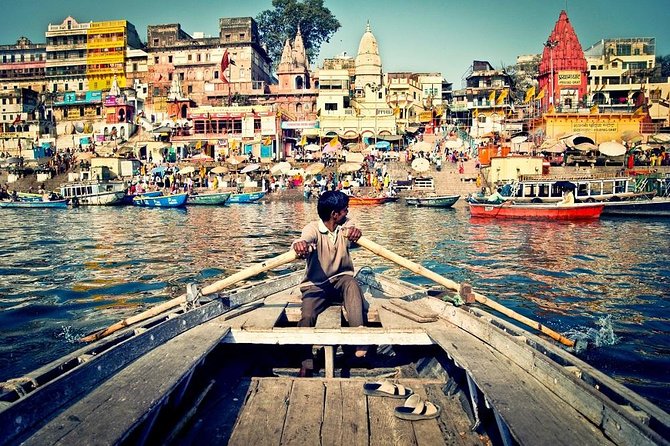
Jaipur arrives right after a drive and hotel check-in. Then the tour leans into classic royal Jaipur rather than just street shopping. Amer Palace is the headline, built with a blend of Hindu and Muslim architectural ideas, started by Raja Mansingh I and finished later.
What I really like is the jeep safari used to climb toward Amer Fort. It’s a smart compromise: you get the hill-fort drama without turning sightseeing into an all-day hike.
You’ll also see Jal Mahal, the Water Palace that appears to float in its setting. It’s short but effective. Even if you don’t spend long there, the sight helps you understand why locals built in this landscape and then turned it into palace imagery.
Then come the postcard landmarks:
- Hawa Mahal, the Palace of Winds, built in 1799 with a façade made for breeze and view
- City Palace of Jaipur, a complex of courtyards and buildings that reflects the seat of royal power
- Jantar Mantar, the stone astronomical instruments tied to Rajput king Sawai Jai Singh II and a UNESCO-recognized setup

Jaipur shop stops: how they help
The tour includes exclusive shopping time in local markets for real Indian art and culture. For me, the value here is not buying a lot. It’s having time to compare styles, learn what you’re looking at, and understand why certain crafts show up again and again.
Agra: Taj Mahal Plus Fort, and the Practical Battery Van Detail
You’ll drive from Jaipur to Agra and check into a pre-booked hotel. Later, you’ll see the big three: the Taj Mahal, Agra Fort, and the area around the complex.
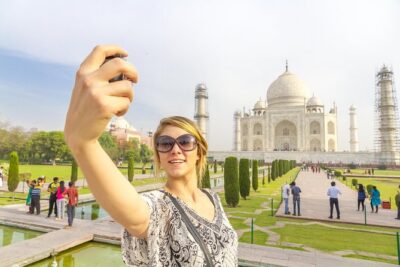
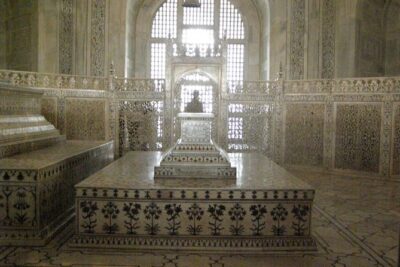
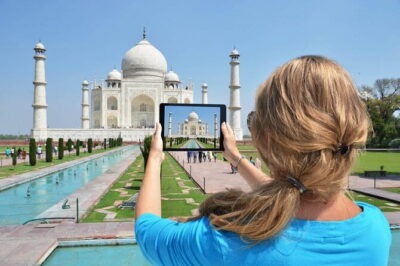
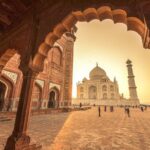
The Taj Mahal is obviously the star. It was built by Mughal Emperor Shah Jahan as a memorial for Mumtaz Mahal. It’s also one of those places where timing can make your experience feel calm or crowded.
One very practical note: the tour data states that Taj Mahal is closed every Friday. If your dates include a Friday, you’ll need to plan your expectations around that reality.
Inside the Taj Mahal complex, there’s a battery van ride included. This is the kind of small detail that makes the day feel easier, especially if you’re not eager to do long walks in heat.
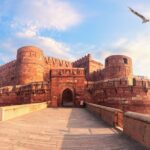
Agra Fort adds a different texture. Built by Akbar on the west bank of the Yamuna, it’s a crescent-shaped stronghold and a maze-like wall system. Forts are great for seeing how defense and power worked in Mughal-era cities.
Included factory visit in Agra
A marble factory visit is included. I find this useful because Taj Mahal marble isn’t just a material—it’s part of the story. Seeing the work process helps you notice details like surface finishing and craftsmanship you might otherwise overlook.
When Travel Turns Into a Train Story: Orchha Stopover and the Overnight Train
On the way from Agra toward Khajuraho, the tour uses a train connection. You travel early to the Agra railway station, board an air-conditioned coach train toward Jhansi, and meet a representative on arrival.
This is where the plan gets smart. Instead of adding more road time, you use rail for efficiency. It also breaks up the trip mentally.
En route, you’ll stop in Orchha. Orchha Fort is included as a visit, which is a nice change of pace from the Golden Triangle style. It keeps the story moving without turning the day into a nonstop drive marathon.
Then you continue onward by train to Khajuraho. The tour includes a night in an overnight train, which means you should pack like you’re actually sleeping on the move. Bring what you need for comfort because this is part of the experience, not an optional extra.
Khajuraho’s Western and Eastern Temple Groups: Carvings, Geometry, and Quiet Scale
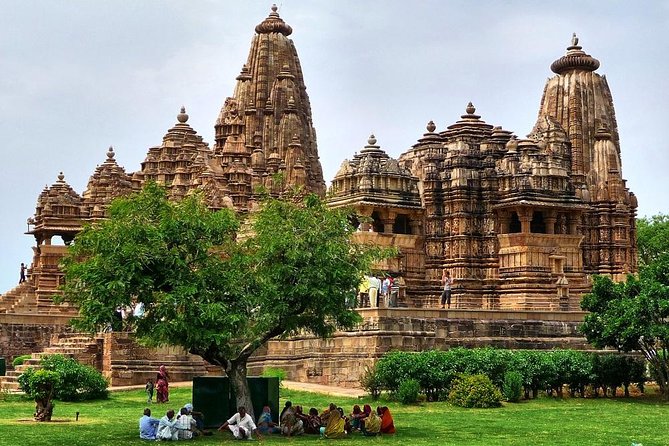
Khajuraho is one of India’s most distinctive cultural spaces, and this tour gives you time with both the Western and Eastern Temple Groups.
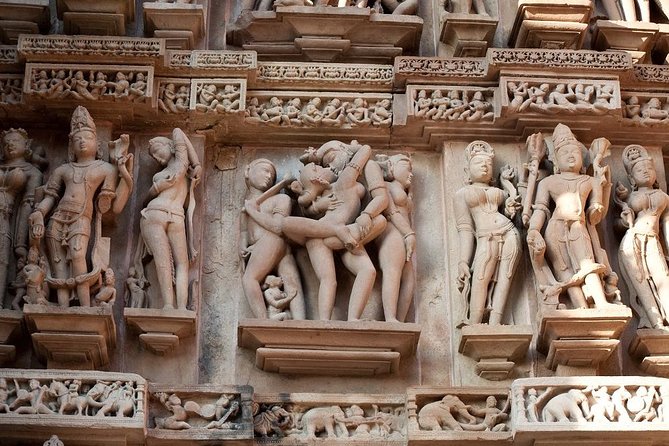
For the Western Group, you’ll focus on fourteen temples, including names like Kandariya Mahadeo and Varaha, along with several others listed as part of the area. This group is where Khajuraho’s famous sculptural language is most concentrated, including the erotic temple carvings that gave the region its worldwide reputation.
Then you’ll see the Eastern Group, which includes seven temples: three Hindu and four Jain. You’ll also be taken through specific names like Javari and Vamana as part of the set.
What to notice in Khajuraho (so you don’t just photograph)
Spend a few quiet moments looking for how the stonework repeats. You’ll often see the same kinds of motifs in different forms across temples. That repetition helps you understand that this wasn’t random decoration—it was visual storytelling.
Also, don’t rush the carvings. The temples can look simple from a distance, then reveal layers up close. If you only move quickly from one photo angle to another, you miss the real reward: the time and intention inside the stone details.
Varanasi and Sarnath: Kashi Vishwanath, Ghats, and a Buddhist Pause
Varanasi arrives after you meet your representative at the railway station and transfer to your hotel. You then get an excursion to Sarnath, a place the tour describes as one of the four holiest places to Buddhists. Even if you’re not a Buddhism specialist, Sarnath is a good contrast to Varanasi’s Hindu spiritual intensity.
From Sarnath, you shift back to Kashi. The tour includes Kashi Vishwanath Temple, described as one of the twelve Jyotirlingas dedicated to Lord Shiva. Expect a strong devotional atmosphere around this temple.
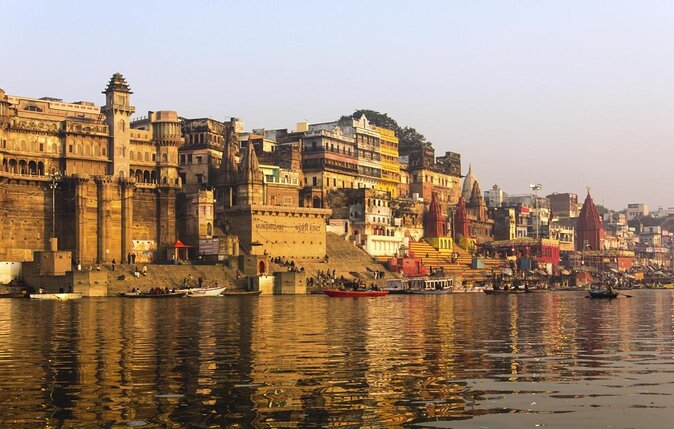
Then come the ghats: Banaras Ghats are central to the city’s daily life, where pilgrims bathe for spiritual purification. The long stretch of ghats also makes it easy to understand how Varanasi functions as a river city rather than a city that happens to have a river.
Two more stops add interesting texture:
- Bharat Mata Temple, a shrine dedicated to Mother India, with a relief map of the country carved in marble
- Alamgir Mosque, a 17th-century Mughal-era structure built by Aurangzeb on land where a Shiva temple once stood
A note on pacing
Varanasi days can feel intense. This plan balances that by mixing in Sarnath, shorter temple stops, and then a quieter kind of sightseeing. Still, keep water handy and plan for slower movement after long spiritual areas.
The Ganges Morning Boat Ride: Calm Light Before the Crowd Energy
On the final morning, the tour starts with an early rise for a boat ride on the river Ganges. The plan mentions stepping into the boat before dawn and watching the sun appear, which is exactly why this sort of experience matters.
Even if you’re not a sunrise person, the river at that hour changes the mood. It’s not about ticking a box—it’s about witnessing the same ritual space before the day’s full intensity arrives.
The tour overview also lists an evening prayer ceremony on the river Ganges as a highlight. So depending on your day flow, you should be ready for a devotional river moment in the evening as well.
Value for Your Money: What’s Included in the $683 and What Isn’t
This tour runs at $683 per person, and the value is mainly in what it saves you from organizing yourself.
Included for your trip:
- 7 nights accommodation in hotels
- 1 night in an overnight train (air-conditioned coach train tickets are included for Agra to Jhansi and Khajuraho to Varanasi)
- Professional English-speaking guides in Delhi, Jaipur, Agra, Khajuraho, and Varanasi
- A private English-speaking chauffeur-driven car throughout the route (so you’re not negotiating transport between stops)
- Multiple included experience rides: rickshaw in Old Delhi, battery van at Taj Mahal, jeep safari toward Amer Fort, and the Ganges boat ride
- Packaged drinking water
- Factory and craft-style visits: marble factory in Agra and handmade jewels/stone cutting factory in Jaipur
- A clear base of meals: breakfast is included (8 breakfasts)
What isn’t included:
- Monument and sightseeing entrance fees, listed as about $100 per person
- Airfare (international or domestic)
- Tips for drivers and guides
- Camera fees at monuments
- Any extra personal expenses
My take on the value
If you’re trying to do Delhi–Agra–Jaipur plus Khajuraho and Varanasi on your own, the internal train coordination alone can eat days and energy. Here, rail tickets, transfers, and a private driver keep the plan smooth.
The entrance fees are the main add-on risk. If you hate surprises, you’ll be happiest confirming your ticket budget early. But if you want comfort and straightforward planning, the package is priced like a practical solution rather than a bargain with lots of missing pieces.
Who This Tour Fits Best (and Who Might Want a Different Plan)
This tour fits best if you want:
- a private experience with English guidance in multiple cities
- the main Golden Triangle landmarks plus Khajuraho and Varanasi without piecing it together yourself
- included rides and transfers that reduce daily stress (rickshaw, battery van, jeep safari, train connections)
You might reconsider if:
- you’re very budget-focused and don’t want to add monument entrance fees and camera fees
- your travel dates fall on a Friday and you’re counting on seeing the Taj Mahal that day (it’s closed every Friday)
Should You Book This 9-Day Private Golden Triangle Plus Khajuraho and Varanasi Tour?
I’d book this if you want a well-run route that connects the big icons of India with two very different spiritual/cultural regions. The early Ganges boat ride, the jeep safari up to Amer Fort, and the full sweep from Delhi’s monuments to Khajuraho’s sculpted temples make it feel like more than a basic Golden Triangle.
Just go in with a ticket budget mindset. Entrance fees are not included, and the Taj Mahal closure on Fridays is real. If you plan around that, this tour is a strong, value-focused way to see a lot of India in nine days without turning every day into a transportation puzzle.
FAQ
How long is the 9 Days Private Golden Triangle Tour with Khajuraho & Varanasi?
The tour runs for about 9 days.
What cities are included in this tour?
It covers New Delhi, Jaipur, Agra, Khajuraho, and Varanasi.
Where do you get picked up?
Pickup is available from New Delhi International Airport on Day 1, and the tour also includes transfers and arrivals according to the plan.
Are the internal train rides included?
Yes. You get train tickets for Agra to Jhansi and for Khajuraho to Varanasi in air-conditioned coach, plus 1 night on an overnight train is included.
Is there a boat ride in this experience?
Yes. There is a boat ride on the River Ganges in Varanasi, starting before dawn.
Does the tour include guides and transportation?
Yes. There is a professional English-speaking tour guide in Delhi, Jaipur, Agra, Khajuraho, and Varanasi, plus a private English-speaking chauffeur-driven car throughout the trip.
Are entrance fees included?
No. Entrance fees to monuments and sightseeing places are not included, and the price guide given is $100.00 per person.
Is the Taj Mahal always open?
No. The tour notes that Taj Mahal is closed every Friday.
What meals are included?
Breakfast is included (8 breakfasts). Other meals are not specified as included.