REVIEW · NEW DELHI
Delhi By Cycle & Old Delhi
Book on Viator →Operated by DelhiByCycle · Bookable on Viator
Two wheels in Old Delhi feels like time travel. This ride threads through lanes cars can’t reach, then ties what you see to the world of Mughal emperor Shah Jahan, with stops around Chandni Chowk, the Red Fort, and the Jama Masjid area.
I especially love the early-morning pace, which helps you see the markets before the day fully cranks up, and the storytelling that turns everyday street scenes into a clear picture of how Delhi works. Guides I’ve come across include Krishna, Ashutosh, and Ujjwal, with co-guide support from people like Faiz, Shivam, Mukesh, and Jehu.
One thing to consider: Old Delhi lanes can feel tight and traffic can be loud and busy, so you’ll want to stay focused, use the bike bell when told, and dress modestly for conservative areas.
In This Review
- Key reasons this bike tour is worth your morning
- Why Cycling Through Old Delhi Beats Waiting in Traffic
- The Ride Setup: Daryaganj Meeting Point and Getting Rolling
- Turkman Gate and the City-Wall Feeling You Don’t Get on Foot
- Chawri Bazar: From Layers of Delhi Life to Today’s Crowds
- Gadodia Market Rooftop: Spices, Stories, and a View Over Old Delhi
- Chandni Chowk: The Street That Does Everything (Food, Shopping, Faith)
- Shah Jahan Stories You’ll Actually Remember
- Safety and Sanity on Narrow Lanes
- Price and Value: What $30 Buys You in Old Delhi
- Timing That Actually Works: Morning Before the Full Rush
- Who Should Book This Old Delhi Bike Tour
- Quick Tips Before You Go
- Should You Book Delhi By Cycle & Old Delhi?
- FAQ
- How long is the Delhi By Cycle & Old Delhi tour?
- What’s included in the price?
- Do I need to bring money for admission fees?
- Where do I meet the guide?
- What time should I arrive?
- Is the tour suitable for kids?
- What should I wear?
- Is free cancellation available?
Key reasons this bike tour is worth your morning
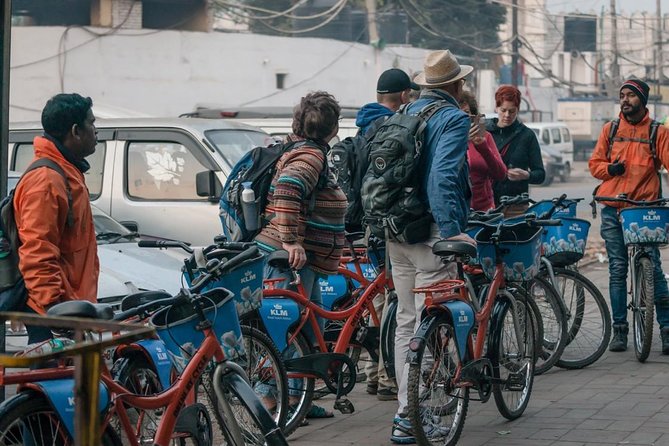
- Car-free-feeling streets: You’ll pedal through parts of Old Delhi that buses and cars can’t realistically touch.
- Shah Jahan stories on the route: The guide connects monuments and markets to the emperor’s life and the city’s big eras.
- Chai break plus breakfast: You’re not just cycling; you also get a tea stop and a breakfast break in Old Delhi.
- Rooftop spice-market perspective: Gadodia Market gives you a viewpoint while you learn about spices and nearby landmarks.
- Chandni Chowk street-life variety: One corridor covers shopping, food, and multiple religious sites.
- Small group vibe: The tour caps at 20 people, with a lead guide and a co-guide supporting safety.
Why Cycling Through Old Delhi Beats Waiting in Traffic
Delhi on a bike is a different city. You move close to the action—walls, doorways, shopfronts, steam from street-food stalls—without needing a bus window or a taxi ride. The route is built around quick transitions between major sights and the smaller side streets between them.
What makes this tour especially fun is the mix of big-name highlights and street-level moments. You’re not only aiming for monuments; you’re also riding through market alleys where people are shopping for daily life, spices, produce, and wedding items. The guide keeps it grounded by explaining what you’re seeing and why it matters, including the Mughal emperor Shah Jahan connection.
Price matters here too. For $30 per person over about 3 to 4 hours, you’re getting more than a ride. You get a team with a lead guide and a co-guide, plus chai, breakfast, helmets, and a water bottle—stuff that usually costs extra if you do things separately.
You can also read our reviews of more cycling tours in New Delhi



The Ride Setup: Daryaganj Meeting Point and Getting Rolling
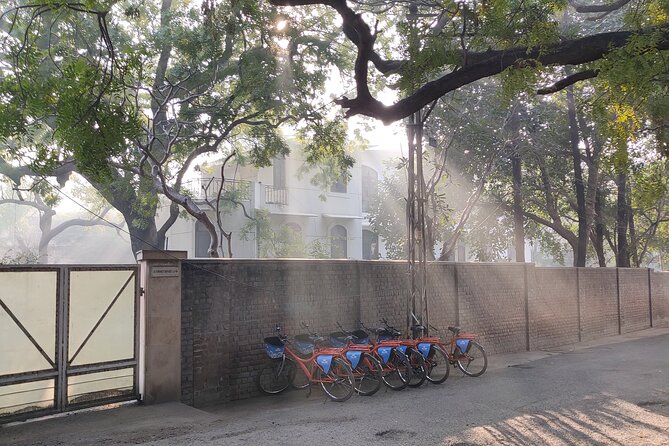
You meet at the DelhiByCycle shop on Ansari Rd, Daryaganj (Street 4B, New Delhi, 110002). The day starts early—plan to be there by 6:30 am—so you can get checked in, grab your helmet, and get your bearings before the busiest traffic waves hit.
This is the kind of tour where the first 15 minutes help you relax. You’ll have a briefing, you’ll be set up with a helmet, and you’ll get the “how we ride” talk from the guides and co-guide. With a team model and a small group (max 20 people), you’re not trying to figure out Old Delhi streets alone.
Bring the right mindset: you’re cycling through a dense city, not gliding through a park. Keep your eyes up, stay aware of pedestrians and shop entrances, and listen for cues about pacing and safety. It’s also smart to dress for conservative areas—moderate clothing is required in Old Delhi, and it makes the whole morning easier.
Turkman Gate and the City-Wall Feeling You Don’t Get on Foot
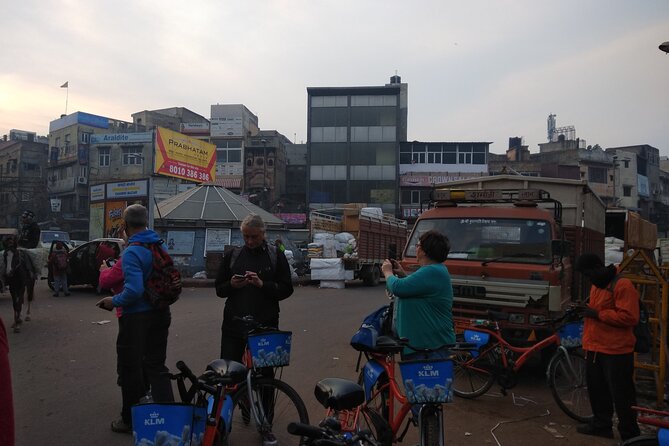
Your ride starts with history in your face—an ancient entry gate from the royal city era. Turkman Gate matters because it’s a reminder that Delhi’s layout was designed around guarded boundaries and controlled access. When you pass it by bike, it feels less like a museum stop and more like walking through the seams of an older city.
It’s a short stop, about 7 minutes, but that’s the point. This tour keeps momentum. Instead of sitting still for ages, you get a quick orientation: what the gate was, why it existed, and how the idea of city entry points still shapes the rhythm of the area.
If you’re used to sightseeing by car, you may think gates are “just structures.” Here, you see why they mattered: gates are where movement funnels, and movement is the heartbeat of markets. Even before you reach the bigger shopping corridors, you start noticing how people flow.
Chawri Bazar: From Layers of Delhi Life to Today’s Crowds
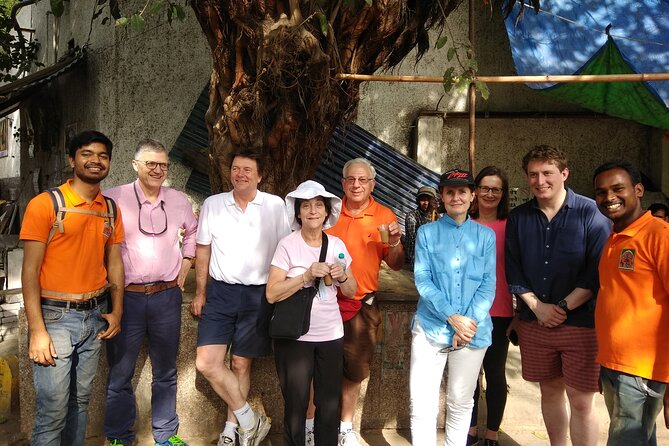
Next you ride to Chawri Bazar, an older market zone where Delhi has changed roles over time. The area has a complicated past—moving from a meeting-place function to later chapters in the city’s story, and then into a very busy market center in the evenings.
The stop is brief—around 7 minutes—but the value comes from context. You’re not just passing through; the guide gives you a framework to understand why streets like this evolve. It’s one of those places where history lives in ordinary routines: trade, bargaining, and the constant churn of daily needs.
A practical note: markets are visually intense. Shop signs, people, scooters, bikes, and sudden turns can make your brain work overtime. This is where the co-guide is useful, because they help the group keep the ride controlled without you second-guessing every meter.
Gadodia Market Rooftop: Spices, Stories, and a View Over Old Delhi
Then comes Gadodia Market, described for a reason: it’s a rooftop angle inside the spice market world. The tour uses that setting well. You get a pause from the street’s constant motion, but you still stay in the market atmosphere.
This is also where you learn spice stories and hear about Old Delhi connections, including the Fatehpuri Mosque area. A rooftop stop does two things: it gives you perspective for photos, and it helps you understand what you’re looking at below. When you can see more than one lane at once, the whole district makes more sense.
Expect a short break—about 10 minutes—and use it. Take a breath, re-check your posture and grip, and sip your chai when it’s offered later. If you’re traveling with kids, this is a good moment to get them out of “moving-mode” for a few minutes.






Chandni Chowk: The Street That Does Everything (Food, Shopping, Faith)
Chandni Chowk is the big stage of the morning. The corridor is known for shopping and street food, but what I like about this tour is that it treats Chandni Chowk as a whole system, not just a landmark name.
You’ll spend time along the street—about 15 minutes—and you’ll get a sense of how one road can handle a lot at once. The canal connection is part of the story, and the guide ties that past to the present-day energy: wedding shopping, religious sites from several faiths, and nonstop commerce. That variety is why this area hits so hard for first-time Delhi visitors.
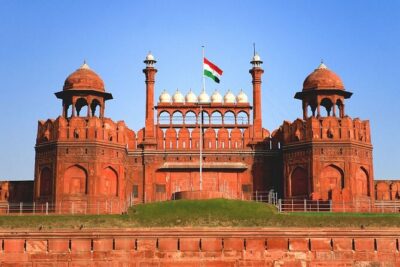
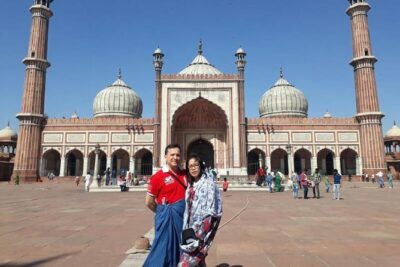
You’ll also get integrated glimpses of major nearby attractions. The tour description highlights the UNESCO-listed Red Fort and Jama Masjid as part of what you’ll reach during the ride, and that makes sense given where Chandni Chowk sits in the broader Old Delhi geography. In other words, you’re not walking for hours to stack monuments; you’re cycling between them as the city naturally presents them.
Shah Jahan Stories You’ll Actually Remember
A lot of tours say “history” and then hand you dates. This one leans into stories tied to place. The guide brings in the life of Mughal emperor Shah Jahan, and the effect is that you start seeing Delhi as a set of connected decisions—roads, fortifications, market needs, and the way power shaped the city.
That storytelling matters because it turns a confusing maze into a map you can hold in your head. You can look at a street and think: there’s a reason this axis exists; there’s a reason this market type grew here; there’s a reason monuments cluster in this zone. Even if you only remember a few lines, the morning sticks.
The names matter here because guides help the mood. I’ve seen accounts of rides led by Krishna and Ashutosh, and supported by co-guides like Shivam or Mukesh, where patience and clear pacing made a huge difference. That combination—calm guidance plus an enthusiastic narrative—keeps the tour from turning into a blur.
Safety and Sanity on Narrow Lanes
Old Delhi can be intense. Traffic might feel chaotic compared with what you’re used to back home, and the street edges can be unpredictable. The tour’s safety model is built around a lead guide plus a co-guide for help and pacing, and that matters when you’re riding close to pedestrians and market entrances.
What you should plan for: narrow lanes where cars and buses don’t move like they do in wider parts of the city, plus moments where the group slows to keep spacing. You’ll likely be reminded to keep your eyes on the road and use the bike bell as instructed. I also like that the pace is controlled enough that the ride can still feel thrilling without feeling reckless.
Group size helps too. With a max of 20 people, you’re not in a huge pack. That makes it easier for the guides to manage turns, regrouping moments, and any bike- or comfort-related questions.
Price and Value: What $30 Buys You in Old Delhi
At $30 per person, this is priced like a practical activity, not a luxury sightseeing extravaganza. The big value is what’s included:
- Amazing guide stories plus a co-guide for help and safety
- Helmet, water bottle
- Chai break
- Breakfast at hidden places in Old Delhi
If you try to recreate this on your own, you’ll quickly pay for bike rental, guide time, food, and safety support. Even if you already have a day plan, the included breakfast and tea save you time and reduce decision fatigue early in the morning.
What’s not included is also clear. You’ll pay for transport to and from the meeting point, plus personal expenses. If you’re the type who tips, any gratuity is not included in the listed price, so decide based on your experience and local norms.
One extra tip on value: this tour works best when you treat it like an organized introduction. Don’t schedule a complex museum day right after. Let the morning set your mental map, then you can explore more freely later.
Timing That Actually Works: Morning Before the Full Rush
This ride is designed around morning light and lighter traffic. Starting at 6:30 am means you’re not fighting peak chaos for every mile of the route. It also changes how the markets feel—less like a fight for space, more like people getting their day underway.
The total duration is 3 to 4 hours, which is a sweet spot. Long enough to feel like a real experience, short enough that you don’t lose your whole day to cycling. You also end back at the meeting point, so you don’t have to plan a second transport step right away.
If you’re visiting with kids, early timing helps them last through the session. One warning: kids must be with parents or guardians, so make sure your child’s comfort and attention span matches a street-smart ride.
Who Should Book This Old Delhi Bike Tour
Book this if you want Old Delhi to feel hands-on. This isn’t a sit-and-watch tour. You’ll be moving, turning corners, and seeing how markets breathe at street level. If you love food streets, spice areas, and heritage sights, you’ll feel at home quickly.
It’s also a great fit for people who don’t want to spend the morning figuring out routes. The guides handle the pacing and the safety rhythm, so you can focus on watching and listening.
On the other hand, if you’re uncomfortable with narrow lanes, crowded sidewalks, and fast-moving city energy, you might find parts of Old Delhi stressful. The ride doesn’t claim to be gentle and car-free in the suburbs sense. It’s more like controlled chaos on two wheels—managed by the guide team.
Quick Tips Before You Go
- Dress in moderate, conservative clothing; it helps respect the area and makes the morning easier.
- Wear shoes you can bike in comfortably and that handle street surfaces.
- Bring a light layer. Early mornings can feel cooler, then warm up fast.
- Charge your phone, but keep it away while riding. Take photos during stop moments.
Most importantly: show up on time. The briefing and the setup happen before the ride really starts, and the tour runs on that early clock.
Should You Book Delhi By Cycle & Old Delhi?
I think this is a smart choice if you want a real introduction to Old Delhi without spending all day walking or paying for multiple separate tours. The combination of bike access, major sights like Chandni Chowk and the Red Fort area, and the Shah Jahan storytelling makes it more than “just cycling.”
The value is strong because $30 covers the guide team, helmets, water, chai, and breakfast—not just the bike time. If your goal is to leave Delhi with a clearer mental picture of how power, markets, and religion shaped the streets, this morning ride does that job well.
If you’re sensitive to noise and tight lanes, be honest with yourself. Pick a different plan if you need quiet. Otherwise, this is one of the most practical ways to see the city’s layers quickly—on two wheels.
FAQ
How long is the Delhi By Cycle & Old Delhi tour?
It runs about 3 to 4 hours. You’ll meet early, ride through multiple Old Delhi areas, take breaks, and end back at the meeting point.
What’s included in the price?
The tour includes an amazing guide and co-guide, chai (tea), breakfast at hidden places in Old Delhi, a water bottle, and helmets.
Do I need to bring money for admission fees?
Admission tickets for the listed stops are marked free, so you should not expect to pay entry fees for those stops.
Where do I meet the guide?
The meeting point is at DelhiByCycle, Street 4B, Ansari Rd, Daryaganj, New Delhi, Delhi 110002, India. The tour ends back at the meeting point.
What time should I arrive?
You’re expected to arrive by 6:30 am to meet the guide, get on the cycles, and complete the briefing.
Is the tour suitable for kids?
It’s kid friendly, but children must be with their parents or guardians.
What should I wear?
You’ll need moderate dress for conservative areas in Old Delhi. This helps you feel comfortable and respectful in the neighborhoods you pass through.
Is free cancellation available?
Yes. You can cancel for a full refund up to 24 hours before the experience starts. If you cancel within 24 hours of the start time, the amount paid is not refunded.