REVIEW · NEW DELHI
Delhi: Chandni Chowk & Spices Shoping Tour Through Tuk-Tuk
Book on GetYourGuide →Operated by SHADOW TRIPS · Bookable on GetYourGuide
Auto-rickshaws make Old Delhi make sense fast. This private tuk-tuk tour ties together major sights and the spice-market maze with a friendly English-speaking guide, plus quick breaks so you don’t get swallowed by the crowd. You’ll also get taste-test style snacks along the way, which is a smart way to do shopping without feeling rushed.
Two things I really like: first, the guiding. People in the tour’s past groups have praised guides like Afzal and Sam for explaining what you’re seeing and keeping the pace safe and comfortable. Second, the route is built for first-timers—major landmarks like Jama Masjid and the Chandni Chowk area are paired with market stops like Khari Baoli, so you understand the place instead of just taking photos.
One consideration: this is tight-lane Old Delhi, and the tour doesn’t work well with heavy bags. Luggage or large bags aren’t allowed, and it’s also listed as not suitable for pregnant women—so pack light and decide if this kind of street-walking day fits you.
In This Review
- Key highlights you’ll feel quickly
- Why a tuk-tuk works for Old Delhi’s tight lanes
- Price and value for a 3–4 hour market + monument route
- Pickup, meeting point, and where you actually start
- The Red Fort doorstep: starting with Sunehri Masjid and major viewpoints
- Jama Masjid: photos, orientation, and what to notice
- Khari Baoli spice shopping: the market portion that needs a guide
- Chandni Chowk: the classic market loop (and where it can go wrong)
- The Gurudwara Sis Ganj Sahib area: faith, architecture, and quick context
- Digambar Jain Temple across from Red Fort: a quieter contrast
- Bikaner Sweets and the snack logic that saves the day
- What’s included (and what isn’t), so you don’t get surprised
- Packing light and planning for comfort
- Who this tour is best for (and who should skip it)
- Should you book this Delhi tuk-tuk spice and Old Delhi tour?
- FAQ
- How long is the Delhi tuk-tuk tour?
- How much does the tour cost?
- What are the main stops on the route?
- Is pickup included?
- What languages are the guides?
- Is it wheelchair accessible and are large bags allowed?
Key highlights you’ll feel quickly

- Tuk-tuk transport through Old Delhi’s narrow lanes, not just a walking slog
- Jama Masjid + Chandni Chowk pairing: a landmark morning with market time
- Khari Baoli spice focus, including a chance to shop with guidance
- Photo stops + short breaks built into the itinerary so you can reset
- Snacks, bottled water, and a local expert as part of the value equation
- Landmark views near Red Fort and Sunehri Masjid to orient you fast
Why a tuk-tuk works for Old Delhi’s tight lanes

Old Delhi is not designed for cars, and it’s definitely not designed for your sense of direction. A tuk-tuk lets you get closer to the action without spending your whole day fighting traffic and turning circles in streets that look like they were drawn with a ruler that snapped.
This tour also uses a smart pacing style: quick photo stops, brief breaks, and a real guide at your shoulder. That matters because in markets like Chandni Chowk and around Khari Baoli, it’s easy to feel “busy” without actually understanding what’s happening. Having someone translate the sights into plain meaning helps your time feel worth it.
You can also read our reviews of more tours and experiences in New Delhi.



Price and value for a 3–4 hour market + monument route
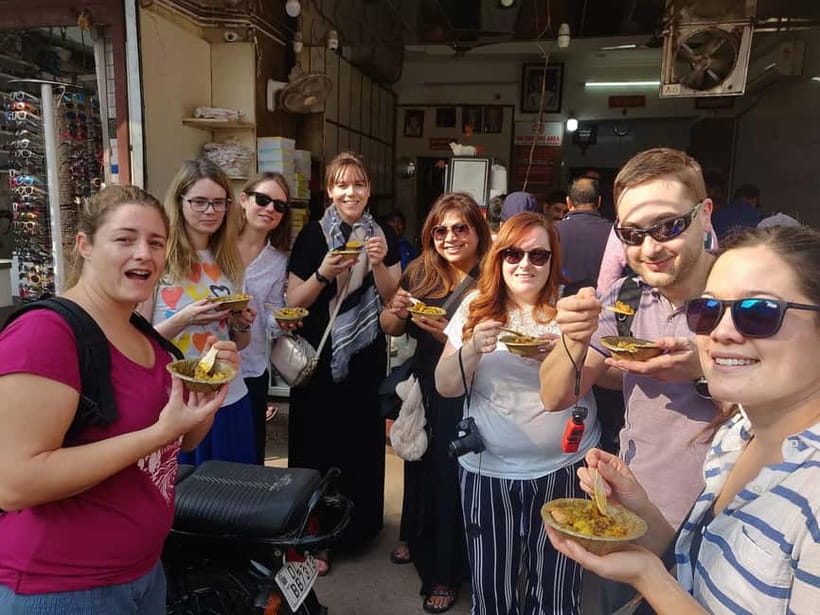
The price is listed at $3.30 per person, and for that kind of money you’re getting more than a ride. You’re also paying for an English-speaking local expert, bottled water, and local bites/snacks during the market portion—plus the tour structure that keeps you moving logically.
Here’s how I think about value on a short tour like this. You’re paying for three things that usually cost extra in Delhi: (1) guided time, (2) getting access to the right areas without stress, and (3) a shopping environment with guardrails. Even if monument entrances vary depending on your option, the base package still gives you a solid “Old Delhi orientation + market experience” mix.
Pickup, meeting point, and where you actually start
You have two practical choices: pickup is optional, or you can meet at Sunehri Masjid near Red Fort. If you pick the option without pickup, the meeting point is clearly tied to the Sunehri Masjid near Red Fort marking, so you’re not trying to guess your way into the right lane system.
If you do select pickup, you’ll coordinate when the driver reaches your location. The instructions say you should confirm your pickup details so the driver can reach you and you can stay in contact quickly (they mention WhatsApp).
Drop-offs are listed across multiple areas, including Delhi, Noida, Ghaziabad, Faridabad, Sunehri Masjid, and Greater Noida. That’s a nice touch because it reduces the last-mile headache at the end.
The Red Fort doorstep: starting with Sunehri Masjid and major viewpoints

The tour includes standout sights around the Red Fort area even when you’re not stopping inside. You’ll pass by Sunehri Masjid near the Delhi Gate of Red Fort, and you’ll also get Gurudwara Sis Ganj Sahib in the same general orbit.
Why this matters: first-timer Delhi days often start with confusion—where everything is relative to the fort, where the big lanes feed into the main streets, and why certain buildings seem to frame the area. Passing these landmarks early gives you that mental map before you hit the densest market zones.
You’ll also have Red Fort in your route as a pass-by photo/awareness stop. Think of it as a visual anchor: you’ll see enough to locate it in your head, even if the time focuses more on the market and other visits.
Jama Masjid: photos, orientation, and what to notice
Jama Masjid is the kind of place where one good visit can change how you understand the neighborhood. The tour includes Jama Masjid with break time, a photo stop, and a visit.
On a day like this, I’d use your guide’s explanations to pay attention to the street rhythm as you approach. Big mosque areas in Old Delhi work as both a spiritual center and a “movement hub,” and your guide can help you spot what to look for before you get swept along.
This is also where the tour’s English/Spanish guide support helps most. If you want context without translating everything yourself, you’ll appreciate having a local expert steering the story rather than just pointing at buildings.






Khari Baoli spice shopping: the market portion that needs a guide
If Chandni Chowk is the headline, Khari Baoli is where the scent hits first. Your itinerary includes Khari Baoli with break time, a photo stop, and a visit.
What makes this stop valuable is that it’s not only about buying. Spice shopping in places like this can turn into chaos fast—prices, quality, and even terminology move quickly. A local guide helps you slow down just enough to ask the right questions and avoid feeling pressured.
You’ll also be able to pair what you see with the sensory part of the day. The tour includes local bites/snacks and bottled water, which is smart because shopping and tasting can make the hours disappear in a good way.
Chandni Chowk: the classic market loop (and where it can go wrong)
Chandni Chowk is famous for a reason. The tour builds in Chandni Chowk with break time, a photo stop, and a visit—so you get both the big-picture experience and enough time to browse.
Here’s the practical balance: markets like this can feel overwhelming if you keep moving without any anchor. That’s why the tour uses short pauses. Use those pauses to:
- decide what you want to bring home (spices, sweets, small gifts)
- ask the guide how to spot quality
- take photos without pushing deeper into the busiest lanes
Also, note that part of the listed information says you pass by some places without stopping. So treat your schedule as “guided priorities,” not an endless list of door-to-door entries.
The Gurudwara Sis Ganj Sahib area: faith, architecture, and quick context
You’ll see Gurudwara Sis Ganj Sahib referenced right alongside Sunehri Masjid, near the Red Fort zone. Even when your day is centered on markets, stopping near a major place of worship changes how you read the street.
This is one of those moments where a guide’s explanations matter even if you’re only doing a pass-by or a quick look. You’ll come away understanding that Old Delhi isn’t just commerce—it’s layered by community life, and that’s why certain neighborhoods feel different from street to street.
Digambar Jain Temple across from Red Fort: a quieter contrast

Your route includes Digambar Jain Temple, listed opposite Red Fort on Old Delhi’s side. It’s a great contrast stop because it breaks the day’s “market intensity” with something more still, at least compared to the lane noise.
Even if you keep the visit short, this stop can help you appreciate the area’s variety. Old Delhi isn’t one single vibe, and getting a glimpse of another faith landmark keeps your day from turning into only shopping and shouting.
Bikaner Sweets and the snack logic that saves the day
One of the most useful bits of planning here is that you’re not left to guess when you’ll eat. The tour includes local bites/snacks in the market, and Bikaner Sweets appears in the route area near Chandni Chowk and Lal Qila.
I like this approach because it prevents the common problem with market tours: you go in hungry, you buy stuff too early, and you end up tasting and shopping at the wrong time. A snack break lets you keep shopping energy without feeling wrecked by heat and crowds.
What’s included (and what isn’t), so you don’t get surprised
Included items are listed clearly: local tuk-tuk ride for pickup and tour duration, a professional English-speaking local expert, local bites/snacks in the market, bottled water, plus entrance fees and pickup for monuments if you select the matching option.
Not included: meals, and tickets are not included. This means you should expect that some monument costs may depend on what’s already covered under your chosen option. If you’re the type who wants every single entry fee handled, double-check your selected package before you go.
Also, skip the ticket line is mentioned. That’s helpful because line time in busy zones can eat your short tour window.
Packing light and planning for comfort
The tour is simple on paper, but street reality matters. No luggage or large bags is a firm rule, and that affects what you can bring for shopping. If you plan to buy spices, think about how you’ll carry them comfortably after the tour.
A few more comfort points:
- The duration is 3–4 hours, so it’s a short commitment.
- It’s a private group, which usually means a better pace for questions and photos.
- Wheelchair accessibility is listed, but the note about not being suitable for pregnant women suggests there’s enough walking/uneven ground that you should be cautious if you’re mobility-sensitive.
Who this tour is best for (and who should skip it)
This tuk-tuk experience is ideal if you want your first Delhi Old City day to feel guided and practical. It fits well for:
- first-time visitors who want an orientation route with major sights
- people who want spice shopping help without getting lost in sales pressure
- travelers who like short, focused tours rather than all-day marathons
- anyone who prefers a private group approach to crowded sightseeing
It’s not suitable for pregnant women (explicitly stated). And if you dislike market noise or can’t handle narrow lanes with frequent stops, you might find this style more stressful than fun.
Should you book this Delhi tuk-tuk spice and Old Delhi tour?
I’d book it if your goal is simple: see key landmarks around the Red Fort zone, then spend real time in Khari Baoli and Chandni Chowk with a guide helping you make sense of the place. The value comes from the blend—transport that gets you close, a local expert who explains what you’re seeing, and snacks/water so your shopping day stays enjoyable.
I’d skip or reconsider if you need lots of quiet time, you want fully itemized monument entries with no variables, or you’re traveling with large luggage. And because the day is built around street-level markets, you’ll do best if you’re comfortable walking in dense areas for short stretches.
If you’re ready for a smart, no-fuss Old Delhi sampler—with spice shopping at the center—this tour is a strong fit.
FAQ
How long is the Delhi tuk-tuk tour?
The duration is listed as 3 to 4 hours.
How much does the tour cost?
The price is listed as $3.30 per person.
What are the main stops on the route?
Key stops include Sunehri Masjid (near Gurudwara Sis Ganj Sahib), Chandni Chowk, Gurudwara Sis Ganj Sahib area, Red Fort (pass by), Digambar Jain Temple (opposite Red Fort), plus Jama Masjid and Khari Baoli.
Is pickup included?
Pickup is optional. If you choose an option without pickup, you meet at Sunehri Masjid near Red Fort. If you choose pickup, you’ll confirm the pickup location and coordinate when the driver arrives.
What languages are the guides?
The tour provides live guides in English and Spanish.
Is it wheelchair accessible and are large bags allowed?
Wheelchair accessibility is listed, but luggage or large bags are not allowed. It is also stated as not suitable for pregnant women.