REVIEW · NEW DELHI
Delhi: Old And New Delhi Private Full Or Half-Day Tour
Book on GetYourGuide →Operated by SHADOW TRIPS · Bookable on GetYourGuide
Delhi’s sacred stops in one tidy morning. This private tour mixes Old Delhi street energy with the big scale of Jama Masjid and then shifts into New Delhi’s monuments, guided by a professional English speaker and (when selected) a handy Chandni Chowk tuk-tuk ride. One thing to think about: if you book the guide-only setup, you’ll be limited to Old Delhi and miss the New Delhi highlights.
You’re looking at about 3 hours total, with pickup offered from places like Delhi, Noida, Gurugram, Ghaziabad, and Faridabad in the standard tour option. Bring a passport or ID, and pack light since luggage or large bags aren’t allowed.
In This Review
- Key highlights that matter
- Why this Old and New Delhi spiritual tour works fast
- Pickup reality: where you start and why it affects your day
- Old Delhi start: Chandni Chowk from Sunheri Masjid
- Jama Masjid: scale, build time, and what to watch for
- Khari Baoli pass-by: spices and fixed-price shopping rhythm
- Red Fort pass-by: UNESCO landmark without the full time sink
- Choosing between Laxmi Narayan Temple and Humayun Tomb
- Gurudwara Bangla Sahib: gold inside and a calmer spiritual pause
- New Delhi landmarks: India Gate and the government district pass-by
- Lotus Temple from the outside: what to expect
- The guide experience: flexible pacing and photo help
- Cost and value: what about $2.55 really buys
- What to bring (and what not to)
- Should you book this Old and New Delhi private spiritual tour?
- FAQ
- How long is the Delhi Old and New Delhi private tour?
- Where can pickup be arranged?
- If I choose only guide services, what part of Delhi will I see?
- Is a tuk-tuk ride included?
- Which monuments are included on the route?
- Can I choose between Laxmi Narayan Temple and Humayun Tomb?
- Are tickets included?
- What do I need to bring?
- Is luggage allowed?
- Is this tour suitable for pregnant women?
Key highlights that matter
- Sunheri Masjid to Chandni Chowk: You start with a guide-led ride past the area’s main markets.
- Jama Masjid timing and scale: Built starting in 1650 and completed in 1656 in just six years.
- Khari Baoli spice market pass-by: Fixed-price stalls focused on spices and tea.
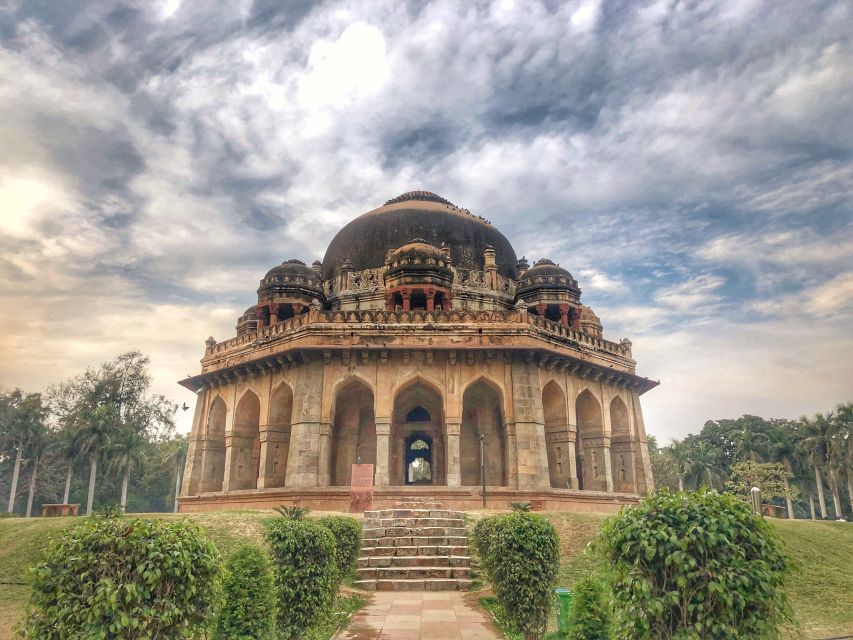
- A choice between Laxmi Narayan Temple and Humayun Tomb: You’ll pick the side of spiritual/heritage you want most.
- Bangla Sahib + New Delhi icons: Gurudwara Bangla Sahib, India Gate, Parliament and Rashtrapati Bhavan (pass by), plus Lotus Temple from the outside.
Why this Old and New Delhi spiritual tour works fast
Delhi can feel like a lot. This tour is a smart way to get your bearings without turning the day into a logistics nightmare. You move through Old Delhi’s sacred and market areas, then shift gears to New Delhi’s memorial and temple landmarks, all under a single plan with an English-speaking local guide.
Two things I’d call out right away. First, I like the way the route is built around spiritual landmarks, not just random sightseeing stops—Jama Masjid and Gurudwara Bangla Sahib give you real religious context. Second, if you select the tuk-tuk option for Old Delhi, you get a ride through Chandni Chowk that saves time and helps you see the street life without spending the full half-day stuck in traffic.
One possible catch: depending on what you select, you may not get the full Old-and-New Delhi mix. The guide-only setup limits the tour to Old Delhi, so double-check which option you’re booking if New Delhi landmarks are on your must-see list.
You can also read our reviews of more private tours in New Delhi



Pickup reality: where you start and why it affects your day
This tour is designed to be easy to plug into your trip. In the main tour setup, pickup is offered from anywhere in Delhi, Noida, Gurugram, Ghaziabad, and Faridabad, which is helpful if your hotel is outside central Delhi. You’ll meet your guide at your hotel or a designated meeting point, then go straight to the first sights.
But there’s an alternate starting structure you should know about. Some ticket types do not include pickup, and the guide is exclusively available for the Old Delhi portion. If you’re trying to cover both sides of the city—Old Delhi monuments plus New Delhi icons—make sure your pickup and itinerary selection match that goal.
Also, keep the tour’s time window in mind. The estimated duration is about 3 hours, and the route mixes pass-by segments with a few key stops. That means you’ll get less lingering time at each place than you would on a slower, full-day plan, so you’ll want to arrive ready to look, listen, and move.
Old Delhi start: Chandni Chowk from Sunheri Masjid
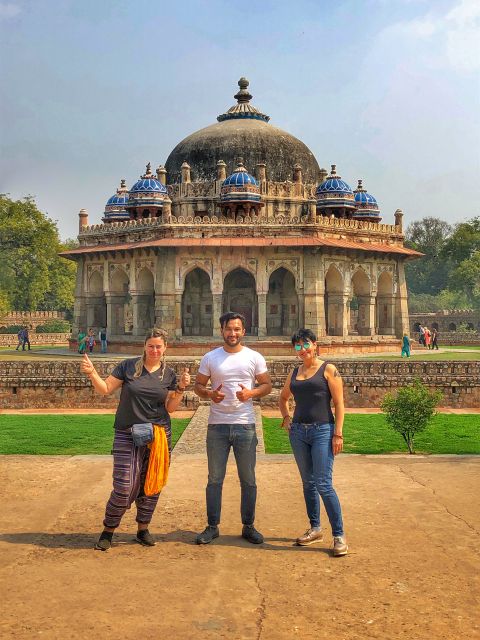
Your tour begins near Sunheri Masjid, and from there you head into the Chandni Chowk area. You can sit back in the tuk-tuk if that option is selected, and your guide uses the ride time to explain what the bazaars do for locals. This is one of those moments where the city feels like a system. Markets aren’t just stalls—they’re a daily rhythm.
Chandni Chowk is also a great place to notice how Delhi’s old layers interact with modern life. As you pass by, you’re not trying to do everything on your own. You’re getting the big picture first: where people shop, what the street looks like at work pace, and what to watch for as you go.
What I like about this start is that it’s not random. It’s intentionally close to the spiritual stops later in the route. You get market context before you step into a major mosque.
Quick consideration: since the tour includes pass-by riding, the best experience comes when you stay engaged—look up at facades and pay attention when your guide points out key landmarks.
Jama Masjid: scale, build time, and what to watch for
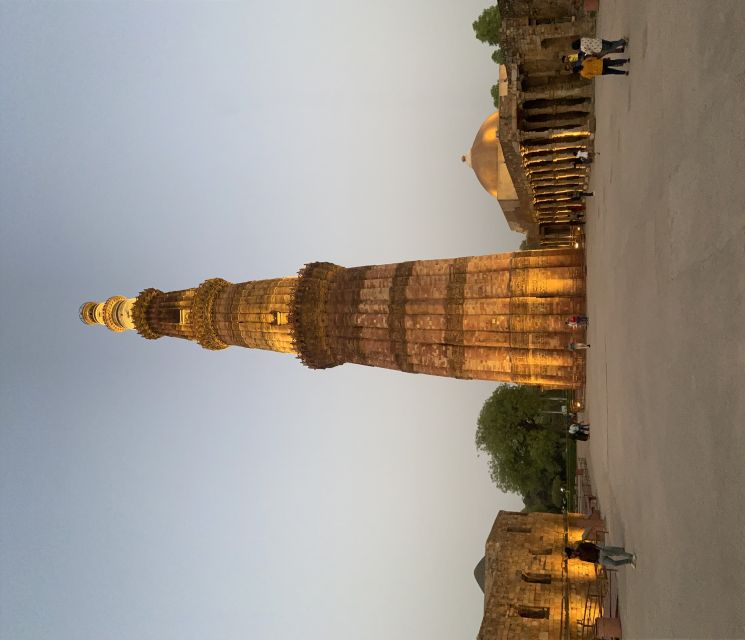
The first major stop is Jama Masjid (also known as Masjid-i-Jehan-Numa). It’s listed as India’s largest mosque, and the dates matter: work started in 1650 and it was completed in 1656. That’s a six-year build—fast for a structure at this scale.
Even without deep architectural jargon, you’ll feel the difference between an everyday place of worship and a landmark built for thousands. Your guide’s job here is practical: help you orient quickly and understand why this mosque is so central to Old Delhi’s identity.
A tip that helps: treat this stop as both a visual checkpoint and a listening moment. The guide’s explanations are part of the value, because the monument only comes alive when you understand what you’re looking at.
From a planning standpoint, Jama Masjid is also a good anchor point in the itinerary. It keeps the day grounded before the tour moves to markets again and then into heritage and New Delhi landmarks.
Khari Baoli pass-by: spices and fixed-price shopping rhythm
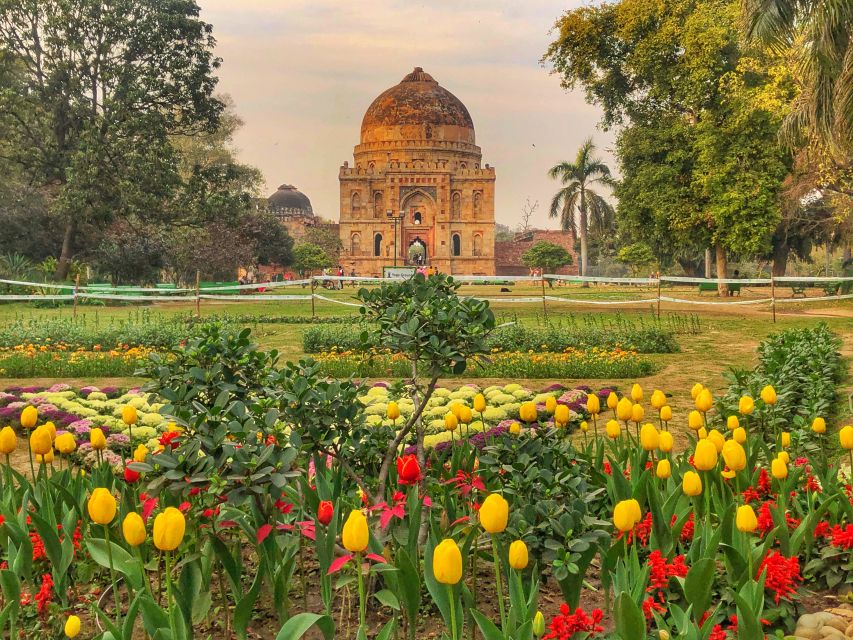
After Jama Masjid, you’ll pass by Khari Baoli, famous for spices and for the market’s fixed-price approach. The idea here isn’t a full shopping spree. It’s a taste of what people come for, with your guide framing what you’re seeing—especially around spices and tea.
This is the kind of stop that works best when you’re open to sensory details. Even if you’re not buying anything, you’ll get a clearer picture of Delhi’s food and trading culture. Spices are a daily necessity, not a tourist souvenir.
Potential drawback: because it’s a pass-by segment, you won’t have the same freedom you’d have on a dedicated food-market tour. If you’re the type who likes to browse slowly, you might want to come back later on your own.
You can also read our reviews of more tours and experiences in New Delhi




Red Fort pass-by: UNESCO landmark without the full time sink
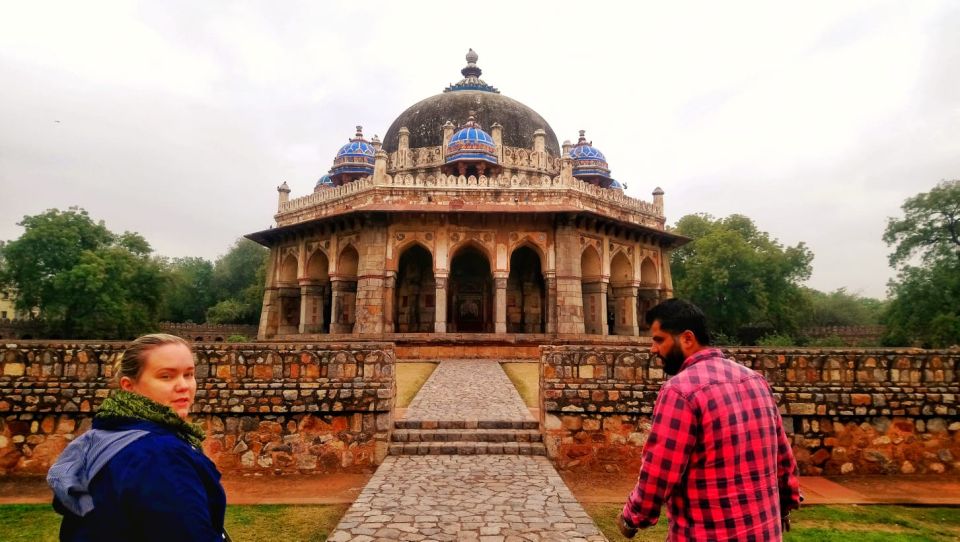
You’ll then see the Red Fort as a pass-by UNESCO World Heritage Site. Even in a short viewing window, it’s an iconic marker of India’s past. The value here is that the fort slots into your mental map: after the mosque and spice market, you’re now seeing the larger historical statement piece that anchors the city’s identity.
Since this is a pass-by component, you won’t get the kind of deep on-site pacing you might want if you planned a longer history-heavy day. But for a half-day plan, it works. You get the landmark, you get orientation, and you keep energy for the next spiritual and New Delhi sights.
Choosing between Laxmi Narayan Temple and Humayun Tomb
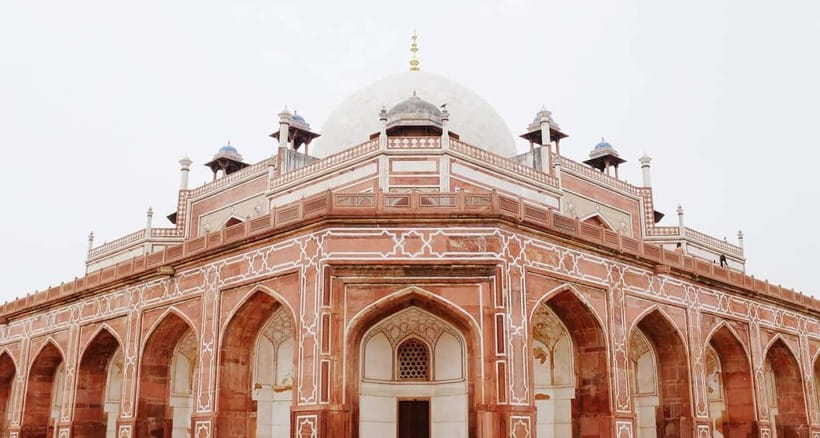
A key feature of this tour is a choice: you can select Laxmi Narayan Temple or Humayun Tomb. This matters because each option tells a different kind of story.
Laxmi Narayan Temple is described as a modern architectural masterpiece dedicated to Vishnu and Lakshmi. The walls are intricately carved, and exhibits help you connect Indian culture and spirituality with what you’re seeing. It’s also described as a quieter, museum-like cultural stop compared with the intense street energy of Old Delhi.
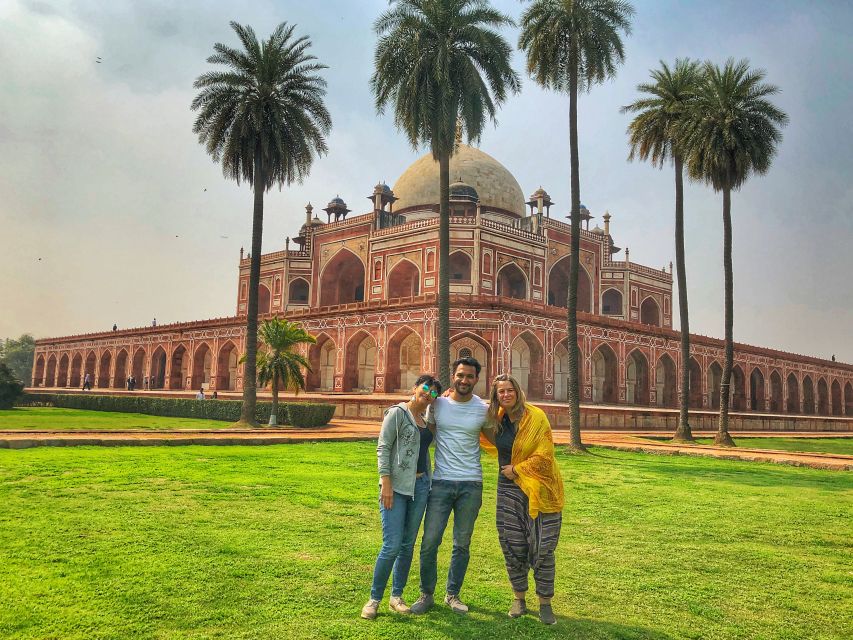
Humayun Tomb, on the other hand, fits if you’re prioritizing Mughal-era heritage and want a different historical mood.
If you want the spiritual thread to feel current and devotional, Laxmi Narayan Temple is the natural fit. If you want the day to lean more heritage-focused, pick Humayun Tomb.
Gurudwara Bangla Sahib: gold inside and a calmer spiritual pause
Next comes Gurudwara Bangla Sahib, described as Delhi’s biggest gurudwara, dedicated to the eighth guru, Guru Har Krishan Ji. One detail that stands out from the description: inside, everything is made by gold, and it dates back to the 17th century.
Whether you’re visiting for faith, culture, or architecture, this stop tends to slow people down. The tour design helps: after marketplace and mosque scale, Bangla Sahib provides a calmer spiritual pause.
In terms of pacing, it’s a smart placement. By the time you reach Bangla Sahib, you’ve already seen monuments that make bold public statements. Now you’re seeing a place built for devotion and worship.
New Delhi landmarks: India Gate and the government district pass-by
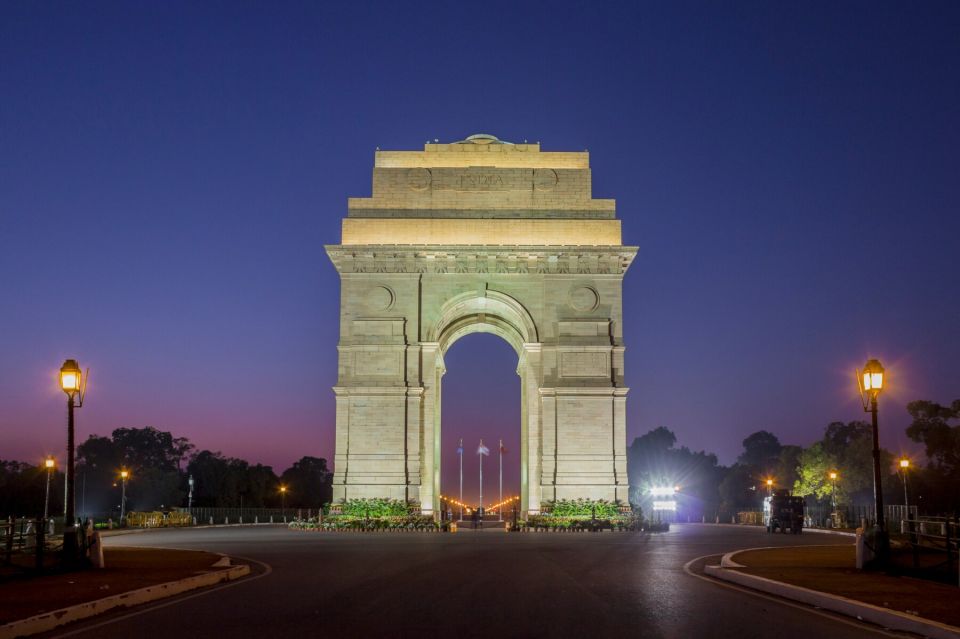
After the spiritual stops, the itinerary moves into New Delhi’s major sights. You’ll pass India Gate, described as a war memorial linked to the First World War against Germany and referencing the Indo-British army, with soldier names on the wall.
This is not a long stop in the plan, but it’s a significant one visually. India Gate is where you see how Delhi holds national memory in stone and space.
You’ll also pass Rashtrapati Bhavan (President’s House) and Parliament House, two symbols of India’s democracy. Even from a viewing window, your guide’s context helps you understand why these buildings matter beyond their appearance.
The practical value: you get the big-ticket New Delhi sights without spending your whole afternoon stuck in long transitions or fighting for time.
Lotus Temple from the outside: what to expect
The tour ends at Lotus Temple with views from the outside only. The description notes it’s a Bahai House of Worship built in 1869 and shaped like a lotus. It’s also described as having 27 petals outside and 9 inside, and the inside is presented as an empty hall where people can meditate according to their religion.
Even though you don’t go inside on this tour, seeing the building exterior is still useful. Lotus Temple is one of the most recognizable modern landmarks in Delhi, and it fits the tour’s overall theme: spirituality expressed through both old and newer design.
The guide experience: flexible pacing and photo help
This is a private tour, so your guide’s communication style matters a lot. The tour includes a professional English-speaking local expert, and the vibe you get from guides like Sam and Harsh (names that have shown up in past tour experiences) is practical and responsive.
Sam has been noted for sharing extra context and taking great photos for you, which is useful if you want a few images without micromanaging angles yourself. Harsh has been described as organized and able to be flexible to meet needs—exactly what you want on a 3-hour schedule in a city where plans can change quickly.
Because you’re private, you can usually ask where to spend a bit more attention. Just remember the itinerary is compact, so your best request is often about focus, not adding a full extra monument.
Cost and value: what about $2.55 really buys
The price shown—about $2.55 per person—is strikingly low, especially for a private guided experience that includes bottled water and covers parking fees, tolls, fuel, and taxes.
Here’s the practical value calculation for you:
- You’re paying for an English-speaking local guide and a planned route across Old and New Delhi.
- Bottled water is included, which matters more than it sounds on a short urban schedule.
- Parking, tolls, fuel, and taxes are covered, which reduces the chance of surprise costs.
What you might still need to budget for:
- Meals aren’t included.
- The local tuk-tuk ride is not included unless your ticket option includes it.
- If you choose certain ticket services, tickets may be provided; otherwise, entry costs aren’t clearly listed as included across the board.
So if your goal is a high-impact introduction—spiritual monuments plus major New Delhi icons—this tour can be excellent value for the time you have. If you’re picky about spending long periods inside sites or you want lots of shopping time, a longer or more specialized plan might still be a better fit.
What to bring (and what not to)
Keep it simple. Bring a passport or an ID card. You should also plan on traveling light because luggage or large bags aren’t allowed.
The tour’s not suitable for pregnant women, so if that applies, it’s worth choosing a different sightseeing format that’s easier on movement and comfort.
Also keep in mind language availability. Tours are offered in English, Italian, Russian, Spanish, and Japanese. If you’re traveling with someone who prefers one of those languages, this helps make the experience feel smooth from start to finish.
Should you book this Old and New Delhi private spiritual tour?
Book it if:
- You want a half-day plan that covers both Old Delhi monuments and New Delhi landmarks.
- You like explanations that connect buildings to religion and daily life.
- You want a guide who helps with pacing and photos, especially on the tight 3-hour timeline.
Consider skipping or switching options if:
- You specifically want the New Delhi monuments but you’re choosing the guide-only setup that limits you to Old Delhi.
- You want long, slow time inside every site. This itinerary mixes pass-by segments with a few key stops.
My take: this is a great choice for first-timers who want direction, not just photos. You’ll leave with a clearer sense of Delhi’s spiritual and civic layers, and you’ll know where to go next when you have more time.
FAQ
How long is the Delhi Old and New Delhi private tour?
The estimated duration is approximately 3 hours.
Where can pickup be arranged?
Pickup services are available from anywhere in Delhi, Noida, Gurugram, Ghaziabad, and Faridabad in the standard tour option.
If I choose only guide services, what part of Delhi will I see?
If you select only guide services, the tour will be limited to Old Delhi.
Is a tuk-tuk ride included?
The local tuk-tuk ride is for the Old Delhi part only, and it depends on the option you select for tickets. Meals and the tuk-tuk ride are not included by default.
Which monuments are included on the route?
The tour includes pass-by stops around Chandni Chowk, Khari Baoli, Red Fort, India Gate, and President’s House and Parliament House, plus stops at Jama Masjid, Gurudwara Bangla Sahib, and either Laxmi Narayan Temple or Humayun Tomb, and an outside view of Lotus Temple.
Can I choose between Laxmi Narayan Temple and Humayun Tomb?
Yes. The tour offers an option to choose between Humayun Tomb and Laxmi Narayan Temple.
Are tickets included?
If you book the tickets option for the tour, tickets are provided. Otherwise, tickets are not listed as included.
What do I need to bring?
You should bring a passport or ID card.
Is luggage allowed?
No. Luggage or large bags are not allowed.
Is this tour suitable for pregnant women?
No, it is not suitable for pregnant women.