REVIEW · NEW DELHI
Delhi: Old Delhi Slum Tour by Metro or Car
Book on GetYourGuide →Operated by India Tour Solution - ITS · Bookable on GetYourGuide
Old Delhi doesn’t look like a museum here. This 2-hour walk-and-visit format with a local guide shows how people make a living in tight spaces, with a strong focus on dignity, community, and real conversations. I especially like that the tour is designed to be safe, respectful, and non-intrusive, and that you’ll get close enough to see how micro-industries work day to day, including garment-related work. One drawback to plan for: the tour has a strict no-photography rule, so you’ll need to enjoy the experience with your eyes, not your camera.
The day moves in short segments—community center, lane walk, a home visit, then quick stops for artisans and a small business—so it doesn’t turn into a grim endurance test. I also like that you meet at Sadipur Metro Station near Burger King, which makes it easier to anchor your day in the middle of Delhi without guessing how to get there. Your best outcome depends on your guide and how your day’s flow is timed, so go in with a flexible mindset about which small moments you’ll see.
In This Review
- Key highlights you’ll actually feel
- What makes this Old Delhi slum tour worth your attention
- Starting at Sadipur Metro: the tour’s tone in the first 10 minutes
- Community center stop (about 30 minutes): where support turns into skills
- Walking the narrow lanes for 40 minutes: work, kids, and everyday logistics
- Visiting a local home (about 20 minutes): the dignity lesson
- Artisans and handmade crafts (about 10 minutes): embroidery, pottery, and support
- Small business visit (about 10 minutes): entrepreneurship in tight spaces
- Transportation and timing: how the 2 hours really works
- Price and value: what $19 buys in real terms
- Safety, etiquette, and what to bring (so the visit stays smooth)
- Guides: what you get when your guide knows the neighborhood
- Who should book this Old Delhi slum tour
- My booking checklist: questions to ask before you go
- Should you book this tour?
- FAQ
- Where do I meet for the tour?
- How long is the tour?
- Is the tour wheelchair accessible?
- Is photography allowed?
- What transport options are included?
- Can I cancel for a full refund?
Key highlights you’ll actually feel
- Meet at Sadipur Metro (near Burger King): clear starting point right by transit.
- Community Center first: see how education and vocational training shape adult and youth life.
- Narrow-lane walking: street activity up close, from kids at play to vendors working.
- Home visit for honest dialogue: routines, aspirations, and daily challenges at human scale.
- Artisans + small business stops: a chance to support livelihoods through optional purchases.
- No-photo policy: privacy-first approach that keeps the visit respectful.
What makes this Old Delhi slum tour worth your attention
A slum tour can go wrong fast. The wrong kind turns people into a spectacle. The good kind—this one—tries to do the opposite. You’ll be guided through local life with ground rules that protect privacy and keep the experience from becoming confrontational.
I like that the focus stays practical. You don’t just hear sweeping stats; you see how people organize their day, how work happens in miniature, and how neighborhood support systems keep things moving. The garment-related micro-industry is a key thread, and it helps you understand why small workshops and repeatable skills matter so much when jobs are irregular.
Also, it’s not only about hardship. You’ll meet people and hear how community centers, vocational training, and local entrepreneurship create pathways forward. That balance is the point: this tour is about social and economic reality, but delivered with respect and context, not pity.
You can also read our reviews of more tours and experiences in New Delhi.



Starting at Sadipur Metro: the tour’s tone in the first 10 minutes
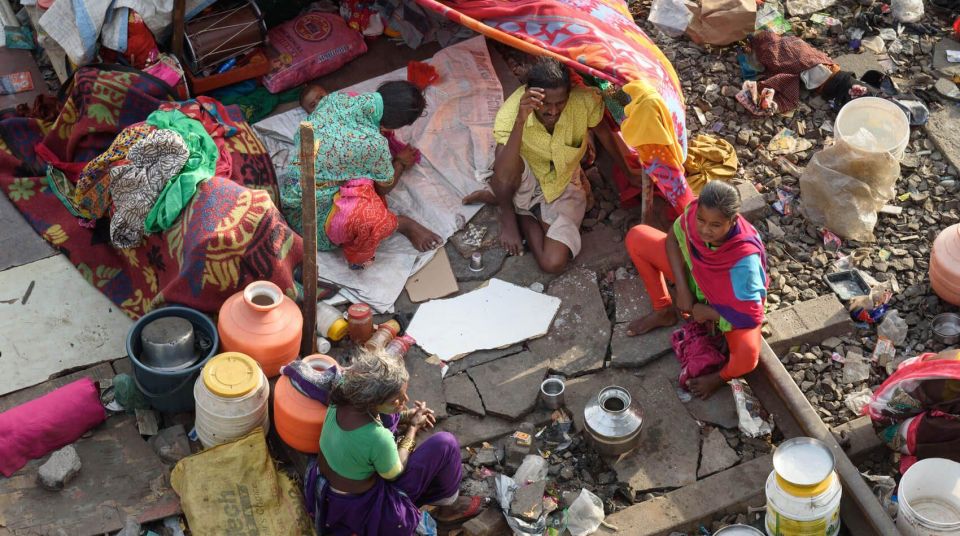
You’ll meet your guide near Sadipur Metro Station, close to Burger King. This matters more than you might think. It keeps the experience grounded in real neighborhood transit rather than a remote staging area.
In the first part of the tour—about 10 minutes—your guide sets expectations: a quick orientation to Old Delhi and the Sadipur area, plus the purpose of the visit. That framing is what makes the rest of the experience work. You know what you’re there to learn, how to behave, and how to ask questions without turning anyone’s life into a performance.
Language options include English, German, and Hindi, and that’s a real quality-of-life detail. If you can understand the guide clearly, you can ask better questions and actually connect the dots between what you see and what you hear.
Community center stop (about 30 minutes): where support turns into skills
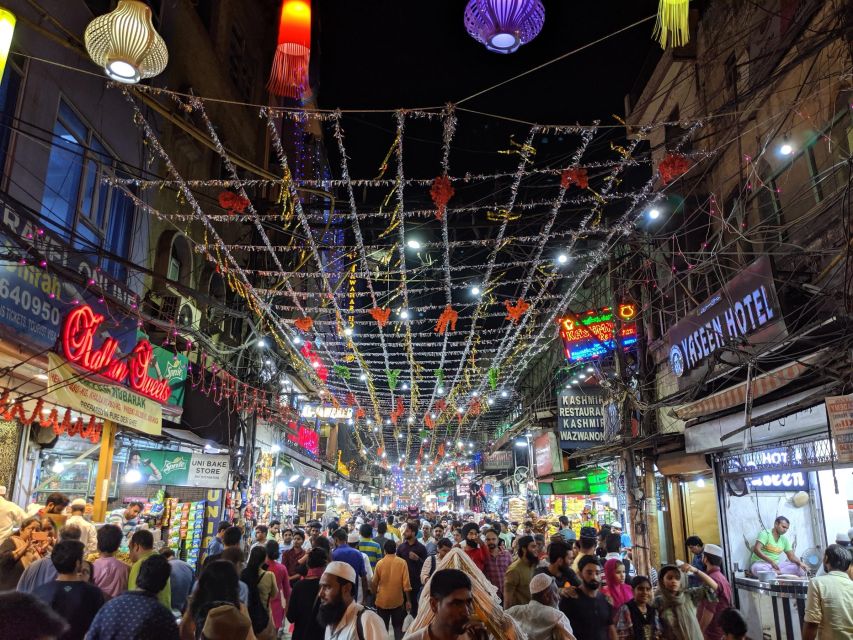
This tour spends about 30 minutes at a local community center. Think of it as the neighborhood’s hub—where social life meets education and skills training.
What to look for here:
- How the center supports both education and vocational training
- How community development shows up in everyday routines
- The way residents explain their goals and priorities in plain terms
This stop is valuable because it shifts your lens. A lot of visitors only focus on housing and visible poverty. A community center shows the other side: how people build stability through learning and practical skills.
You’ll also have informal conversation time. That doesn’t mean heavy interrogation. It’s more like getting a local’s perspective on what’s changing, what’s stayed difficult, and what the community does to keep going.
Walking the narrow lanes for 40 minutes: work, kids, and everyday logistics
The heart of the tour is a 40-minute walk through narrow lanes. This is where Old Delhi’s daily rhythm becomes impossible to ignore.
You’ll likely see:
- Street vendors working and moving things along
- Children playing as part of the normal street scene
- People navigating tight spaces in ways that feel efficient, not chaotic
The best part is that your guide helps you connect what you see to how livelihoods actually function. Micro-industries pop up in small corners—work that depends on repeated processes, local networks, and access to customers or supply chains.
There’s also a reality check. These lanes bring you face-to-face with challenges: sanitation concerns, crowded conditions, and how weather affects daily movement. Your guide’s job is to help you understand the tradeoffs without treating residents like a storyline.
Visiting a local home (about 20 minutes): the dignity lesson
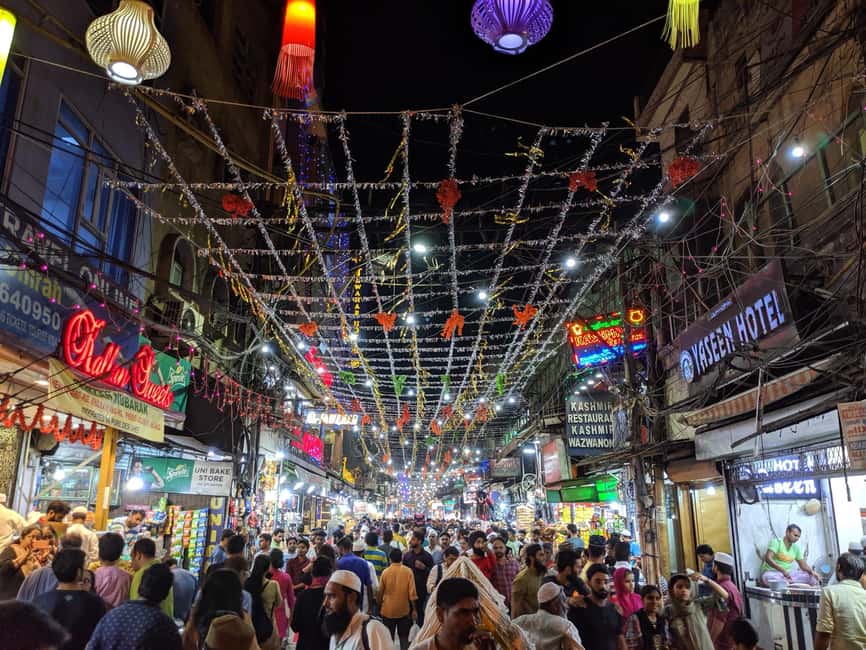
Next comes a 20-minute home visit. This is where the tour becomes personal—in the best possible way.
Expect a conversation about daily routines, aspirations, and challenges. You may also experience local hospitality. Some guides incorporate something like chai at the family’s home, and the general vibe is warmth and ordinary conversation, not a staged interview.
Two things to keep in mind:
- Privacy matters. Don’t try to photograph or hover in a way that makes people feel on display.
- Your job is to listen first. Ask questions only after your guide sets the tone.
Why this stop works: it reminds you that a neighborhood is more than an image. People here have traditions, responsibilities, and goals that don’t fit into a single label like slum or hardship zone. A home visit compresses all that into something you can actually understand.






Artisans and handmade crafts (about 10 minutes): embroidery, pottery, and support
The artisan stop is short—about 10 minutes—but it’s a meaningful one. You’ll see local crafts such as embroidery or pottery, and you may have an opportunity to purchase handmade souvenirs.
This is the moment to think like an ethical buyer:
- If you buy, do it because you value the craft and you’re supporting the person behind it.
- Ask about materials or process if your guide says it’s appropriate.
- Skip the grabby browsing. Privacy-first rules apply everywhere.
Also remember: the tour follows a strict no-photography policy. That means you won’t be able to document everything visually. In exchange, you’ll get a calmer, more respectful interaction.
Small business visit (about 10 minutes): entrepreneurship in tight spaces
After artisans, there’s a 10-minute visit to a small business run by a resident. This part is about how entrepreneurship shows up in daily life—often in ways outsiders miss.
You’ll get an explanation of how starting or maintaining a business can improve livelihoods. In places where stable employment may be hard to find, small ventures can provide steadier income through customer relationships and repeat demand.
Optional purchases may be available. This is one of the cleaner ways to support the community without turning the visit into charity theater. If you buy, do it thoughtfully and within what your guide recommends.
Transportation and timing: how the 2 hours really works
The full experience runs about 2 hours, broken into segments that keep the walk manageable and prevent you from being rushed through every stop.
Depending on the option you book, you might include:
- A tuk-tuk ride
- Hotel pickup and drop-off (if that option is selected)
- Drop-off in nearby areas across Delhi/NCR (your end point can vary)
Why this matters: the distance between points can be enough that transit comfort affects your mood. When you start and end smoothly, you can focus on observation and conversation instead of logistics stress.
The tour also provides water or a cold drink, which is a small detail but a smart one in Delhi.
Price and value: what $19 buys in real terms
At about $19 per person for a 2-hour guided experience, this isn’t priced like a typical attraction. You’re paying for something more personal and harder to standardize: a local English-speaking guide, a structured community visit, and escorted access to places that aren’t built for tourism.
What makes it good value:
- You get a local guide who can explain social and economic realities with context
- The tour includes multiple stops, not just a single walk past storefronts
- You’re supported with water/cold drink, and transport may be included depending on your selection
What not to assume: this is not a self-guided photo safari. If you’re coming only for Instagram-style sightseeing, the no-camera rule and privacy-first approach may feel limiting. But if you want understanding and respectful access, the cost-to-time ratio makes sense.
Safety, etiquette, and what to bring (so the visit stays smooth)
The tour is designed to be safe and respectful, and multiple guides are described as friendly, patient, and careful with guests—especially for solo visitors. Still, you should follow the rules your guide gives you and treat the neighborhood like a real home environment.
Bring:
- Comfortable closed-toe walking shoes (some areas can be dirty)
- Hand sanitizer or tissues
- Modest clothing (no low-cut or sleeveless tops, and avoid short shorts)
Plan for weather. During monsoon months (roughly June to mid-September), the ground can be messy. Closed-toe shoes stop you from turning a learning experience into a sweaty problem.
Don’t bring:
- A camera. The tour has a strict no-photography policy.
- Alcohol or drugs.
One more practical tip: keep your phone put away unless your guide explicitly allows anything. In this type of visit, privacy rules matter more than your photo urge.
Guides: what you get when your guide knows the neighborhood
Your guide is the difference between a tour and a misunderstanding. Many tours in big cities treat local people as background. Here, the guide acts like a bridge.
Guides named in experiences include Aamir and Sunny, both described as connected to the area and able to introduce you to community members naturally. Some accounts also mention drivers like Rehan and guides like Gaurav, with strong emphasis on patience, clarity, and keeping the visit comfortable.
What that translates to for you:
- You’ll get explanations that fit what you’re seeing, not generic schoolbook answers
- You’ll likely feel safer navigating streets because your guide understands how interactions work
- You’ll be encouraged to keep questions respectful and focused on daily reality
Who should book this Old Delhi slum tour
Book it if:
- You want a human-scale understanding of Delhi beyond major monuments
- You like guided conversation and structured visits rather than wandering alone
- You’re open-minded and okay with learning about economic hardship without turning it into voyeurism
- You travel with curiosity about micro-industries—especially garment-related work—and community projects
Consider skipping or choosing a different style if:
- You strongly prefer photography-based experiences (the rule is strict here)
- You want a classic sightseeing route
- You’re uncomfortable with any emotional or social complexity around poverty and work conditions
For solo travelers, especially women, this format can feel reassuring because the guide controls the pacing and etiquette. Just follow the guidance and stay aware like you would anywhere busy and unfamiliar.
My booking checklist: questions to ask before you go
To get the best version of your visit, ask the operator or your guide (before the day starts):
- What language will you use on your walk and during conversations?
- Will you include the artisan and small business stops, and where do those typically happen?
- What is the agreed approach to no-photography, and can you use your phone only as needed?
- If you’re joining via pickup, what’s the exact meeting and drop-off plan?
Also, bring one small open attitude. You’ll get more out of this tour if you’re ready to listen and accept that daily life doesn’t come with neat tourist timing.
Should you book this tour?
I think you should book this Old Delhi Slum Tour by Metro or Car if your goal is learning how people live, work, and organize community life in a dense city neighborhood. The $19 price makes sense for what you get: a local guide, multiple visits in a tight 2-hour window, and a privacy-first approach that keeps the experience respectful.
Skip it only if you want classic sights or you’re hoping to photograph everything. If you’re happy to trade photos for real conversation, you’ll likely leave with a clearer, more grounded picture of Old Delhi—and a deeper respect for the community projects and small livelihoods that keep daily life going.
FAQ
Where do I meet for the tour?
You meet your guide at Sadipur Metro Station near Burger King.
How long is the tour?
The tour lasts about 2 hours.
Is the tour wheelchair accessible?
Yes, the tour is listed as wheelchair accessible.
Is photography allowed?
No. There is a strict no-photography policy to respect local residents’ privacy.
What transport options are included?
Depending on the option you book, you may get a tuk-tuk ride, and hotel pickup and drop-off may be included.
Can I cancel for a full refund?
Yes. You can cancel up to 24 hours in advance for a full refund.