REVIEW · NEW DELHI
Delhi: Old & New Delhi Private Tour Full or Half-Day By Car
Book on GetYourGuide →Operated by Afran India Tours · Bookable on GetYourGuide
Delhi has a way of grabbing you fast. This private tour is built for that: major landmarks plus the hands-on chaos of Old Delhi markets, all without you wrestling with traffic or routes. You’ll also get real context from a live guide, and I like that guides such as Sameer, Aved, Akhil, and driver Anwar have been highlighted for clear explanations and a calm, respectful day on the road.
Two things I like a lot: the mix of UNESCO-era sights (Qutub Minar and Humayun’s Tomb) with memorials like Raj Ghat, and the fact that you’re not just driving past crowds—you’ll actually ride through Chandni Chowk by rickshaw and then smell your way through Khari Baoli. One possible drawback: you’ll be walking and sitting in the car for long stretches, so it may feel like a lot of motion if you’re sensitive to pace; it also notes the tour isn’t suitable for pregnant women.
In This Review
- Key Highlights Worth Your Time
- Why this Old and New Delhi route works in 4 to 8 hours
- Qutub Minar and Humayun’s Tomb: where Delhi history becomes visible
- Lotus Temple and India Gate: calm places between big drives
- Jama Masjid and Chandni Chowk: Old Delhi on a rickshaw ride
- Khari Baoli spice market: the one-stop sensory overload
- Agrasen ki Baoli, Bangla Sahib, and the day’s pacing
- Lunch, Raj Ghat, and how the guide keeps the day from feeling rushed
- Red Fort and Rashtrapati Bhavan: big names, different levels of access
- New Delhi extras: shopping, Lodi Gardens, and arts & crafts time
- Price and logistics: what you’re really paying for
- Who this tour fits best (and who should skip it)
- Should you book this Delhi private tour?
- FAQ
- What time does pickup usually happen?
- Is this tour private, and do I get a car?
- Do I ride a rickshaw in Old Delhi?
- Is a live guide included at each stop?
- Are monument entrance fees included?
- What happens on Mondays?
- Is lunch included?
- What languages are the guides available in?
- What should I bring, and what’s not allowed?
Key Highlights Worth Your Time
- Hotel or airport pickup in a wide time window (7 AM to 11 AM) to start the day with less stress.
- UNESCO-grade stops in a tight loop: Qutub Minar and Humayun’s Tomb with guided time on site.
- Old Delhi by rickshaw plus a guided look at Jama Masjid and Chandni Chowk’s lanes.
- Khari Baoli spice market for the full-sensory Delhi experience: spices, dried fruits, and herbs.
- Monday swap logic: Red Fort and Lotus Temple are closed Mondays, so you’ll visit Gurudwara Bangla Sahib instead.
Why this Old and New Delhi route works in 4 to 8 hours
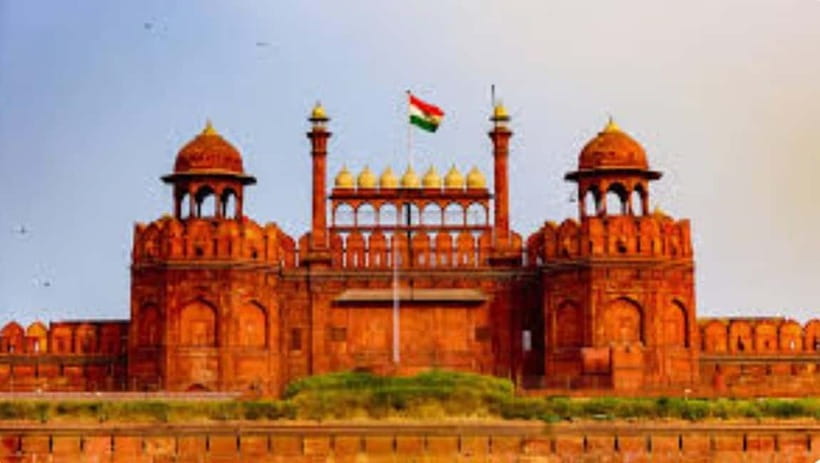
Delhi is huge, and trying to stitch together Old Delhi and New Delhi on your own can turn into a long day of car time and missed timing. This plan is designed around the idea that you’ll see both “halves” of the city in one shot, with a private air-conditioned car and a professional driver doing the navigation.
You also get a helpful start: you can be picked up from your hotel, Delhi Airport, or another listed area (and the driver meets you holding a sign with your name). Starting between 7 AM and 11 AM matters here because Delhi’s crowds and heat can change your comfort fast.
Finally, it’s private, so you can move at your pace even though the route is packed. That said, expect a day that’s active, not relaxed—there’s a rickshaw segment, several guided monument visits, and a shopping/arts stop later on.
You can also read our reviews of more private tours in New Delhi



Qutub Minar and Humayun’s Tomb: where Delhi history becomes visible
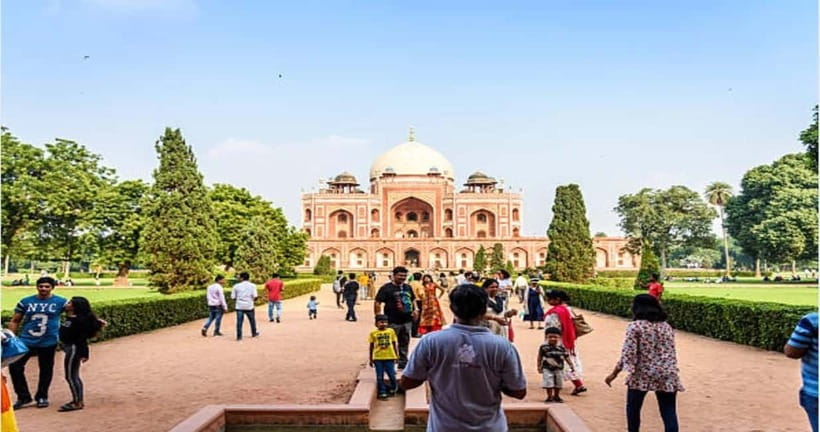
Your first “wow” moments come early with Qutub Minar and Humayun’s Tomb—two sites that help you understand how Delhi’s story stacks up over centuries.
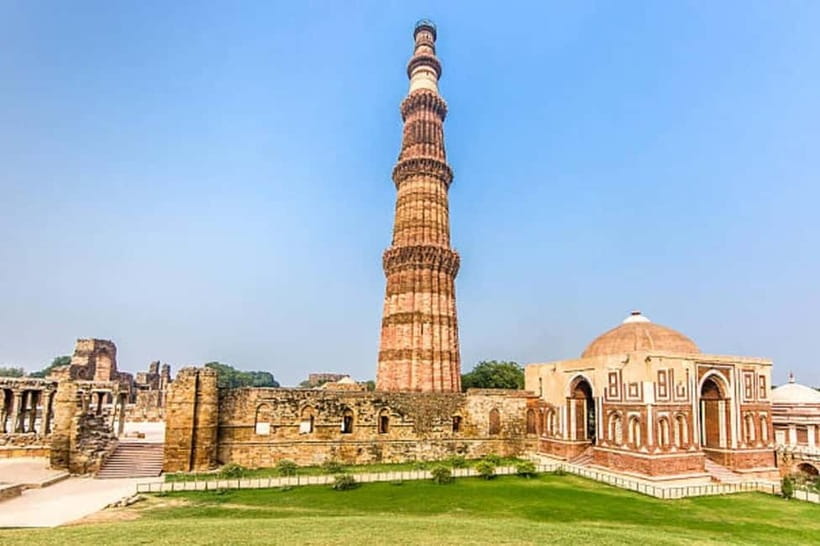
Qutub Minar is treated like a must-see for good reason. It’s a UNESCO World Heritage site and known as India’s tallest brick minaret. Your guided visit includes time to appreciate the intricate carvings and the history reaching back to the 12th century, so you’re not just looking—you’re learning what you’re looking at.
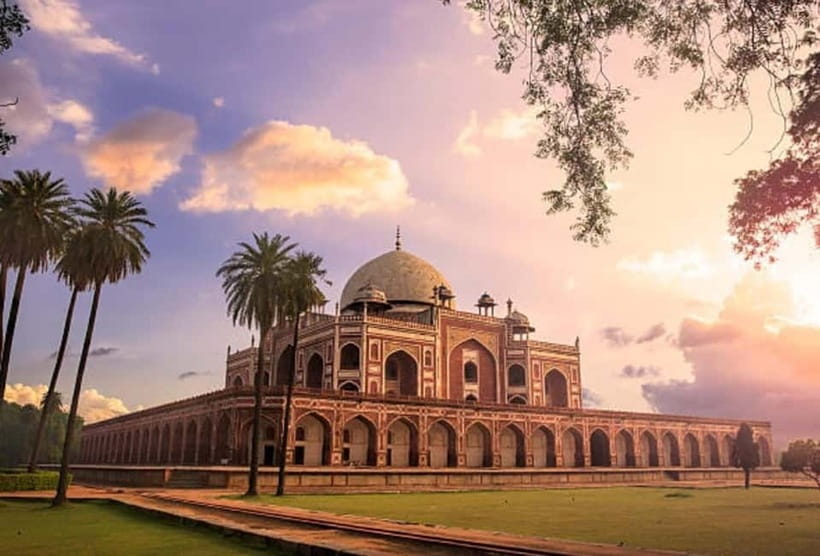
Then comes Humayun’s Tomb, a Mughal masterpiece and the inspiration behind the Taj Mahal. I like that this stop doesn’t only focus on the building; you also get guided wandering through its Persian-style gardens. The garden layout helps you grasp why Mughal architecture feels so controlled and intentional compared to Delhi’s chaotic street life.
Practical note: both of these are guided monument stops, and you’ll have set visit time blocks. That helps you stay on schedule, but it means you shouldn’t expect total free time to wander off on your own.
Lotus Temple and India Gate: calm places between big drives
After the grand Mughal era, the tour shifts to New Delhi’s signature landmarks and a different kind of atmosphere.
Lotus Temple is famous for its lotus-shaped design. You’ll get a guided visit with about an hour of time, but the key detail is inside access: an inside visit depends on queue length. The good news is that it’s a free monument, but queues can be long—so build flexibility into your expectations. If you do see inside, it’s one of those Delhi stops that feels noticeably quieter than the streets outside.
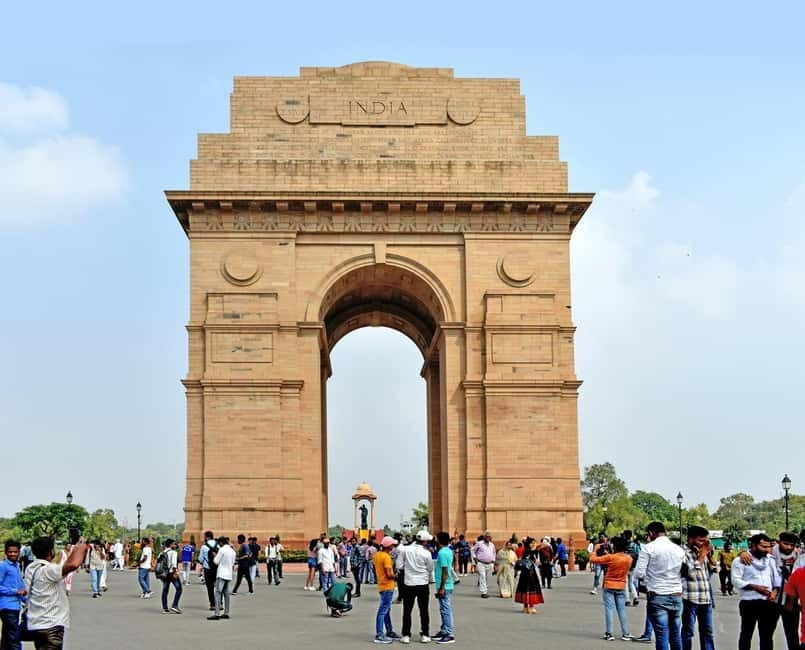
India Gate follows as the war memorial honoring fallen soldiers. Your guided time is shorter, but it’s a useful counterpoint to the monument scale you’ve already seen. You’ll also pass by Parliament House, which gives you a sense of how modern power sits beside the city’s older layers.
Monday wrinkle: Red Fort and Lotus Temple remain closed on Mondays, so on that day your plan swaps in Gurudwara Bangla Sahib instead of Lotus Temple and shifts the flow. If your dates include a Monday, don’t worry—your guide should still keep the day meaningful, just with different stops.
Jama Masjid and Chandni Chowk: Old Delhi on a rickshaw ride
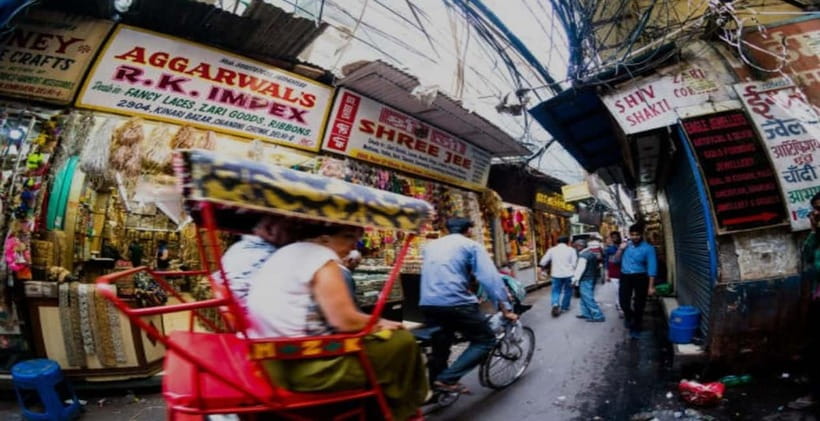
Old Delhi is where Delhi stops feeling like a list of attractions and starts feeling like a place with a pulse. This tour gives you two of the best entry points: Jama Masjid and Chandni Chowk.
Jama Masjid is one of India’s largest mosques, known for its massive courtyard and striking Mughal architecture. You’ll have guided time here (about 30 minutes), which is just enough to understand what you’re seeing—scale, materials, and how the courtyard functions as a gathering space.
Then you head into Chandni Chowk, where the real action happens. You get a rickshaw ride through Delhi’s oldest market area, plus guided sightseeing with about an hour on the ground. This is narrow-lane Delhi: shops packed close together, people moving both directions, and street food culture that spills right into the walking path.
Two practical tips that matter in Old Delhi:
- Keep your valuables safe. The tour explicitly advises this, and it’s smart—tight lanes and crowds make pickpocket risk higher than in calmer areas.
- Go with the mindset that you’re here to observe how the city works, not to photograph everything perfectly.
Khari Baoli spice market: the one-stop sensory overload

Khari Baoli is Asia’s largest spice market, and it’s the kind of place that sticks in your memory even if you only spend a short time there. You’ll visit with a guided focus, and you can expect the air to be filled with the aroma of exotic spices, dried fruits, and herbs.
This is a great stop for two reasons. First, it gives you a very real, non-museum way to understand Indian trade and everyday cooking culture. Second, it’s a moment where your senses do the storytelling. Even if you’re not buying anything, you’ll leave with a better sense of what “spice market” means in practice.
If you’re sensitive to strong smells, consider going a little slower and stepping aside when you need a breather. The market is active, but you’ll have guided time rather than being left alone to navigate it.
You can also read our reviews of more tours and experiences in New Delhi




Agrasen ki Baoli, Bangla Sahib, and the day’s pacing
Not every stop on this tour is a giant monument. That variety is a feature, not a bug.
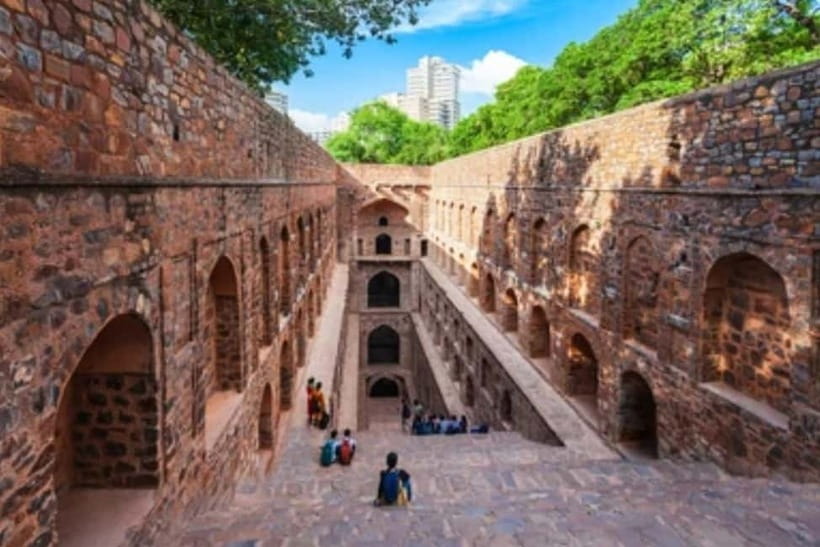
Agrasen ki Baoli is included as a guided visit (about 35 minutes). It’s a good mid-day anchor in New Delhi before the day shifts further into Old Delhi and memorials. Stops like this are useful because they break up the “biggest sites only” pattern and give you a chance to look at architecture in a quieter setting.
Gurudwara Bangla Sahib shows up as part of the itinerary with about an hour of guided time. It also becomes the Monday replacement for Lotus Temple and can be a useful calm contrast after the busier lanes of Old Delhi. It’s a religious stop with a welcoming feel, and it’s also one of the more grounding experiences of the day.
Lunch, Raj Ghat, and how the guide keeps the day from feeling rushed
Between monuments and markets, you’ll get a lunch break at a local restaurant with about an hour of time. Meals themselves are not included, so you’re making a choice there—use the guide to point out what’s reasonable, especially if you want something easier on your stomach after a long walk and heat.
Then comes Raj Ghat, the memorial of Mahatma Gandhi. It’s described as serene and peaceful, and that matters because it’s one of the few parts of the day designed for quiet reflection rather than sightseeing intensity. You’ll have guided time to pay respects.
I like this part of the flow because it resets your brain. After you’ve absorbed monumental architecture and market noise, Raj Ghat gives you a simpler, more human scale.
Red Fort and Rashtrapati Bhavan: big names, different levels of access
The tour uses a mix of guided visits and pass-by moments, which can be a smart way to manage time in Delhi.
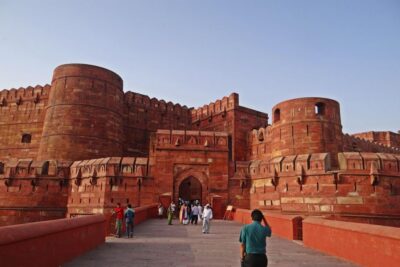
Red Fort is included as a pass-by with guided context (about 20 minutes). Even with that shorter exposure, it’s one of the most recognizable Mughal-era symbols in the city. You’ll get grand architecture in view without losing hours to long on-site waits. On Mondays, Red Fort is closed, and the itinerary adjusts accordingly.
Rashtrapati Bhavan is also included as a pass-by with guided context (about 20 minutes). It’s not an interior stop here, but passing by still gives you a sense of New Delhi’s formal, ceremonial layout.
In a day this packed, pass-by moments can feel like “almost” experiences. The best way to make them count is to pay attention to scale and placement, not to treat them like full museum visits.
New Delhi extras: shopping, Lodi Gardens, and arts & crafts time
Near the later part of the day, the tour adds a bit of New Delhi flavor beyond monuments.
You’ll pass by and visit places that help you slow down just enough to do something practical. There’s a shopping/art market visit with about an hour, which can be a useful way to pick up arts and crafts while your guide is available to help with where to go and what to avoid.
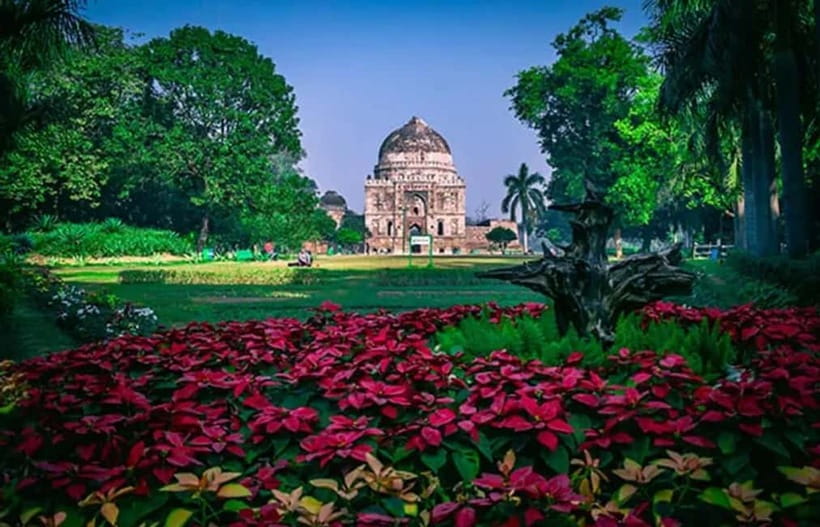
Lodi Gardens is also on the plan with a guided visit (about 30 minutes). It’s a good contrast to the hard-edged monument stops and can make the day feel less like a checklist.
If you’re the type who likes to see the official sights and also wants a chance to take something home, this portion adds value.
Price and logistics: what you’re really paying for
The price is listed as about $3.02 per person, which is the kind of number that looks suspiciously low at first glance. But the tour includes a lot of the costly stuff that normally drives price up: hotel or airport pickup/drop, a private air-conditioned car with a professional driver, and live tour guide service at all places.
It also includes mineral water bottles and driver allowances, plus all tolls, parking, and taxes. There’s even an included rickshaw ride in Old Delhi, which is often the part that becomes expensive when you have to arrange it yourself.
One detail to watch: monument entrance fees are included only if you book the option that includes them. The tour also says you’ll skip the ticket line, which can save time at popular sites, but it doesn’t replace the need to plan around queue length where it applies (Lotus Temple interior access depends on queues).
Meals aren’t included, so your lunch cost is on you. That’s normal, but it does affect real “all in” value.
Also note timing: the duration is listed as 4 to 8 hours depending on your start time and flow. With a private car and guided stops, your schedule will feel more controlled than a self-guided day, but you’re still choosing a full sightseeing block.
Who this tour fits best (and who should skip it)
This works best if you’re:
- short on time but want both Old Delhi and New Delhi highlights
- interested in guided context, not just photos
- comfortable with a full day that includes walking plus market wandering and a rickshaw ride
Based on the tour’s own note, it’s not suitable for pregnant women. It’s also wise to wear comfortable shoes and plan for heat and crowd conditions, especially in the Old Delhi sections.
If you’re traveling solo or with a small group, the private setup is a big win because you’re not stuck matching your pace to strangers. And if you care about clear explanations, the guide quality seems to be a strong point—names like Sameer, Aved, Akhil, and driver Anwar show up as examples of kind, informed, and respectful guiding.
Should you book this Delhi private tour?
If you want a high-impact Delhi day that mixes UNESCO monuments, memorials, and market culture—without forcing yourself to figure out transport—then yes, I’d consider booking. The best reason is the pairing: Qutub Minar and Humayun’s Tomb teach the city’s historical spine, while Jama Masjid, Chandni Chowk, and Khari Baoli show you how the city lives today.
Book it if you’re okay with a packed itinerary and want to maximize limited time. Think twice if you’re looking for a slow, low-walking experience or need a tour that’s totally flexible in real time, because the day is structured with set visit durations.
If your travel date is a Monday, double-check that you’re comfortable with the swap away from Red Fort and Lotus Temple. The good part is you still get a meaningful substitute in Gurudwara Bangla Sahib, and the route should stay coherent.
FAQ
What time does pickup usually happen?
Pickup is available from 7 AM to 11 AM, with timing based on your selected option.
Is this tour private, and do I get a car?
Yes. It’s a private group tour with a private air-conditioned car and a professional driver.
Do I ride a rickshaw in Old Delhi?
Yes. The tour includes a rickshaw ride through the Chandni Chowk Old Delhi market lanes.
Is a live guide included at each stop?
Yes. Live tour guide service is included at all places during the tour.
Are monument entrance fees included?
Monument entrance fees are included only if you book the option that includes them.
What happens on Mondays?
Red Fort and Lotus Temple remain closed on Mondays, so the tour visits Gurudwara Bangla Sahib on that day.
Is lunch included?
Lunch is scheduled as a break, but meals and drinks are listed as not included, so you’ll pay for what you order.
What languages are the guides available in?
English, French, Hindi, Japanese, Javanese, Russian, Italian, Chinese, German, and Spanish.
What should I bring, and what’s not allowed?
Bring a passport or ID card and wear comfortable clothes and shoes. Flash photography and flashlight use are not allowed.