REVIEW · FARIDABAD
Delhi Private Full or Half Day Old and New Delhi City Tour
Book on GetYourGuide →Operated by Agra Taxi and Service · Bookable on GetYourGuide
Delhi can feel like a maze at first. This guided tour helps you get your bearings fast, then sends you straight to the city’s big landmarks in Old Delhi and New Delhi. I like that you ride through famous lanes by traditional tuk-tuk, then balance that noise with quieter stops like Gurudwara Bangla Sahib and the Lotus Temple.
Two things really make this work: the all-in plan (pickup, car, guide, water) and the way your guide ties religion and architecture together across the day. One possible drawback: you should expect a full schedule with limited flexibility once you’re moving, so if you need slower pacing or lots of rest breaks, plan carefully.
In This Review
- Key tour takeaways (before you go)
- Old Delhi by tuk-tuk: Chandni Chowk, Jama Masjid, and the Red Fort
- Gurudwara Bangla Sahib: community kitchen energy and holy water beliefs
- New Delhi set-pieces: Agrasen ki Baoli, Humayun’s Tomb, and Lotus Temple
- How the combined Old and New Delhi option fits a tight schedule
- Getting around with an AC car, pickup coverage, and smart timing
- Price and value: why this feels like a deal
- Guides in action: how names you might see point to quality
- Who should book, and who should skip this plan
- Prep checklist that saves time in Delhi
- Should you book this Delhi Old and New Delhi tour?
- FAQ
- What areas of Delhi does this tour cover?
- What is included in the tour price?
- Is food included?
- Does the tour include skipping the line?
- What happens if my tour is on a Monday?
- Where can I be picked up from?
- What languages is the guide available in?
- What should I bring, and what is not allowed?
Key tour takeaways (before you go)
- Old Delhi by tuk-tuk starts from Sunehri Masjid and keeps you close to the action around Chandni Chowk
- Jama Masjid + Red Fort give you two heavyweight Indo-Islamic and Mughal stops in one route
- Gurudwara Bangla Sahib blends spiritual sights with a major community kitchen stop
- New Delhi essentials include Agrasen ki Baoli, Humayun’s Tomb, and a Lotus Temple visit (or Qutub Minar on Mondays)
- Skip-the-line entry uses a separate entrance for smoother monument time
- Guides in multiple languages (English, Spanish, Russian, Japanese) help you understand what you’re seeing
Old Delhi by tuk-tuk: Chandni Chowk, Jama Masjid, and the Red Fort
Old Delhi is where you feel Delhi’s speed. The tour starts by meeting your guide near Sunehri Masjid, then hopping into a traditional tuk-tuk to slip into the area’s busy bazaars. That first ride matters. It’s not just transport; it’s the quick way to understand the lanes, the crowds, and why Chandni Chowk is the kind of place you can’t replicate with a map alone.
The big anchor stop is Jama Masjid, described as India’s largest mosque, built in 1656 by a workforce of 5,000 workers. You’ll walk into the broad red sandstone courtyard right inside the dense city pattern. Even if you’re not a mosque-history person, the scale hits you fast. And since the tour includes tickets depending on your option plus skip-the-line entry, you should spend less time stalled at entrances and more time looking around.
Next, you’ll get a very hands-on moment at the spice market in Chandni Chowk. This is one of those stops that can be either a quick glance or a useful education—your guide helps you make it practical by explaining what spices are used for and how they show up in North Indian and Mughlai cooking. If you’re planning to eat in Delhi after the tour, this stop sets you up with words you can recognize on menus.
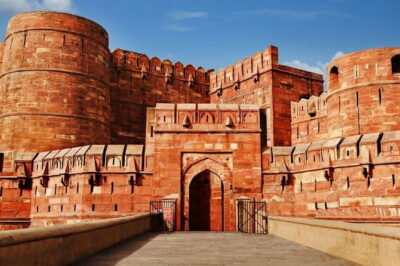
Then comes Red Fort, a UNESCO World Heritage site with Indo-Islamic and Mughal architecture built between 1639 and 1648 under Shah Jahan. The fort is famous, but it’s also easy to see it as just another big building if you rush. Here, the tour structure gives you time to actually notice the architecture and connect it to what you just saw at the mosque and spice market.
A small practical note: Old Delhi can be sun-heavy and crowded. If the day is hot, bring what the tour asks for—sunglasses, a sun hat, and sunscreen—because you’ll likely spend time outdoors moving between sights.
You can also read our reviews of more city tours in Faridabad

Gurudwara Bangla Sahib: community kitchen energy and holy water beliefs
After the fort-and-market intensity, the day shifts into something calmer at Gurudwara Bangla Sahib. This is one of the most meaningful stops on the itinerary because it’s not just about buildings. The tour highlights the holy water tank, said to have medicinal properties, and also the community kitchen that feeds thousands daily.
I like this contrast: you move from the mosque’s courtyard scale and the spice market’s sensory overload to a place centered on routine care for others. The community kitchen detail is especially important. It explains why so many people treat this stop not like a tourist checkbox, but like part of how the city lives.
You don’t need to know religious terms to appreciate what’s happening here. You just need to show up respectfully and pay attention to the atmosphere. If you’re the type who likes to ask questions, your guide should be able to explain what the holy water belief means locally and how the kitchen operates as part of community service.
And yes—this is also a good mental reset before the car ride continues toward the New Delhi side.
New Delhi set-pieces: Agrasen ki Baoli, Humayun’s Tomb, and Lotus Temple
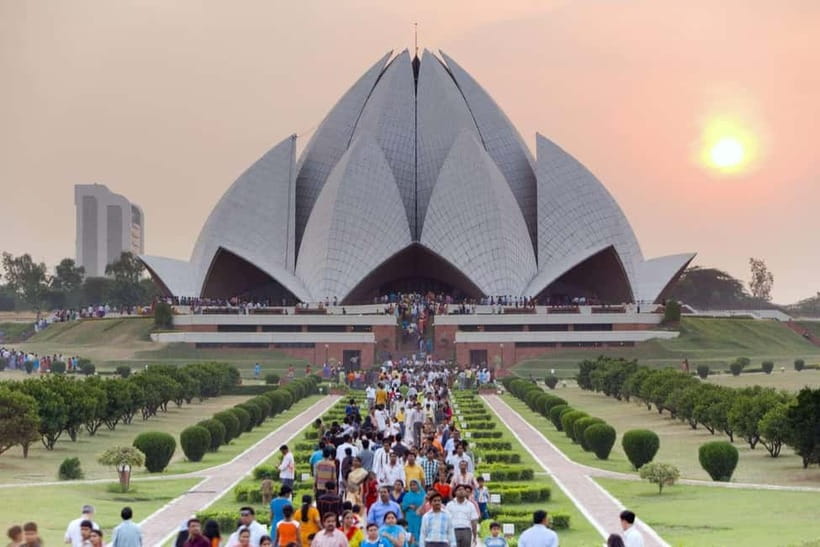
New Delhi tends to feel more planned and spaced out, which makes it a great follow-up to Old Delhi. The tour begins with Agrasen ki Baoli, a unique step well known for its single staircase. It’s a clever contrast to the grandness you’ll see later. Instead of huge halls, it’s compact architecture that makes you think about water, planning, and everyday life in the past.
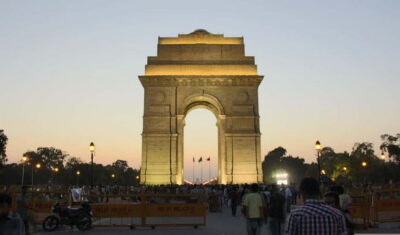
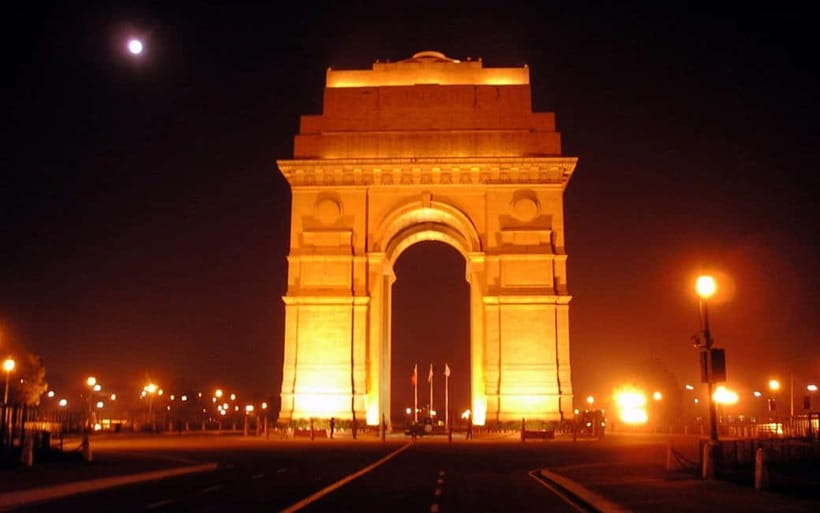
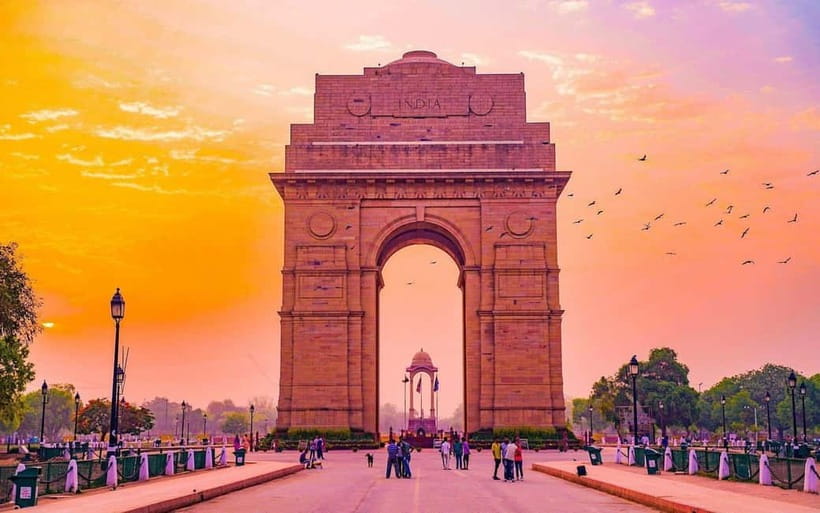
From there, the itinerary includes a drive past major landmarks like India Gate, Parliament House, and the President’s House. You’re not stopping inside all of them, but seeing them from the road gives you context for where New Delhi places power, ceremony, and monuments.
Then the tour moves to Humayun’s Tomb, a UNESCO site recognized for its design and historical importance. It’s noted as an example of early Mughal architecture. This is one of those stops where slowing down is worth it. The tomb layout and surrounding structure help you understand how Mughal builders blended symmetry and landscape planning—without needing a technical background.
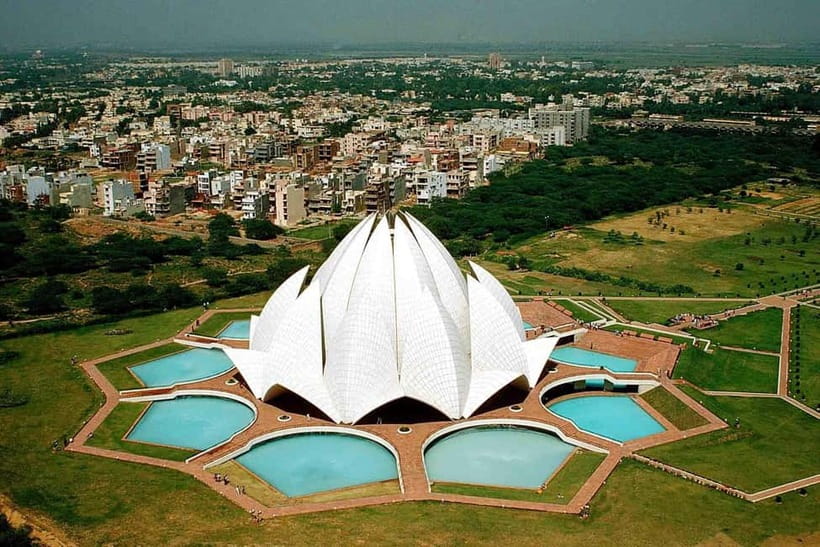
Finally, you reach Lotus Temple, known for its flower-shaped design and peaceful setting. The tour frames it as a place to take in the structure at a slower pace, so it works well as an ending point when you’re ready for less chaos.
There’s one rule to remember: Lotus Temple is closed on Mondays. If your day falls on a Monday, the itinerary swaps in Qutub Minar instead. The tour calls Qutub Minar another standout historic site, so you won’t feel like you lost something—you just switch to a different kind of architecture and scale.
How the combined Old and New Delhi option fits a tight schedule
If you choose the full combined route, the idea is simple: you want the “must-see” spread without doing two separate trips. The combined schedule is listed as running from 8 AM to 12 Noon, which means your time at each site is tighter than on the half-day versions.
That can be either a positive or a compromise. The positive: you still get the Old Delhi core (including the famous Chandni Chowk area and Jama Masjid) plus the New Delhi sequence with key monument stops like Humayun’s Tomb and the Lotus Temple (or Qutub Minar on Mondays). The compromise: you won’t linger as long at each location.
If you’re visiting for a short stay or you want one day that covers the big map highlights, this combined option makes sense. If you prefer slow pacing—especially in markets and places of worship—pick the longer Old Delhi or New Delhi option instead.
Getting around with an AC car, pickup coverage, and smart timing
Delhi is a traffic story. This tour leans into that reality by including pickup and drop-off in Delhi NCR plus an air-conditioned car. The tour coverage includes pickup from Delhi, Noida, Gurugram, Ghaziabad, or Faridabad, and it also offers airport pickup on request if you share your flight details at booking time.
That matters for two reasons:
- You spend less time negotiating transport on your own.
- Your route stays anchored to the day’s monument schedule instead of drifting because your ride runs late.
Another practical touch: you get bottled water, and there’s an umbrella provided if necessary. Those aren’t glamorous, but they help you keep moving if weather changes.
The tour also mentions that your itinerary can be modified to fit your flight. That’s useful if you’re doing this as part of a longer trip and you don’t want your last day to collapse due to a fixed checkout or flight timing.
And here’s what I’d pay attention to if you like photos: the included skip-the-line process with a separate entrance can reduce the time you’re stuck waiting at the gates, so you arrive at viewpoints with more of your day left.
You can also read our reviews of more private tours in Faridabad


Price and value: why this feels like a deal
The listed price is $4.28 per person, with durations ranging 4 to 8 hours depending on the option. That is low enough that you should think in terms of value for planning, not value for luxury.
What you’re getting for that price, based on the inclusions:
- Pickup and drop-off in Delhi NCR
- Air-conditioned car
- Guide
- Bottled water
- Umbrella if needed
- Monument tickets depending on the option selected
- Skip-the-line entry
Food is not included, so you’ll still want to budget for meals. But compared to the cost of arranging a private guide plus transport plus paid entries, this tour’s setup is built to be efficient.
The only price-related caution: since monument tickets are included only depending on your option, check what you’re selecting. If a specific stop’s entry isn’t covered in your option, you might pay separately on the day.
Still, for most people, the real value is the structure: you don’t need to figure out sequencing across Old and New Delhi. You get an organized flow from bazaars to mosques to major tombs—without spending your vacation time on logistics.
Guides in action: how names you might see point to quality
One of the best signals from the tour experience is how much the guide impacts how much you actually understand. In the feedback you provided, several guide names come up with consistent praise for explanation, pacing, and making small adjustments.
For example:
- Ajay Sharma is mentioned for giving many insights into cultural and historical landmarks while keeping the day relaxed.
- Amit gets credit for handling the full list of major sites and keeping the experience engaging, not rigid.
- Ankit is singled out for strong English, helpful humor, and being great with photos; the same account notes he made minor adjustments based on what the group wanted.
- Akash is praised for explaining history and religion and answering questions.
- Joginder is referenced for solid transport performance, which matters because in Delhi, a smooth driver can make or break your day.
If you want the tour to feel personal, ask your guide two things early: what order will make your photos easiest, and which stop you should spend more time on based on your interests. With guides like these, you’re not just getting facts—you’re getting a better route through the day.
Who should book, and who should skip this plan

This tour includes long stretches of sightseeing and time in crowded areas (especially around Old Delhi markets). If you’re comfortable with that, it’s a great way to see multiple “big” landmarks in a single day with less stress.
But it’s not suitable for:
- pregnant women
- people with pre-existing medical conditions
- people with high blood pressure
That isn’t about judgment—it’s about safety. If any of those categories apply to you, you should look for a different format with more resting and less intensity.
Also, the tour rules say drones and tripods are not allowed. If you shoot video or stills, bring only what you can use without violating the rules.
Prep checklist that saves time in Delhi
Before you go, pack what’s listed:
- Passport or ID card
- Sunglasses
- Sun hat
- Sunscreen
And keep these in mind on the ground:
- Lotus Temple is closed on Mondays, so expect Qutub Minar as the replacement.
- Plan for some walking and outdoor time, especially around Chandni Chowk and the courtyard areas.
- Keep your expectations flexible for weather; an umbrella is included if needed.
If you’re the type who likes to keep things light, focus on sun protection first. Delhi heat and glare can drain energy fast, even when the car is air-conditioned.
Should you book this Delhi Old and New Delhi tour?
I’d book it if you want a practical, guided “highlights route” across the capital without doing the planning yourself. The mix is strong: Old Delhi’s Chandni Chowk + Jama Masjid + Red Fort, then New Delhi’s Agrasen ki Baoli + Humayun’s Tomb + Lotus Temple (or Qutub Minar on Mondays). Add pickup, an AC car, bottled water, and skip-the-line entry, and it’s built for efficiency.
I’d skip it or switch formats if you fall into the safety categories listed (pregnancy, pre-existing medical conditions, high blood pressure) or if you need a slow, flexible pace with lots of downtime.
If you want Delhi in one structured day—and you like guides who explain more than they recite—this is a strong bet.
FAQ
What areas of Delhi does this tour cover?
It covers both Old Delhi and New Delhi, with the Old Delhi route focusing on areas such as Chandni Chowk, Jama Masjid, Red Fort, and Gurudwara Bangla Sahib, and the New Delhi route focusing on sites such as Agrasen ki Baoli, Humayun’s Tomb, and Lotus Temple.
What is included in the tour price?
Included are pickup and drop-off within Delhi NCR, an air-conditioned car, a guide, bottled water, and an umbrella if necessary. Monument tickets are included depending on the option selected.
Is food included?
No. Food is not included.
Does the tour include skipping the line?
Yes. The tour mentions skip the line through a separate entrance.
What happens if my tour is on a Monday?
Lotus Temple is closed on Mondays. On a Monday, the itinerary includes a visit to Qutub Minar instead.
Where can I be picked up from?
Pickup is listed from Delhi NCR locations such as Delhi, Noida, Gurugram, Ghaziabad, or Faridabad, including hotel and airport pickup in New Delhi/IGI Airport on request.
What languages is the guide available in?
The tour offers guides in English, Spanish, Russian, and Japanese.
What should I bring, and what is not allowed?
Bring your passport or ID card, plus sunglasses, a sun hat, and sunscreen. Drones and tripods are not allowed.