REVIEW · NEW DELHI
Essence of magnificent India and Nepal
Book on Viator →Operated by Paylesstoursindia · Bookable on Viator
Delhi’s rickshaw ride and Varanasi’s Ganges boat? Yes. This 17-day India-and-Nepal highlights run packs major sights into a tight route with 3-star hotels and daily bottled water. I love the comfort of an en-suite setup each night, and I like how local guides show up in key places like Delhi, Agra, Jaipur, Varanasi, and Kathmandu. One thing to plan for: monument admission fees are separate, so your trip budget needs a buffer.
I also like how the tour handles the big moving parts for you. You get an AC private vehicle with a personal English-speaking driver for ground travel, plus pickup and drop-off in Delhi. It’s a good match if you want maximum sightseeing days without constantly re-planning transport.
The possible downside is coordination. It’s a schedule-heavy itinerary across two countries, so you’ll want to stay sharp on timing and document needs rather than assuming everything will run like a metronome.
In This Review
- Key highlights worth betting on
- What you’re really paying for at $580 per person
- Two countries, one fast rhythm: how the route feels day to day
- Delhi day one: Akshardham, Old Delhi lanes, Gandhi’s memorial, and Sikh community meals
- Delhi day two: India Gate to Lotus Temple, then UNESCO tombs and a minaret you can’t ignore
- Jaipur approach with Monkey Temple: bring patience and control your belongings
- Jaipur forts and palaces: Amber, Jal Mahal photos, Hawa Mahal windows, and royal tomb quiet
- Agra and the Fatehpur Sikri contrast: from fort structure to a ghost-city feel
- Taj Mahal sunrise: why this timing matters
- Orchha: fort views and temple details at a slower pace than big-city India
- Khajuraho temples: what to look for in UNESCO stone carvings
- Varanasi essentials: Ganga Aarti and a morning boat ride that stays with you
- Crossing into Nepal via Lumbini: border day basics you must prepare for
- Lumbini Zone to Pokhara: from sacred grounds to the Himalayan gateway feeling
- Pokhara by water and stone: Phewa Lake boat ride, Devi’s Fall tunnel, and Bindhyabasini Temple
- Sarangkot sunrise trek: a moderate morning stretch for big payoff
- Kathmandu Valley: Durbar Square, Swayambhunath, Pashupatinath, Patan, Bhaktapur, and Boudhanath
- Temple etiquette and practical tips that keep your days running
- Should you book this tour?
- FAQ
- Is pickup offered for this tour?
- Does the tour include breakfast?
- Are monument admission fees included?
- Is a Nepal visa included?
- What’s included for Varanasi?
- Is lunch and dinner included?
Key highlights worth betting on
- Rickshaw + Ganges boat: classic city energy in Delhi and a memorable water-side look at Varanasi.
- Sunrise Taj Mahal with a guide: early start, but that timing changes the whole feel of the visit.
- UNESCO stops in both countries: Qutub Minar, Humayun’s Tomb, Khajuraho, and multiple Kathmandu Valley sites.
- Buddhist pilgrimage layers: Lumbini first, then Kathmandu Valley stupas and temples.
- AC transport and en-suite hotels: this matters on long drive days between regions.
- Meals are not included beyond breakfast: you’ll plan lunch and dinner on your own most days.
What you’re really paying for at $580 per person
At $580, you’re not just buying sightseeing. You’re buying the logistics: AC private vehicle, hotel nights in a 3-star standard, daily breakfasts, bottled water, local guides in most of the big cities, plus a one-way international flight from Kathmandu to Delhi. That’s real value if your time is limited and you’d rather spend it walking temples than negotiating schedules.
What’s not included is the part people often forget. Monument admission fees are listed as about $200 per person, and Nepal visa costs are $30 per person. Lunch and dinner are also not included, so your day-to-day spending will depend on what you choose to eat.
Even with those extras, this tour often makes sense because it bundles the harder-to-arrange pieces. The included flight is especially useful since it removes one major long overland leg between Nepal and India.
You can also read our reviews of more tours and experiences in New Delhi.



Two countries, one fast rhythm: how the route feels day to day
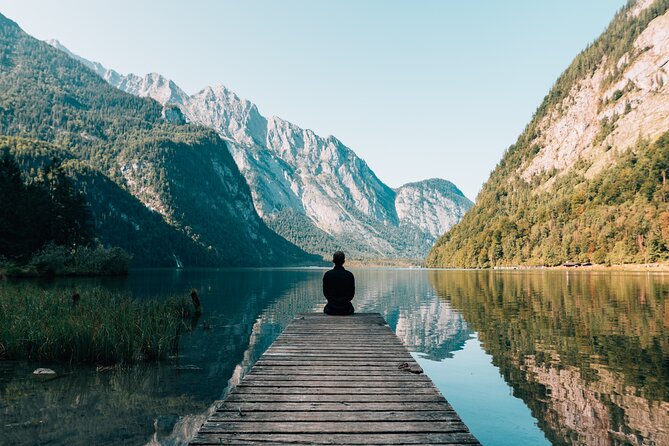
This tour is designed for people who want highlights in just over two weeks. That means early starts, drive days, and a lot of “see it, then move on” pacing. If you like slow travel and long café afternoons, you may feel like you’re constantly in motion.
But if your goal is to collect major sights and understand the stories behind them, the structure helps. Local guides in places like Delhi, Agra, Jaipur, Varanasi, and Kathmandu reduce guesswork, especially when you’re juggling religious sites with different customs.
A practical way to think about it: each day has a clear anchor (a major monument, a temple complex, a ceremony, a stupa). Everything else supports that anchor. That’s how you get a lot done without feeling completely lost.
Delhi day one: Akshardham, Old Delhi lanes, Gandhi’s memorial, and Sikh community meals
Your first day is classic Delhi: one modern spiritual landmark, then Old Delhi’s religious and commercial core.
- Swaminarayan Akshardham gives you a grand intro to Hindu temple design and contemporary devotion. It’s a visually impressive opener, and it helps you get oriented before you jump into tighter, older streets.
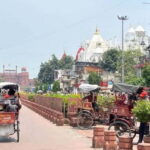
- Jama Masjid and the Old Delhi rickshaw ride is where the city compresses. You’ll glide through the busy market areas and see why this part of Delhi feels like a world of its own. Plan for crowds and keep your hands on bags.
- Red Fort is a photo-focused stop. Even when you’re not going deep inside, it sets the historical mood.
- Raj Ghat (Gandhi’s cremation site) offers a brief pause from the market energy. It’s one of those stops that resets your brain.
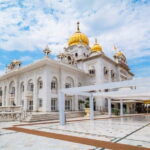
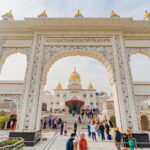
- Gurudwara Bangla Sahib rounds the day out with Sikh temple life. You can also see how the community kitchen prepares meals for thousands daily, which is one of the more meaningful “everyday culture” moments on the route.
By the end of day one, you’ll likely feel like you’ve seen two different Delhis: the planned, monumental side and the fast, old-street side. That contrast is the point.
Delhi day two: India Gate to Lotus Temple, then UNESCO tombs and a minaret you can’t ignore
Day two leans into New Delhi’s layout and the major landmarks that bookend the city’s story.
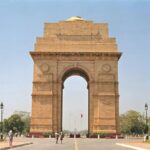
You start with India Gate and the diplomatic district area, including views around the government buildings. Then you shift to spiritual architecture at the Lotus Temple, shaped like a lotus flower and designed for a very open, welcoming experience.
After that, you hit two UNESCO sites in the Mughal-era style:
- Humayun’s Tomb shows how Mughal design treats gardens and symmetry as part of the monument itself.
- Qutub Minar is the big vertical wow-factor. It’s a complex of mosques and structures, but the minaret is what pulls your eyes.
You finish at Lodhi Garden, which is a calmer way to end the Delhi stretch. It’s also a helpful breather if your feet are starting to complain.
Jaipur approach with Monkey Temple: bring patience and control your belongings
On the way to Jaipur, there’s a stop at Monkey Temple, timed as an easier break before you tackle Rajasthan’s forts and palaces. As the name implies, you’ll share space with monkeys, so keep food secured and don’t dangle bags or loose items.
This stop is less about grand museum-style facts and more about learning how the locals experience the site in daily life—because animals and routines are part of the setting.

Jaipur forts and palaces: Amber, Jal Mahal photos, Hawa Mahal windows, and royal tomb quiet
Jaipur day four is where Rajasthan starts to feel like Rajasthan.
- Amber Palace (Amber Fort area) is the big centerpiece. You’ll spend real time here, and it’s the kind of place where a guide makes a difference because details can get lost if you rush.
- Jal Mahal is mainly a stop for pictures. You won’t spend hours here, but it’s a good visual pause and a reminder of Jaipur’s dramatic water-and-fort geometry.
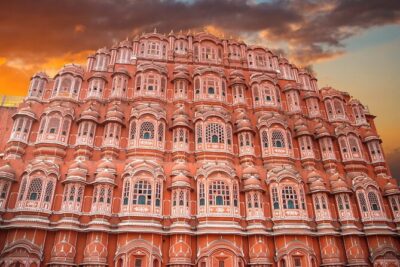
- Hawa Mahal is a favorite for many visitors because of its famous “many tiny windows.” You can stop for photos and also have the chance to see it from inside.
- City Palace gives you museum and royal exhibition content, turning the palace complex into more than just an exterior photo spot.
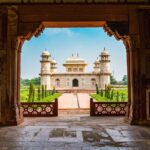
- Royal Gaitor Tombs are your quiet finish among hills. The atmosphere is different from the busy palace areas, and that contrast is useful after a day of crowds and architecture.
If you want one practical tip: bring a light layer. The fort-and-palace circuit often involves sun exposure and walking that adds up fast.
Agra and the Fatehpur Sikri contrast: from fort structure to a ghost-city feel
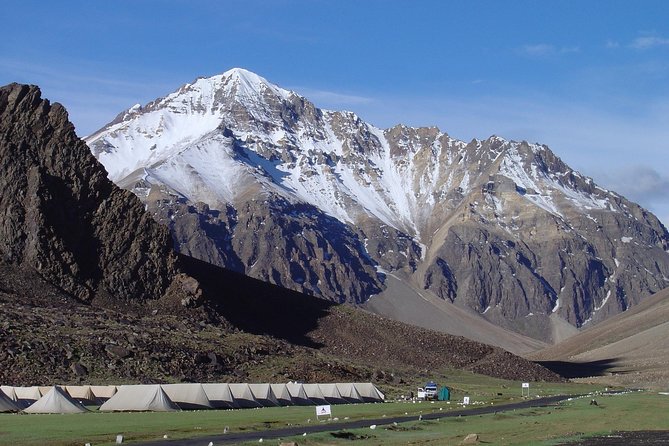
The route then moves toward Agra.
On the way, you stop at Fatehpur Sikri, known for its abandoned-city mood. Even with limited time, it leaves an impression because you’re surrounded by what looks like a whole planned world—but one that’s no longer alive in the same way.
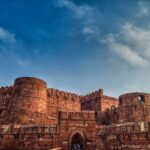
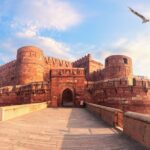
In Agra, you get Agra Fort with guided sightseeing. Forts are underrated because they show military strategy, royal life, and architecture planning all in one place.
Taj Mahal sunrise: why this timing matters
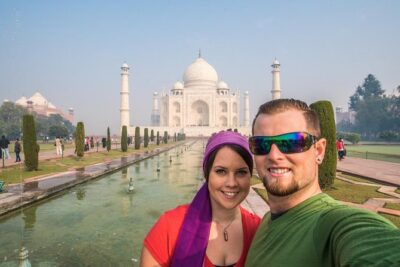
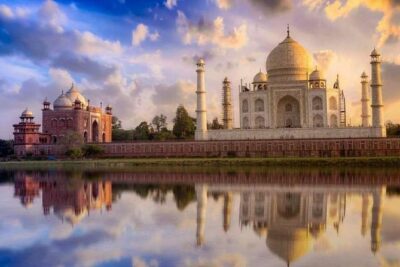
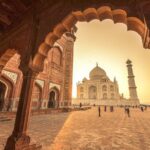
Day six’s highlight is the Taj Mahal at sunrise, visited with a guide. This is one of those experiences where the early timing changes the feel: light shifts faster than you think, and the monument often feels less like a tourist backdrop and more like a real, breathing structure.
After the visit, you return for breakfast before moving on to Orchha. That “Taj first, then travel” flow can feel intense, but it’s efficient and keeps you from losing a whole day to transit.
Orchha: fort views and temple details at a slower pace than big-city India
In Orchha, you get time in the Orchha Fort area, including the Rama temple and palace spaces with views over town. This part of the trip feels different from Delhi and Jaipur. It’s less about government monuments or major city density and more about the way history sits in the hills and walls.
You’ll also have some leisure time in town, which is a useful break in a trip that otherwise rarely slows down.
Khajuraho temples: what to look for in UNESCO stone carvings
Khajuraho is your UNESCO temple day, with time for both western and eastern temple complexes. This is the kind of stop where a guide helps you identify what you’re seeing instead of just admiring it as pretty stone.
Give yourself permission to slow down. Many carvings reward patience: figures, storytelling panels, and repeated design motifs. If you rush, you miss the way the whole complex works as a designed collection rather than separate attractions.
Varanasi essentials: Ganga Aarti and a morning boat ride that stays with you
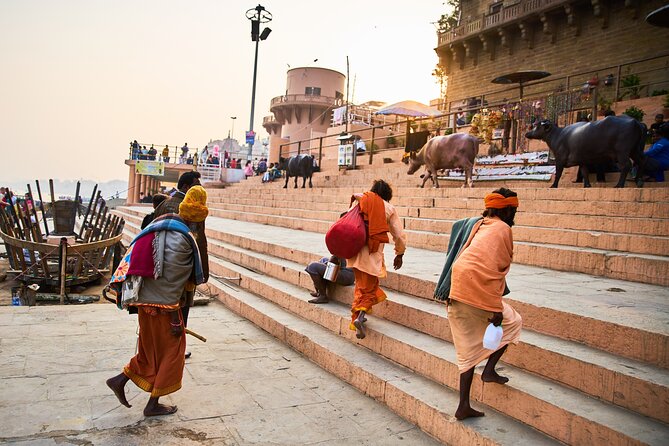
Varanasi is where the trip gets emotional. The Ganges isn’t just a backdrop—it’s part of daily ritual.
- Ganga Aarti is included and is the most spiritual-feeling ceremony on the route. Expect fire and devotion focused on offerings to the gods.
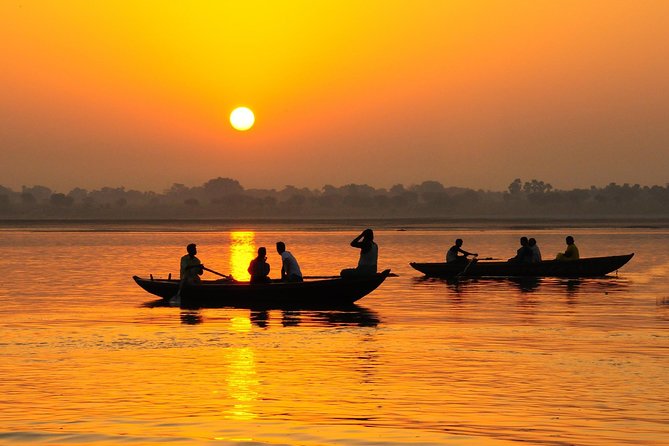
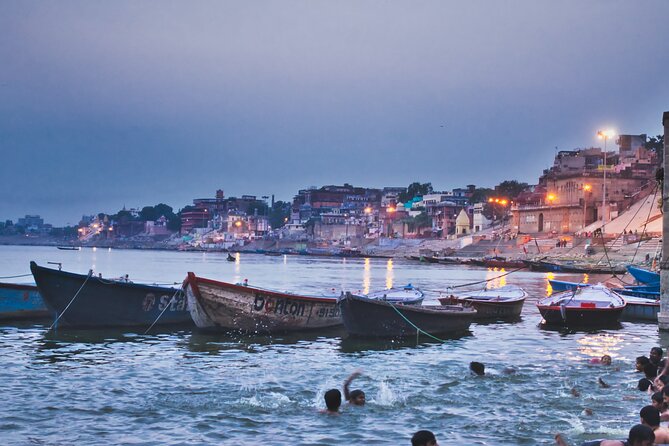
- A morning boat ride gives you a different vantage point. You’ll see the ghats, temples, and cremation areas from the water. That shift—from walking among everything to floating alongside it—helps you understand how the city’s river life is organized.
There’s also Sarnath in the mix, tied to Buddha’s first sermon after enlightenment. You’ll visit major stupa and museum areas there, which gives your Varanasi day a “religion meeting religion” sense.
Later, you visit Alamgir Mosque. It adds another layer, reminding you that Varanasi isn’t a single-faith stage. It’s a layered religious city where multiple traditions share the same urban space.
Crossing into Nepal via Lumbini: border day basics you must prepare for
Day eleven is travel-heavy: you cross the border into Nepal, then sleep in Lumbini overnight. This is also where you must have your paperwork ready. The tour notes you should prepare one passport photo and $30 for the process before you move on.
Lumbini is Buddhist pilgrimage ground, so the vibe shifts from India’s river rituals to a more reflective spiritual setting.
Lumbini Zone to Pokhara: from sacred grounds to the Himalayan gateway feeling
In Lumbini, you visit the Lumbini Zone, with key attention on the tradition of Queen Mahamayadevi. The site is pleasant and meant for contemplation, not a frantic checklist.
Then you travel on to Pokhara, described as the gateway to the Himalaya. Even if you don’t get dramatic mountain views all day, the area’s mood feels different from the plains.
Pokhara by water and stone: Phewa Lake boat ride, Devi’s Fall tunnel, and Bindhyabasini Temple
Pokhara gives you a more balanced mix of nature-feeling and city temples.
- At Phewa Tal, you’ll take a boat ride and look for views toward Himalayan peaks of the Annapurna massif. There’s also a stop at Varahi temple.
- Devi’s Fall is a unique waterfall where water forms a tunnel after reaching the bottom. The detail matters here because it’s not just a waterfall photo—it’s a hidden-water type of attraction.
- Bindhyabasini Temple is the oldest temple in the city and attracts both locals and foreigners. That “living temple” quality tends to make this stop feel more real than some purely tourist monuments.
Sarangkot sunrise trek: a moderate morning stretch for big payoff
On day fourteen, you do a morning trek to Sarangkot for sunrise viewing. It’s described as a moderate trekking morning, and it’s positioned on the outskirts of Pokhara—so it’s a good chance to escape the day’s typical traffic and crowds.
After that, you drive to Kathmandu. The key thing here is pacing: you’ll arrive with your energy split between “I just hiked” and “now I need to get ready for city sightseeing.” Build in time to rest and reset.
Kathmandu Valley: Durbar Square, Swayambhunath, Pashupatinath, Patan, Bhaktapur, and Boudhanath
Kathmandu on this tour is a full-on Valley sampling. It’s a smart approach because the sites cluster, and the variety across Hindu and Buddhist worship becomes obvious fast.
- Kathmandu Durbar Square: the old royal palace area with temples and important buildings.
- Swayambhunath: a major Buddhist worship site, famous for the eyes motif on the stupa.
- Pashupatinath: Nepal’s important Hindu pilgrim site dedicated to Shiva, on the Bagmati river.
The next day adds even more density of craft and architecture:
- Patan Durbar Square: known for intricate carvings.
- Bhaktapur: preserves a medieval character better than Patan.
- Boudhanath Stupa: a large spherical stupa with gompas connected to Tibetan Buddhist communities.
If you start feeling temple-fatigued, switch your focus. Don’t just look for what’s “most famous.” Look for material and technique: carved wood, stone layout, how the stupa structure changes the space around it.
Temple etiquette and practical tips that keep your days running
A tour across India and Nepal means daily exposure to temples and mosques, and the basics matter.
- Dress properly: arms and legs must be covered for temples and mosques.
- If you’re vegetarian, a vegetarian option is available—tell the operator when booking.
- Keep your documents ready. You’ll have a Nepal entry step that uses a passport photo and a set payment amount.
- For monument tickets and the separate admission budget, plan ahead so you’re not scrambling mid-day.
Also, since you’re moving quickly between regions, pack for heat and early mornings. Sun can be intense even when you’re not expecting it, and sunrise visits mean you’ll trade sleep for light.
Should you book this tour?
If you want a single trip that hits Delhi, Jaipur, Agra, Varanasi, Lumbini, Pokhara, and Kathmandu with guides and mostly covered logistics, this is a strong fit. The biggest wins are the included guided timing (especially Taj Mahal sunrise), the daily hotel comfort, and the signature experiences like the Delhi rickshaw and Varanasi boat ride.
I’d skip it if you hate tight schedules or want long unplanned downtime. This route is built for efficiency, and you’ll need to manage yourself through early starts and separate admission payments.
FAQ
Is pickup offered for this tour?
Yes. The tour includes pickup and drop-off in Delhi.
Does the tour include breakfast?
Yes. Breakfast is included each day.
Are monument admission fees included?
No. Admission fees are not included and are listed as about $200 per person.
Is a Nepal visa included?
No. Visa to Nepal is not included and is listed as $30 per person.
What’s included for Varanasi?
You’ll have a Ganges boat ride (included) and you’ll also visit Ganga Aarti. There’s also time for Sarnath and Alamgir Mosque.
Is lunch and dinner included?
No. Meals lunch and dinner are not included (breakfast is included).