REVIEW · NEW DELHI
From Delhi: 3-Days Private Golden Triangle Tour with Hotel
Book on GetYourGuide →Operated by Happy India Tour · Bookable on GetYourGuide
Taj Mahal at sunrise is worth the early alarm. I love the sunrise timing and the private guide who adds clarity beyond quick photo stops. The only real drawback is that 6:30 AM wake-up on Day 2, so you’ll want a good sleep plan and comfortable shoes.
This three-day route stitches together Delhi, Agra, and Jaipur with a private driver, hotel nights, and a tight mix of major monuments and market-area energy. You’ll go from Old Delhi’s big sights to the Taj Mahal, then up to Jaipur’s forts and viewpoints in a way that feels efficient without skipping the headliners.
You also get a real multilingual setup: your guide can work in English, Spanish, German, Russian, and French. Still, the rules matter here: shorts aren’t allowed, it’s not suitable for pregnant women, and while it’s listed as wheelchair accessible, you’ll still be doing plenty of walking at the sites.
In This Review
- Key things to know before you go
- The Golden Triangle, the practical way: Delhi to Agra to Jaipur
- Price and value for around $157 per person
- Flexibility and cancellation, without the fine print stress
- Day 1 in Delhi: Old Delhi landmarks, then New Delhi icons
- Old Delhi first: Jama Masjid, Red Fort (outside), and Chandni Chowk
- New Delhi after lunch: India Gate to Qutub Minar
- Practical Day 1 tip
- Day 2: Sunrise Taj Mahal, Agra Fort, and Fatehpur Sikri on the way to Jaipur
- Why sunrise works (and why it’s not for late sleepers)
- Agra Fort: the fortress hour after the main event
- The drive to Jaipur includes Fatehpur Sikri
- Day 3 in Jaipur: Amber Fort, Hawa Mahal, Jantar Mantar, and the return to Delhi
- Amber Fort: hilltop fortress with real presence
- Jal Mahal and Hawa Mahal: palace-on-water and the Palace of Winds
- City Palace and Jantar Mantar: royalty meets astronomy
- Panna Meena Ka Kund plus market time
- The private guide part: what you actually gain
- Skip-the-line entries: how to use them well
- What to pack and what not to wear
- Who should book this Golden Triangle tour, and who should skip it?
- Should you book this tour from Delhi?
Key things to know before you go
- Private group setup with pickup from your hotel lobby and a dedicated driver
- Separate entrance skip-the-line for smoother monument time
- 6:30 AM Taj Mahal sunrise plus a chance to reset afterward with breakfast
- Fatehpur Sikri stop on the road to Jaipur
- One packed Jaipur day covering Amber Fort, Jal Mahal, Hawa Mahal, City Palace, Jantar Mantar, and Panna Meena Ka Kund
- Gautam Grover noted for solo ease: clear guidance and practical pacing on tight streets like Chandni Chowk
The Golden Triangle, the practical way: Delhi to Agra to Jaipur
A Golden Triangle tour is popular for a reason. It’s the quickest route to see India at three scales: capital-city life, Mughal-era landmarks, and Rajasthan court-and-fort drama. This version keeps you moving with a private driver and hotel stays included, so you aren’t spending your vacation juggling trains, buses, or city transfers.
What I like most is that it’s not just a checklist. The itinerary groups sights by geography and mood. Day 1 gives you the Delhi contrast: dense Old Delhi lanes, then the grander New Delhi monuments. Day 2 then shifts to Agra’s main event—Taj Mahal at the start of the day—before you roll into Jaipur.
And if you’re traveling solo, the difference is big. A private guide can help you get bearings fast, understand what you’re looking at, and avoid getting pulled into random detours.
You can also read our reviews of more private tours in New Delhi



Price and value for around $157 per person
At about $157 per person for three days (including hotel nights), this can be good value if you’d otherwise pay separately for transfers, entrance time, and a guide. A big chunk of the cost in India tours is usually the logistics: private car + multi-day routing + English-speaking guide time.
This package also adds value with skip-the-line through a separate entrance. In places like the Taj Mahal area, the difference between waiting and walking in can feel huge, especially in peak hours.
One note: the best value usually comes when your group size makes the private car cost per person reasonable. If you’re a party of one, you still get the private setup, but it can be pricier per person than sharing with others.
Flexibility and cancellation, without the fine print stress
The tour is set up for free cancellation up to 24 hours in advance and offers a reserve now, pay later option. For a multi-day plan, that’s a comfort feature worth having.
Day 1 in Delhi: Old Delhi landmarks, then New Delhi icons
Your day starts with a 9:00 AM pickup from the lobby of your hotel. That matters more than it sounds. Delhi can be confusing, and having a guide and driver waiting takes you from planning mode into sightseeing mode.
Old Delhi first: Jama Masjid, Red Fort (outside), and Chandni Chowk
The itinerary starts in Old Delhi with:
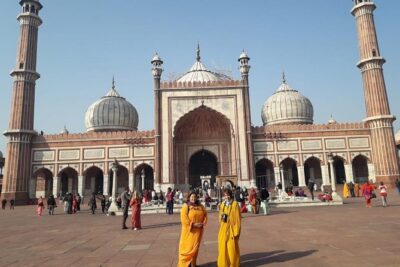
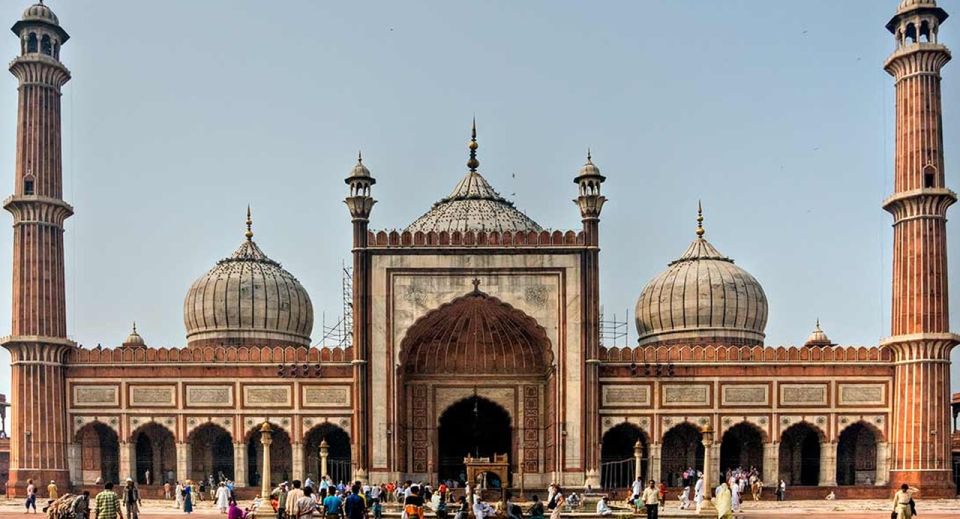
- Jama Masjid, noted as India’s largest mosque
- The Red Fort, listed as a UNESCO landmark, viewed from the outside
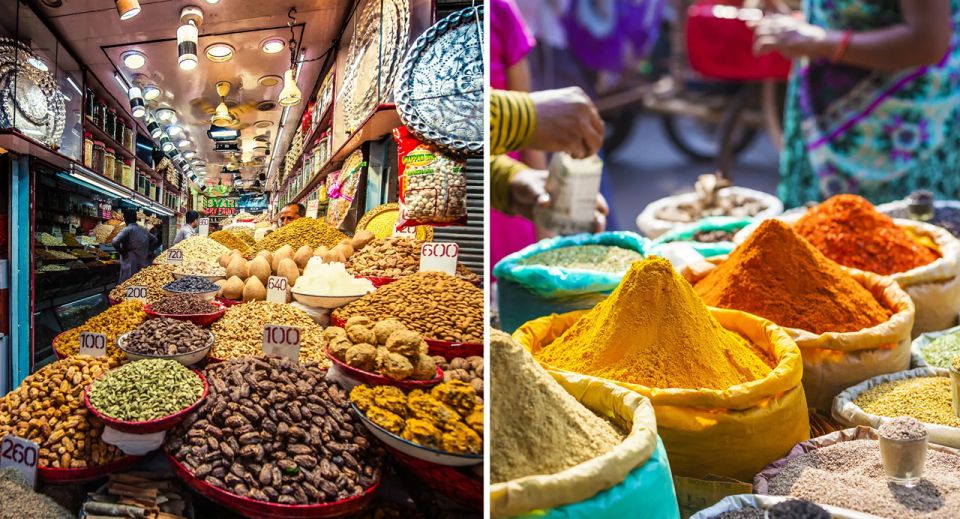
- Chandni Chowk, the famous market lanes
This order is smart. Jama Masjid is a powerful entry point to the area, and Chandni Chowk gives you the street-level feel right after. Expect real market life—busy corners, strong scents, and lots to watch. Wear comfortable shoes because you’ll want to move with confidence instead of stopping every few steps.
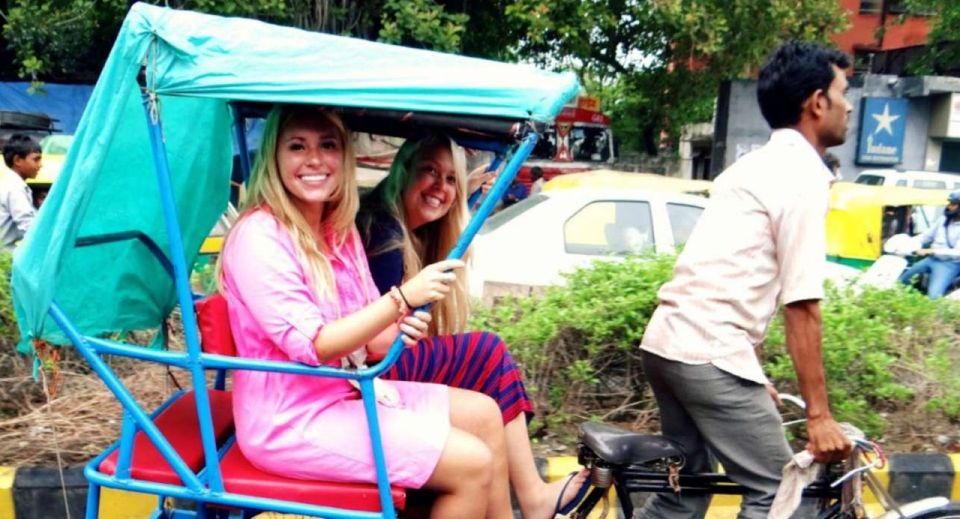
A detail I appreciated from real-world experience: in at least one confirmed setup, a rickshaw ride in the narrow lanes of Chandni Chowk was included as a fun way to experience how tight and kinetic the market feels. If your guide offers it, it’s a good add-on because it lets you “feel” the lanes without burning energy walking every inch.



New Delhi after lunch: India Gate to Qutub Minar
After lunch at a local restaurant, the tour shifts gears to New Delhi with standout monuments:
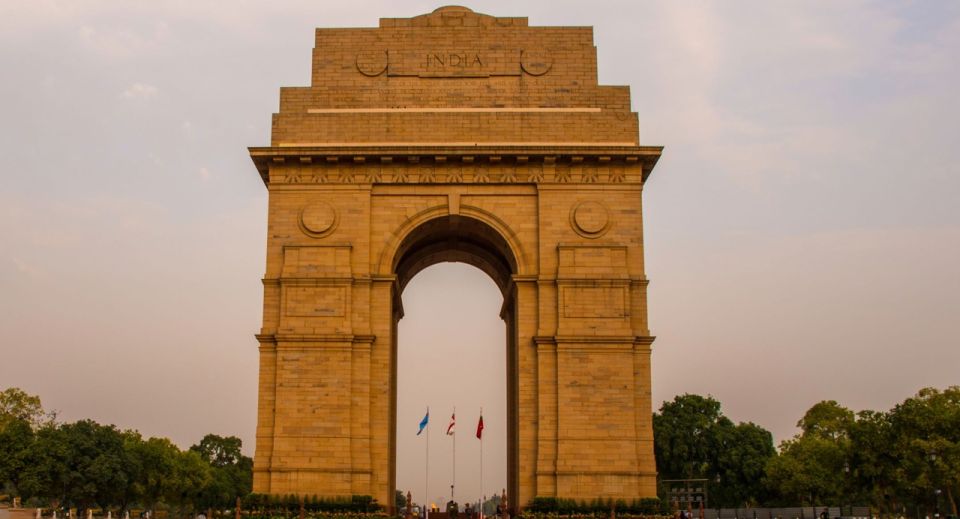
- India Gate, a war memorial honoring Indian soldiers
- Rashtrapati Bhawan, the President’s residence
- Humayun’s Tomb, described as a Mughal architectural masterpiece
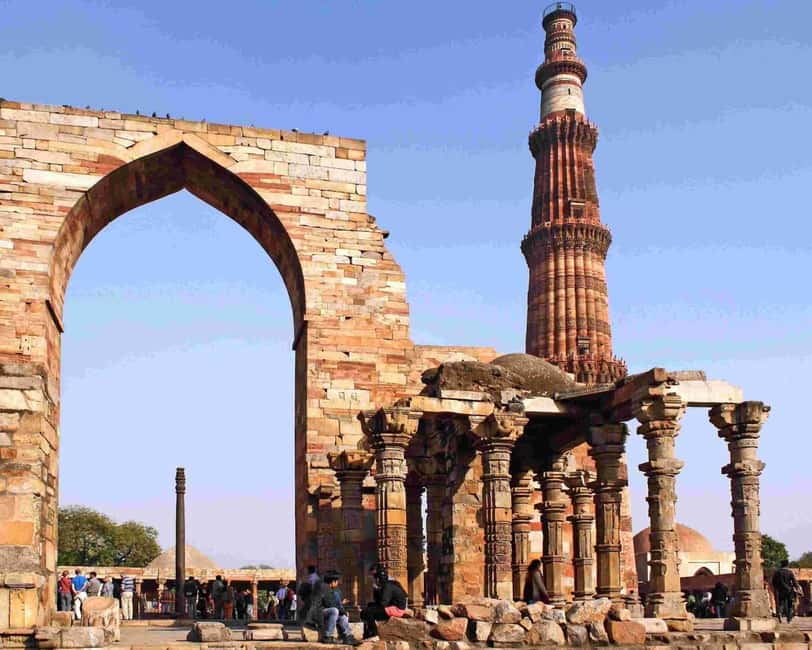
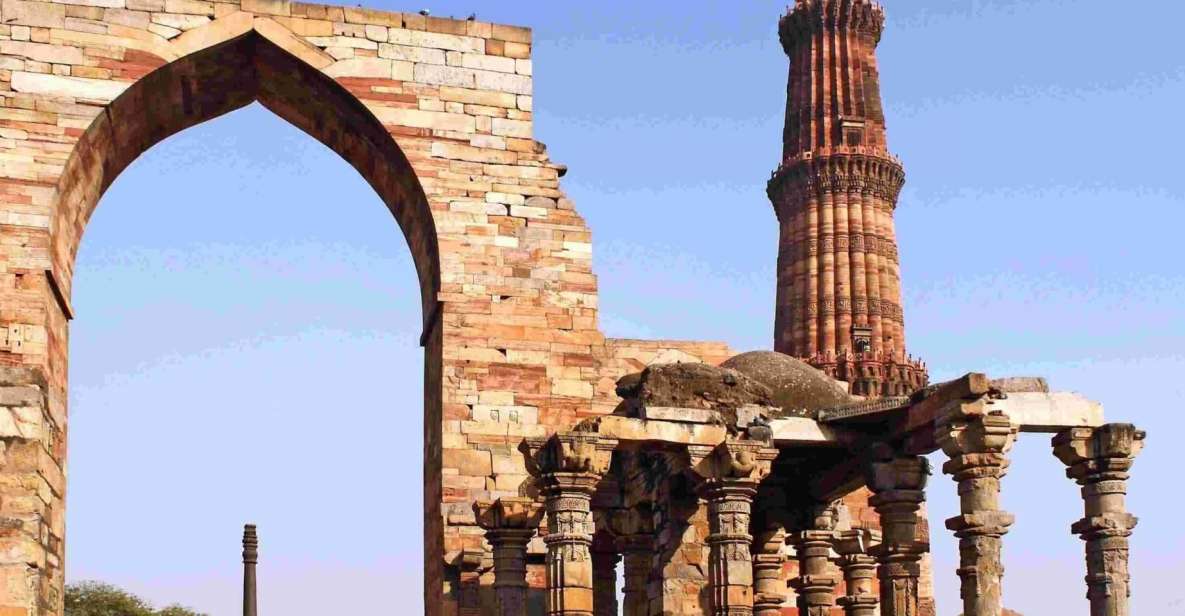
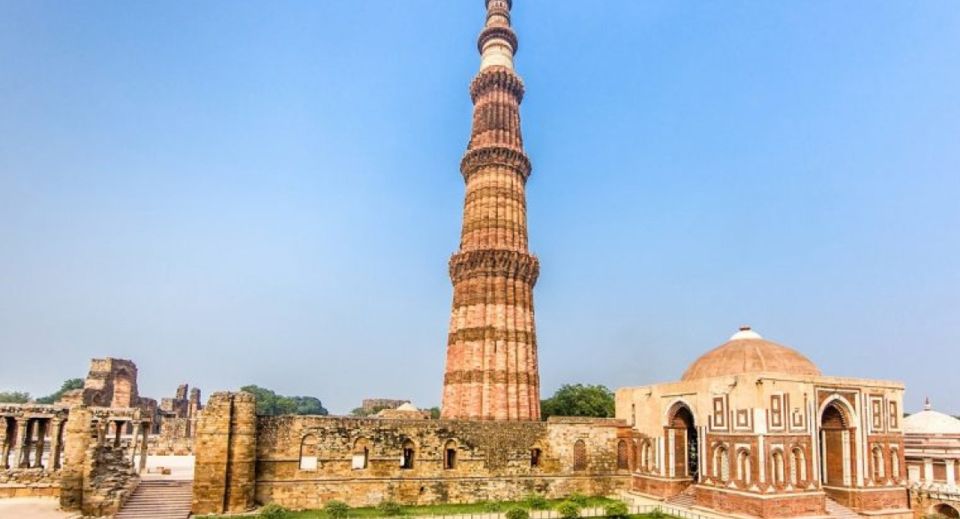
- Qutub Minar, noted as the world’s tallest brick minaret
- Plus Lotus Temple, included in the tour highlights
The way this is paced helps. Old Delhi hits the senses fast. Then the New Delhi monuments feel more spacious, more formal, and easier to take in slowly.
Practical Day 1 tip
Bring sunglasses and plan for strong daylight. Even if you’re not in extreme heat, India sun can be intense, and Qutub Minar plus open-sky stops punish sore eyes and short planning.
By evening, you drive to Agra, check into your hotel, and rest up.
Day 2: Sunrise Taj Mahal, Agra Fort, and Fatehpur Sikri on the way to Jaipur
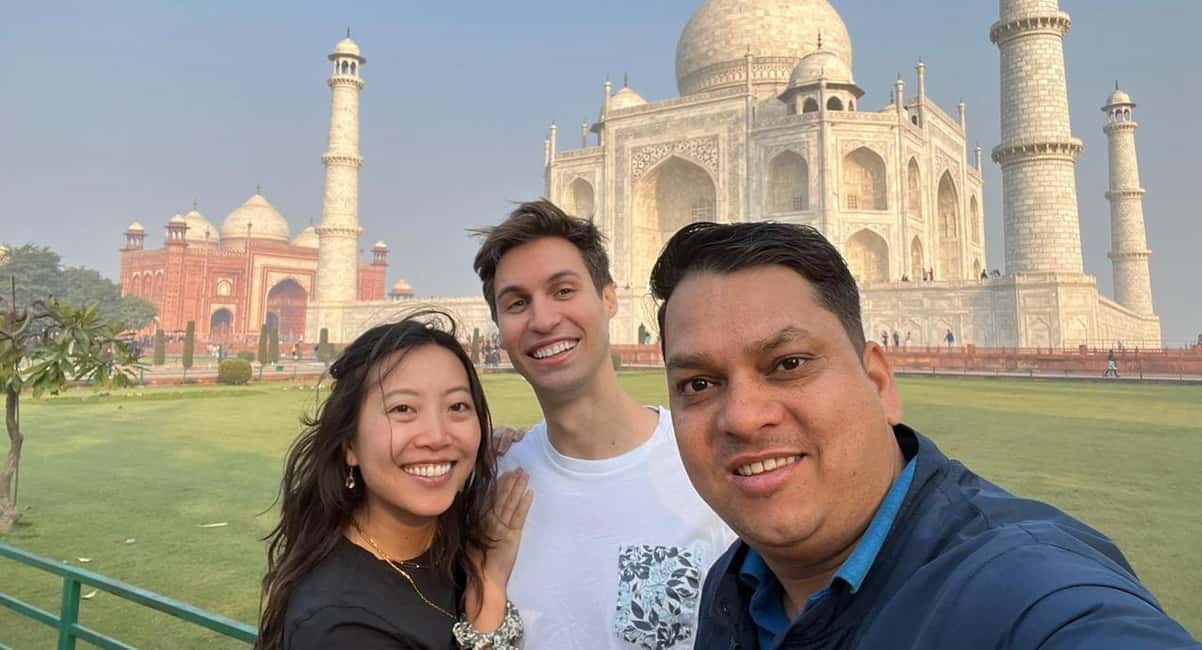
Day 2 is the classic “wake up and win” schedule. You’re set for a 6:30 AM sunrise visit to the Taj Mahal. Sunrise isn’t just a time slot. It’s about light, crowd levels, and the temple’s early-day mood.
Why sunrise works (and why it’s not for late sleepers)
The Taj Mahal is the headline. The sunrise slot makes it easier to experience it calmly instead of fighting a crush. You’ll also be fresh enough to appreciate details, not just chase angles.
The tradeoff is obvious: you’ll need an early night. This is the tour’s biggest commitment, and it’s why many people love it. You get to start the day with the main event.
After your Taj visit, you return for breakfast and a short rest, then check out Agra Fort, described as a majestic red sandstone fortress.
Agra Fort: the fortress hour after the main event
Agra Fort is a great follow-up because it changes the feeling. The Taj Mahal is white marble romance. Agra Fort gives you scale, stone, and a fortress setting that feels built for power and defense.
You’ll likely appreciate it more because it comes after sunrise. You’re not rushing from one big photo stop to another with no recovery time.
The drive to Jaipur includes Fatehpur Sikri
Once check-out happens, you begin the journey to Jaipur, with a stop at:
- Fatehpur Sikri, described as an abandoned Mughal capital with stunning architecture
Fatehpur Sikri is a useful break in a day like this. It breaks up the long travel feeling, and it gives you a historical site that is different from both Agra Fort and Jaipur’s forts.
After arriving in Jaipur, you check into your hotel and unwind.
Day 3 in Jaipur: Amber Fort, Hawa Mahal, Jantar Mantar, and the return to Delhi
Day 3 is where Jaipur turns into a full show: fort views, palace exteriors, and a science stop that surprises people who think they only came for photos.
You tour the city after breakfast, then later you return to Delhi for drop-off at your hotel or Delhi Airport.
Amber Fort: hilltop fortress with real presence
The itinerary includes:
- Amber Fort, described as a hilltop fortress
Hilltop forts usually mean stairs, uneven surfaces, and strong sun. That’s why the earlier recommendation matters: good shoes and water-friendly planning. If you’re thinking in terms of photos, this is also one of the best times to get those big panoramic angles before the day gets too hot.
Jal Mahal and Hawa Mahal: palace-on-water and the Palace of Winds
Next come the more “wow” structures:
- Jal Mahal, described as a picturesque palace on water
- Hawa Mahal, described as the Palace of Winds
Jal Mahal is a great change of pace. It’s scenic in a different way than Amber Fort. Hawa Mahal is iconic, and it’s the kind of stop that makes you understand why Jaipur became a magnet for palace architecture.
City Palace and Jantar Mantar: royalty meets astronomy
Then you move into two big culture stops:
- City Palace, described as a grand royal residence
- Jantar Mantar, described as an ancient astronomical observatory
Jantar Mantar is a smart inclusion because it shifts you from “kingdom as buildings” to “kingdom as ideas.” It also tends to be less exhausting than some fort climbing, so it balances the day.
Panna Meena Ka Kund plus market time
The tour also includes:
- Panna Meena Ka Kund, described as a historic stepwell
- Souvenir shopping in Jaipur’s local markets
Souvenir time is usually where people burn energy. If you keep it light—one or two shops, not the whole city—you’ll enjoy it more.
Then after lunch, you start the drive back to Delhi and wrap up the tour.
The private guide part: what you actually gain
A private tour lives or dies by the guide. In this setup, you get a live local guide available in multiple languages: English, Spanish, German, Russian, and French.
That matters because the monuments are loaded with symbols and details, and not everyone wants to play archaeology detective alone. A good guide helps you understand why certain sights are grouped, what you should look for first, and how to avoid wasting time.
One name that comes up with praise is Gautam Grover. The big takeaway is how he makes the day feel manageable—especially for solo visitors—by keeping the pace practical and the logistics clear.
Skip-the-line entries: how to use them well
The tour includes skip-the-line access via a separate entrance. That doesn’t mean you’ll never wait anywhere, but it usually cuts the worst bottlenecks at major sites.
Here’s how to get the most from it:
- Be ready at the meeting point on time, even if you feel early
- Keep your passport or ID card handy
- Bring sunglasses and stay flexible on timing, because sunrise and monument openings don’t follow your personal schedule
If you hate queues, this small feature can feel like a big upgrade.
What to pack and what not to wear
The tour is clear about essentials and dress rules.
Bring:
- Passport or ID card
- Comfortable shoes
- Sunglasses
Not allowed:
- Shorts
It’s also not suitable for pregnant women, and while the tour is listed as wheelchair accessible, you should expect the sites to involve some walking and uneven areas. Plan your comfort first.
Who should book this Golden Triangle tour, and who should skip it?
This is a great fit if you want:
- A classic Delhi–Agra–Jaipur route in only 3 days
- Private transport and hotel stays included
- A real guide in your language
- To see the Taj Mahal at sunrise without planning every step yourself
You might want to think twice if:
- You dislike early mornings (Day 2 is 6:30 AM)
- You prefer super slow travel with lots of downtime
- Your mobility is limited to the point that forts and walking routes feel hard
Should you book this tour from Delhi?
I’d book this if you want the Golden Triangle highlights with less friction. The value comes from the combo: private guide + private car + hotel nights + separate-entrance skip-the-line + a route that hits the big monuments efficiently.
If you’re excited about seeing the Taj Mahal in the calm of sunrise and you don’t mind a packed Day 3 in Jaipur, it’s a smart choice. If the early start sounds brutal, decide honestly now—because once the itinerary locks in, there’s no gentle way around it.