REVIEW · NEW DELHI
From Delhi: Day-Trip to Jaipur with Hotel Pickup
Book on GetYourGuide →Operated by ITS Holidays · Bookable on GetYourGuide
A 5 a.m. start and Jaipur rolls in. This day trip is built for people who want the highlights without planning, with hotel pickup and drop-off handling the heavy lifting. You also get a private local guide, so the sites come with context instead of just a list of monuments.
I like how the tour keeps things contained: a small group capped at 10, an air-conditioned vehicle, and bottled water along the way. The main thing to keep in mind is that this kind of tour can include extra shopping pressure, and you may be nudged toward optional purchases or tipping along the route.
In This Review
- Key things to know before you go
- How the Delhi pickup-to-Jaipur ride saves your energy
- Amber Fort: the hilltop palace that explains Jaipur’s power
- Jal Mahal and the quick photo moment that changes the mood
- City Palace and the royal mix of styles you can actually see
- Jantar Mantar: the world of astronomy in 1734
- Hawa Mahal: the Palace of Winds, built for women’s quarters
- Albert Hall Museum and Ram Niwas Gardens: what you should expect
- Price and value: what $30 buys (and what it doesn’t)
- Group size, guide languages, and timing that matter
- What to watch for: optional shopping stops and tipping cues
- Practical tips to make this long day easier
- Should you book this Delhi to Jaipur day trip?
- FAQ
- What time does the tour start?
- Where can I be picked up?
- How long is the day trip?
- Do I need tickets for the sights?
- Is lunch included?
- How many people are in the group?
- What languages are available for the live guide?
- Is the tour wheelchair accessible?
- What ID do I need to bring?
- Is the tour suitable for everyone?
Key things to know before you go
- 5:00 a.m. departure from Delhi means you’ll beat the day heat and crowds
- Small group (max 10) keeps the experience calmer than big bus tours
- Skip the ticket line and get guided time at major sights
- Pickup options include Delhi hotel, Noida/Gurgaon, or Delhi Airport (plus Jaipur-related pickup/drop choices)
- Lunch isn’t included, so budget time and money for a meal break
How the Delhi pickup-to-Jaipur ride saves your energy
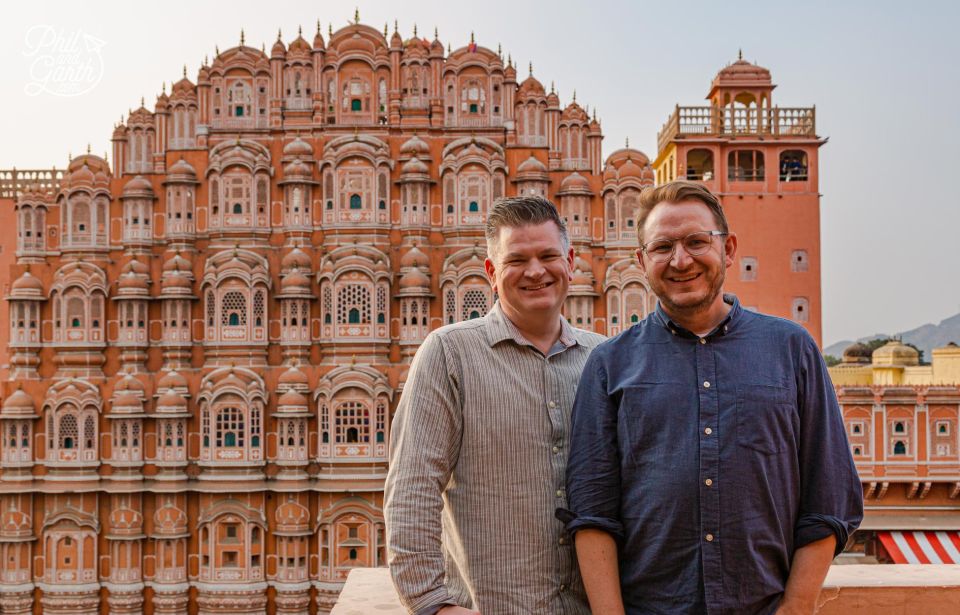
This is one of those trips where the first win is logistics. A 5:00 a.m. hotel pickup means you don’t spend your morning figuring out cars, routes, and where to meet. You’ll start early, ride comfortably in an air-conditioned vehicle, and come back the same day with drop-off at your chosen location.
Along the drive, you get a practical view of how Jaipur feels even before you reach the main monuments. You’ll pass through the pink rose residential and business areas, and you’ll also get route views tied to the city’s landmark locations. That matters because Jaipur is big, and the roads between sights can eat time fast. By packing multiple stops into one guided day, you trade a lot of uncertainty for a clear plan.
One more detail I appreciate: there’s a midway stop for refresh—washrooms and a quick reset—before you finish the return drive to Delhi. It sounds small, but for a 8–14 hour day, it helps you stay pleasant for the afternoon sights.
You can also read our reviews of more tours and experiences in New Delhi.



Amber Fort: the hilltop palace that explains Jaipur’s power
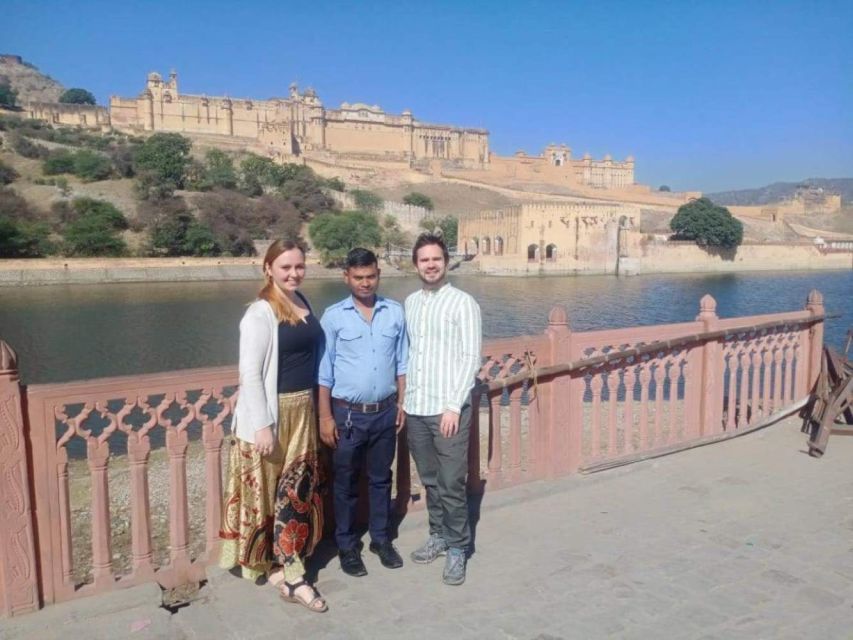
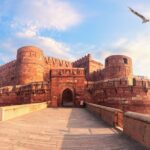
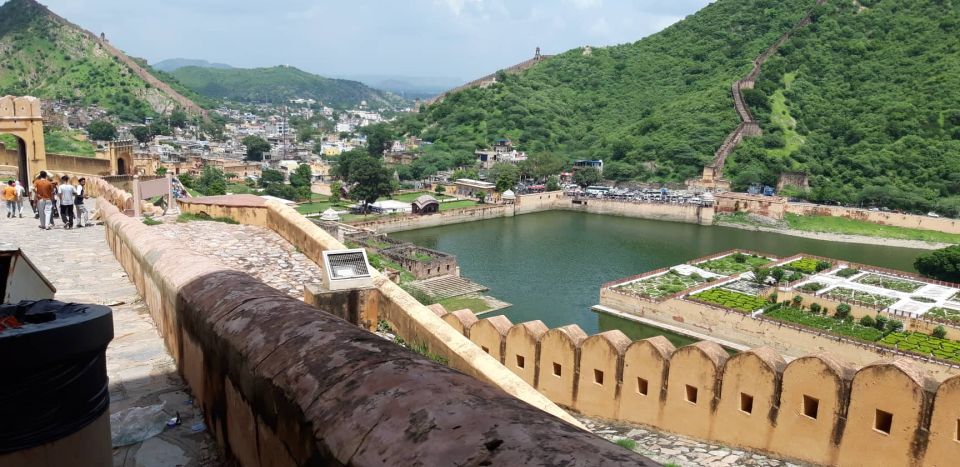
When you arrive in Jaipur, the first big stop is Amber Fort, the fort-palace perched about 11 km from Jaipur on the Aravalli Hills. It’s not just pretty from the outside; the setting does half the storytelling. You feel the defensible location and the way this site dominates the area.
Your visit includes a guided tour and sightseeing, which is the right way to do Amber Fort. The fort was built in 1600 by Raja Man Singh, who served as the commander-in-chief of the Mughal army during Akbar’s reign. That connection helps you understand why Amber Fort is more than a local landmark—it sits at the crossroads of Rajput and Mughal influence.
A detail I’d watch for during your guide talk: Amber is also linked to the idea of the Kuchwahas’ famous lost treasure. You’ll hear about Independence-era theories that this area could have been a hiding place. Even if you take that story as folklore, it adds flavor to what you’re looking at, and it makes the walls, gates, and rooms feel like part of a bigger narrative.
What can slow you down here: forts often mean uneven ground and lots of walking. The tour asks you to bring comfortable shoes, which is solid advice. If you’re sensitive to long stair climbs or long standing time, you’ll want to pace yourself from the start and keep water in mind (bottled water is included, but you’ll still want to sip often).
Jal Mahal and the quick photo moment that changes the mood
After Amber, there’s a short stop at Jal Mahal for photography. This is one of those moments where you don’t need a long visit to get the idea. Jal Mahal is a visual pause—less about museum time, more about catching the fort-and-water vibe that people associate with Jaipur’s best-known views.
This is also a good reminder that the day is paced. You’re moving from a hilltop fortress to a calmer scene, then into the city center. If you try to treat each stop like it needs equal time, you’ll feel rushed. The tour format is designed so you get recognizable highlights without losing the flow.
City Palace and the royal mix of styles you can actually see
Next up is City Palace of Jaipur, guided so you can pick out the layers in what you see. City Palace is described as a blend of Rajasthani and Mughal architecture, and your guide walk helps you understand the mix instead of just spotting buildings.
This palace complex is made up of multiple buildings, courtyards, gateways, and temples. The big named parts you’ll hear about include:
- Chandra Mahal, with its 7-story facade (it’s associated with the present royal family’s residence)
- Mubarak Mahal, made of marble
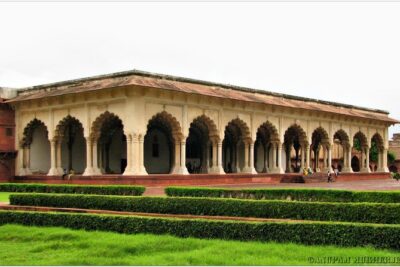
- Diwan-e-Aam and Diwan-e-Khas, the Hall of Private Audience and the hall for public audience
Here’s why this matters for your day: City Palace is where Jaipur shifts from dramatic fortress visuals into a working understanding of royal life and power. If Amber is about defense and height, City Palace is about space—how rulers organized rooms, audiences, and ceremonial areas.
Time check: there’s guided sightseeing, so you’re not left wandering. Still, this is one of the places where you’ll likely want to slow down for photos and doorway details when the guide pauses for explanation.
Jantar Mantar: the world of astronomy in 1734
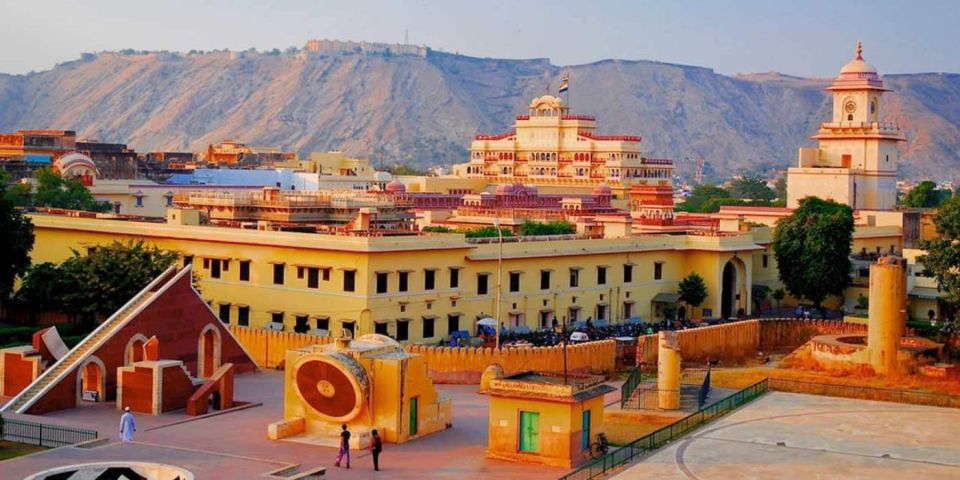
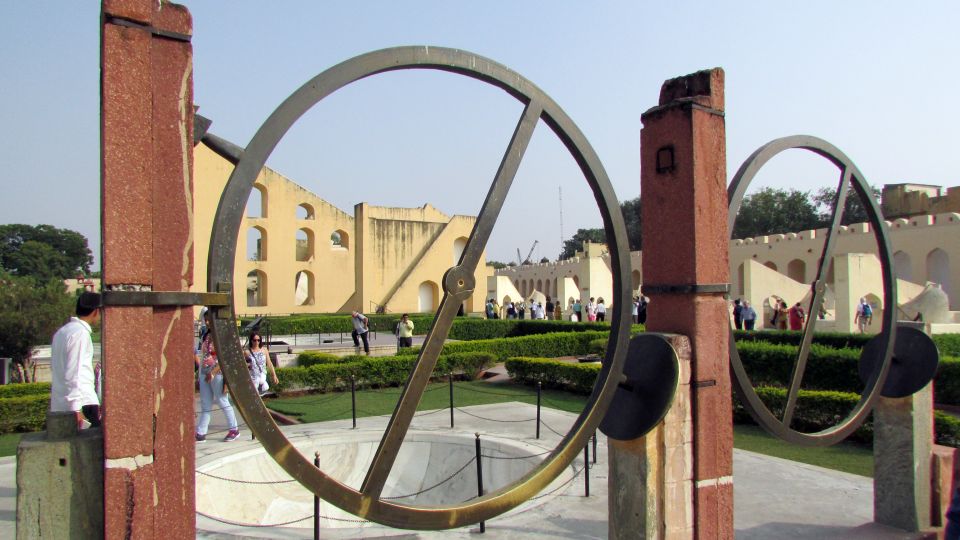
After City Palace, you’ll reach Jantar Mantar, Jaipur’s famous observatory. This is a UNESCO World Heritage site, and it helps that your stop is framed as a collection of 19 architectural astronomical instruments built by the Rajput king Sawai Jai Singh II, completed in 1734.
The standout feature is the world’s largest stone sundial. Your guide can help you connect what you’re seeing to how people measured time and celestial positions without modern technology. If you like understanding how rulers used math in daily life—especially for astronomy—this stop is a strong payoff.
Jantar Mantar is also located near City Palace and Hawa Mahal, so it sits neatly in the route. That makes it one of the most time-efficient “wow” moments of the day. You get a major attraction with a guided explanation, and you don’t lose half your afternoon traveling between areas.



Hawa Mahal: the Palace of Winds, built for women’s quarters
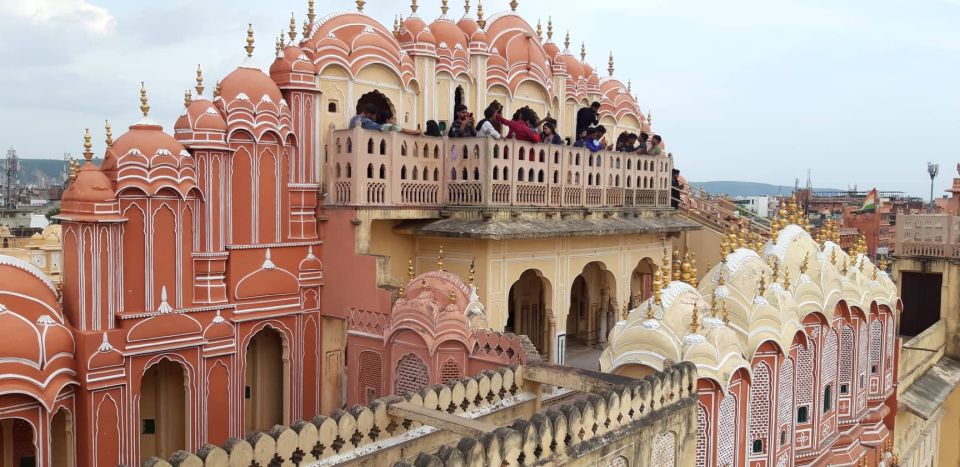
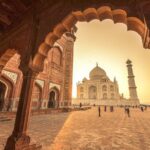
Then you’ll see Hawa Mahal, famous as the Palace of Winds. It’s constructed of red and pink sandstone, and it sits on the edge of City Palace, extending toward the zenana, the women’s chambers. The structure was built in 1799 by Maharaja Sawai Pratap Singh.
Even if you only get a photo stop here, it’s still worth it because Hawa Mahal’s facade is its own kind of “information.” Those repeated window-like openings aren’t just decoration. With the guide’s background, you start to understand how design supported ventilation and life inside.
A practical note: this is still a walking-and-standing kind of stop. Comfortable clothes and shoes matter again. Also, it’s early and midday light can be strong, so consider sunglasses and a hat even though they aren’t listed—your comfort is what helps you enjoy the views.
Albert Hall Museum and Ram Niwas Gardens: what you should expect
In the afternoon, the tour includes stops at Albert Hall Museum and Ram Niwas Gardens. The schedule doesn’t list deep time for these locations, so I’d treat them as part of a sightseeing arc rather than as full museum sessions. Your best approach is to go in ready for shorter looks and focus on what your guide highlights.
Ram Niwas Gardens also works as a gentle reset between landmarks. That’s important because by the time you reach the afternoon, fatigue can sneak in. A calmer garden stop can make the later city views feel easier.
Price and value: what $30 buys (and what it doesn’t)
The tour price is listed at $30 per person for a 8–14 hour day. That’s not just a cheap sightseeing number; it’s tied to real costs: transportation in an air-conditioned vehicle, hotel pickup/drop-off, a local guide, and bottled water.
Whether entry fees are included depends on the option you choose. The information says entry fees are included if you select the all-inclusive private tour option. Also, the tour states you can skip the ticket line, which is a big deal in busy places like City Palace and Jantar Mantar.
What isn’t included is lunch. That’s one of the few clear budget gaps you’ll need to plan for. If you want to eat comfortably without stretching your day, factor in time to find a place that fits your group pace.
Group size, guide languages, and timing that matter
This is a small-group experience limited to 10 participants. That size is a sweet spot for Jaipur day-tripping. It’s large enough that you’re not stuck alone with the guide, but small enough that you can actually hear explanations and get time at key viewpoints.
Your live guide can operate in English, German, Spanish, French, or Russian. If your language matters to you, pick the language that keeps you engaged rather than nodding along.
The timing structure is very straightforward: start at 5:00 a.m. from Delhi, arrive, tour major highlights, then drive back with a refresh stop and drop at your end location. In practice, that early start reduces the chance you’ll feel cooked by midday sun, especially at places with lots of standing.
What to watch for: optional shopping stops and tipping cues
Here’s the one heads-up I’d give you before booking: some day trips in India include shopping stops, and it can feel pushy when you’re already spending your time and money on monuments. On at least one experience with this exact style of tour, the group was taken to sales events selling items like textiles and stones. Lunch and tipping expectations were also flagged as extra.
I’m not saying this will happen on every departure, but you should go in prepared. The easiest way to handle this is to set your own boundaries early:
- Treat shopping stops as optional, not mandatory
- Ask what is included at the start, especially around meals
- Be ready for situations where tipping or small purchases are presented as expected
If you dislike shopping pressure, you may prefer tours that explicitly limit shopping stops. If you’re okay with a quick browse and you control your spending, the guide time at major sights can still make the day feel efficient.
Practical tips to make this long day easier
This is an early, full-day plan, so small choices help a lot.
Bring:
- A valid passport or ID card
- Comfortable shoes (forts and palace grounds mean a lot of walking)
- Comfortable clothes for sun and movement
- A towel (helpful for comfort and sweat management in long outdoor stretches)
On your side, also think ahead for:
- Hydration: bottled water is included, and you’ll want to drink steadily
- Sun protection: you’ll be outdoors for multiple landmarks, so cover up if you run hot
- Photo stamina: some stops are short, so decide what you want to capture quickly—facades, courtyards, and the sundial area
A couple safety and suitability notes from the tour info: it isn’t suitable for pregnant women, people under 3 ft 9 in (120 cm), or anyone who has altitude sickness concerns. The tour is listed as wheelchair accessible, but with forts and older sites, accessibility can still vary site-to-site—so plan to ask about practical routes if that’s relevant for you.
Should you book this Delhi to Jaipur day trip?
Book it if you want a high-hit list day: Amber Fort, City Palace, Jantar Mantar, and Hawa Mahal, all tied together with a guide and pickup/drop-off so you don’t burn hours coordinating transport.
Skip it or choose a different format if you hate the idea of shopping stops and don’t want any ambiguity around extra costs or tipping cues. If that part of the day stresses you out, it can spoil the mood—even if the monuments are excellent.
If you do book, go in with the right mindset: this is a structured, guided sprint through Jaipur’s biggest landmarks. With comfortable shoes, a meal plan for lunch, and a personal rule for any shopping pressure, you’ll get a day that’s both efficient and genuinely memorable.
FAQ
What time does the tour start?
The tour starts at 5:00 a.m. from Delhi.
Where can I be picked up?
Pickup is available from your accommodation in Delhi, Noida, or Gurgaon, or from Delhi Airport. There are also pickup and drop-off options related to Jaipur and Jaipur International Airport.
How long is the day trip?
The duration is listed as 8 to 14 hours.
Do I need tickets for the sights?
You can skip the ticket line. Entry fees are included only if you select the all-inclusive private tour option.
Is lunch included?
No, lunch is not included.
How many people are in the group?
It’s a small group limited to 10 participants.
What languages are available for the live guide?
The guide can speak English, German, Spanish, French, and Russian.
Is the tour wheelchair accessible?
The tour is listed as wheelchair accessible.
What ID do I need to bring?
Bring a passport or an ID card, and carry valid ID proof during the tour.
Is the tour suitable for everyone?
It is not suitable for pregnant women, people under 3 ft 9 in (120 cm), or people with altitude sickness.