REVIEW · NEW DELHI
From Delhi: Golden Triangle Tour to Agra & Jaipur – 5 Days
Book on GetYourGuide →Operated by PAT Vacations · Bookable on GetYourGuide
Three monuments, three cities, one smooth plan.
This private Golden Triangle tour is interesting because it links Delhi, Agra, and Jaipur with real on-the-ground timing—especially the sunrise Taj Mahal start—and optional pickup to keep the first day from feeling like chaos.
What I like most is how the day-to-day structure keeps you moving without turning it into a rushed blur. I love the guided walkthroughs that explain what you’re actually looking at, and I also like the practical help that can save time at entrances through guide assistance.
One thing to consider: the schedule packs in a lot of major sights. If you prefer slow travel, this can feel time-tight, and Akshardham Temple is listed as closed on Mondays, which may change your stop plan on that day.
In This Review
- Key Things You’ll Appreciate on This Delhi–Agra–Jaipur Route
- How This Private Golden Triangle Tour Actually Feels
- Delhi City Center: Qutub Minar, Lotus Temple, and India Gate in One Half-Day
- Day 2 to Agra: The Akshardham Stop, Baby Taj, and a Mehtab Bagh Sunset
- Sunrise Taj Mahal: How You Avoid the Worst Timing
- Jaipur’s Big Day: Amber Fort, Jal Mahal, City Palace, Hawa Mahal Views, and Jantar Mantar
- Transportation, Private Guides, and Why “Comfortable Ride” Matters
- Price and Value: Is Around $139 a Smart Deal?
- What to Bring (and the One Big Scheduling Gotcha)
- Should You Book This Delhi–Agra–Jaipur Tour?
- FAQ
- What cities does this Golden Triangle tour cover?
- How long is the tour?
- Do we get a live tour guide, and what languages are available?
- Do you skip the ticket line?
- What pickup options are available in Delhi?
- What stops are included on the way to Agra?
- What happens at the Taj Mahal on Day 3?
- Where does the tour end?
Key Things You’ll Appreciate on This Delhi–Agra–Jaipur Route
- Sunrise Taj Mahal timing to help you see it before the biggest crowds.
- Skip-the-ticket-line help from your live guide for monument entry fees.
- Mehtab Bagh sunset view option after your first Agra afternoon visit.
- Full Jaipur day with Amber Fort, City Palace, Jantar Mantar, and Hawa Mahal viewpoints.
- Private or small groups plus a driver, so you’re not stuck waiting around.
- Guide language options across English, Russian, Spanish, French, and German.
How This Private Golden Triangle Tour Actually Feels
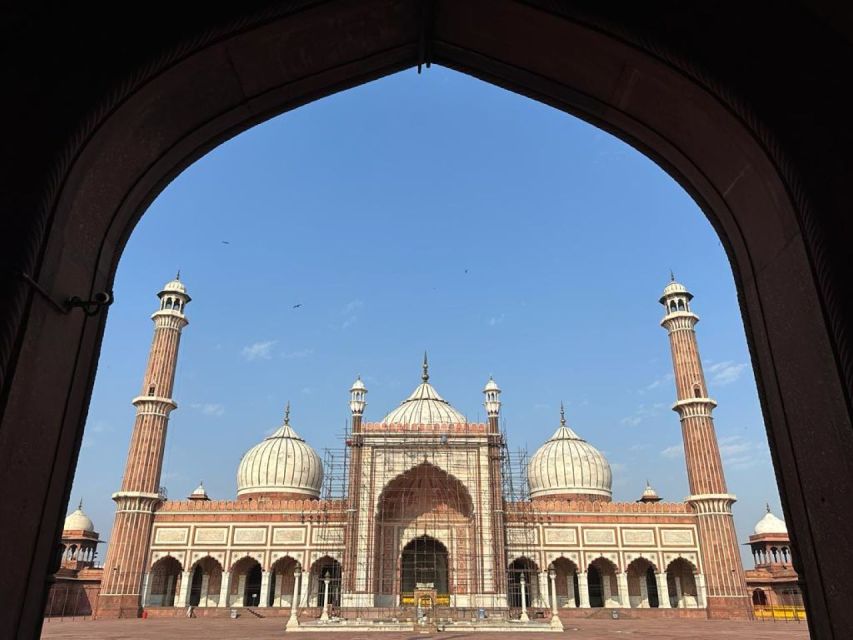
This is the classic Golden Triangle arc—Delhi to Agra to Jaipur—but the value here is in how the route is organized for comfort and clarity. You’re not expected to figure out transport, timings, and ticketing details. Instead, the plan uses a dedicated driver and a live guide who keeps the story straight from one site to the next.
You’ll also notice the balance between “big photo icons” and context. Delhi isn’t just a quick stop at one monument; it includes both New and Old Delhi experiences. Agra isn’t just the Taj Mahal; you also get Agra Fort and the Mughal-era setting around it. And Jaipur isn’t only forts; you get the astronomy of Jantar Mantar and palace spaces like City Palace.
The tour’s private/small-group setup matters too. It’s easier to ask questions, adjust your pace slightly, and manage bathroom breaks without feeling like you’re holding up a huge bus group. For solo travelers or couples, this kind of structure often turns the whole trip from stressful to enjoyable.
You can also read our reviews of more tours and experiences in New Delhi



Delhi City Center: Qutub Minar, Lotus Temple, and India Gate in One Half-Day
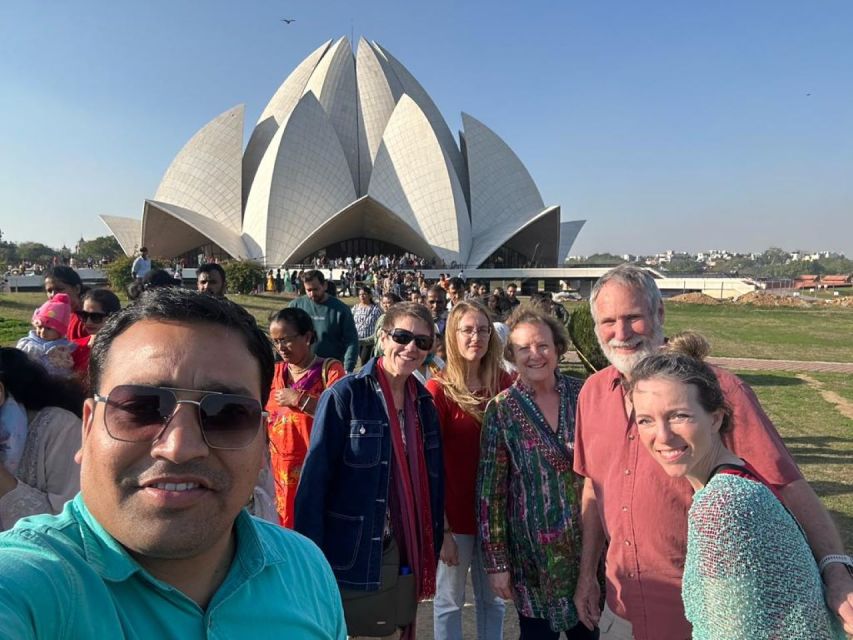
Delhi on this itinerary is built like a starter pack. Day 1 is a half-day tour covering landmarks in New Delhi plus the older-city flavor. If you arrive feeling jet-lagged or tired, that half-day length helps you get oriented without exhausting you.
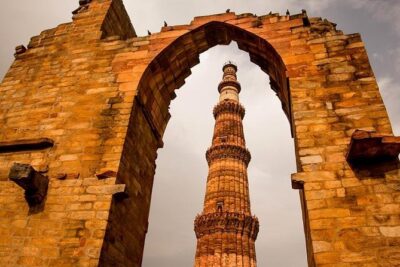
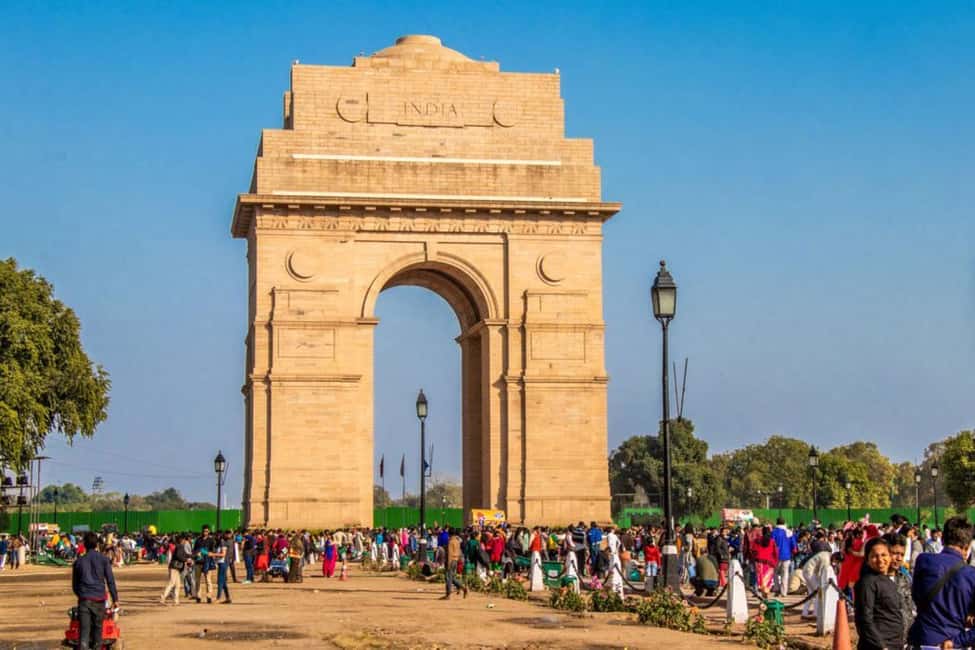
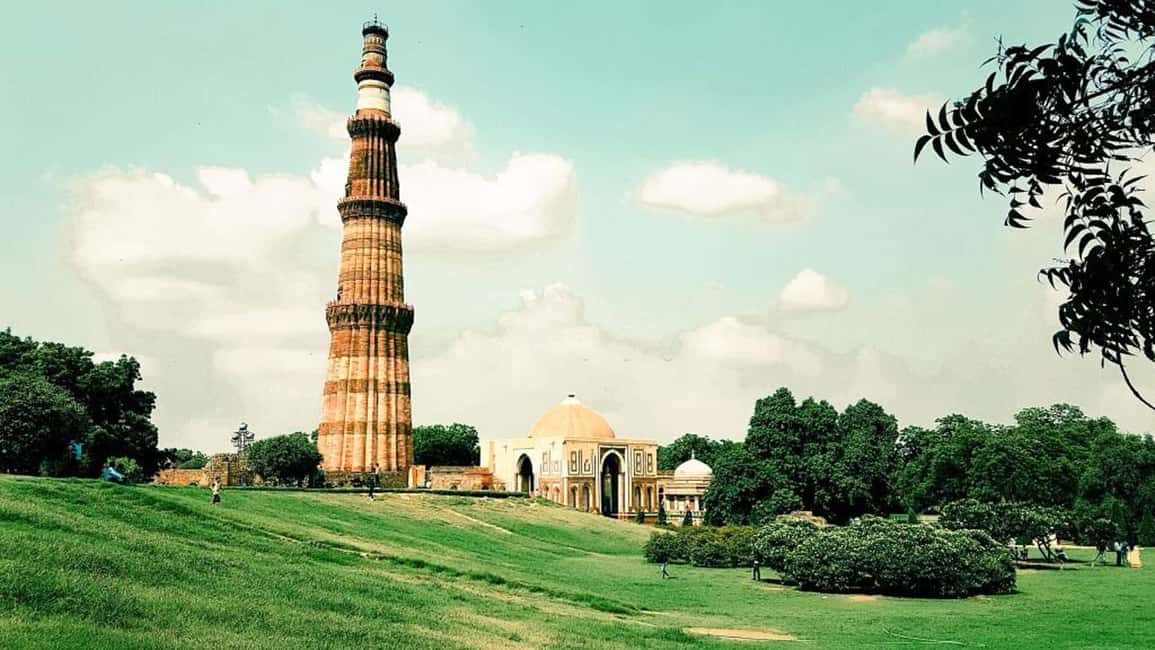
You’ll visit Qutub Minar, a signature piece of Delhi’s medieval architecture. You’ll also see Lotus Temple, the striking modern shape that’s known for its quiet, symmetrical design. Then India Gate enters the picture—less about religious awe, more about national memory and a sense of place.
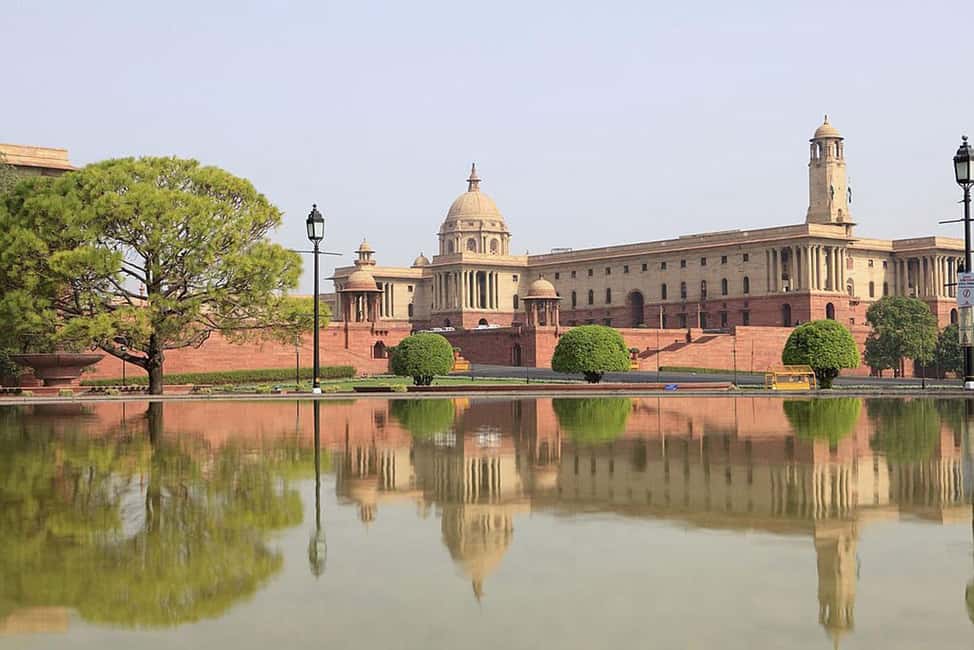
After the highlights, you drive past major government buildings like Parliament House and the President’s Palace area. That “drive past” portion is useful because it shows you where key districts sit, even if you don’t stop for long. Then you’re back to your hotel to rest, which is smart because Day 2 moves to Agra.
This day is a good match if you like your sightseeing with guidance. It’s also a decent choice if you want an introduction first, so the rest of the trip feels less like you’re guessing.
Day 2 to Agra: The Akshardham Stop, Baby Taj, and a Mehtab Bagh Sunset
Day 2 is a transition day done right. After breakfast, you head from Delhi toward Agra, and the route includes a stop at Akshardham Temple—noted as closed on Mondays. So if your schedule lands on a Monday, plan for that: the temple may not be accessible when your tour is running.
Once you reach Agra, your afternoon rhythm is a mix of iconic and beautiful. You check in, then you visit Baby Taj. It’s smaller than the Taj Mahal, but that’s the point. You can actually take in the details without feeling like you’re sprinting for the main event. Then you’ll return to the Taj Mahal complex viewpoint area again for a Mehtab Bagh sunset experience.
Mehtab Bagh is especially worth it if you like photography or just enjoy the “slow moment” before a famous monument at night. Sunset light changes how the marble and surrounding spaces look. Even if you’re not shooting photos, that timing helps break up the day so it doesn’t feel like only travel plus one stop.
One practical note: this is an afternoon-and-evening set-up. That means you’re not “done” with Agra when you see the first Taj views—you’ll see the main Taj Mahal again the next morning. That double hit is a big part of why this plan works.
Sunrise Taj Mahal: How You Avoid the Worst Timing
If Taj Mahal is your reason for traveling, the early start is the main event on Day 3. You rise early to catch sunrise over the Taj Mahal, then you get a guided visit inside before the crowds build.
This is where the tour’s planning shows. Starting early makes the monument feel different. The atmosphere tends to feel calmer. The guide time also matters: you’re not just walking around looking at marble. You’re getting an explanation of what you’re seeing and why the place is designed the way it is.
After the Taj Mahal visit, you go back to the hotel for breakfast and rest. Then you shift gears to Agra Fort, with its historic Mughal-era setting. Agra Fort is not the same kind of spectacle as the Taj Mahal. It’s more about fortifications, power, and layers of history you can feel through the architecture.
Finally, you travel onward to Jaipur and spend the night there. That means you’re not stuck in constant transit with no pay-off. You hit the big sites, then you move on.
If you hate rushing, the key is this: you see Taj Mahal with the right timing first, then the day doesn’t depend on one last-minute scramble.
Jaipur’s Big Day: Amber Fort, Jal Mahal, City Palace, Hawa Mahal Views, and Jantar Mantar
Jaipur is where the itinerary starts to feel like an art history exam—but in the fun way. Day 4 is your full guided Jaipur day, and it’s packed with stops that connect to each other.
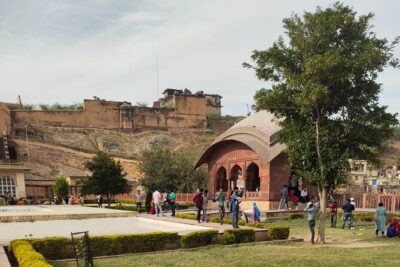
You begin with Amber Fort, one of the best-known fort experiences in the region. Amber Fort works because it’s not only walls. It’s a whole complex that helps you picture royal life in the hills.
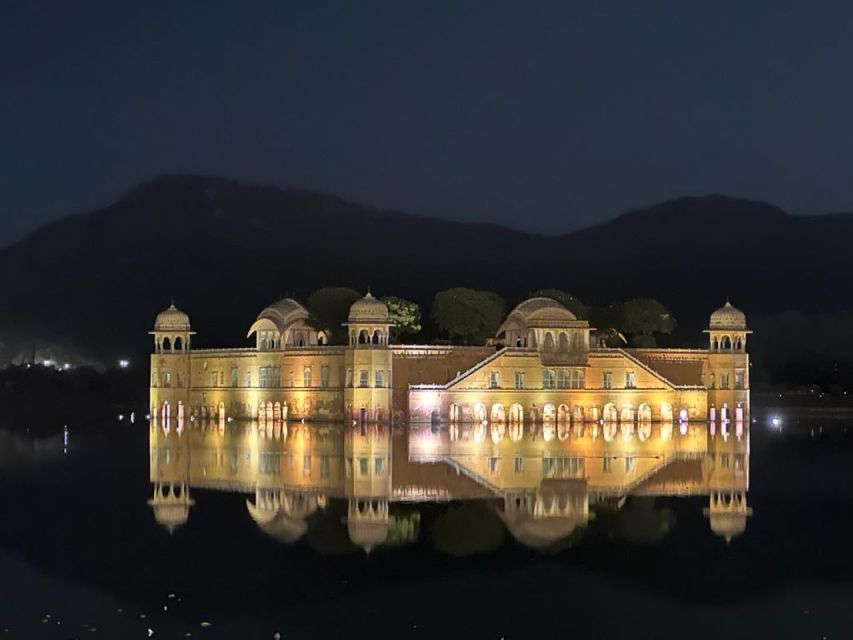
Next is a stop tied to scenery: Jal Mahal, the Water Palace. Even if you’re not spending hours there, it’s a memorable pause and a change of pace from the heavy fort visuals.
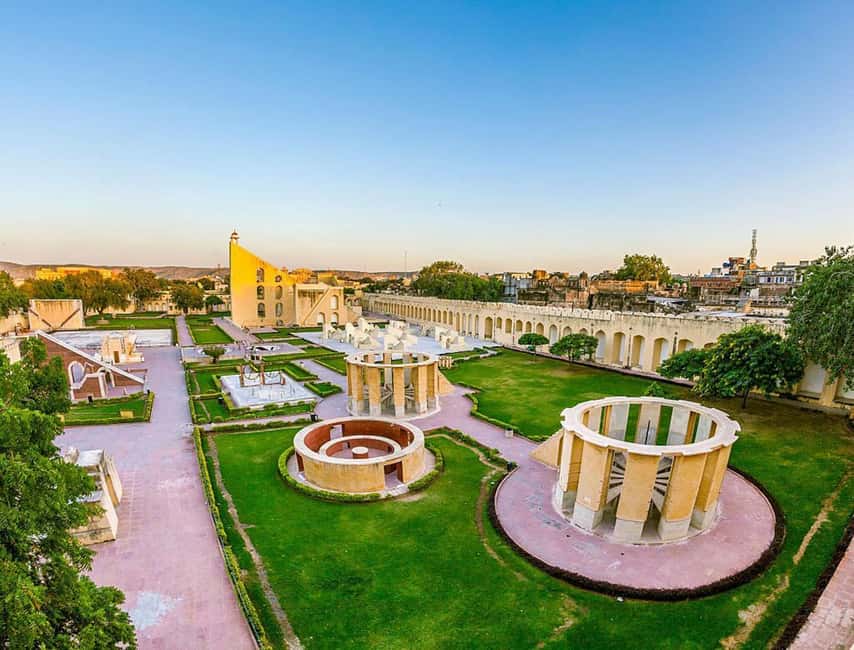
Then you go to the Palace of the Winds (Hawa Mahal) area and Jantar Mantar Observatory. Jantar Mantar is a standout because it turns the idea of astronomy into something you can see with your own eyes—huge instruments, built to measure time and sky patterns. If you like practical science mixed into culture, this is one of the more satisfying stops of the whole tour.
You also visit Maharaja’s City Palace. City Palace gives you a sense of governance and court life, and it ties together the “why” behind the architecture you saw earlier in Amber Fort and the design choices around Jaipur.
Day 4 ends with a hotel night in Jaipur, so you have at least one full rest cycle after the big sightseeing.






Transportation, Private Guides, and Why “Comfortable Ride” Matters
You’re traveling between three major cities: Delhi, Agra, and Jaipur. The transport setup is part of what makes this tour feel easy. Your driver handles the driving, so the day becomes about what you see, not how you get there.
The tour runs as private or small groups, which is a big deal in India. With smaller numbers, you don’t lose time waiting for people to catch up, argue about where to go, or hunt for a misplaced charger. It also means you can ask your guide questions on the spot.
The guide is live and offered in multiple languages, including English, Russian, Spanish, French, and German. If you want the context behind the monuments, this is the difference between seeing a sight and understanding it.
There’s also a practical advantage mentioned in the tour notes: your guide helps you buy entrance fees at monuments so you won’t sit and wait in ticket queues. Even a short wait can feel like an eternity when it’s hot, so this kind of help adds real value.
Finally, the driver and guide being fixed to your trip (private/small group) usually helps keep the schedule stable from hotel pickup through city stops.
Price and Value: Is Around $139 a Smart Deal?
At about $139 per person for roughly 4 to 5 days, this price sits in the “value for structure” category. You’re not just paying for transportation. You’re paying for guided time, planned sequencing across cities, and support around key ticket/entry moments.
What makes the value feel real:
- You get multiple guided major sites instead of independent wandering.
- You get the early morning Taj Mahal timing, which is hard to do confidently without local planning.
- You get a driver across Delhi–Agra–Jaipur and back toward Delhi or Jaipur.
Where you should be careful: this tour focuses on “major hits.” If you want deep, slow, off-the-beaten-path experiences every day, you might find the itinerary intense. But for most first-timers to the Golden Triangle, it’s a clean way to see the essentials with fewer planning headaches.
Room setup is typically twin-sharing, and in a group of 3, the default can be triple-sharing unless you pay for two rooms. That doesn’t change the sightseeing quality, but it can affect comfort. If you’re a group, check the room plan before you go.
What to Bring (and the One Big Scheduling Gotcha)
Keep it simple. Bring a passport or ID card. That’s the required item listed for this tour.
Packing-wise, you’ll want comfortable walking shoes because forts, courtyards, and palace areas involve a lot of steps. Also bring light layers: days can be hot, and mornings can feel cooler when you’re up early.
The schedule has one potential gotcha: Akshardham Temple is listed as closed on Mondays. If your Day 2 lands on Monday, expect that stop to be affected. Your guide should manage the day, but don’t assume every planned monument will operate the same way on every weekday.
Also note: this tour isn’t suitable for people with altitude sickness. While Delhi, Agra, and Jaipur aren’t high-altitude destinations, this is still an explicit constraint in the tour notes. If it applies to you, you’ll want a safer alternative.
Should You Book This Delhi–Agra–Jaipur Tour?
Book it if you want the Golden Triangle highlights with guided context and an organized ride between cities. The standout reasons are the sunrise Taj Mahal timing and the fact that your day-to-day logistics are handled—pickup options, entrance help, and a stable itinerary.
Skip it (or at least reconsider) if you hate packed days or you want lots of free time to explore without a set plan. This route is designed to cover major monuments efficiently, not to linger in one neighborhood for days.
One more thought: if you get a guide like Mak, you’ll likely appreciate the reassuring, helpful approach described in the tour feedback—especially when you need guidance on where to go next or how the day flows.
FAQ
What cities does this Golden Triangle tour cover?
It covers Delhi, Agra, and Jaipur as a multi-day route.
How long is the tour?
The tour duration is listed as 4–5 days (the exact start timing depends on availability).
Do we get a live tour guide, and what languages are available?
Yes. The tour includes a live tour guide with languages offered as English, Russian, Spanish, French, and German.
Do you skip the ticket line?
Yes. The tour notes say you get skip-the-ticket line support.
What pickup options are available in Delhi?
Pickup is optional. If you pick up from Delhi airport, the driver meets you outside the exit gate with your name paging board or waits in the hotel lobby 10 minutes before the scheduled pickup time. Pickup can also be from the Delhi Airport, Noida, or Gurgaon, depending on your location.
What stops are included on the way to Agra?
On the way to Agra, there is a stop at Akshardham Temple, and it is listed as closed on Mondays.
What happens at the Taj Mahal on Day 3?
Day 3 starts early for sunrise viewing and then includes a guided tour of the Taj Mahal before crowds build. After that, you return for breakfast and rest.
Where does the tour end?
You can be dropped back to Delhi, or if you wish, you can be dropped off at Jaipur airport.