REVIEW · NEW DELHI
From Delhi: Private Guided Day Trip to Haridwar & Rishikesh
Book on GetYourGuide →Operated by Taj Voyages Tour - TVT India · Bookable on GetYourGuide
The Ganges rituals start before the sun and keep going into the night. A private guide and driver make it practical to hit the key spiritual spots—especially the Har Ki Pauri evening Ganga Aarti—without wasting time figuring out logistics. I also like that the schedule mixes temples and river views with hands-on culture time in Haridwar’s shopping lanes.
One watch-out: it is a long 14-hour day with early departure, so if you get motion-sick or hate tight timing, you’ll want to plan for breaks and slower pacing.
In This Review
- Key highlights worth planning around
- How this day trip feels: a spiritual sprint with real breathing space
- Price and what you’re really paying for (it’s not just transport)
- Getting started in Delhi: early pickup, organized timing, less stress
- Haridwar arrival: Har Ki Pauri, lamps, and the reason people come
- The markets after the ghats
- Mansa Devi Temple: a mountaintop stop that adds variety
- The midday shift: leaving Haridwar for Rishikesh
- Lunch time and what to expect around it
- Ram Jhula and Laxman Jhula: classic suspension-bridge views
- Yogic reset: ashram yoga or meditation class
- Triveni Ghat stroll: walking time matters
- Parmarth Niketan nightly Gangaarti: the moment the day centers on
- After the ceremony: easy strolling and Rishikesh street life
- Driver and guide quality: what makes the difference on a long day
- What to bring (so you don’t suffer during the ritual moments)
- Dress code and behavior rules: keep it respectful and smooth
- Who this trip is best for (and who should skip it)
- Should you book this Delhi to Haridwar and Rishikesh trip?
- FAQ
- What time does the trip start and where do pickups happen?
- Is this a private tour with an English guide?
- Which places are included in Haridwar and Rishikesh?
- Is wheelchair accessibility available?
- What should I bring, and are there dress or behavior rules?
- Can I cancel and is pay-later available?
Key highlights worth planning around
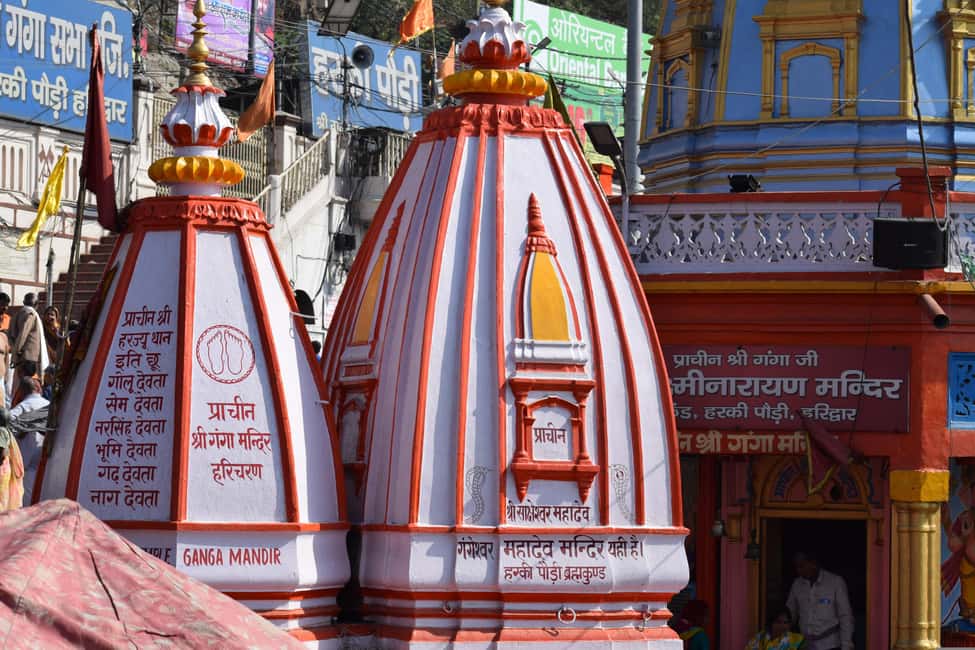
- Har Ki Pauri first, then the markets so you see the river before you shop for religious items and handicrafts
- Mansa Devi Temple visit with the option to reach the mountaintop by cable car
- Parmart Niketan evening Ganga Aarti in Rishikesh, with lamps floating on the river
- Ram Jhula and Laxman Jhula viewpoints for classic suspension-bridge photos over the Ganges
- Yoga/meditation session at an ashram to shift gears from sightseeing to rest and reflection
- Private driver and guide meaning the day can flex for your pace, questions, and requests
How this day trip feels: a spiritual sprint with real breathing space
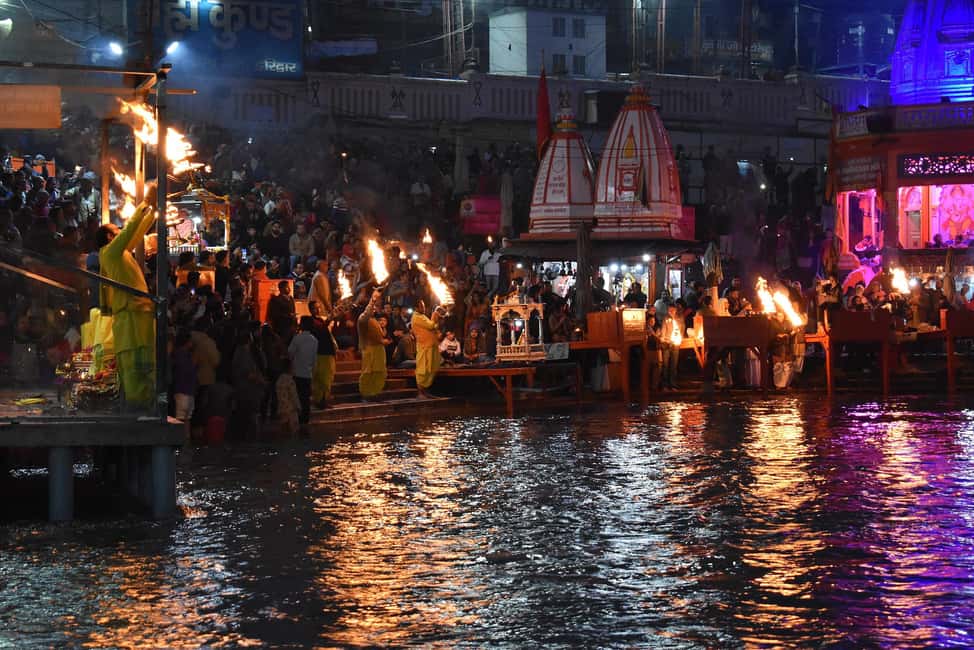
This is one of those trips where the distance matters. You’re leaving Delhi early—around 5:00 AM—because Haridwar needs time for both river and temple moments, and Rishikesh needs time for bridges, ashrams, and the evening ceremony. The pay-off is that you see northern India’s sacred river culture from multiple angles in a single day.
I like the structure because it’s not only about stopping at famous places. You’re also walking through the world around them: the ghats where people pray and bathe, and the nearby streets where you can browse for everyday pooja items, local crafts, and small souvenirs. That context is where the day starts to feel real instead of rushed checklists.
You can also read our reviews of more guided tours in New Delhi



Price and what you’re really paying for (it’s not just transport)
At $92 per person, this is not a cheap “hop on a bus” deal. You’re paying for the combination of:
- Private ac transportation from Delhi-region pickup points
- A professional private tour guide (English)
- Paid parking, fuel charges, and taxes
- A water bottle during the day
- Skip-the-ticket-line where applicable
Value shows up most if you don’t want to wrestle with local transport timing. Getting from Delhi to Haridwar and then continuing to Rishikesh in one day is doable, but it’s also the kind of trip where planning errors can burn hours. This format removes that stress: you get picked up, transported, and guided, then returned to Delhi-region drop-off locations.
If your travel style is independent and you enjoy navigating on your own, you might find cheaper options. But if you want a smoother day, especially for the evening ceremonies, this price can feel fair.
Getting started in Delhi: early pickup, organized timing, less stress
You’ll be picked up from one of these areas: Gurugram, Old Delhi, New Delhi, Noida, Greater Noida, or Aerocity. The day is designed to start early so you arrive in Haridwar with enough daylight to visit the riverfront and nearby temple sights.
By evening, you’ll be back in your drop-off area around 22:00, after the Rishikesh Gangaarti and a final stroll time.
In practice, this early schedule helps you do two important things:
1) Catch the most famous Haridwar ghats while the river activity is starting up
2) Keep Rishikesh’s evening ritual on track, when the atmosphere is at its most meaningful
Haridwar arrival: Har Ki Pauri, lamps, and the reason people come
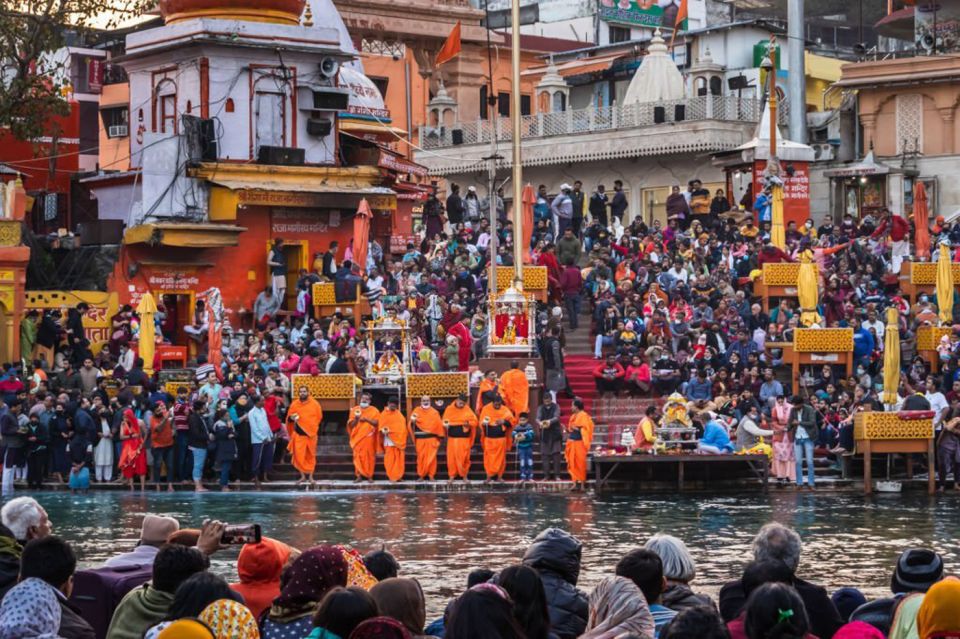
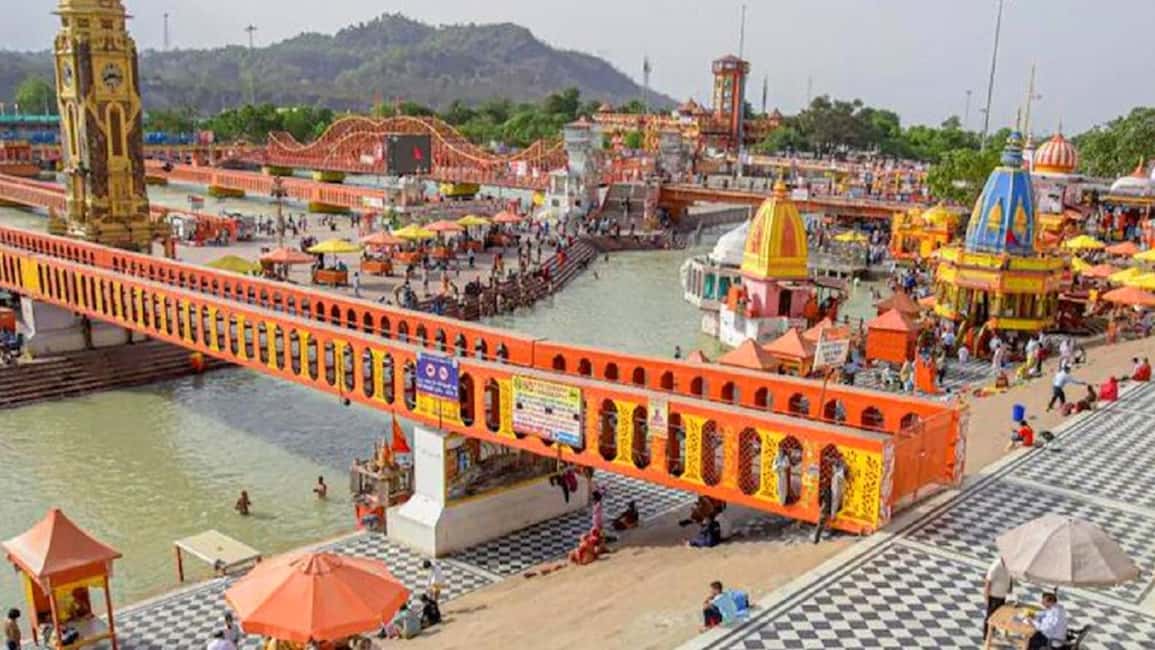
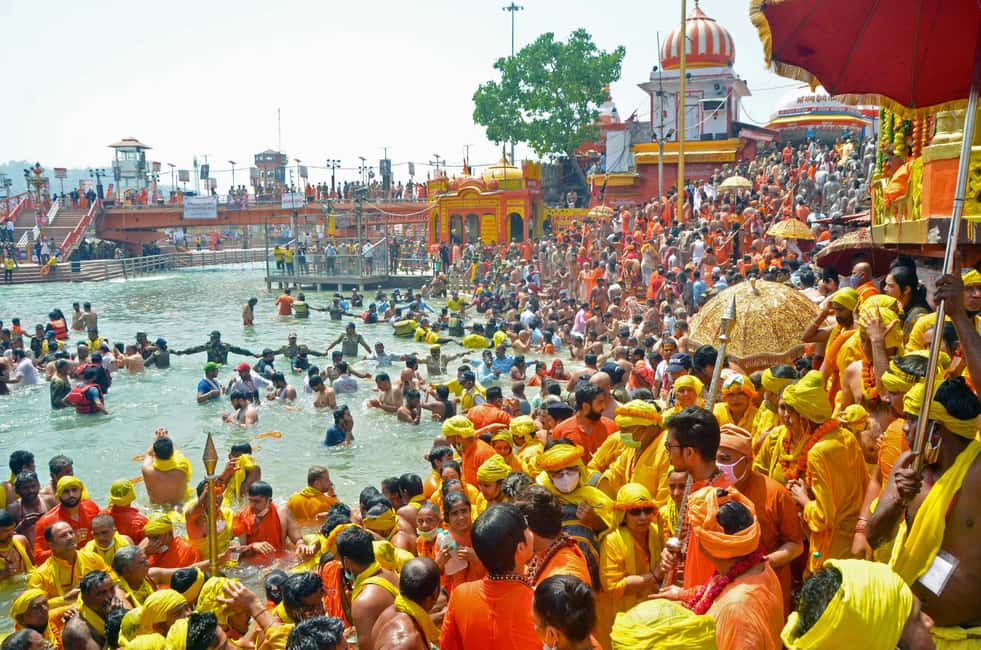
Once you reach Haridwar, you head straight toward Har Ki Pauri, one of the most revered ghats along the Ganges. Even before the ceremony, the riverfront is where you get the emotional center of the day: you see the relationship between daily worship and the water itself.
This is also where a guide earns their fee. With a private guide, you get the “why” behind what you’re seeing—what people are doing, what the prayers mean, and how the evening ritual connects to that river culture.
The markets after the ghats
After you’ve spent time at Har Ki Pauri, you’ll have a window to explore the adjacent markets. This is practical sightseeing: look for religious items, mementos, and regional handicrafts. If you want small, meaningful gifts (rather than mass-market souvenirs), this is one of the best times to shop because you’re still close to the cultural context that created the products.
If you’re short on shopping energy, you can still treat it as a walk-through and just focus on a few useful items.
You can also read our reviews of more private tours in New Delhi



Mansa Devi Temple: a mountaintop stop that adds variety
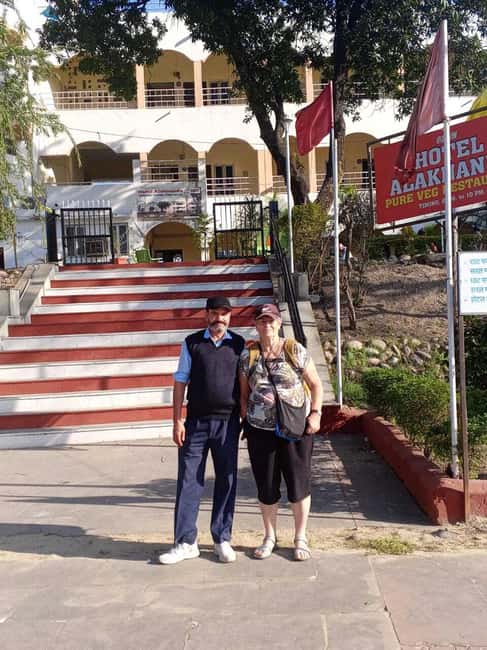
Next up is Maa Mansa Devi Mandir in Haridwar. The big draw here is that it breaks the day up from only river views. It’s a temple visit with a mountaintop setting, and you may be able to reach it by cable car.
This stop is valuable because it gives your day a different spiritual “texture.” Har Ki Pauri is about river worship; Mansa Devi adds the feeling of ascent, view corridors, and temple pilgrimage rhythm.
If you go with comfortable shoes and an open pace, this is a nice counterbalance to the long ride and the later ceremony.
The midday shift: leaving Haridwar for Rishikesh
Around noon, you leave Haridwar for Rishikesh. The drive is roughly 30 minutes, so it’s not a huge relocation in the middle of an already long day.
If you’re sensitive to time crunches, this part helps: you’re not losing half your day to travel between cities. Instead, you get a clean transition into Rishikesh’s riverfront sightseeing and ashram atmosphere.
Lunch time and what to expect around it
After arriving, there’s time for lunch at a neighborhood vegetarian eatery serving traditional North Indian food. The key detail here is that lunch is part of the experience flow, not an afterthought—so you’re not stuck searching for food while the guide has to keep moving.
You’ll want to keep your day flexible here. If your appetite is light in the morning, use the midday meal to reset energy for the afternoon bridges and the ashram session.
Ram Jhula and Laxman Jhula: classic suspension-bridge views
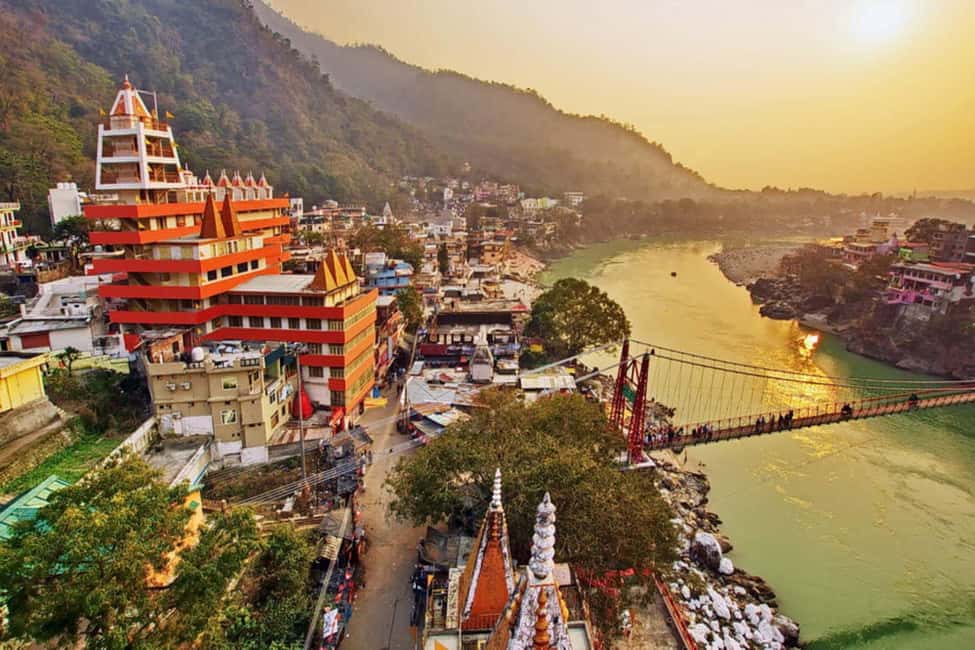
Around mid-afternoon, you visit Ram Jhula and Laxman Jhula, two recognizable suspension bridges in Rishikesh. These are excellent for two reasons.
First, the bridges frame the Ganges in a way you can’t fully get from temple ghats. Second, they give you a pause point for photos and for simply looking out at the river corridors and surrounding structures.
Even if you’re not a big photo person, treat these as viewing platforms. The Ganges looks different from here—more layered, more dimensional, and less like a single focal spot.
Yogic reset: ashram yoga or meditation class
Later in the afternoon, you head to a yoga-related stop described as the world’s Yogesh Centre area, then visit an ashram where you can participate in a yoga or meditation class.
This is one of the most important “balance” moments in the day. A heavy-sensation experience (ritual, crowds, chants) can wear you out. The class gives you a chance to slow the nervous system down and return to something internal.
If your goal for the day is more than sightseeing, this is the moment you’ll remember. It’s also where you learn restorative methods rather than just observing ceremonies.
Triveni Ghat stroll: walking time matters
You’ll also spend time around Triveni Ghat with a guided visit and walk. Walking matters more than people expect. On a day like this, where you’re moving fast, a focused walk helps you connect place names to what you’re seeing in real time: river edges, steps, and the way people move through the space.
This is the part where your senses get trained. You start noticing rhythms: when people pause, how the riverfront activity changes, and where the sightlines open.
Parmarth Niketan nightly Gangaarti: the moment the day centers on
The evening highlights in Rishikesh are about one thing: the nightly Gangaarti at Parmarth Niketan. It starts around 17:00 and is described as one of Rishikesh’s well-known ashrams.
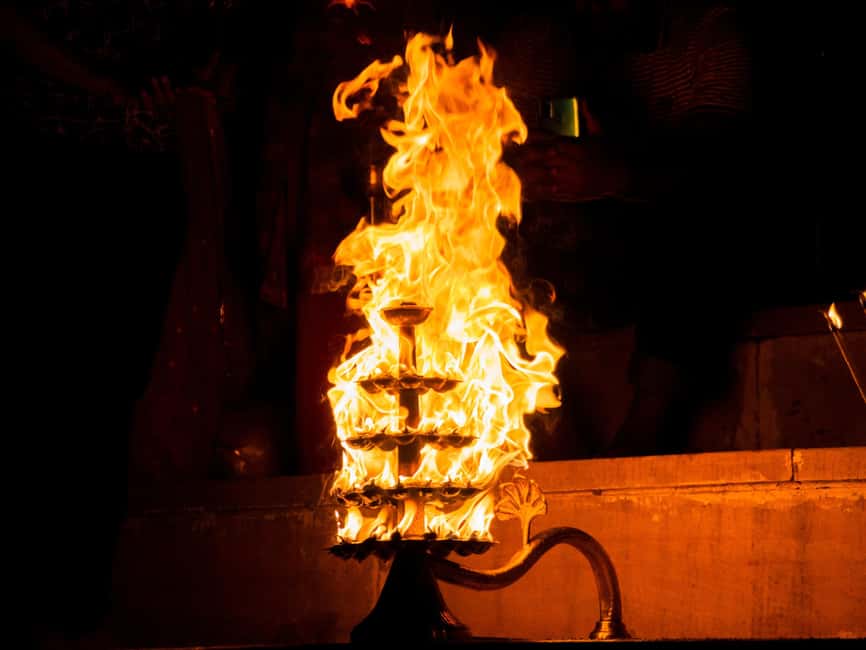
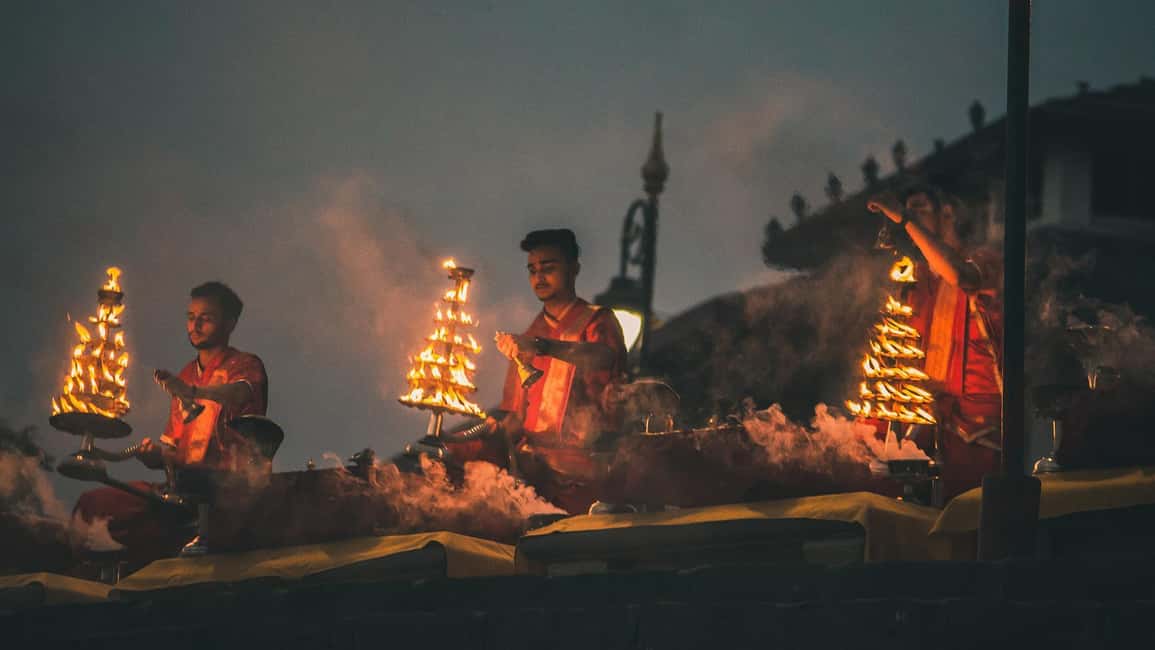
This is where the day’s earlier sights click into a single emotional storyline. You watch lamps as they float on the river, surrounded by chants and prayers. It can feel spellbinding because it’s not a performance for tourists—it’s worship, and you’re observing something people rely on.
If you want a tip that keeps the experience respectful and smooth: dress in a way that fits temple spaces and bring your attention, not just your phone. The setting rewards calm observation.
After the ceremony: easy strolling and Rishikesh street life
Once the ceremony ends, the rest of the evening turns lighter. You’ll have time for a leisurely stroll along the river and through Rishikesh’s streets, with opportunities to stop at local stores for yoga equipment, clothing, and religious memorabilia.
This is also the time for “soft shopping.” Think of it as browsing after you’ve already seen the spiritual context. You’ll be more likely to buy items you actually use—like yoga wear or small pooja tools—because you understand what they’re for.
Driver and guide quality: what makes the difference on a long day
On a day trip like this, the vehicle is only half the story. The other half is the human pacing: knowing when to push forward and when to give you time.
From the tour experience details, there’s a clear pattern of praise for drivers who are punctual and careful in traffic, and for guides who are energetic and patient. Names that come up include Shyam Sundar and Rahul Diwakar as drivers, and Vaibhav as a guide.
What I take from that: you’ll enjoy the trip more if your guide can answer questions and adapt in small ways. One of the reviews even highlights that the guide handled spontaneous requests—things like yoga time and shopping—without turning the schedule into chaos.
That matters because Haridwar and Rishikesh can be intense. A steady guide helps you keep the day meaningful rather than merely busy.
What to bring (so you don’t suffer during the ritual moments)
Keep it simple and practical. The tour suggests bringing:
- Comfortable shoes
- Sunscreen
- Cash
- A towel
I’d also add this mindset: plan for exposure. Even with ceremonies happening in the evening, you’ll have daylight walking earlier and likely time on river steps. Comfortable footwear is the difference between “I enjoyed this” and “Why did I do this.”
Dress code and behavior rules: keep it respectful and smooth
Temple spaces are a regular place of worship, so there’s a dress code you must follow within temple complexes. The key rule in the tour guidance is to adhere to the clothing code required to maintain the holiness and spiritual atmosphere.
Also note what’s not allowed:
- Alcohol and drugs are not allowed.
And there’s one important suitability note:
- The trip is not suitable for pregnant women.
If you’re traveling with anyone who falls into that category, you’ll want to choose another format.
Who this trip is best for (and who should skip it)
This tour works especially well if you:
- Want a private guide so you understand what you’re seeing
- Like seeing both Haridwar and Rishikesh without dealing with transfers on your own
- Care about the Gangaarti experience as more than a photo stop
- Are comfortable with early starts and a long day
You might want to consider alternatives if you:
- Hate long driving days
- Get overwhelmed by crowds and ceremony settings
- Need lots of downtime between activities
Should you book this Delhi to Haridwar and Rishikesh trip?
I think it’s a strong choice if your goal is spiritual “high points” with guidance that keeps the day coherent. The two-part structure—Har Ki Pauri and evening Gangaarti in Rishikesh—gives you the core Ganges ritual arc in one pass. Add temple variety (Mansa Devi), bridge views (Ram Jhula/Laxman Jhula), and a yoga/meditation session, and the day feels balanced instead of one-note.
Book it if you value convenience, want an English-speaking guide, and can handle an early start. Skip it if you want slow travel or if you’re not comfortable with a packed schedule that runs until about 22:00.
FAQ
What time does the trip start and where do pickups happen?
The day starts around 5:00 AM. Pickup is available from Gurugram, Old Delhi, New Delhi, Noida, Greater Noida, or Aerocity, and you’ll return to drop-off areas including Old Delhi, Greater Noida, Gurugram, Noida, Aerocity, or New Delhi.
Is this a private tour with an English guide?
Yes. It’s a private group with a professional private tour guide who speaks English. You also travel in a private AC vehicle.
Which places are included in Haridwar and Rishikesh?
In Haridwar, you’ll visit Har Ki Pauri, explore nearby markets, and visit Maa Mansa Devi Mandir. In Rishikesh, you’ll see Ram Jhula (and also Laxman Jhula), spend time around Triveni Ghat, visit an ashram/yoga setting, and attend the nightly Gangaarti at Parmarth Niketan.
Is wheelchair accessibility available?
Yes. The tour is listed as wheelchair accessible.
What should I bring, and are there dress or behavior rules?
Bring comfortable shoes, sunscreen, cash, and a towel. You must follow the temple dress code inside temple complexes. Alcohol and drugs are not allowed.
Can I cancel and is pay-later available?
You can cancel up to 24 hours in advance for a full refund. There’s also a reserve now & pay later option described as paying nothing today.