REVIEW · NEW DELHI
Golden Triangle Tour 4 Nights 5 Days
Book on Viator →Operated by Expert Tour Planner · Bookable on Viator
Delhi, Agra, and Jaipur in five days can feel busy, but it works when the plan is tight and the transport is smooth. This Golden Triangle tour is built around iconic Mughal landmarks and live guided explanations, so you’re not just ticking boxes—you’re understanding what you’re seeing. My favorite part is how the days are structured to keep you moving without losing the big moments.
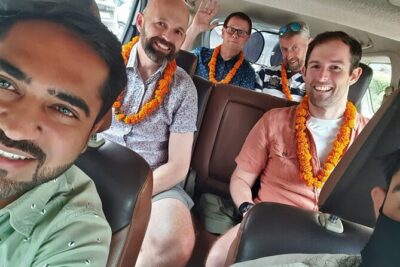
What I especially like here is the combo of professional live tour guides and an experienced licensed driver who can keep everything on track. In the feedback, the name that comes up often is Rishi, praised for careful driving, a clean car, and kind, helpful answers for families and first-timers.
The one thing to consider is time. Several key stops are scheduled for shorter visits (think 30 minutes for spots like Qutub Minar, India Gate, Jantar Mantar, and Mehtab Bagh), so if you want hours of unhurried wandering, you may feel a little rushed.
In This Review
- Key highlights at a glance
- The Golden Triangle Tour’s real value: doing three cities well
- Price and what’s included (and what it doesn’t cover)
- Day 1 in Delhi: Red Fort, Jama Masjid, Qutub Minar, India Gate
- Red Fort first: Mughal power up close
- Jama Masjid: one of Old Delhi’s anchor mosques
- Qutub Minar: a 73-meter lesson in early Delhi
- India Gate: a war memorial pause
- Day 2 in Agra: Taj Mahal focus, Agra Fort, and Mehtab Bagh views
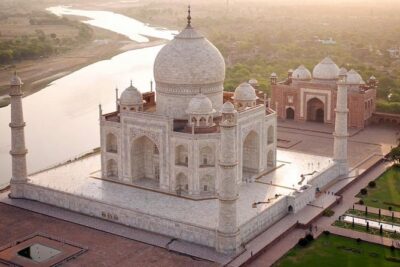
- Taj Mahal: the white marble moment with practical bonus transport
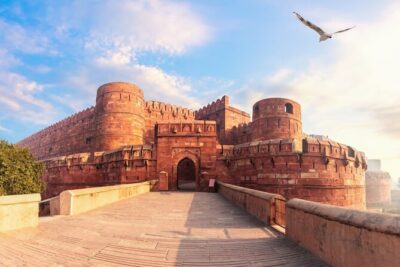
- Agra Fort: red sandstone and living history
- Mehtab Bagh: the quieter opposite-bank view
- Agra city time: a little free breathing room
- Day 3 near Agra and into Jaipur: Fatehpur Sikri to City Palace and Jantar Mantar
- Fatehpur Sikri: a city that disappeared fast
- Jaipur City Palace: Mughal meets Rajput royal design
- Jantar Mantar: 18th-century astronomy in giant instruments
- Day 4 in Jaipur: Amber Fort on the hill, elephant ride option, and bazaars
- Amber Fort: Rajput grandeur with serious scale
- Elephant with Jaipur: included as an option
- Jaipur markets: handicrafts, textiles, jewelry, and color
- Day 5: return transfer to Delhi airport or your chosen Delhi point
- Hotels, meals, and how to plan your non-tour hours
- The people factor: guides and driver make the difference
- Who this Golden Triangle Tour suits best
- Should you book this Golden Triangle Tour?
- FAQ
- How long is the Golden Triangle Tour?
- Where does the tour start and end?
- Which cities are included in the tour?
- Are hotel stays and meals included?
- Is transportation included?
- Are there any special site-access details included?
Key highlights at a glance
- Live tour guides throughout the major stops, so you’re never left guessing
- Private A/C car with pickup and drop, plus bottled water in the vehicle
- Taj Mahal battery van ride included, which saves walking time at the site
- Multiple UNESCO sites packed into Delhi, Agra, and Jaipur
- Hotel choice from 3/4/5 star options, with breakfast included
- Elephant ride at Amber Fort included as an option during your Jaipur day
The Golden Triangle Tour’s real value: doing three cities well
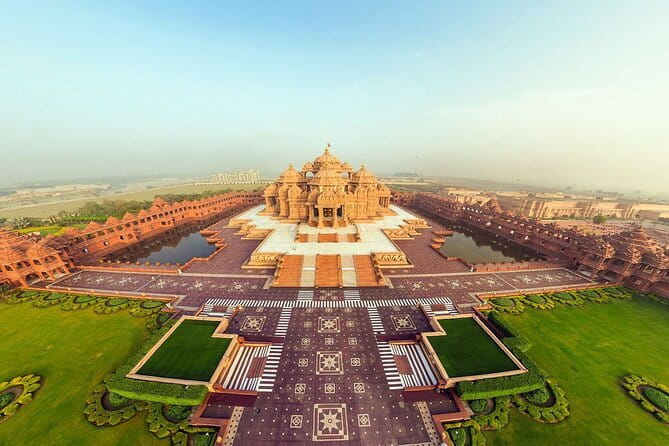
This route hits the big three: Delhi, Agra, and Jaipur. You’re comparing different eras of power—Mughal architecture in Delhi and Agra, then Rajput royal design in Jaipur—and you get that sense fast because the distances are managed by private road transport.
At $560.53 per person for about 5 days, the value is mostly in what’s bundled: hotels, breakfast, lunch (4 times), guided visits, and door-to-door transfers. If you were to assemble this yourself, you’d spend time coordinating guides, tickets, and transit. Here, the plan is already stitched together, and that matters when you’re landing in India and want the days to actually run.
One practical upside: the tour is private, meaning you’re not squeezed into a random crowd pace. That’s especially helpful if you have kids, older relatives, or you just like a calmer rhythm than bus groups.
You can also read our reviews of more tours and experiences in New Delhi



Price and what’s included (and what it doesn’t cover)
Here’s what you can count on as part of the package:
- Breakfast every hotel morning
- Lunch (4) during the tour days
- Hotel pickup and drop-off
- Professional live tour guides
- Experienced licensed driver
- Private air-conditioned car, with parking, gasoline, and tolls
- Packaged water bottles in the car
- Accommodation in 3/4/5 star hotels based on your selected option
- Battery van ride at the Taj Mahal
- Guided visits to specific major sites where admission is listed as included
And what isn’t automatically covered: anything not listed in inclusions. That typically means dinner is on you, plus any extra snacks, souvenirs, and personal expenses.
If you care about comfort, check the hotel tier you choose. The biggest “hidden” cost for many people on this kind of trip is not tickets—it’s whether your hotel is decent after long driving days.
Day 1 in Delhi: Red Fort, Jama Masjid, Qutub Minar, India Gate
Delhi day is built like a history sampler, moving through Old Delhi and then back toward the monumental center.
Red Fort first: Mughal power up close
The Red Fort is a UNESCO site and a symbol of the Mughal era, built in the mid-17th century under Shah Jahan. Your visit is scheduled for about 2 hours, with admission included. This is the kind of place where details matter—arches, stonework, and the scale of the fort walls make the whole story feel real.
Jama Masjid: one of Old Delhi’s anchor mosques
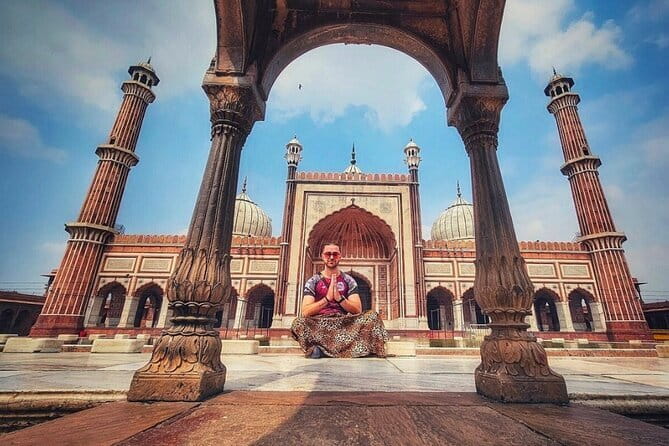
Next is Jama Masjid in Old Delhi, built between 1644 and 1656. It’s a UNESCO-level landmark, but the stop is more relaxed—about 1 hour—and admission is free. This is a good moment to slow down and watch how the area around the mosque functions day-to-day, not just as a monument.





Qutub Minar: a 73-meter lesson in early Delhi
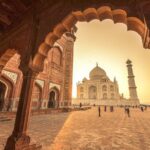
Then you shift to Qutub Minar, described as the world’s tallest brick minaret at 73 meters. Built in 1193 by Qutb-ud-Din Aibak and also a UNESCO World Heritage Site, it’s a 30-minute stop with admission included. Short but meaningful—mainly because the monument is so tall and so distinctive that you feel like you’ve arrived at something historic instantly.
India Gate: a war memorial pause
India Gate is the final stop of the day, and it’s quick—about 30 minutes, with admission free. It’s a World War I and Anglo-Afghan War memorial designed by Sir Edwin Lutyens and completed in 1931. This part of the day gives you a breather after the forts and mosques, plus it’s a nice place for evening photos if your energy holds.
What I’d watch for: Delhi can be hot and busy, even when your schedule is tight. Wear shoes you can walk in comfortably, and keep your water handy—this tour does provide water in the car, but you’ll still want your own rhythm while you’re out.
Day 2 in Agra: Taj Mahal focus, Agra Fort, and Mehtab Bagh views
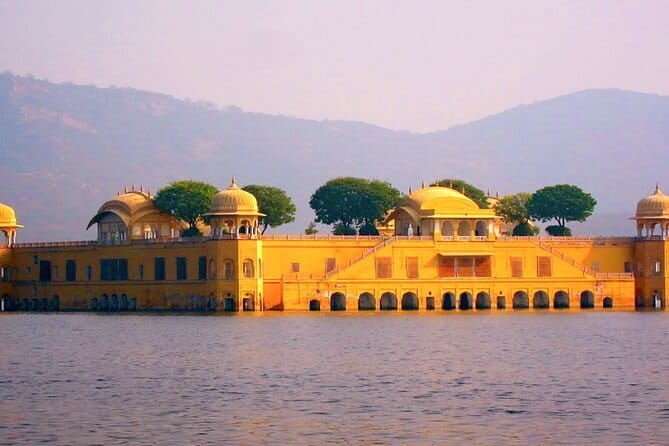
Agra day is about one main star—the Taj Mahal—and then two supporting acts that make the story bigger.
Taj Mahal: the white marble moment with practical bonus transport
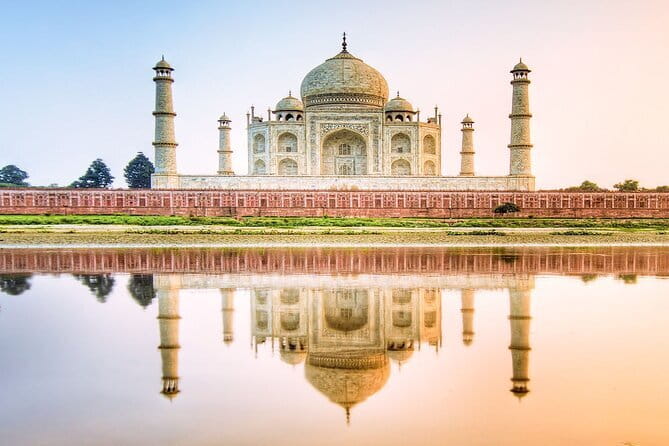
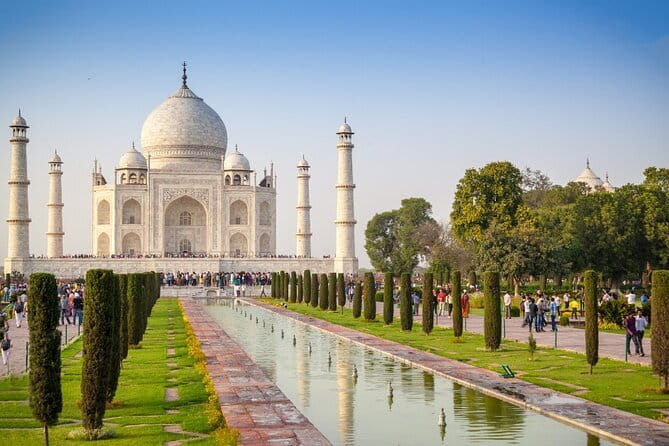
Your Taj Mahal stop is about 1 hour, with admission included. The tour also includes a battery van ride, which is a real quality-of-life detail at this site when walking distance and crowds can add up.
The Taj Mahal is a white marble mausoleum built by Shah Jahan in memory of Mumtaz Mahal, completed in 1653. Standing near it, you see why it’s famous, but the value of having a guide is that you understand how the design works and why the building is so tightly connected to Mughal symbolism.
Agra Fort: red sandstone and living history
After the Taj, you head to Agra Fort, also UNESCO-listed and built in the 16th century by Akbar. Your time here is about 1 hour, admission included. The fort is described as red sandstone and connected to Mughal residence, so you get a different feel than the mausoleum—more power, more defense, more “this is where rulers lived and worked.”
Mehtab Bagh: the quieter opposite-bank view
Mehtab Bagh is across the Yamuna River and is known for offering some of the best Taj views, especially around sunset. Your scheduled time is about 30 minutes, admission included. Even if you don’t get the exact lighting you imagined, this stop matters because it changes your perspective and adds calm after busy landmark areas.
Agra city time: a little free breathing room
The plan also includes about 2 hours in Agra (admission free). That’s time to take photos, stretch, or just absorb the city without a constant “next stop” push.
One consideration: Agra day can be photo-heavy. If you’re the type who wants every corner shot, you may want to prioritize. If you’re okay with the main angles and a couple of close details, the schedule will feel just right.
Day 3 near Agra and into Jaipur: Fatehpur Sikri to City Palace and Jantar Mantar
Day 3 is where the tour starts connecting the dots across empires. You’re leaving Agra and moving into Jaipur, but you’re also shifting from monumental tomb-and-fort styles toward royal and scientific sites.
Fatehpur Sikri: a city that disappeared fast
Fatehpur Sikri is a UNESCO World Heritage Site and a former Mughal capital built by Emperor Akbar. Your stop is about 1 hour with admission included. The detail that makes it fascinating is that the city was abandoned after just 14 years due to water shortages. That short lifespan turns the ruins into something more emotional—you’re looking at a place that was built big, then couldn’t keep going.
Jaipur City Palace: Mughal meets Rajput royal design
Next comes Jaipur’s City Palace, scheduled for about 1 hour with admission included. Built by Maharaja Sawai Jai Singh II in the 18th century, it’s a blend of Mughal and Rajput architecture with courtyards, gardens, temples, and more. This stop works especially well with a guide because it’s easy to see the scale and move fast, but harder to understand what you’re looking at without context.
Jantar Mantar: 18th-century astronomy in giant instruments
Finally, Jantar Mantar (about 30 minutes, admission included). It’s an astronomical observatory built by Jai Singh II, designed to measure time and track celestial bodies. When it’s explained well, those instruments feel less like museum props and more like serious tools—big enough that you can stand next to them and grasp the idea of measurement in a pre-digital world.
Practical tip: This day mixes ruins, palace interiors, and an outdoor observatory. Pack a light layer and don’t count on shade everywhere. Even when stops are short, you’ll still be walking in between.
Day 4 in Jaipur: Amber Fort on the hill, elephant ride option, and bazaars
Jaipur day is the most “experience” heavy. It’s not just architecture. It’s the approach, the views, and the street-level culture.
Amber Fort: Rajput grandeur with serious scale
Amber Fort is about a 2-hour stop with admission included. Built in the 16th century by Raja Man Singh, it’s known for massive walls, carvings, courtyards, and overall craftsmanship. This is where you’ll understand why fort architecture became a status symbol in Rajput rule. The fort’s scale is a big reason the visit needs time; you can’t fully appreciate it if you rush.
Elephant with Jaipur: included as an option
There’s an elephant ride option to reach the fort area, about 30 minutes, and it’s listed as admission included. This can be a memorable way to “arrive” at Amber Fort, especially if you’re traveling with kids. If you’re sensitive to animal experiences, plan to decide based on your comfort level before you commit.
Jaipur markets: handicrafts, textiles, jewelry, and color
The tour also includes about 2 hours exploring local markets in Jaipur. The plan highlights places like Johari Bazaar, Bapu Bazaar, and Tripolia Bazaar, with a focus on handicrafts, textiles, jewelry, and Rajasthani goods. This portion is free-admission and is the chance to buy gifts in a way that feels connected to the place, not just a souvenir trap.
My advice for market time: set a simple goal. Pick one category you want (textiles or small jewelry, for example), then decide on a budget. It keeps the browsing fun instead of draining.
Day 5: return transfer to Delhi airport or your chosen Delhi point

The final morning is simple: you’re taken back to Delhi. The drop is at the New Delhi airport or your scheduled location in Delhi.
This matters because flights can be unpredictable in timing, but the tour is designed to finish in a way that’s meant to fit a departure day. If you have any flexibility, aim for later flights. If not, you’ll want to be ready with your documents and a small carry-on plan so you’re not scrambling.
Hotels, meals, and how to plan your non-tour hours
Your accommodation is in 3/4/5 star hotels, depending on what you pick, and breakfast is included. Lunch is included four times, which is helpful because it reduces decision fatigue during busy days.
Dinner isn’t listed as included, so plan on figuring that out each evening. The upside of doing that yourself is choice—you can eat local when you want, or keep it predictable when you’re tired. If your group includes kids or older travelers, choosing familiar spots can make the day feel easier.
Small comfort details that help: you get packaged water bottles in the car, plus you travel by well private air-conditioned car. For India, that comfort buffer is not a luxury—it’s the difference between enjoying day 2 and counting down to day 3.
The people factor: guides and driver make the difference
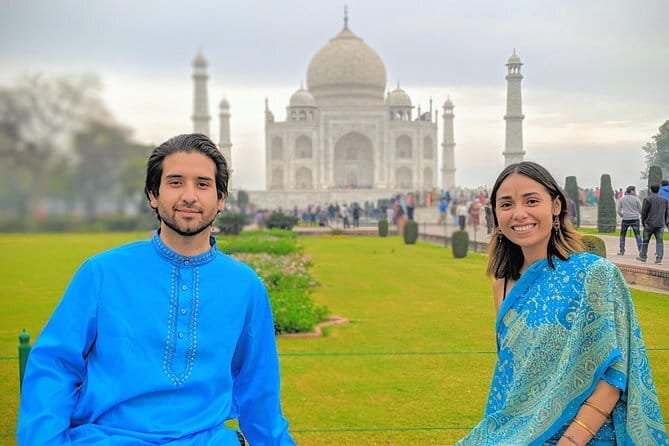
This tour is guided, and that’s not just nice. It changes how fast you connect the dots.
You’ll have professional live tour guides for the major stops, and you’ll also travel with an experienced licensed driver. In the feedback, Rishi stands out for being safe and accommodating, with a clean car and on-time reliability. That kind of professionalism matters most in a tight schedule, because it keeps you from losing minutes to confusion.
A good guide also helps you know where to look first at each site. With landmarks this famous, you can see the Taj Mahal and still miss what makes it special. With explanation, you leave feeling like you understood something, not just took photos.
Who this Golden Triangle Tour suits best
This is a strong fit if you:
- are on a first trip to India and want Delhi–Agra–Jaipur in one organized flow
- like historical landmarks with explanations rather than solo wandering
- want private pacing instead of a big-group scramble
- care about comfort: air-conditioned vehicle, water provided, and hotel stay included
It may feel less ideal if you want:
- long museum time with no schedule pressure
- a totally unstructured experience where you control every minute
- a very slow pace at each attraction
Think of this as a well-run “greatest hits” tour. It’s not meant to replace weeks of independent travel; it sets you up with context so you can explore more later.
Should you book this Golden Triangle Tour?
If you’re choosing between building everything yourself and taking a ready-made plan, I’d lean toward booking. The value is in the bundling: guided visits to major monuments, hotels with breakfast, lunch included four times, and private A/C transport with a licensed driver.
I’d book it if you want your first India trip to feel organized, with enough structure that the big sights land without stress. I’d be cautious if you hate rushed stops, because some highlights are scheduled for short windows and you’ll need to prioritize photos and must-see views.
If you want, tell me your travel dates and hotel star preference (3, 4, or 5). I can help you plan a realistic day-by-day pace and what to prioritize at each stop.
FAQ
How long is the Golden Triangle Tour?
It runs for about 5 days, described as 4 nights and 5 days.
Where does the tour start and end?
The meeting point is Indira Gandhi International Airport (New Delhi), and the activity ends back at the meeting point. On the last day, you’ll be taken back to Delhi with drop at the airport or your scheduled Delhi location.
Which cities are included in the tour?
The tour covers New Delhi (Delhi), Agra, and Jaipur.
Are hotel stays and meals included?
Yes. You get accommodation in 3/4/5 star hotels (based on your selection) with breakfast, plus lunch on 4 days.
Is transportation included?
Yes. You travel by a private air-conditioned car with hotel pickup/drop-off, parking, gasoline, and tolls included.
Are there any special site-access details included?
At the Taj Mahal, the tour includes a battery van ride. Other site admissions are listed throughout the day with tickets included for specific stops.