REVIEW · NEW DELHI
Golden Triangle Tour
Book on Viator →Operated by India and Sub -Continent Tours · Bookable on Viator
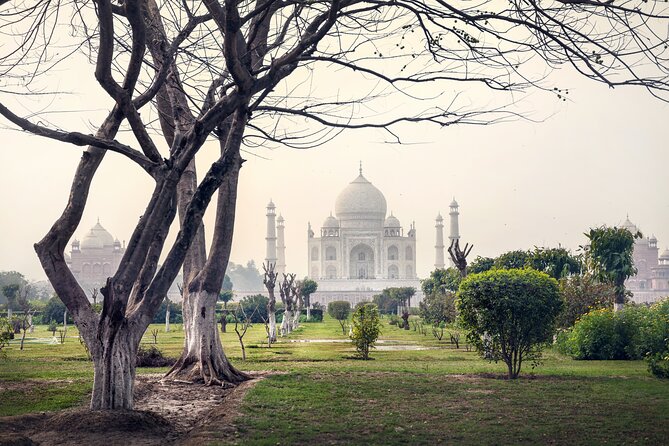
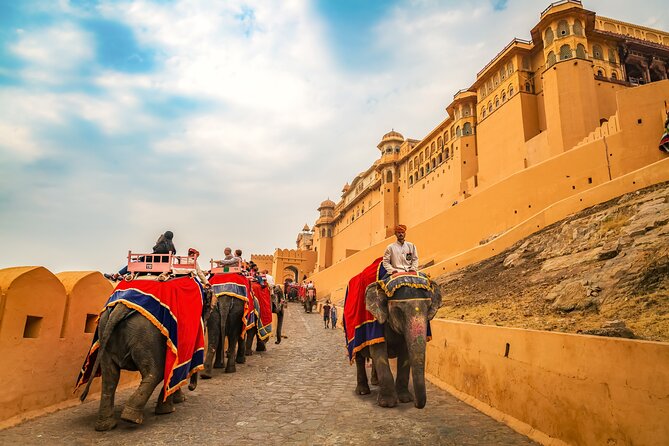
One reason this Golden Triangle tour works is the mix of big monuments and close-up street-level moments. You’ll walk old Delhi lanes, ride a cycle rickshaw through the Chandni Chowk area and its spice markets, then shift gears to Jaipur’s forts and photo stops. A highlight I like a lot is the Amer Fort elephant ride paired with a jeep descent, plus the sunrise Taj Mahal visit in Agra.
The next thing I really like is how much is handled for you: air-conditioned vehicle time, government-approved English/language guide, and entrance fees for the key sights. It also includes daily logistics basics like two bottles of mineral water per travel day and multiple meals, so you’re not constantly scanning for what’s next.
One possible drawback to plan around: the schedule is active and includes early timing for sunrise, plus the elephant ride at Amer Fort. If you’re uncomfortable with animal rides or you prefer very slow travel, you may feel the pace.
In This Review
- Key moments that make this Golden Triangle tour worth your attention
- What you’re really buying: value for Delhi, Jaipur, Agra in 7 days
- Day 1 in New Delhi: arrival, hotel check-in, and getting oriented
- Day 2 Delhi sightseeing: Red Fort, Jama Masjid, and a cycle rickshaw through Chandni Chowk
- Day 3 Samode: quieter Aravalli-side village time
- Day 4 Jaipur: Amer Fort with elephant ride and the Hawa Mahal photo stop
- Day 5 Agra via Abhaneri and Fatehpur Sikri: step well and Mughal city ruins
- Day 6 Agra sunrise: Taj Mahal access, saree photo, and a timed-feeling day
- Day 7 back to Delhi: airport transfer and the tour ending
- How the guides and communication affect your experience
- The “private tour” effect: you get your pace, not just the route
- Practical tips to make the most of it (and not lose your mind)
- Who this tour is best for
- Should you book this Golden Triangle Tour?
- FAQ
- How long is the Golden Triangle Tour?
- Where does the tour start and end?
- Is pickup included?
- What’s included in the price?
- Are the Taj Mahal and other major sights guided?
- Is an elephant ride included?
- Is there anything included for photos at the Taj Mahal?
- What days do you visit Delhi, Jaipur, and Agra?
- What is not included?
- Can I cancel for a full refund?
Key moments that make this Golden Triangle tour worth your attention
- Old Delhi on foot plus cycle rickshaw time in the Chandni Chowk area
- Amer Fort elephant ascent + jeep descent in Jaipur
- Sunrise Taj Mahal timing with a traditional saree photo in front
- Fatehpur Sikri guided visit for a full Mughal-era day
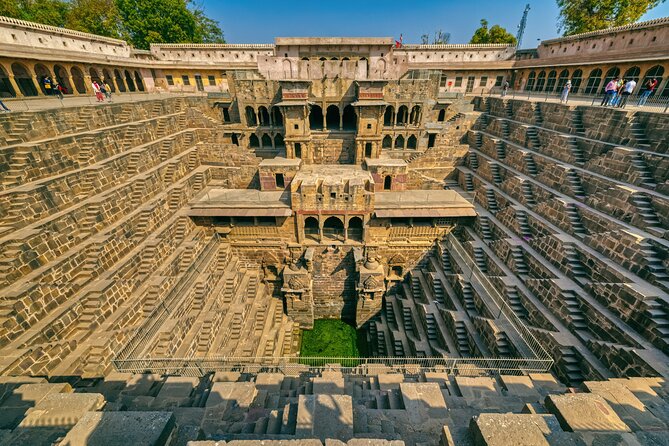
- Abhaneri and Chand Baori step well as a stop en route to Agra
- Flexible tour adjustments if changes are possible within the itinerary
What you’re really buying: value for Delhi, Jaipur, Agra in 7 days
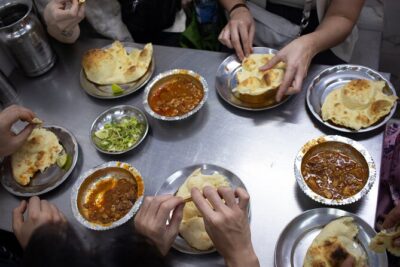
At $855 for about 7 days, the headline value is that this isn’t just a “transport and see stuff” trip. You’re paying for a package that stacks up: 6 nights hotel (shared double/twin), an air-conditioned vehicle, a guide for the sightseeing, and entrance fees included for the visits on the route. Meals are also part of the deal, including breakfast most days plus lunch and dinner.
If you tried to DIY this route, you’d spend time coordinating guides, tickets, and day-to-day transport. Here, you’re mostly buying reduced friction. I also appreciate the simple extras that add up in India—like bottled water during travel—because they reduce “budget stress” while you’re moving between cities.
Just know what’s not included. International flights, visa fees, insurance, and personal expenses are on you, as are tips for guide/driver (they’re mentioned as at your discretion). If you like to tip a lot, keep that in mind.
You can also read our reviews of more tours and experiences in New Delhi.



Day 1 in New Delhi: arrival, hotel check-in, and getting oriented
Your tour starts at Indira Gandhi International Airport with a meet-and-greet and transfer to your hotel. Hotel check-in is listed for 2:00 pm (1400 Hrs). That means if you arrive early, you may wait a bit unless your hotel arrangement can support it.
Day 1 is light on sightseeing on paper, which I actually like. Delhi can feel intense when you first land—traffic, sounds, and heat. A calmer arrival day helps you reset before the walking and rickshaw time kicks in.
Day 2 Delhi sightseeing: Red Fort, Jama Masjid, and a cycle rickshaw through Chandni Chowk
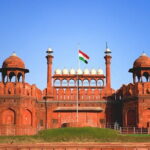
This is where Delhi starts to feel real. After breakfast, you head out with a private full-day sightseeing plan with a guide in English or another language of your choice. The route includes passing major landmarks like Red Fort and Jama Masjid, then turning into street-level motion.
The standout for me here is the cycle rickshaw ride through the Chandni Chowk market area. That’s not “look from a distance” sightseeing. You get a slower, closer view of everyday Delhi—narrow lanes, storefront energy, and the kind of sensory overload that makes this city memorable.
What’s worth considering: street riding in busy markets can mean tight timing and lots of movement. Wear comfortable shoes you don’t mind getting scuffed. Also, bring something for sun and dust (a hat and a light layer help). The pace is part of the point.
Day 3 Samode: quieter Aravalli-side village time
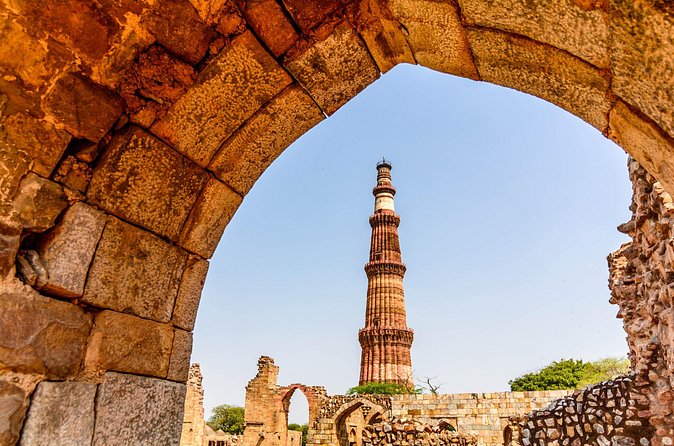
Day 3 shifts away from the big-city pace. You travel to Samode, a village setting among the Aravalli Hills. The appeal here is slower walking and time spent with local culture—art, crafts, and village aesthetics.
You get a day that feels like a breather inside a fast tour. I like adding one quieter stop to a Golden Triangle itinerary because it makes the forts and mausoleums later feel less like “checklist tourism.”
One practical note: this day is listed as free admission, which is good for budget. Still, you’ll want to plan for travel time between Delhi and the region.
Day 4 Jaipur: Amer Fort with elephant ride and the Hawa Mahal photo stop
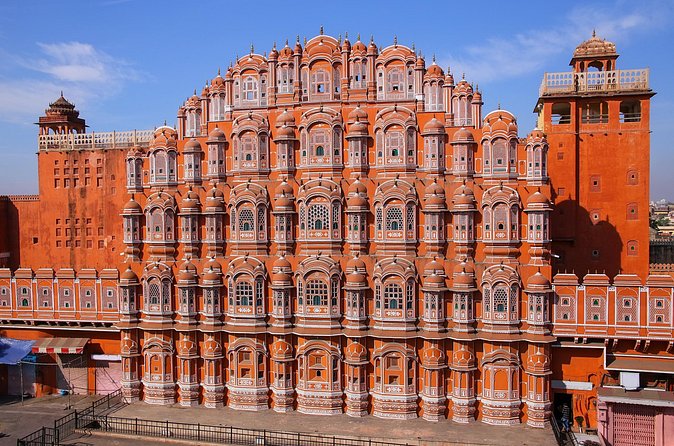
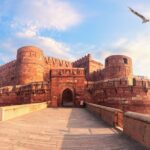
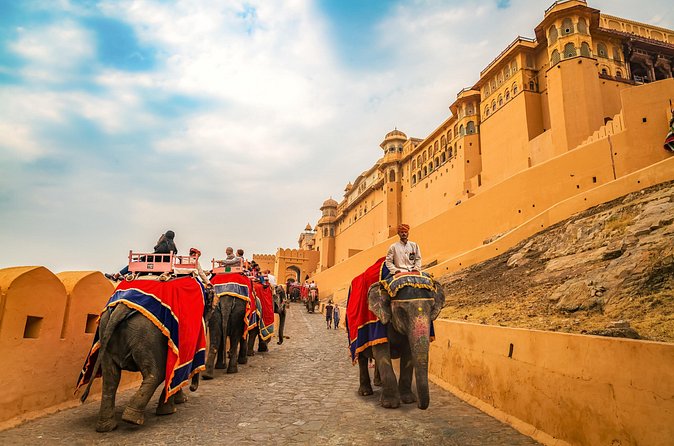
Jaipur day is built around Amer Fort and the classic views that people come for. After breakfast, you go sightseeing visiting Amer Fort, including an elephant ride while ascending the hill. You’re also listed for a jeep ride while descending—so you’re not doing the uphill/downhill on foot.
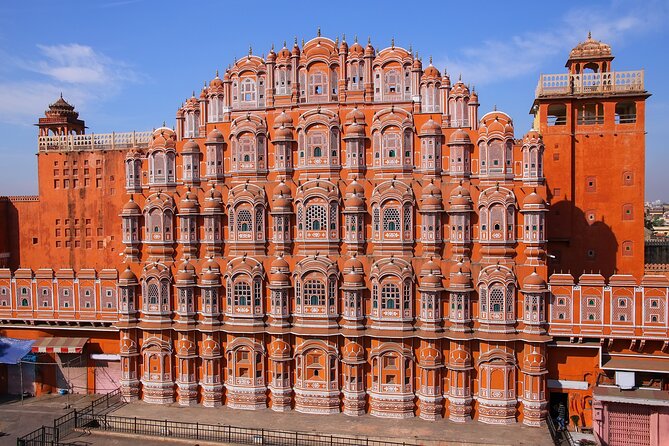
En route, you stop at Palace on Winds (Hawa Mahal) mainly for photos and a quick glimpse. This is the kind of stop that works best if you keep expectations simple: you’ll see it, shoot a few pictures, and keep moving.
Two things to consider before you commit to the elephant ride experience:
- It’s a significant part of the day, so if you’d rather skip animal rides, this may not be the best fit.
- The experience involves waiting and moving in a controlled setting, so you’ll want patience and flexibility.
If you’re okay with it, Amer Fort plus the animal transport is one of the more iconic “Golden Triangle” moments.

Day 5 Agra via Abhaneri and Fatehpur Sikri: step well and Mughal city ruins
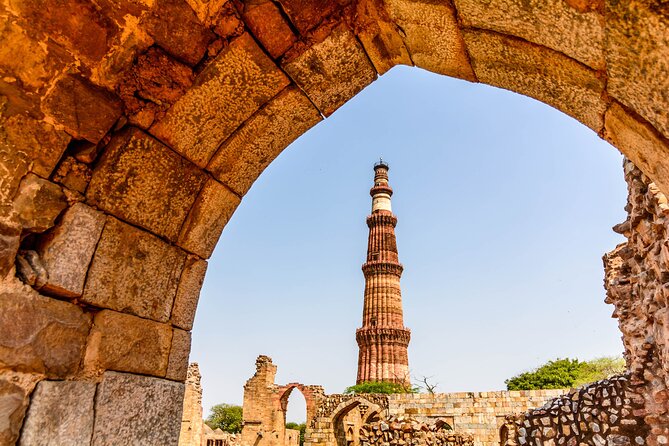
This day has a strong middle section, and it starts with Abhaneri, known for Chand Baori, a step well. The day description calls it a 1000-year-old step well, and the way it sits in a travel route like this is smart: it’s a visual break from big-city monuments while still feeling historically meaningful.
From there, you continue to Fatehpur Sikri, described as a 400-year-old deserted Mughal city. You get a guided tour, which matters here. Fatehpur Sikri can be confusing if you’re just walking around; a guide helps you connect the places into a story.
The day ends in Agra. You’ll be tired, but in a good way. Agra is where the trip’s emotional payoff starts to build.
Day 6 Agra sunrise: Taj Mahal access, saree photo, and a timed-feeling day
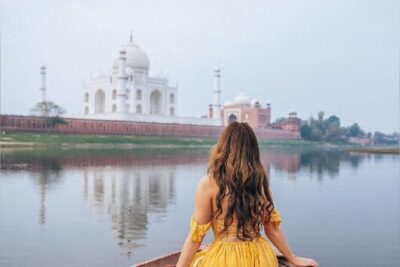
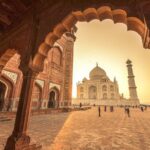
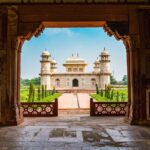
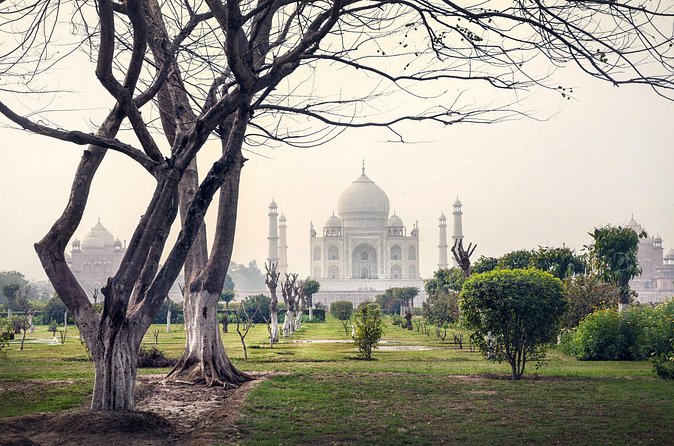
This is the day you’ve been building toward: Taj Mahal by sunrise. It’s scheduled early, and it’s listed as UNESCO, with the mausoleum built by Mughal emperor Shah Jahan for Empress Mumtaj.
I like sunrise visits for one simple reason: you’re not only viewing the building—you’re getting a different atmosphere. The morning timing is typically calmer, and the lighting makes the white marble look different from midday.
You also get a fun extra: a traditional Indian saree for photograph in front of the Taj Mahal in Agra (for photograph only). It’s not required for the history part, but it’s a memorable souvenir-style moment that fits the setting.
If you’re sensitive to early wake-ups, plan your sleep the night before. Also remember that the Taj area is a major draw, so you’ll likely be moving through crowds—hold onto your patience.
Day 7 back to Delhi: airport transfer and the tour ending
On the final day, you have breakfast at the hotel and then transfer to the airport for overseas flight connections. The listed hotel check-out time is 12:00 pm (1200 Hrs).
If your flight is later in the day, you may feel rushed anyway because checkout happens on schedule and the transfer is planned. If you need flexibility, plan buffer time in your onward travel so you’re not trying to out-run traffic.
How the guides and communication affect your experience
The tour includes an accompanying English/language speaking guide for all sightseeing and entrances. The language detail is important because Delhi and Rajasthan can be complicated to navigate, especially when you’re trying to understand what you’re looking at.
One name that comes up in the provided trip feedback is Ajay, praised as an exceptional guide with Spanish. I can’t guarantee the same guide for every departure, but it’s a good sign that you’re not stuck with generic narration. For a route like this—forts, mausoleums, ruined cities—having someone who can translate meaning matters.
The “private tour” effect: you get your pace, not just the route
This is described as a private tour/activity for only your group. That usually means fewer time compromises than a larger joiner group.
It also says the operator is liberal with changes if you want them and if they’re possible within the itinerary. That’s useful because Golden Triangle tours can feel rigid, especially with sunrise timing. If you have a specific priority—more photos, more rest breaks, or swapping a short stop—it may be handled better than with a fixed schedule.
Practical tips to make the most of it (and not lose your mind)
- Pack comfortable walking shoes. You’ll be on foot in Old Delhi lanes and around major sites.
- Bring sun protection for midday swings, especially around market areas.
- If you’re doing the Taj Mahal sunrise, sleep early when you can.
- Carry a small amount of cash just in case you decide to buy water or snacks beyond what’s included.
- If you’re considering the elephant ride, decide ahead of time how you feel about the animal transport element.
Who this tour is best for
This Golden Triangle tour fits best if you want:
- A guided, structured route through Delhi, Jaipur, and Agra without constant ticket and transit planning
- Classic “must-see” sights handled in a single 7-day package
- A mix of sightseeing styles: monuments, street scenes, and a quieter cultural day in Samode
It may not be the best fit if:
- You strongly dislike animal rides
- You prefer slow, independent travel with lots of unplanned time
Should you book this Golden Triangle Tour?
I’d book it if you want strong value and a smooth plan, especially because entrance fees, meals, hotel nights, and guided sightseeing are built into the price. The pacing is active, but the itinerary is designed to hit the big moments—Delhi street scenes, Amer Fort, and sunrise Taj Mahal—without you doing the logistics math.
I’d pass or ask questions first if you’re uneasy about the elephant ride at Amer Fort or you need a very relaxed schedule. If you tell the operator what you want to change (within reason), the note about flexibility is a promising sign.
If your goal is to see the Golden Triangle with guides, transport, and key tickets handled, this is a solid choice.
FAQ
How long is the Golden Triangle Tour?
The tour is listed as about 7 days.
Where does the tour start and end?
It starts at Indira Gandhi International Airport in New Delhi. It ends back at the meeting point area.
Is pickup included?
Yes. Pickup is offered, and the start point is at the Delhi airport with meet-and-greet and transfer to the hotel.
What’s included in the price?
The package includes 6 nights hotel, an air-conditioned vehicle, an English/language speaking guide, entrance fees for included visits, and meals including lunch, dinner, and 5 breakfasts. Bottled water (02 bottles per day while traveling) is included too.
Are the Taj Mahal and other major sights guided?
Yes. The tour includes an accompanying guide for sightseeing and entrance fees for the included visits, including Taj Mahal and Fatehpur Sikri.
Is an elephant ride included?
Yes. At Amer Fort in Jaipur, you’ll do an elephant ride while ascending, and a jeep ride while descending.
Is there anything included for photos at the Taj Mahal?
Yes. There’s a traditional Indian saree provided for a photograph in front of the Taj Mahal in Agra.
What days do you visit Delhi, Jaipur, and Agra?
You cover Delhi at the start with a full-day sightseeing day, Jaipur on the Amer Fort day, and Agra including the Abhaneri/Fatehpur Sikri day and the sunrise Taj Mahal day.
What is not included?
Not included are international air fare, visa fees, insurance, personal expenses, laundry, tips for guide/driver, and any meals not specified in the inclusions.
Can I cancel for a full refund?
Yes, you can cancel up to 24 hours in advance of the experience start time for a full refund.