REVIEW · NEW DELHI
Incredible North India Tour
Book on Viator →Operated by Manu Adventures India · Bookable on Viator
Few trips feel this complete. This one strings together Swaminarayan Akshardham in Delhi and the Golden Temple in Amritsar, then keeps going into Dharamsala for Tibetan culture before finishing at Agra’s Taj Mahal. I like that it mixes famous sights with calmer mountain stops, so the days don’t blur together.
Two big strengths: the route hits the major north-India highlights without you having to juggle transport, and you get a real change of pace once you reach Dharamsala. The only thing to watch is the pace and travel time. You’ll be in vehicles and on trains multiple days, and lunch isn’t included, so you’ll need to plan extra time and budget for meals on your own.
In This Review
- Key Things That Make This Tour Worth Your Time
- Price and Logistics: What You Pay For (and Why It Can Still Be Good Value)
- Day 1 in Delhi: From Arrival to Swaminarayan Akshardham
- Day 2: The Train to Amritsar and the Golden Temple Experience
- Day 3: Jallianwalla Bagh, Durgiana Temple, and Wagah Border at Pace
- Day 4: Drive to Dharamsala via Pathankot and the Mountain Switch
- Day 5: Tea Gardens to Masroor Rock-Cut Temples and Kangra Fort
- Day 6: Tsuglaghang Complex and the Dalai Lama Temple Complex
- Day 7: Free Morning in Dharamkot (Little Israel) and the Pathankot Transfer
- Day 8: Back to Delhi, Then Agra for the Taj Mahal
- Day 9: Short Delhi Window and Head Home
- Who This Tour Fits Best (and Who Might Want Something Slower)
- Should You Book It?
- FAQ
- What time do we meet on the first day, and where?
- Is pickup offered?
- What meals are included, and is lunch covered?
- Are entrance tickets included for major attractions?
- How do you travel between cities on this tour?
- What if weather is bad or I need to cancel?
Key Things That Make This Tour Worth Your Time
- Airport pickup plus prebooked hotels to keep day 1 from turning into a scavenger hunt
- Train transfers that break up distance and let you experience north-India movement the practical way
- Golden Temple time built in so you can slow down rather than just snap photos
- Wagah Border with a full visit window after a day of historical sites
- Dharamsala focus around Tsuglaghang and the Dalai Lama Temple Complex
- A free morning in Dharamkot so you can shop, snack, and wander at your own rhythm
Price and Logistics: What You Pay For (and Why It Can Still Be Good Value)
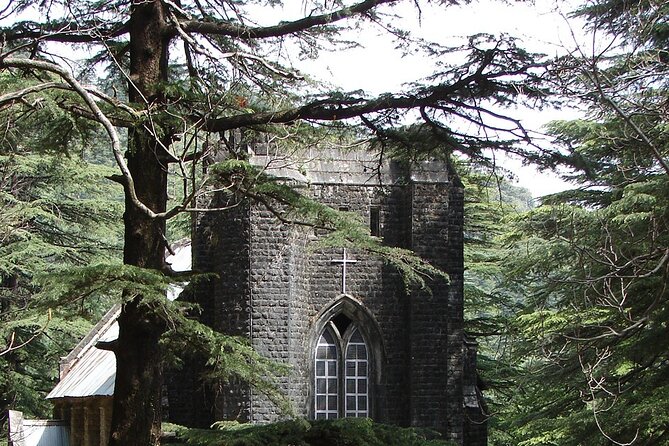
At about $1,048.29 per person for roughly 9 days, this tour isn’t cheap, but it’s also not just a ticket to a single city. The included package tackles the expensive parts: hotels, train tickets, an air-conditioned vehicle, and a lot of key admissions, plus breakfasts and dinners. You’re buying convenience, time savings, and a set plan that gets you across multiple regions with minimal decision fatigue.
Here’s the important part for your planning: the itinerary is heavy on transfers, and the tour includes breakfast (9) and dinner (8) but not lunch. That means you should expect to spend extra on lunch most days. If you like trying local food (and you will in Amritsar and Dharamkot), building in that daily budget will make the trip feel better, not worse.
You can also read our reviews of more tours and experiences in New Delhi.



Day 1 in Delhi: From Arrival to Swaminarayan Akshardham
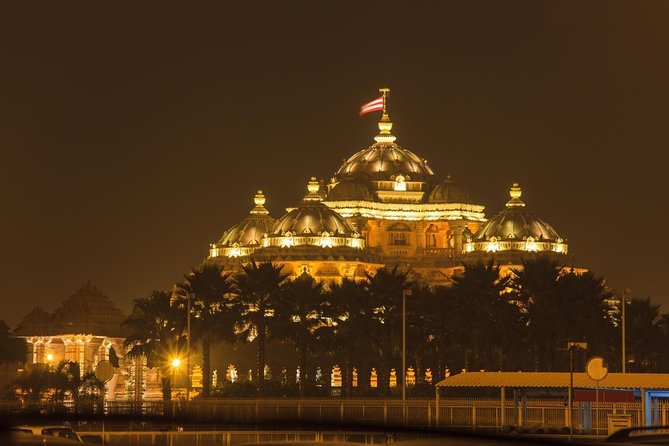
Day 1 is built for an easy start. After you land at Indira Gandhi International Airport, a representative meets you and brings you to your prebooked hotel. You then get time for check-in and lunch on arrival day, before heading to Swaminarayan Akshardham, with admission included and about 2 hours on site.
Akshardham is a great first stop because it sets a tone: it’s orderly, visually powerful, and very different from the historical sites you’ll see later. You’ll want comfortable shoes, especially if you plan to walk through courtyards and viewing areas at your own pace. If you’re jet-lagged, don’t worry about forcing energy; the schedule gives you the option to take it steady.
Practical tip: dress to be respectful at temples. Shoulder and knee coverage is a safe approach, and keep something light on hand for sun or indoor air-conditioning changes.
Day 2: The Train to Amritsar and the Golden Temple Experience
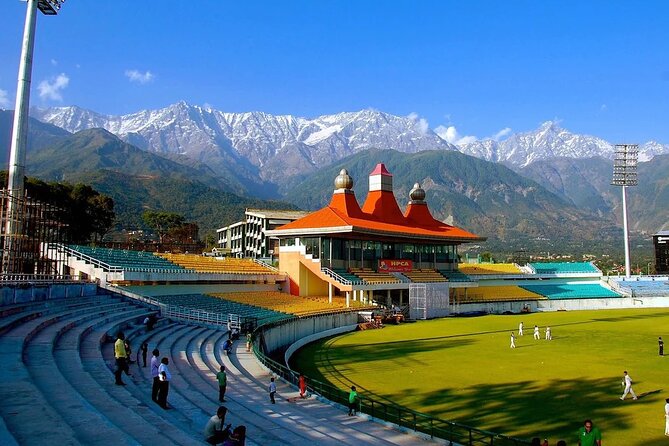
The route shifts gears fast. After early breakfast, you take the train from Delhi railway station to Amritsar. That rail day matters because it turns a long transfer into a calmer, sit-down segment. It also gives you one less stress point: you’re not negotiating tickets or routes while traveling.
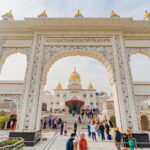
In Amritsar, the centerpiece is the Golden Temple, with admission included and about 3 hours there. This is the kind of sight where timing and mindset matter more than speed. You’ll be surrounded by steady movement and devotion, and the best use of your time is to walk slowly, look at the details, and give yourself room for silence.
One practical consideration: Golden Temple visits can involve crowds and lots of walking. Plan on wearing footwear you trust, and avoid overstuffing your day with extra stops unless your energy is high.
Day 3: Jallianwalla Bagh, Durgiana Temple, and Wagah Border at Pace
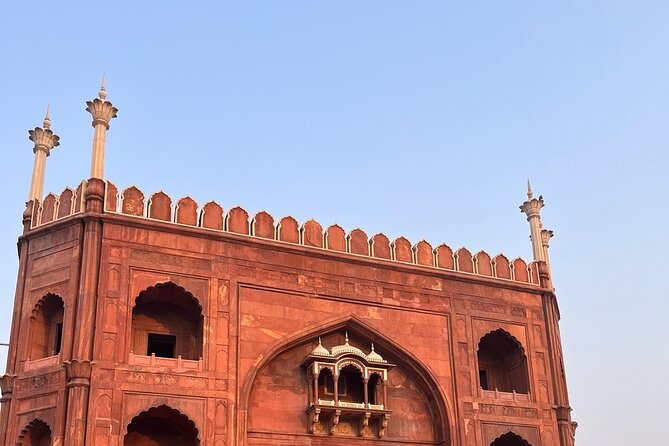
Day 3 mixes reflection and spectacle, and that’s a real strength of this tour. You start with a city tour that includes Jallianwalla Bagh, where you learn the history of the place, then you visit Durgiana Temple. After that, you drive to Wagah–Attari (India–Pakistan) border, visiting Kashif Ali Ghouri Park.
That sequence matters. Jallianwalla Bagh is heavy, and it’s easier to absorb when you aren’t trying to cram it between unrelated activities. Durgiana provides a contrasting spiritual stop, and then Wagah brings a dramatic, performance-like atmosphere.
Wagah is often misunderstood as just a show, but the context around border life makes it more than entertainment. You’ll want to be mentally ready for strong emotions and intense noise, and you’ll likely do best keeping your expectations realistic: you’re there for the ceremony and the atmosphere, not quiet sightseeing.
Day 4: Drive to Dharamsala via Pathankot and the Mountain Switch
On Day 4 you head to Dharamsala by road, going via Pathankot. The trip takes you through changing scenery, and the schedule includes a lunch stop in between so you don’t arrive hungry and frazzled. Once you reach Dharamsala, you get a solid 5-hour block for the town stop.
Dharamsala is often described with a single label, but what I like about it in this kind of tour is the way it slows you down. The area has a distinct rhythm: you notice the mix of local life and Tibetan-influenced culture. It’s a good place to reset after days that are more temple-and-ticket oriented.
Practical tip: mountain weather can shift quickly. Bring a light layer even if the day starts warm, and keep your daypack simple. You’ll likely do some walking.



Day 5: Tea Gardens to Masroor Rock-Cut Temples and Kangra Fort
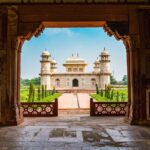
Day 5 is the “nature plus culture” day. You drive through tea gardens, pine forests, and small villages, then reach Masroor Rock-Cut Temples. These temples are described as 8th-century, carved into stone, and they’re the kind of stop where you benefit from taking time rather than rushing.
After Masroor, you continue to Kangra Fort, with an admission included and around 3 hours there. Forts are where logistics start to matter: heat, sun, and stone steps can slow you down. Wear shoes with grip, and bring water. Even if the schedule feels generous, fort time has a way of turning into slower walking and longer looking, especially when the views open up.
This day is also a good example of why the tour works well for people who don’t want only “checklist tourism.” You get drives through scenery, then two significant culture stops.
Day 6: Tsuglaghang Complex and the Dalai Lama Temple Complex
Day 6 centers on Tsuglaghang complex, described as the residence of His Holiness Dalai Lama. You’ll spend about 4 hours at the Dalai Lama Temple Complex, where you can see multiple monasteries and stupas, plus a 3-meter tall bronze statue of the Sakyamuni Buddha.
If you’ve never visited a Tibetan spiritual complex in person, you’ll notice how different the atmosphere feels from Indian temples you’ve seen in other cities. It’s not just visual. It’s the pace—prayer and daily routines feel slower and more grounded.
Respect matters here. Dress modestly, keep your voice down, and don’t treat prayer areas like photo sets. You’ll get more out of the visit if you let the space set your tempo.
Day 7: Free Morning in Dharamkot (Little Israel) and the Pathankot Transfer
Day 7 gives you room to breathe. You have a free morning in Dharamkot, described as little Israel and known for cuisines from all over the world. The tour idea here is simple: you can take a walk, visit markets, and pick up souvenirs without being rushed.
That free time is valuable because it helps you personalize the trip. If you’re someone who likes food stops and chatting with vendors, this is where you get to enjoy it. If you prefer quiet, you can use the same time for an unplanned stroll.
After that, you transition to Pathankot train station for about 2 hours. That’s another reminder that the tour keeps moving through logistics so you’re not stuck researching transport yourself.
If you want one practical strategy: keep your schedule light during free time. Don’t add extra excursions that require advanced booking unless you’re sure you can return on time.
Day 8: Back to Delhi, Then Agra for the Taj Mahal
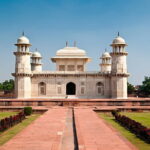
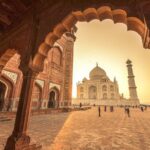
On Day 8 you arrive back in Delhi, then you head by bus to Agra. Once you check into your hotel, you visit Taj Mahal, with admission included and about 4 hours on site.
The Taj Mahal is the sort of place where timing affects your experience. Even if you can’t control every minute, you can control how you move: take time to walk the grounds, look beyond the main view, and let the monument reveal details rather than just being a background for photos.
One practical thing: Agra days can be hot or sunny, and stone surfaces can get intense. Hydrate, shade-seek when needed, and wear sun-safe clothing. Your legs will thank you later.
Day 9: Short Delhi Window and Head Home
Your final day is about wrapping things up. You drive back to Delhi and then take your flight home. There’s also a New Delhi tour segment, with about 3 hours included, before your airport drop.
This is a good moment for a last taste of Delhi if you’ve got energy. It’s also a smart buffer day because it prevents you from feeling like you need to squeeze everything in at the end.
Practical tip: keep your last-day items easy to access. You’ll be moving from hotel to sightseeing to airport, so don’t pack anything essential in the bottom of a suitcase.
Who This Tour Fits Best (and Who Might Want Something Slower)
This tour is a great match if you want must-see north-India highlights in one go: Akshardham, Golden Temple, the historical stop at Jallianwalla Bagh, a border visit at Wagah, Tibetan culture in Dharamsala, and the Taj Mahal in Agra.
It’s also a strong fit if you like having plans made for you. The mix of train travel and air-conditioned vehicle transfers means you’re not figuring out every route on the fly.
You might consider a different pace if:
- you hate travel days and want fewer long transfers
- you prefer lunch to be included so you don’t budget daily meals
- you want extra free time in every city rather than structured stops
Should You Book It?
Book this tour if you want a well-organized route that hits big-name sights and still gives you at least one morning of freedom in Dharamkot. The included combination of hotels, train tickets, and multiple admissions is what makes the value feel real, not just the headline attractions.
Skip it, or at least think twice, if you’re easily drained by moving every day. This is a 9-day, multi-region push, and the package includes a lot, but it still can feel like a sprint if you like to linger for days in one place.
If your travel style is balanced, you’ll probably love the way it connects Delhi’s spiritual grandeur, Amritsar’s devotion, Dharamsala’s mountain calm, and Agra’s iconic monument—without requiring you to do heavy logistics work yourself.
FAQ
What time do we meet on the first day, and where?
You meet at Indira Gandhi International Airport in New Delhi with a listed start time of 8:30 am.
Is pickup offered?
Yes. The tour includes pickup offered, and on arrival in Delhi you’ll be met by a representative and taken to the prebooked hotel.
What meals are included, and is lunch covered?
The tour includes breakfast (9) and dinner (8). Lunch is not included, so you’ll want to budget for it during the day.
Are entrance tickets included for major attractions?
Many key stops include admissions in the schedule, including Swaminarayan Akshardham, Golden Temple, Kashif Ali Ghouri Park / Wagah Border, Dalai Lama Temple Complex, Kangra Fort, and Taj Mahal.
How do you travel between cities on this tour?
The trip includes train tickets for the Delhi-to-Amritsar segment and the Pathankot train station transfer, plus air-conditioned vehicle transfers (and a bus transfer) for road travel between regions like Dharamsala and Agra.
What if weather is bad or I need to cancel?
The experience notes a good weather requirement and says that if it’s canceled due to poor weather, you’ll be offered a different date or a full refund. It also allows free cancellation up to 24 hours in advance for a full refund.