REVIEW · NEW DELHI
Majestic Golden Triangle With Varanasi
Book on Viator →Operated by Fragrance of Taj · Bookable on Viator
One word to describe India here is motion, but in a good way. This Golden Triangle plus Varanasi mix keeps you on the classic trail while also adding a seriously different spiritual stop. I like the way the private vehicle + professional guide keeps logistics sane across four cities, and I also like the practical inclusion of an A/C overnight train segment. The main drawback to plan for is that monument entrance fees and most meals are not included, so you’ll want to budget and carry a payment method.
You’ll see Old Delhi’s landmarks, Jaipur’s royal sights, Agra’s Mughal masterpieces, then switch gears to Varanasi with Ganges energy and Sarnath’s Buddha history. It’s a lot in 8 days, so if you hate early starts or want long, slow time inside museums, this route may feel like a sprint.
In This Review
- Key Highlights Worth Your Attention
- The Smart Way This Trip Puts Four Different Moods Together
- Delhi in One Day: From Fortifications to Old Bazaar Chaos
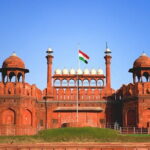
- Red Fort (Lal Qila): Mughal power in stone
- Jama Masjid: Scale that’s hard to ignore
- Chandni Chowk: Where shopping turns into people-watching
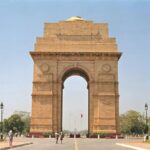
- India Gate: A quick pause near Rajpath
- Gulati Restaurant (Pandara Road): A practical lunch break
- Humayun’s Tomb: Mughal elegance you can actually slow down for
- Lotus Temple: A calm contrast
- Qutub Minar: The tower that anchors the skyline
- Jaipur Days: Royal Showstoppers Plus Market Time
- The drive to Jaipur: A short reset before the pink city
- Hawa Mahal: Look, then imagine royal life
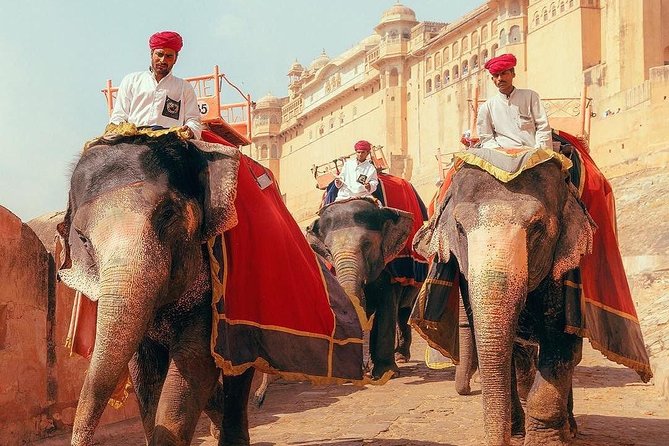
- Amber Fort: Fort views and real drama (2 hours)
- Jal Mahal: The lake palace quick hit
- Pink City lunch: Feed yourself, then keep moving
- City Palace + Jantar Mantar: Two different kinds of royal legacy
- Bapu Bazar: Walk to end the day
- Agra: Mughal Masterpieces With Enough Variety to Keep You Interested
- En route stops: Abhaneri and Fatehpur Sikri area sights
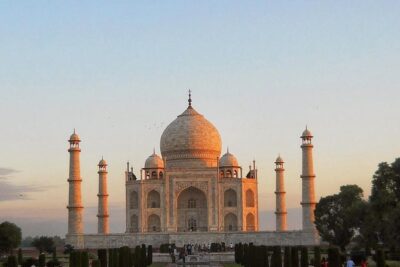
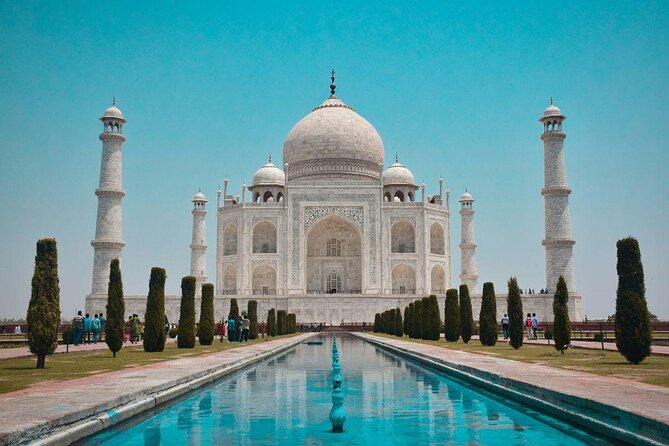
- Taj Mahal: The main event, with real photo help
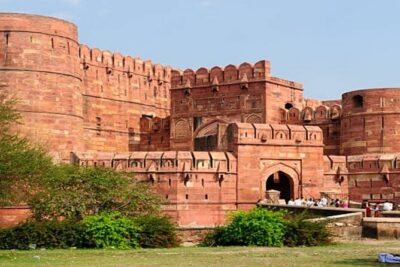
- Agra Fort and Itmad-ud-Daula: Strong follow-ups after Taj
- Lunch at Sun Barbecue: Another buffet breather
- Mehtab Bagh: The garden side of the Taj story
- The Overnight Train to Varanasi: Comfort That Changes the Whole Rhythm
- Varanasi: Sarnath + the Ganges Boat Ride (Two Different Spiritual Lenses)
- Local sightseeing time: Short, but it sets context
- Sarnath: Buddha’s first sermon setting
- Ganges boat ride: Early morning, spiritual atmosphere
- Price and Value: What $380 Covers (and What You Must Pay Separately)
- Who This Tour Suits Best (and Who Might Want a Different Plan)
- Service Style: Safety, Punctuality, and Friendly Driver–Guide Team
- Should You Book Majestic Golden Triangle With Varanasi?
- FAQ
- What cities are included in the tour?
- How long is the tour?
- Is pickup included?
- What transport is included?
- How many nights of accommodation are included?
- Are monument entrance fees included?
- Are meals included?
- Is Wi-Fi available during the trip?
- What’s the meeting and end location?
- Is there an age requirement?
Key Highlights Worth Your Attention
- Major monuments, guided in sequence across Delhi, Jaipur, Agra, and Varanasi
- Private transport plus a comfort-focused overnight train from Agra to Varanasi
- Old Delhi bazaar time at Chandni Chowk for real street-level India
- Classic Mughal stops like the Red Fort, Humayun’s Tomb, Taj Mahal, and Agra Fort
- Vara nasi experience with a Ganges boat ride and an excursion to Sarnath
The Smart Way This Trip Puts Four Different Moods Together
This tour works because it doesn’t treat India as one big theme. It moves you from political power and colonial-era memorials in Delhi, to royal courts in Jaipur, to Mughal grandeur in Agra, and then to a religious rhythm in Varanasi. That shift matters. If you only did the Golden Triangle, you’d miss the India that many people come to feel, not just photograph.
The pace is classic for this kind of circuit: days filled with highlights, then a little breathing room for meals and travel. I think that’s the right fit if your goal is to check off the must-sees without turning the whole trip into a DIY planning project.
One more practical point: having a professional guide helps you connect what you’re seeing. You’re not just moving between famous buildings—you’re learning why they matter and what to notice while you’re there.
You can also read our reviews of more tours and experiences in New Delhi.



Delhi in One Day: From Fortifications to Old Bazaar Chaos
Delhi can overwhelm you fast if you arrive without a plan. Here, you get a structured day that hits big sites first, then balances it with a market lane wander.
Red Fort (Lal Qila): Mughal power in stone
You’ll spend about an hour at Red Fort, a key symbol of Old Delhi and Mughal rule. The ticket isn’t included, so you should expect to pay entry separately. Even if you don’t go deep into every hall, the setting alone helps you understand why Delhi history is layered—this is a city built on cities.
Tip: If you’re visiting in the hotter months, bring water and take your breaks. Standing around for photo angles can quietly drain energy.
Jama Masjid: Scale that’s hard to ignore
Next is Jama Masjid, one of the largest mosques in India, built by Shah Jahan in the mid-1600s. You’ll get about an hour here. Like Red Fort, admission is not included, so plan entry costs. What you’ll notice is how the structure dominates the space around it—this isn’t a quiet stop. It’s active, historical, and very present.
Chandni Chowk: Where shopping turns into people-watching
After the big monuments, you get the sensory payoff at Chandni Chowk. This area is famous for specialty lanes and bargains, and you’ll have around two hours here. You’ll also feel the difference between Delhi’s grand architecture and its everyday street life.
This is also the place where you’ll be glad for a guide. Prices, product types, and local customs can be confusing at first. A guide helps you keep things moving and makes sure you don’t waste time circling the wrong streets.




India Gate: A quick pause near Rajpath
Then you get a short stop at India Gate, the war memorial near the ceremonial axis of New Delhi. It’s about 30 minutes, and entry is free. This brief pause is useful. It gives your eyes a break from crowds and close-quarter sights before you shift into more monument-heavy terrain.
Gulati Restaurant (Pandara Road): A practical lunch break
Lunch is at Gulati Restaurant on Pandara Road, with a buffet style meal. Admission isn’t included (which makes sense because it’s food), but the structure matters: you have a scheduled break during a long day of walking and transit. You’ll want to eat well here because the afternoon continues with major landmarks.
Humayun’s Tomb: Mughal elegance you can actually slow down for
Humayun’s Tomb gets about an hour. Entrance isn’t included. This is the kind of site where the garden layout and symmetry give you something to “read” as you walk. If you like architecture details, it’s a strong stop.
Lotus Temple: A calm contrast
The Lotus Temple is free to visit and takes about an hour. It’s a Bahá’í House of Worship known for its lotus-like shape. This stop is a good contrast after Old Delhi intensity. Even if you’re not focused on religion, the calm design and open atmosphere can be a reset.
Qutub Minar: The tower that anchors the skyline
Finally, you’ll go to Qutub Minar (about an hour). Admission isn’t included, but the payoff is the iconic minaret and the broader Qutb complex setting. It’s a great capstone to Delhi day—something tall, old, and unmistakable.
Jaipur Days: Royal Showstoppers Plus Market Time
Jaipur is where the trip starts feeling more theatrical—in color, in scale, and in the way the city presents its past.
The drive to Jaipur: A short reset before the pink city
On the way to Jaipur, you’ll have a drive of around four hours with a countryside view and a tea break. Then you’ll check into your hotel. This is helpful because Jaipur days involve a lot of standing and walking. Arriving rested makes the sightseeing feel easier.
Hawa Mahal: Look, then imagine royal life
Hawa Mahal (Palace of Breeze) is a quick but iconic stop—about 30 minutes and free entry. The building’s red and pink sandstone façade is all about the idea of looking out. If you like architecture, you’ll enjoy how the design is tied to the women’s chambers concept connected to royal life.
Amber Fort: Fort views and real drama (2 hours)
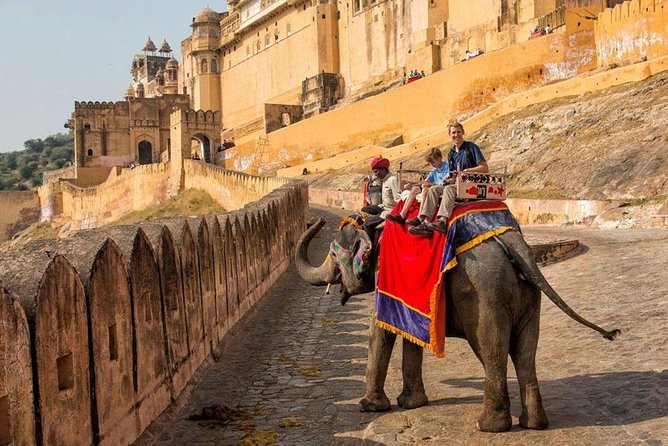
Amber Fort is one of the big ticket items here (entry not included), with around two hours scheduled. It’s set up for impact—fortifications, courtyards, and views that help you understand why rulers chose this kind of location.
Consideration: Entry lines can happen. If you’re trying to photograph your favorite angles, wear comfortable shoes and give yourself time.
Jal Mahal: The lake palace quick hit
Jal Mahal is a palace on Man Sagar Lake. Entry is free and the stop is about 30 minutes. You might not see the full palace interiors, but the exterior and the lake setting make it a great “wow photo” moment between bigger stops.
Pink City lunch: Feed yourself, then keep moving
Lunch is at Pink City Café & Restaurant with a buffet meal. Like other food stops, this is about energy management. Jaipur can feel extra hot under the sun, so a full meal matters.
City Palace + Jantar Mantar: Two different kinds of royal legacy
You’ll visit City Palace (about an hour; admission not included). Then there’s Jantar Mantar, the Jaipur observatory built in 1728, with about an hour planned. Admission isn’t included here either.
What I like about pairing these is that they show two sides of the same city: ceremonial power and scientific/measurement interests. You get to switch modes—beauty first, then observation.
Bapu Bazar: Walk to end the day
Finally, Bapu Bazar gives you a shopping walk on MI Road for about an hour. Admission is free. If you don’t shop, it still works as a mellow end-of-day stroll where the city feels modern again.
Agra: Mughal Masterpieces With Enough Variety to Keep You Interested
Agra is where the circuit earns its reputation. But what makes this route better than the Taj-only crowd is that you’re not trapped in one single landmark box.
En route stops: Abhaneri and Fatehpur Sikri area sights
On the way to Agra, you’ll visit Chand Baori at Abhaneri (about an hour). Admission isn’t included. This step well is famously photogenic because of its deep, geometric symmetry.
Then you’ll stop at Fatehpur Sikri, with a focus on the Panch Mahal area (about two hours; admission not included). Even without spending all day inside every building, the red sandstone cluster and the site layout help you grasp the scale of Mughal ambitions.
Taj Mahal: The main event, with real photo help
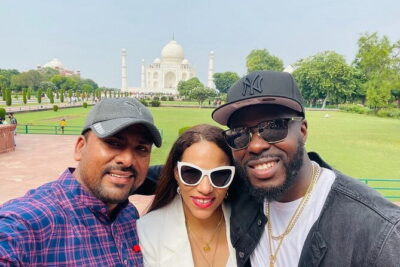
You’ll spend about two hours at Taj Mahal. Admission isn’t included. The tour includes a guide help for photos at the best spots, which is important here because timing and angles can make or break your results.
Tip: Bring patience for crowds. Even with a schedule, Taj is busy. Plan to focus on a few key angles instead of trying to “see everything.”
Agra Fort and Itmad-ud-Daula: Strong follow-ups after Taj
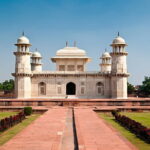
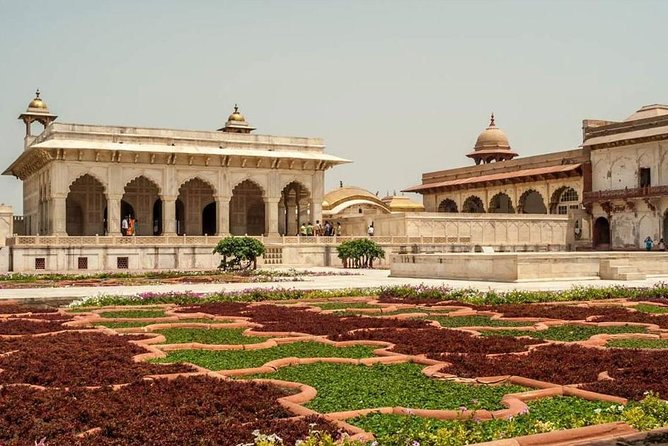
Next you’ll visit Agra Fort (about an hour; admission not included) and then Itmad-ud-Daula (about an hour), often called the Baby Taj. It’s a smart choice on this route because it keeps you in Mughal mode while reducing repetition.
Lunch at Sun Barbecue: Another buffet breather
Lunch is at Sun Barbecue with a buffet grilled meal experience (about an hour; admission not included because it’s food). For a day with multiple historical stops, having lunch planned saves you from “where do we eat now?” stress.
Mehtab Bagh: The garden side of the Taj story
Finally, you’ll visit Mehtab Bagh (about an hour; admission not included). This garden complex gives you a different perspective across the Yamuna River area. It’s a good way to finish the Agra story without feeling like you’re only repeating Taj angles.
The Overnight Train to Varanasi: Comfort That Changes the Whole Rhythm
One of the clever inclusions here is the A/C overnight train journey from Agra to Varanasi. That single line is a big deal for your energy budget. Instead of losing a full travel day in daylight traffic, you convert the move into a sleep-and-arrive situation.
This matters because the Varanasi portion includes early timing. If you had to day-drive all the way, the schedule would feel brutal.
When you reach Varanasi, you’re picked up and dropped at your pre-booked hotel.
Varanasi: Sarnath + the Ganges Boat Ride (Two Different Spiritual Lenses)
Varanasi is not like Delhi, Jaipur, or Agra. You don’t experience it as a monument checklist. You experience it as a flow—people, rituals, sound, light, and movement.
Local sightseeing time: Short, but it sets context
After arrival, you get a local sightseeing tour slot (about 20 minutes noted) with no admission ticket required. Even short orientation time helps you get bearings fast—this city is full of small turns and layered neighborhoods.
Sarnath: Buddha’s first sermon setting
After lunch, you head to Sarnath. This excursion takes about two hours. Admission isn’t included. Sarnath is the place where Buddha delivered his first sermon to his disciples, and you’ll see Buddha temples, the Dhamekha stupa, and more.
If you want your Varanasi trip to include more than river rituals, this is your counterbalance.
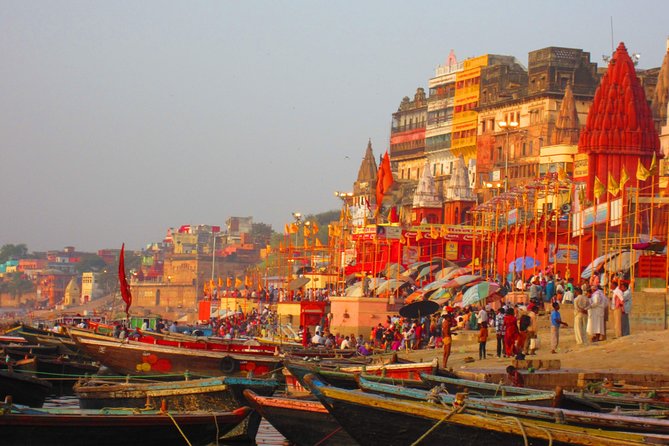
Ganges boat ride: Early morning, spiritual atmosphere
The big signature moment is the early morning boat ride on the Ganges. It’s listed as a long block of time (around 8 hours noted) and is free of admission tickets. What you can expect is the “people in motion” feel—offerings to the sun god and devotees taking holy dips in the river.
Consideration: Early mornings can be cold or uncomfortable depending on the season, and sitting for long stretches takes stamina. Bring layers even if the day looks warm.
Price and Value: What $380 Covers (and What You Must Pay Separately)
At $380 per person for about 8 days, you’re paying for a structured circuit, not just sightseeing access. Here’s the value math that matters:
What you get for the price
- Professional guide throughout
- Transport by private vehicle
- 6 nights accommodation in 3 hotels
- Free Wi-Fi and water bottles
- An A/C overnight train from Agra to Varanasi
- Coverage of major sights across Delhi, Jaipur, Agra, and Varanasi
What you still need to budget
- Food and drinks are not included
- Monument entrance fees are not included for most stops
That last part changes how you judge the deal. This isn’t a cheap “no-thought” package. Instead, it’s a well-managed service where you pay for transport, guidance, and schedule structure, then you handle admissions and meals separately.
If you’re the kind of traveler who wants fewer decisions and smoother handoffs, the price looks stronger. If you’re trying to keep every rupee tight and you prefer picking your own sites, you might feel the admissions add up.
Who This Tour Suits Best (and Who Might Want a Different Plan)
This route is built for people who like a guided, classic itinerary and don’t want to manage day-by-day transport across multiple cities.
You’ll probably enjoy it most if:
- You want Delhi + Jaipur + Agra + Varanasi in one trip
- You care about major sites and want help navigating timing and priorities
- You like the comfort of private transport and one major overnight move handled for you
You might want to think twice if:
- You hate early departures or very full days
- You want tons of free time at each monument
- You don’t want to pay entrance fees on top of the package price
Service Style: Safety, Punctuality, and Friendly Driver–Guide Team
The strongest theme in the feedback is confidence—people appreciated pickup and dropoff support, plus the care shown by drivers, guides, and the tour leader. The word that comes through is that the company focuses on keeping you comfortable and on schedule, from the airport pickup to the Varanasi handoff.
I also like that the response names Sanjeev Paul as the point of contact in communication, which suggests a real person is involved rather than a faceless booking desk. You still need to be organized yourself, but the service setup looks designed to reduce stress.
Should You Book Majestic Golden Triangle With Varanasi?
I’d book this if your priority is a well-run route that hits the big monuments and still makes space for what makes India feel different in Varanasi. The big strengths are the guided flow, the private vehicle support, and that A/C overnight train that saves you from wasting a whole travel day.
I would hesitate if your ideal trip is slow, quiet, and flexible. This schedule is full, and you’ll want to plan ahead for entrance fees and meals since they’re not included.
If you’re ready for a classic highlight circuit with a meaningful spiritual add-on, this is a solid choice—and it’s the kind of trip where you’ll come home with clear images and a better sense of how these places connect.
FAQ
What cities are included in the tour?
You’ll cover New Delhi, Jaipur, Agra, and Varanasi.
How long is the tour?
It runs about 8 days (approx.).
Is pickup included?
Pickup is offered, and you’ll also be dropped at Varanasi Airport and Varanasi Train Station.
What transport is included?
You get transport by a private vehicle. You also include an A/C overnight train journey from Agra to Varanasi.
How many nights of accommodation are included?
The tour includes 6 nights accommodation in 3 hotels.
Are monument entrance fees included?
No. Monument entrance fees are not included.
Are meals included?
Food and drinks are not included.
Is Wi-Fi available during the trip?
Yes. Free Wi-Fi is included.
What’s the meeting and end location?
The tour starts in New Delhi and ends with drop-off at Varanasi Airport and Varanasi Train Station.
Is there an age requirement?
Yes. The minimum age is 3 and the maximum age is 85.