REVIEW · NEW DELHI
Mathura Vrindavan Divine Love Journey of Radha Krishna From Delhi
Book on Viator →Operated by Sun Leisure World India · Bookable on Viator
A day trip to Krishna’s holy towns is never just sightseeing. This private Delhi-to-Mathura-Vrindavan route is interesting because you’re moving temple to temple with an English/Spanish/Italian speaking guide, plus a flute activity that turns devotion into something you can actually participate in. I love the feeling of personal attention on a private tour, and I also like that the day includes a vegetarian lunch so you’re not scrambling for food mid-ritual.
I especially like how the schedule hits major stops tied to Radha and Krishna—Krishna Janmasthan, Mathura temples, Prem Mandir’s evening light, ISKCON Vrindavan, and Vishram Ghat. You’ll get a tight, spiritual day without having to plan buses, timing, or routes yourself. The drawback is simple: it’s a long 13–14 hour day with crowds at popular temples, so pace yourself and keep expectations flexible for entries during peak times.
In This Review
- Key takeaways before you go
- Why This Mathura–Vrindavan Day Trip Feels Worth It from Delhi
- What a 13–14 Hour Temple Day Really Means for Your Energy
- Stop 1: Shri Krishna Janmasthan (Krishna’s Birthplace Temple Complex)
- Stop 2: Dwarkadhish Temple in Mathura (Architecture Plus Rituals)
- Stop 3: Banke Bihari Temple (Where Crowds Can Test Your Patience)
- Stop 4: Prem Mandir (Shyama Shyam Dham) and Evening Light Magic
- Stop 5: ISKCON Vrindavan (Bhagavad Gita, Vedic Teachings, and a Modern Spiritual Home)
- Stop 6: Vishram Ghat (Temples Along the River and the Meaning of Rest)
- Flute Time: A Small Included Moment with Big Feelings
- Price and Value: Why $109.20 Can Make Sense for a 13–14 Hour Private Day
- Who Should Book This Tour (and Who Might Want a Different Style)
- Dress Smart for Temples and Make Lines Less Miserable
- Booking Time Tip: When “58 Days Ahead” Actually Helps
- Should You Book This Mathura Vrindavan Divine Love Journey?
- FAQ
- Is this tour private or shared?
- How long is the Mathura–Vrindavan journey from Delhi?
- What’s included in the price?
- What temple stops are included?
- Do I need to pay temple entry fees, and is there anything special provided?
- What’s the cancellation policy?
Key takeaways before you go
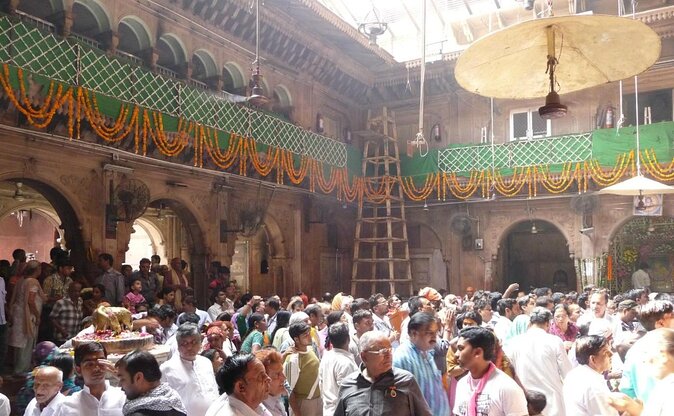
- Private group comfort: only your group rides in the air-conditioned vehicle with round-trip transfers.
- Lunch included: a vegetarian lunch is built in, which makes this feel doable rather than stressful.
- Temple-focused itinerary: Krishna Janmasthan, Dwarkadhish, Banke Bihari, Prem Mandir, ISKCON Vrindavan, and Vishram Ghat.
- You get to participate: a flute is provided so you can play and dance along with the devotional mood.
- Crowds are part of the deal: Banke Bihari in particular can mean long queues and slower access.
- All fees and taxes are handled: plus bottled water is included, so fewer small costs pop up mid-day.
Why This Mathura–Vrindavan Day Trip Feels Worth It from Delhi
If you want Krishna and Radha spirituality without turning your day into a logistics project, this format is a good match. You start from Delhi, then spend your time on the places that matter most to many pilgrims: temples tied to Krishna’s life, Radha’s devotion, and Vrindavan’s sacred atmosphere.
The value here is that the day is already structured. You get round-trip transfer in an air-conditioned vehicle, plus bottled water and a vegetarian lunch. That matters because this kind of day doesn’t work well when you’re constantly making decisions on the fly.
One more thing I like: it’s not an all-talking tour. The itinerary is built around real temple visits, and you also get a flute provided so you can join in with the music-and-dance energy rather than just watching from the sidelines.
You can also read our reviews of more tours and experiences in New Delhi.



What a 13–14 Hour Temple Day Really Means for Your Energy
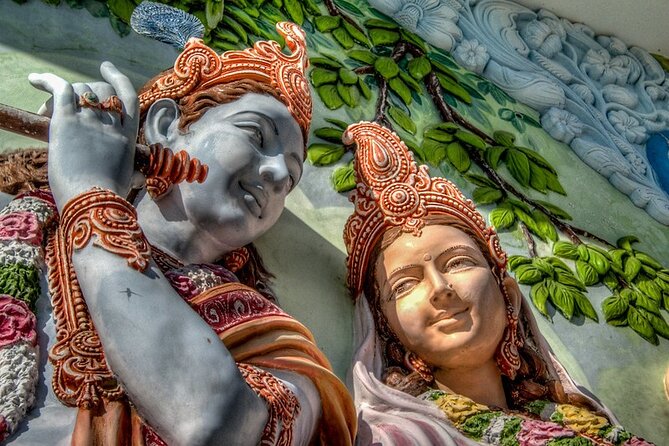
This is a long day. The total time is about 13 to 14 hours, and you’re visiting multiple temple sites (each listed at about an hour). In practice, that means your day is more “temple rhythm” than “museum rhythm.”
Here’s how to make it work:
- Wear comfortable shoes you can stand in, because temples mean waiting, walking, and shifting lines.
- Carry patience. Even with a private format, popular devotional sites can have crowd control rules.
- Eat smart before the tour. Breakfast and dinner aren’t included, so a light early meal helps your lunch last longer.
A private tour helps you move with less chaos than a public-group bus, but it doesn’t remove the reality of crowds at major shrines—especially Banke Bihari Temple.
Stop 1: Shri Krishna Janmasthan (Krishna’s Birthplace Temple Complex)
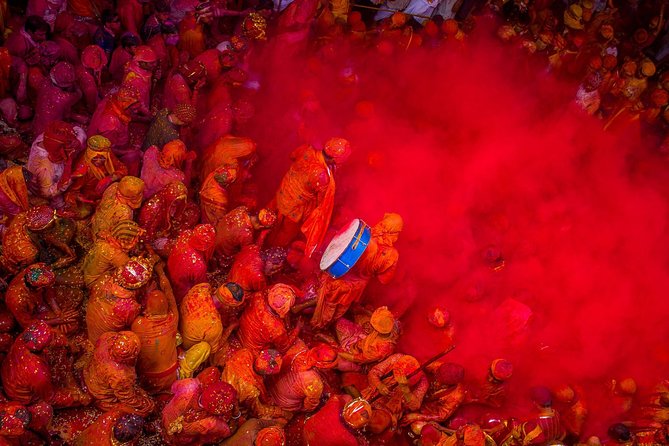
Your day opens at Shri Krishna Janmasthan, the Krishna Janmabhoomi Temple, believed to be the birthplace of Lord Krishna. This is the kind of place where the atmosphere hits fast. The complex is built for pilgrimage, so you’ll feel the spiritual intensity immediately—people coming with devotion, prayers happening in motion, and the whole area designed for worshipers to keep moving through.
What I’d pay attention to during your visit:
- Follow your guide’s pacing inside the complex. You’ll get more meaning if you don’t treat it like a quick photo stop.
- Watch for rituals and how people respectfully move through the space.
The visit is listed at about 1 hour, and you should plan on using that full hour. This is not the stop to speed through if your goal is understanding what you’re seeing.
Stop 2: Dwarkadhish Temple in Mathura (Architecture Plus Rituals)
Next is Shri Dwarkadhish Temple in Mathura, a major Krishna-dedicated temple. This stop leans more into the “observe and appreciate” side of devotion: you get time to admire the architecture and also watch the temple activities as they unfold.
Dwarkadhish is often a visual contrast from the first stop. Krishna Janmasthan sets the spiritual tone; Dwarkadhish gives you a chance to slow down and see craftsmanship, design, and the structure of worship in a different form.
You’ll have about 1 hour here, and the itinerary notes admission tickets are free. That’s helpful because it keeps your day focused on temples, not ticket logistics.
Stop 3: Banke Bihari Temple (Where Crowds Can Test Your Patience)
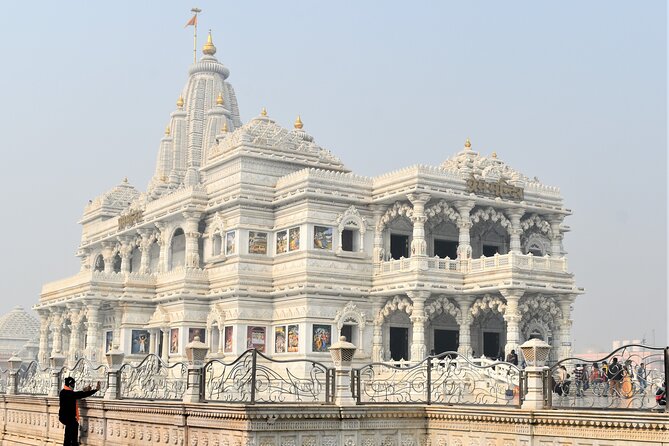
Then comes Banke Bihari Temple, one of the most renowned Krishna shrines. The itinerary is very honest about what to expect: long queues. This is a place where the devotion level is high, and lines can take time even when your tour includes private transportation and a guide.
Practical advice for this stop:
- Keep your mind in the queue. Treat waiting as part of the experience, not a failure.
- If you’re hoping for a very quick inner viewing, hold that hope lightly. Crowds can affect how quickly people can enter.
You’ll still get a full 1-hour stop window. The key is to arrive mentally ready for slower movement so you don’t feel rushed.


Stop 4: Prem Mandir (Shyama Shyam Dham) and Evening Light Magic
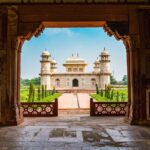
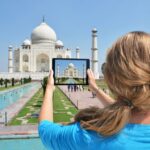
Prem Mandir—also known as Shyama Shyam Dham—is the “wow” stop on the list, especially near sunset. The attraction here is the intricate marble carvings and the way the temple looks when evening lighting comes on.
This is a temple that rewards slower looking. Spend your time with the details, not just the main view. When the light changes, you’ll notice how the carving surfaces and devotional scenes shift in tone.
The itinerary includes about 1 hour, and the note is clear: it’s especially mesmerizing at sunset. So if your schedule feels time-tight later in the day, this is the stop where I’d prioritize getting it right.
Stop 5: ISKCON Vrindavan (Bhagavad Gita, Vedic Teachings, and a Modern Spiritual Home)
After Prem Mandir, you’ll visit Sri Sri Krishna Balaram Mandir (ISKCON Vrindavan). ISKCON is often where visitors feel the blend of tradition and modern organization, and this temple was established in 1975 with the goal of promoting awareness of the Vedic scriptures and the teachings of the Bhagavad Gita.
This stop can feel different from the others in a good way. You’re still in a Krishna-centered space, but the emphasis is also on scripture learning and structured teaching. Even if you don’t understand every term, the guide can help connect what you’re seeing to the broader spiritual message.
Expect about 1 hour. This is also a nice place to ask questions, because a scripture-focused setting often makes explanations click.
Stop 6: Vishram Ghat (Temples Along the River and the Meaning of Rest)
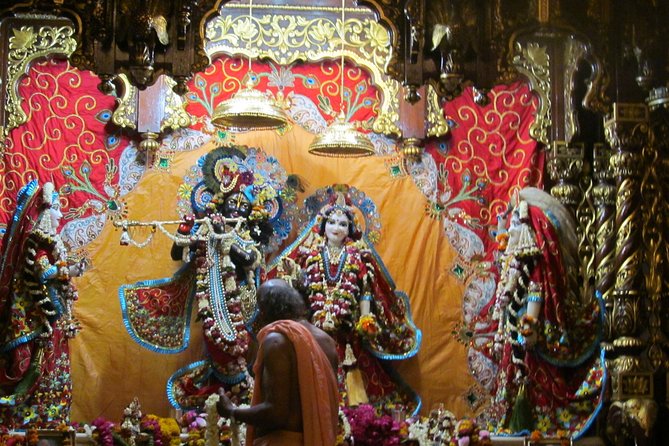
Your final stop is Vishram Ghat, a sacred area lined with temples and shrines, including the Mukut Temple and Radha-Damodar Temple. The name points to rest, and the vibe here often feels like a calmer spiritual chapter after the busier temple crowds.
Vishram Ghat is listed at about 1 hour, and the itinerary frames it as central to Vrindavan’s religious life. In other words, it’s not just a pretty ending. It’s part of how Vrindavan’s devotional culture breathes through the day.
If you like places where devotion happens in rhythm with daily life, this stop is a strong closer.
Flute Time: A Small Included Moment with Big Feelings
One of the most distinctive parts of this tour is that a flute is provided so you can play and dance. This is not a standard tourist add-on. It’s built into the experience, and it nudges you from spectator mode into participation mode.
A practical note: follow your guide’s lead on where and how to use it. Temple environments work best when your participation matches the moment and stays respectful.
If you’re going with kids, this kind of activity can turn the day from “long temple walks” into something playful. If you’re going solo or as a couple, it can break the formality and help you feel the music-and-devotion side of the culture.
Price and Value: Why $109.20 Can Make Sense for a 13–14 Hour Private Day
At $109.20 per person, this trip isn’t competing with ultra-budget group rides. It’s closer to a “pay for less hassle” plan.
Here’s what you’re getting that supports the value:
- Air-conditioned vehicle and private transportation for a long cross-town day
- Round-trip transfer so you don’t handle timing back to Delhi
- Bottled water
- Vegetarian lunch at a local restaurant
- All fees and taxes
- A guide who speaks English, Spanish, or Italian
- Admission tickets for the listed temple visits are marked free in the itinerary
For many people, the biggest win is not the math. It’s that you get a whole spiritual route stitched together, with someone handling the flow. You spend your energy on seeing and understanding, not on figuring out transport changes.
Who Should Book This Tour (and Who Might Want a Different Style)
This day trip fits best if you:
- Love Hindu spirituality and want a structured introduction to Mathura and Vrindavan
- Prefer a private tour where your guide can respond to your interests
- Want lunch handled and don’t want to gamble on finding good food during a long day
- Like the idea of a hands-on moment like the provided flute
It might not be ideal if you:
- Hate long crowds and slow-moving lines (Banke Bihari is a known queue magnet)
- Need a very relaxed pace with lots of free time, because the itinerary is temple-to-temple
Also, this is designed for most travelers to participate, but temple environments require appropriate dress. Plan to respect that and your experience will feel smoother.
Dress Smart for Temples and Make Lines Less Miserable
Because the itinerary includes multiple temples, you’re requested to dress appropriately. Keep it simple:
- Wear clothing that covers what the site expects (especially shoulders and knees).
- Choose breathable fabrics. A long day plus temple crowds can get warm.
- Bring a scarf or light layer if you’re unsure.
If you dress for comfort and respect at the same time, you’ll spend less time thinking about your outfit and more time focusing on the spiritual atmosphere.
Booking Time Tip: When “58 Days Ahead” Actually Helps
The tour is often booked about 58 days in advance on average. That’s a hint that the date you want can matter, especially for private-group comfort and popular schedules. If your trip dates are fixed, booking earlier is a sensible move. You’ll reduce the chances of getting squeezed into a less ideal time slot.
Should You Book This Mathura Vrindavan Divine Love Journey?
If you want a temple-focused day trip from Delhi that includes real structure—transport, guide support, vegetarian lunch, and a memorable participation moment with a flute—this one is easy to recommend. It’s built for people who care about Krishna and Radha spirituality and want to see several key sites in one shot without DIY planning.
I’d book it with one mindset adjustment: expect crowds and keep your schedule flexible in high-demand areas like Banke Bihari. If you can handle that, you’ll come away with a coherent, moving spiritual day rather than a scatter of random temple stops.
FAQ
Is this tour private or shared?
It’s a private tour/activity, meaning only your group participates.
How long is the Mathura–Vrindavan journey from Delhi?
The total duration is about 13 to 14 hours.
What’s included in the price?
The tour includes an air-conditioned vehicle, private transportation, bottled water, round-trip transfer, all fees and taxes, a vegetarian lunch at a local restaurant, and an English/Spanish/Italian speaking guide.
What temple stops are included?
The itinerary includes Shri Krishna Janmasthan, Shri Dwarkadhish Temple (Mathura), Banke Bihari Temple, Prem Mandir (Shyama Shyam Dham), Sri Sri Krishna Balaram Mandir (ISKCON Vrindavan), and Vishram Ghat.
Do I need to pay temple entry fees, and is there anything special provided?
Admission tickets are listed as free for the stops in the itinerary. A flute is also provided so you can play and dance. Since this is a temple day, you should dress appropriately.
What’s the cancellation policy?
You can cancel for a full refund if you do it up to 24 hours in advance of the experience’s start time. If you cancel less than 24 hours before, the amount paid is not refunded.