REVIEW · NEW DELHI
New Delhi – Ethical Sanjay Colony Slum Tour with Local guide
Book on GetYourGuide →Operated by Delhi by Locals · Bookable on GetYourGuide
Life here is crowded, loud, and real. This short Sanjay Colony tour gives you a guided, human view of daily routines—school, work in clothing, home life, and faith—alongside a local guide who can answer the questions you actually have.
Two things I especially like: the small-group feel (so you’re not shouting over everyone) and the way the tour connects education and faith to real day-to-day obstacles, like water access and hygiene. It also includes a visit tied to the Learning by Locals project, so you leave with a clearer sense of what support looks like, not just what problems exist.
One consideration: photography is not allowed inside, and you’ll be moving through tight spaces where privacy matters. If you hate close-up human contact or prefer quiet sightseeing only, this may feel too direct.
In This Review
- Key things that make this tour worth your time
- Starting at Harkesh Nagar Okhla: the fast, practical way in
- The education story: a public school you see from outside
- Walking Sanjay Colony: work, homes, and the real daily grind
- Faith in daily life: how a temple shapes routines
- A quick pause for views: when the route gives perspective
- Learning by Locals: turning the conversation into support
- What the tour includes—and why $19 can make sense
- Practical etiquette: how to get the most out of a respectful visit
- Who should book this New Delhi slum tour (and who might skip)
- Should you book it?
- FAQ
- Where do I meet the guide?
- How long is the tour?
- What does the tour cost?
- Is the guide available in English?
- What’s included in the price?
- What do you visit during the tour?
- Is photography allowed?
- How big is the group?
- Is it accessible for wheelchair users or very elderly visitors?
- Can I cancel and get a refund, and do I pay upfront?
- Where does the money go?
Key things that make this tour worth your time
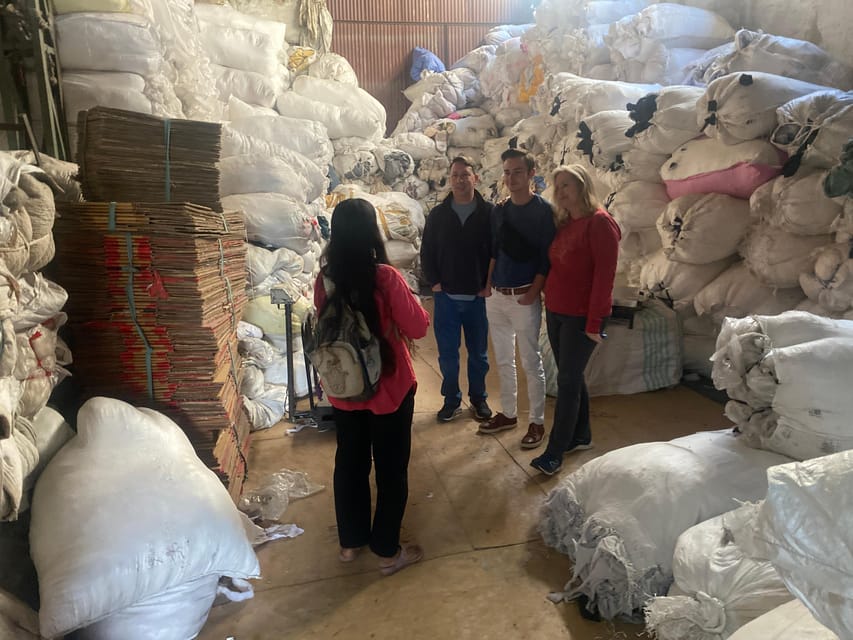
- Meet at Harkesh Nagar Okhla Metro for an easy start right from the city rhythm
- Public school from outside to understand how education works locally
- Clothing industry and home-life stops that explain routines, work, and living conditions
- Temple visit to see how faith shows up in everyday life
- Learning by Locals visit plus the note that 50% of profits go back to the non-profit
- Tea and bottled water included, so you can focus on the conversation
Starting at Harkesh Nagar Okhla: the fast, practical way in
The tour meets at Harkesh Nagar Okhla Metro station, outside gate number 2. That matters because you’re not getting picked up by car and dropped “somewhere.” You start where locals start—on a metro platform—and then step into the neighborhood.
Right away you’ll be in the hands of a live English guide. With a group capped at a small size (limited to 6 participants), the pace stays conversational, which is key for a topic like this. You’ll have chances to ask questions as you walk.
This is a 1.5-hour experience, so it’s not meant to be a long lecture. Think of it as a guided walk plus a few focused stops where your questions get answered in real time.
You can also read our reviews of more guided tours in New Delhi



The education story: a public school you see from outside
One of the first stops is a public school where you learn about the education system in Delhi and how it plays out in an informal settlement. You visit from the outside, which is a respectful choice for student privacy and safety.
What makes this part valuable is the framing. It’s not just “look at a school.” You learn how education fits into daily life and why access, attendance, and support can be complicated when communities are dealing with tight living conditions.
You’ll also get a sense of what education support looks like beyond the classroom. That connects later to the Learning by Locals portion of the tour, where the story becomes more about action than observation.
Walking Sanjay Colony: work, homes, and the real daily grind
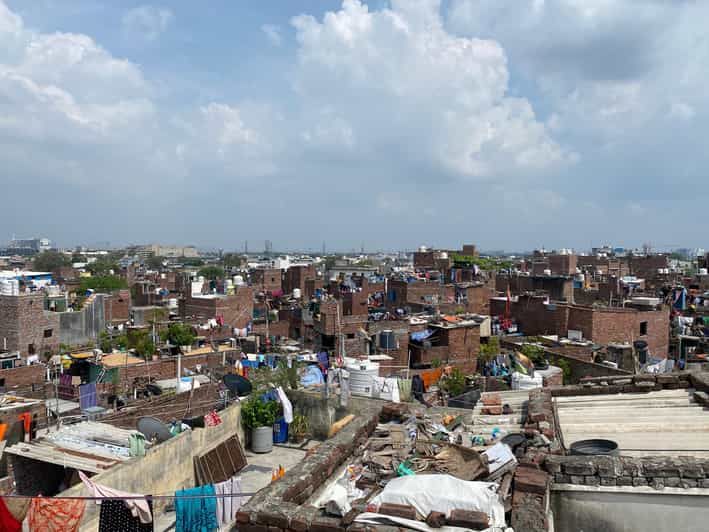
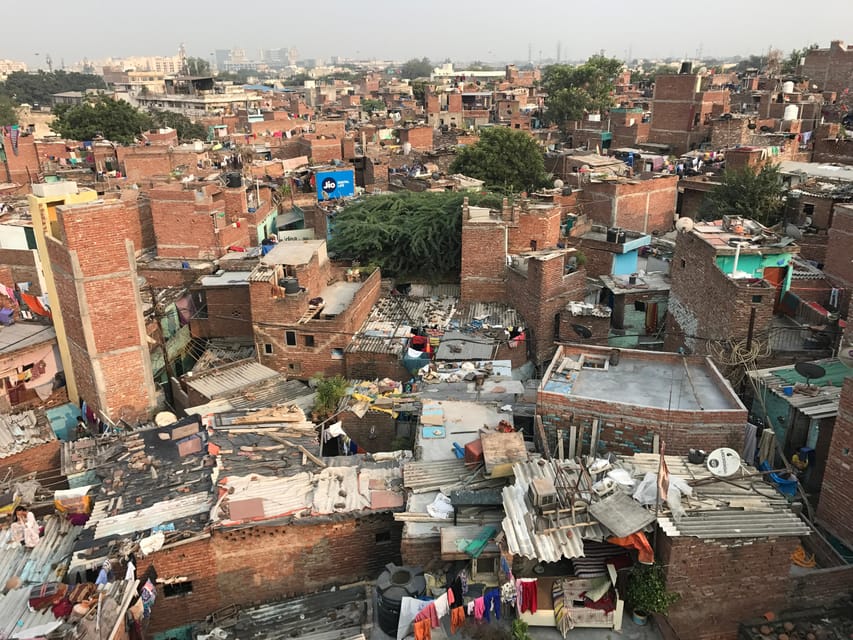
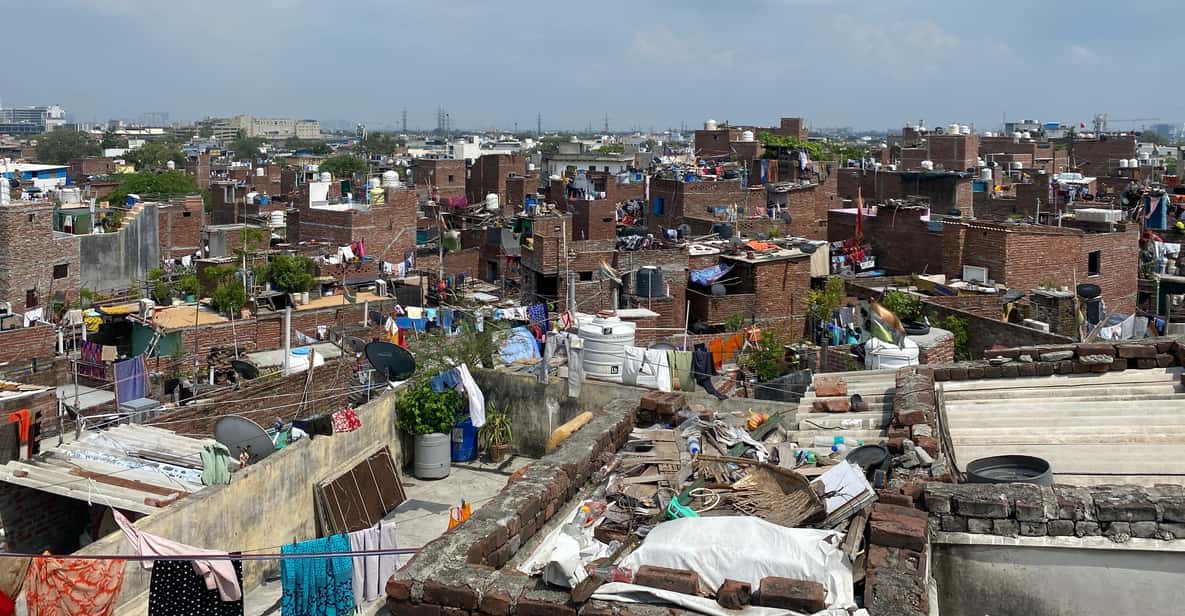
Sanjay Colony is home to roughly 60,000 people, and that scale shows up in the streets quickly. Your guide leads you through the area to understand daily joys and hardships in a densely populated informal settlement.
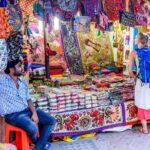
You’ll see how people earn a living, including work in the clothing industry. That’s one of the “this is how work actually happens” moments, where you stop thinking in abstractions and start thinking in routines—what people do, when they do it, and what skills matter.
Then comes a household visit. This is where the tour shifts from street-level explanation to home-life context—how people live, what day-to-day comfort looks like, and what constraints shape choices. You’re not there to judge. You’re there to listen and ask careful questions.
A big theme throughout is practical challenge. You’ll learn about day-to-day obstacles like finding water and dealing with issues related to electricity and hygiene. The guide can point to how those problems affect the schedule of a normal day, not just how they sound in theory.
Tip for you: ask questions that start with what a person does, not what they lack. It keeps the conversation grounded.
Faith in daily life: how a temple shapes routines
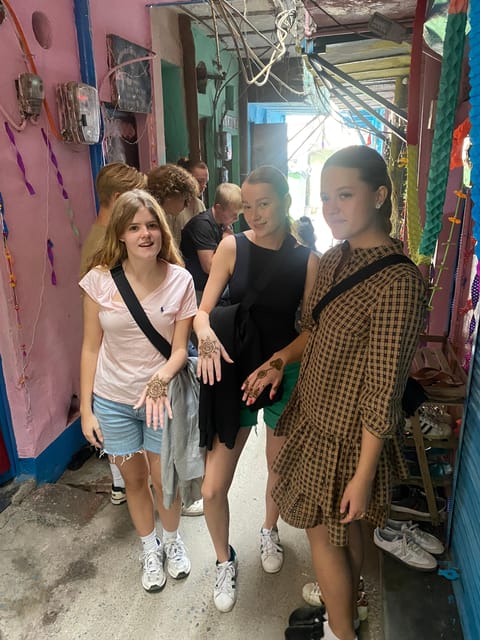
A temple visit is part of the route, and it’s not just a photo stop (and you should expect that you won’t be photographing inside). Instead, it’s about understanding the role of faith in people’s lives.
This stop helps you see something easy to miss when you’re focused only on infrastructure and challenges. Faith can be a community anchor, a source of comfort, and a way to keep routines steady even when life is hard.
If you’ve ever wondered how spirituality functions in everyday decision-making—who people lean on, how they cope, how they mark time—this is where your guide can connect the dots. You’ll likely walk away with a more balanced view of community life, because the tour doesn’t reduce residents to “problems to solve.”
A quick pause for views: when the route gives perspective
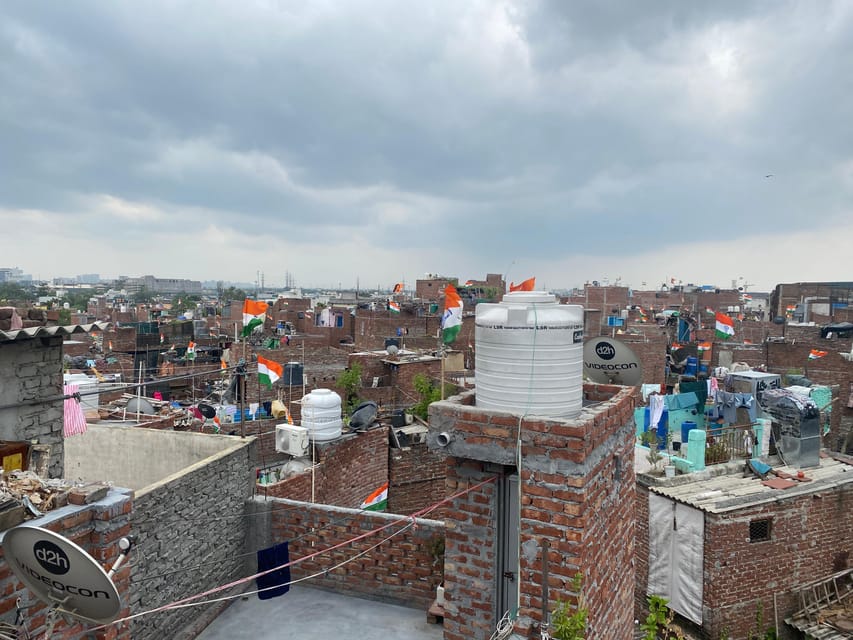
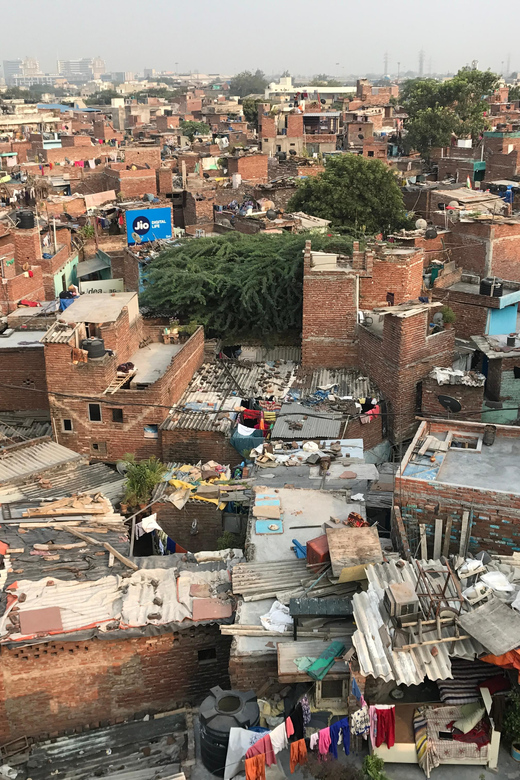
Along the way, you’ll take in scenic views on the way during a short viewpoint window. It’s brief, but it matters because it breaks the intensity of walking through crowded streets.
For me, the best tours include at least one moment where your brain can reset and you can get geographic perspective. You can understand the area’s density and layout better, and the rest of the tour makes more sense after that.






Learning by Locals: turning the conversation into support
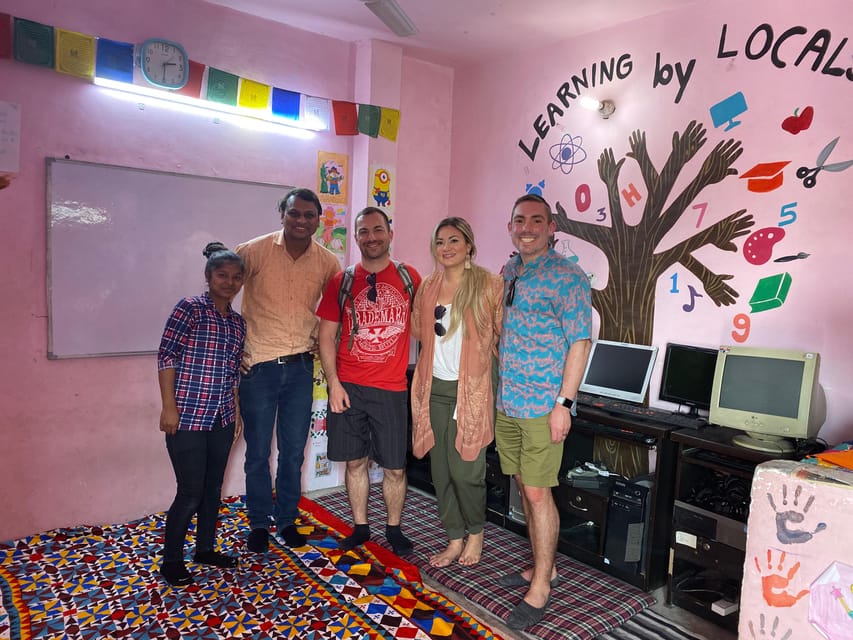
The final informational stop connects to Learning by Locals, the non-profit working in the slum. You’ll learn how the project relates to education and youth support, and it’s also where the tour makes its ethics concrete.
The tour states that 50% of profits go back to Learning by Locals. That doesn’t magically fix anything, but it does mean your ticket isn’t just an outside look. It’s tied to a local education effort.
This is also where the human side comes through strongly in how guides talk about the work. In past departures, the team has included people like Salman (a volunteer who explains life and survival in his free time) and coordinators such as Pradeep. Some guides, like Shiva, have led groups while sharing local context.
Even if you don’t meet the same individuals, the point is consistent: the tour is designed to connect you with local action, not just local hardship.
What the tour includes—and why $19 can make sense
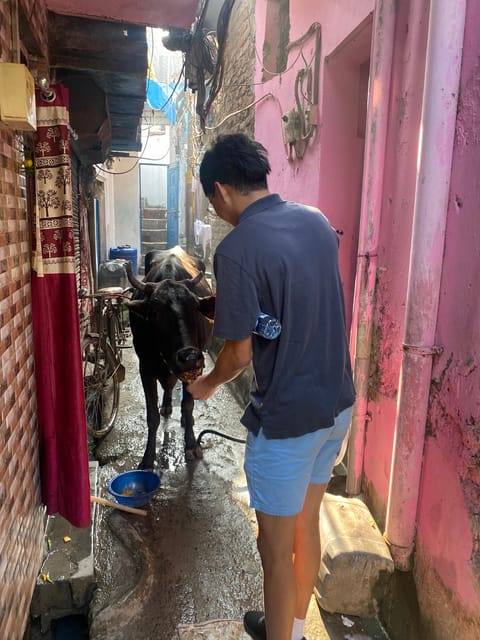
At $19 per person for about 1.5 hours, you’re paying for two things: guided interpretation and included basics. You get local tea and a bottled water, plus the time and effort of a local English guide.
This isn’t a “transport to a viewpoint” type of price. It’s paying for conversation, context, and access to real places—plus the stated profit-sharing with the Learning by Locals non-profit.
Small group size also affects value. When the limit is kept to a handful of participants, your guide can actually answer questions instead of racing through facts. That’s usually the difference between a superficial look and a tour that stays meaningful for the whole hour.
If you’re watching your budget in New Delhi, this is one of the more affordable ways to focus on education and everyday life rather than just sights.
Practical etiquette: how to get the most out of a respectful visit
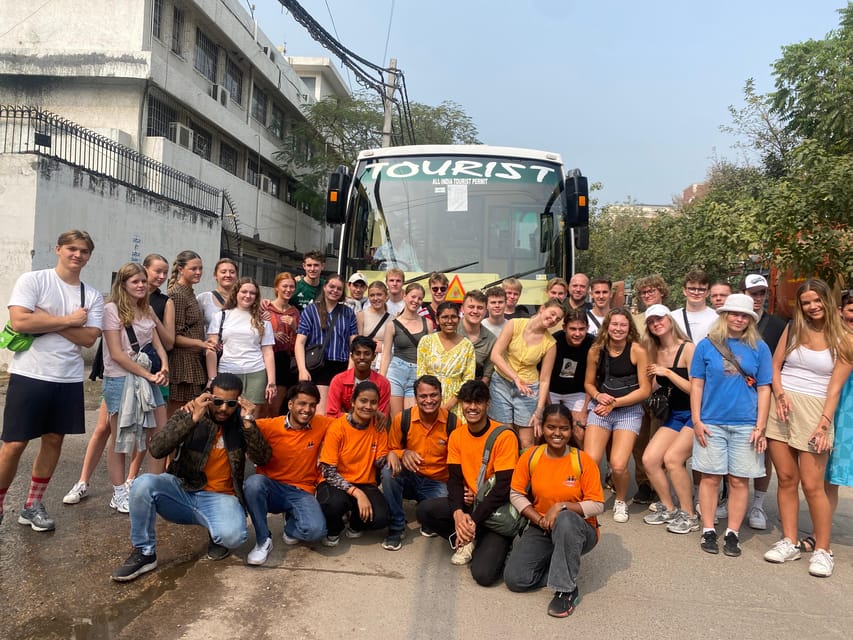
This tour is about people, not scenery. A few ways to help the experience go smoothly:
- Wear comfortable shoes. You’ll be walking through a dense area for about 90 minutes.
- Keep your tone curious and respectful, especially during household and faith stops.
- Remember the rule: no photography inside. That’s the sort of boundary that keeps the community’s dignity protected.
- Bring a few questions ready in your head. Since the tour is short, you’ll get the best answers when you ask what you truly want to understand.
Also, go in expecting direct realities around water, electricity, and hygiene. That can be emotional. You don’t have to pretend it’s pleasant. What helps is recognizing that the tour is trying to show complexity, including resilience and normal routines, not just hardship.
Who should book this New Delhi slum tour (and who might skip)
This is a good fit if you want a guided ethical New Delhi experience that focuses on education, daily life, and faith, with enough time to ask questions. It’s also a solid choice for visitors who care about where money goes, not just what you see.
It may be a poor fit if you need wheelchair access (it’s not suitable for wheelchair users) or if you’re over 95 years old. If you’re very uncomfortable in crowded places or you strongly prefer traditional monuments over human-scale experiences, you might find the tone too intense for your travel style.
If you’re going with kids, stick to your own judgment. The tour is short, but it’s still directly about real living conditions and household and temple contexts.
Should you book it?
I think you should book this tour if you want a short, guided, conversation-based way to understand Sanjay Colony through education and everyday routines, with tea included and money tied back to Learning by Locals. The route is focused, the group size is intended to stay small, and you leave with clearer context—not just photos.
Skip it if you can’t handle the no-photography-inside rule or you’d rather spend your limited time on sightseeing that doesn’t require you to engage with people’s real daily challenges.
If you decide to go, treat it like a chat with the neighborhood, not a spectacle.
FAQ
Where do I meet the guide?
You meet at Harkesh Nagar Okhla Metro station outside gate number 2.
How long is the tour?
The duration is 1.5 hours.
What does the tour cost?
It costs $19 per person.
Is the guide available in English?
Yes, the live tour guide is available in English.
What’s included in the price?
Local tea, a water bottle, and a local guide are included.
What do you visit during the tour?
You explore Sanjay Colony, learn about the education system and see a public school from the outside, visit a temple, see aspects of work in the clothing industry, and visit a household. You also visit Learning by Locals.
Is photography allowed?
Photography inside is not allowed.
How big is the group?
The tour is a small group with a limit of 6 participants.
Is it accessible for wheelchair users or very elderly visitors?
It is not suitable for wheelchair users, and it is not suitable for people over 95 years.
Can I cancel and get a refund, and do I pay upfront?
You can cancel up to 24 hours in advance for a full refund. You can also reserve now and pay later.
Where does the money go?
The tour states that 50% of profits go back to the non-profit in the slum called Learning by Locals.