Old Delhi looks totally different when you’re rolling through it. This 3-hour group rickshaw tour gives you expert local guidance plus English audio headsets so you can keep up with the sights, not your map app. One thing to plan for: there’s no hotel pickup, so you’ll need to get yourself to the meeting point near Red Fort.
I especially like the way the tour mixes major landmarks with the quieter back streets. You’ll pass or enter places like Jama Masjid and the Red Fort area, then keep rolling into temples, mosques, and bazaars with live commentary from the guide.
In This Review
- Key things that make this Old Delhi rickshaw tour worth it
- Rickshaw comfort and safety in the middle of Old Delhi
- The meeting point near Red Fort (and why you should confirm)
- The core route: monuments, worship places, palaces, and markets
- Historic monuments you’ll see: Jama Masjid, Red Fort area, Town Hall
- Worship places: a concentrated lesson in everyday faith
- Palaces and mansions: Begum Shamroo and Gadodiya
- Khari Baoli to Chandni Chowk: shopping streets that make you stop mid-ride
- Khari Baoli spice market: the smell-first stop
- Chandni Chowk and the moonlit square idea
- Kinari bazaar, Dariba kalan, Ballimaran: special-purpose streets
- The haveli visit: where Old Delhi architecture stops being abstract
- Snack stops and food tasting you can plan around
- How the guide and headsets improve the whole experience
- Time on the clock: plan your day with the 3-hour rhythm
- Price and value: what $56.67 buys you
- Who this tour is best for
- Should you book this Old Delhi rickshaw tour?
- FAQ
- What is the duration of the Old Delhi group rickshaw tour?
- How many travelers are on this tour?
- Where is the meeting point, and where do we end?
- Is hotel pickup and drop-off included?
- What’s included with the tour price?
- Are tickets mobile or paper?
- Does the tour include a haveli visit and historical context?
- Can children participate?
- Is the tour refundable if I cancel?
Key things that make this Old Delhi rickshaw tour worth it
- Max 10 travelers means you’re not lost in a crowd
- Wireless headsets help you actually hear the guide while moving
- Rickshaw ride with the puller included keeps the experience practical, not staged
- Food tastings + tastable stops make the “what do we eat here?” question easy
- A haveli visit adds architecture context beyond monuments and markets
- A complimentary history-focused book helps you connect what you’re seeing with the story behind it
Rickshaw comfort and safety in the middle of Old Delhi
Old Delhi traffic and lane changes can feel intense from the sidewalk. The smart part of this tour is that you’re seated in a safe, comfortable rickshaw while an English-speaking host coordinates the pace. You’re not just sightseeing—you’re getting through the area with local timing and local judgment.
The other big win is the way you hear the guide. Instead of shouting over traffic, you get headsets with live commentary. That means you can relax your attention and listen while the rickshaw moves—especially useful when you’re steering through narrow lanes.
The tour is also designed for “walk-in and go” sightseeing. You meet in a clearly defined spot near Chandni Chowk and Red Fort, and you finish back at the same place. No switching plans mid-day.
You can also read our reviews of more tours and experiences in New Delhi.



The meeting point near Red Fort (and why you should confirm)
You start near Charity Birds Hospital, right next to Shri Digambar Jain Lal Mandir, opposite Red Fort, in the Chandni Chowk area. It’s a good location because it’s close to where Old Delhi sightseeing naturally clusters.
Here’s the practical consideration: Old Delhi is big, busy, and very particular about exact corners. Before you go, confirm the meeting time and the meeting location details so you’re not wandering while everyone else is already rolling.
The core route: monuments, worship places, palaces, and markets
This tour works because it keeps the day structured. You’re not bouncing randomly—you’re moving in a loop that takes you from major public landmarks to religious sites, then into classic commercial streets where daily life is on full display.
Your guide drives past some stops and takes you inside others. That matters because it changes what you get from each place: inside stops give you a sense of space and design; drive-pasts keep momentum when the streets are too tight for extended walking.
Historic monuments you’ll see: Jama Masjid, Red Fort area, Town Hall
You’ll encounter several anchor landmarks that define Old Delhi’s skyline and civic identity. Jama Masjid Mosque is one of those stops that helps everything else make sense. Even if you’re not a “mosque expert,” you’ll understand how central religious spaces shaped how people gathered and lived around them.
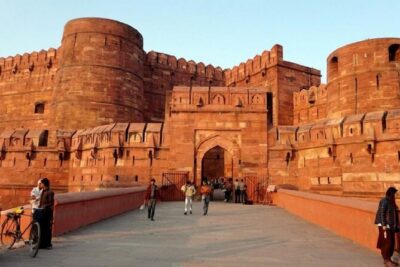
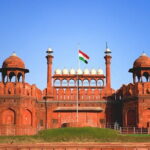
You’ll also pass the Red Fort area, plus Town Hall. These are the kinds of places that look like “history buildings” from a distance, but on the ground they feel more like active landmarks in an ongoing city.
Worship places: a concentrated lesson in everyday faith
Old Delhi’s identity isn’t one religion or one style of architecture. During this tour you’ll see a mix of Hindu, Jain, Christian, Muslim, and Sikh places—some entered, some viewed as you move through the neighborhood.
Expect stops that include:
- Gauri Shanker Hindu Temple
- Digamber Jain Temple
- Christian Baptist Church
- Fatehpuri Mosque
- Gurudwara Sis Ganj
This is one of the tour’s real strengths. Instead of treating religion as a single “sight,” you see it as part of the street rhythm—different worship spaces, different crowds, and different architectural cues that explain the neighborhood.






Palaces and mansions: Begum Shamroo and Gadodiya
You’ll also take in Begum Shamroo Palace and Gadodiya Palace. These stops add variety after the high-energy streets. Palaces and mansions help you see that Old Delhi wasn’t only bazaars and mosques—it had elite residences and distinctive design choices too.
Khari Baoli to Chandni Chowk: shopping streets that make you stop mid-ride
The market portion is where the tour becomes more than “tour facts.” You’re in lanes that still function as commercial streets, and you’ll get a close-up view of how vendors display goods.
Khari Baoli spice market: the smell-first stop
Khari Baoli is the Asia-scale spice market on the route. Even if you’ve seen spice markets elsewhere, this one has a reputation for a reason. The guide’s commentary and the group pace help you observe without getting overwhelmed.
Chandni Chowk and the moonlit square idea
You’ll also pass through Chandni Chowk—literally associated with the idea of the moonlit square. On this kind of street, the meaning isn’t just poetic. It’s visible in how the market layouts pull people in and how the area stays active through the day.
Kinari bazaar, Dariba kalan, Ballimaran: special-purpose streets
The tour’s market stops are deliberately “focused,” not just one generic shopping street. You’ll move past or into areas such as:
- Kinari bazaar (traditional outfits and wedding market focus)
- Dariba kalan (silver street)
- Ballimaran (bangles and footwear)
That specificity is helpful. It means you can connect what you see with what the street sells, instead of feeling like you’re floating through a shopping blur.
The haveli visit: where Old Delhi architecture stops being abstract
One of the most satisfying parts of this tour is the visit to a haveli—an old mansion—featuring original Mughal architecture. This stop gives you a change of pace from street-level viewing.
Havelis tend to reward you for slowing down and looking closely: the way buildings open up, how ornament connects to daily life, and how design choices shape movement through space. Even if you’re rushing, the guide’s pacing and explanations help you notice details you might otherwise miss.
Snack stops and food tasting you can plan around
Food is built into the experience. You’ll sample snacks from the kinds of centuries-old shops that still serve signature Old Delhi dishes. If you’ve ever worried that a tour will skip food or only offer a token taste, this one addresses that head-on.
Included in the day are famous Old Delhi snacks, plus aerated drinks and bottled water. That’s practical value, because Old Delhi can make it hard to find a reliable refreshment stop at exactly the wrong moment.
The other nice detail: since you’re in a small group, the food schedule feels controlled instead of chaotic. You’re not waiting forever while everyone figures out where to stand or what to order.
How the guide and headsets improve the whole experience
The tour lives or dies by the guide’s ability to interpret what you’re seeing while you’re still moving. The quality here is clear in the guide experience—Ritu has been highlighted for being attentive and for answering questions in clear English. You can tell the commentary is meant to make the route feel understandable, not just busy.
With wireless headsets, you’re not stuck doing the classic tourist trick—looking at a landmark while straining to hear a guide from 20 feet away. Instead you can keep your eyes on the architecture and street life and let the narration do the heavy lifting.
This is also where the tour’s structure helps. When you’re rolling through a maze of lanes, it’s easy to lose orientation. Hearing the guide in your ear helps you keep a sense of where you are and why that stop matters.
Time on the clock: plan your day with the 3-hour rhythm
The tour runs about 3 hours. That’s a sweet spot in Old Delhi. Long enough to see major landmarks, multiple religious sites, key markets, and the haveli stop—short enough that you’re not wiped out for the rest of the day.
It’s also a group tour with limited capacity (up to 10 people), so you get some breathing room. You’ll want to arrive at the meeting point ready to go at the scheduled start, since there’s no hotel pickup buffer.
Price and value: what $56.67 buys you
At $56.67 per person, the value comes from what’s included, not from “cheap rickshaws.” You get:
- Entrance fees (so you’re not paying on the spot for the big stops)
- Rickshaw ride with the puller
- Food tasting
- A haveli visit
- Bottled water and aerated drinks
- Headsets for clear live commentary
- An English-speaking guide
- Group transmission systems with ongoing narration
Add it up and it’s not just transport. It’s guided interpretation, entry access, and basic refreshments rolled into one price. For many first-timers, that’s what turns Old Delhi from a confusing place into a readable place.
Who this tour is best for
This is a strong fit if you want:
- A guided way to see major Old Delhi landmarks
- A safe, comfortable way to handle traffic without bouncing between taxis
- A mix of temples, monuments, markets, and a haveli rather than one theme
It’s also a good choice for solo travelers, couples, and small groups who want structure without feeling trapped in a large bus crowd.
The one group to think about carefully: if you’re expecting a private, totally flexible route with lots of downtime for lingering, this is a small-group tour with a set flow. You’ll be moving along the plan.
Should you book this Old Delhi rickshaw tour?
Book it if you want Old Delhi to feel organized: rickshaw transport, clear narration through headsets, and a route that hits the big markers and the everyday streets that most people miss. The combination of monuments, worship places, and markets—plus the haveli and food—makes it a solid “first exposure” day.
Skip it only if you strongly prefer unguided wandering, or if the lack of hotel pickup would be a deal-breaker for your schedule. If you can handle a meeting point near Red Fort and you’re ready to ride for about 3 hours, this tour is a practical way to understand Old Delhi without guessing.
FAQ
What is the duration of the Old Delhi group rickshaw tour?
The tour lasts about 3 hours.
How many travelers are on this tour?
The group size is capped at a maximum of 10 travelers.
Where is the meeting point, and where do we end?
You meet at Charity Birds Hospital next to Shri Digambar Jain Lal Mandir, opposite Red Fort, in the Chandni Chowk area (Delhi 110006, India). The tour ends back at the same meeting point.
Is hotel pickup and drop-off included?
No. Hotel pickup and drop-off are not included.
What’s included with the tour price?
Included items cover all taxes/fees, bottled water, food tasting, entrance fees, rickshaw ride with the puller, a haveli visit, aerated drinks, headsets for clear listening, and an English-speaking guide with live commentary.
Are tickets mobile or paper?
A mobile ticket is provided.
Does the tour include a haveli visit and historical context?
Yes. You’ll visit a haveli with original Mughal architecture, and you also receive a complimentary book drafted with help from experts in Indian history.
Can children participate?
Children must be accompanied by an adult. Most travelers can participate.
Is the tour refundable if I cancel?
No. This experience is non-refundable and cannot be changed for any reason.