REVIEW · NEW DELHI
Private Custom Luxury Golden Triangle Tour
Book on Viator →Operated by Travelosei · Bookable on Viator
Golden Triangle can feel chaotic. This one is built around private timing and a dedicated manager who keeps the days moving without the usual guesswork.
I especially love the sunrise Taj Mahal plan, because it puts you inside the marble magic before the crowds swell, and your guide can help you get in smoothly. I also like the human touch from guides such as Babar and Javed Khan, who were praised for being clear, patient, and very good at making the big sights feel easy to navigate.
One real consideration is pacing: you’re doing early starts and long road stretches (like Delhi to Agra and then back through Jaipur), so if you want slow travel, this itinerary may feel like it has places to be.
In This Review
- Key highlights you’ll actually care about
- Price and what this tour is really buying you
- Day 1 in Delhi: Red Fort, Jama Masjid, Chandni Chowk, and Qutub Minar
- Quick reality check
- Day 2: Humayun’s Tomb, drive-by Delhi icons, then Agra and sunset Agra Fort
- Day 2 tip
- Day 3: Sunrise Taj Mahal, Fatehpur Sikri, Buland Darwaza, and Abhaneri stepwells to Jaipur
- A guide-related note worth your attention
- Day 4 in Jaipur: Amber Fort elephant ride, Jal Mahal reflections, Hawa Mahal, City Palace, Jantar Mantar, Albert Hall
- Day 4 note
- Day 5: Nahargarh and Jaigarh fort views, then back to Delhi
- Practical tip for the last day
- What makes this feel private and custom (not just a bus tour)
- Comfort, tickets, and the no-tipping stress remover
- Should you book this Golden Triangle tour?
- FAQ
- What cities does this Private Custom Luxury Golden Triangle Tour include?
- How long is the tour?
- Is pickup from the hotel included?
- Are monument tickets included?
- Are meals included?
- Is tipping required?
- Do I need a mobile ticket?
- What is not included in the price?
- How does cancellation work?
- Is this a private tour?
- What kind of transport do I get?
Key highlights you’ll actually care about

- Sunrise Taj Mahal with included admission and an early meeting rhythm
- Private car with a tour manager so you’re not figuring out routes or ticket lines on your own
- Monuments handled end-to-end with many entry tickets included
- Old Delhi in a single run: Red Fort, Jama Masjid, Chandni Chowk, then Qutub Minar
- Agra Fort and Baby Taj timing set for strong late-day viewing
- Jaipur sights grouped smartly: Amber, Hawa Mahal, City Palace, Jantar Mantar, plus Albert Hall
Price and what this tour is really buying you
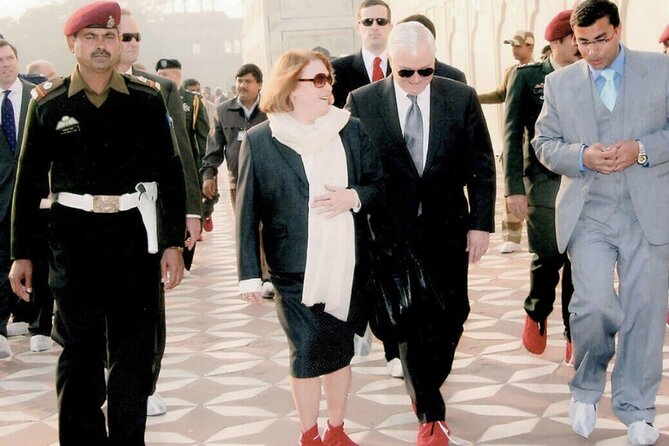
At $1,700 per person for about 5 days, you’re not just paying for transport and tickets. You’re paying for reduced friction: someone meets you at the hotel, manages the day, and handles the parts that can turn a trip stressful.
Here’s what you get that helps justify the cost if you value convenience:
- Private, air-conditioned vehicle and private transportation throughout
- Parking, tolls, fuel, and driver allowance covered
- Many monument tickets included, plus a clear admission/free split as the day goes
- Meals are largely taken care of: 5 breakfasts and 5 lunches are included
- No tipping required, since gratuities are included
If you’re the type who hates hunting for tickets, negotiating transport, or trying to translate directions at the last minute, this kind of structure pays off. If you travel best by wandering freely with no schedule pressure, you may find the fixed flow limits your freedom.
You can also read our reviews of more private tours in New Delhi



Day 1 in Delhi: Red Fort, Jama Masjid, Chandni Chowk, and Qutub Minar
Day 1 is built for contrast: Mughal-era power, old-city religion, street-level shopping energy, then a UNESCO tower stop that anchors the skyline.
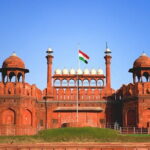
You start with Red Fort, driven to first and guided on site for about an hour. Admission is included, and this matters because Red Fort can be one of those places where tickets and timing can snag your day. From there you head to Jama Masjid, close by, and admission is free. Your tour manager walks you through what you’re seeing and gives you the story behind it, so you’re not just snapping photos and moving on.
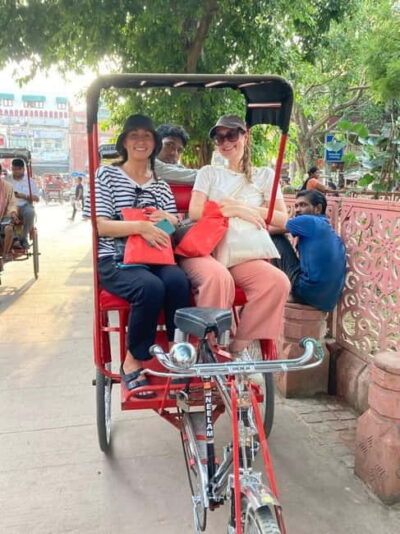
Next comes Chandni Chowk and its surrounding market blocks. You’ll spend time wandering shops and eating spots, and the itinerary includes a rickshaw ride. I like this stop because it forces you to slow down just enough to feel the old-city texture. The one word of warning is practical: rickshaws can feel frantic if you’re not used to tight traffic, so keep your posture relaxed and don’t fight the motion.
Finally, you end with Qutub Minar, a UNESCO World Heritage Site. It’s a great way to close the day because it’s tall, detailed, and easy to turn into a photo walk. Admission is included here too, which keeps the day from turning into a payment scavenger hunt.
Quick reality check
This is a full sightseeing day in Old Delhi. Comfortable shoes help. If you’re sensitive to crowds, you’ll want to keep your expectations flexible, especially during the Chandni Chowk portion.
Day 2: Humayun’s Tomb, drive-by Delhi icons, then Agra and sunset Agra Fort

Day 2 shifts from Delhi’s heritage into a travel-and-sight day with a classic Golden Triangle pivot: Agra.
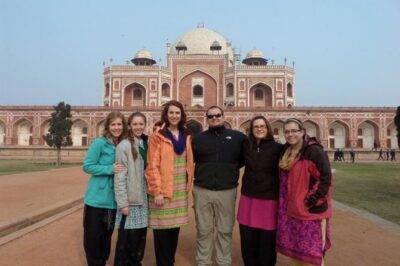
You begin with Humayun’s Tomb, about an hour and ticket included. It’s often the “prequel” many people miss when they’re laser-focused on the Taj Mahal later. That’s why I like starting here. You get the Mughal design language first, then the Taj makes more sense when you reach it.
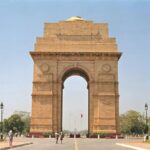
After that, you do a drive through central Delhi with India Gate and Parliament House and views of President House. The nice part is that you get context from the vehicle and don’t have to constantly hop out. It saves time and energy, and you still see the layout and the scale of key government landmarks.
Then it’s road time: you travel to Agra via the Yamuna Expressway, about 3 hours. Once you arrive, a representative handles hotel check-in, and you get lunch and rest before the afternoon sightseeing.
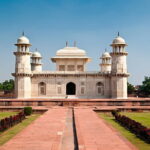
In the late afternoon, you visit Itmad-ud-Daulah (Baby Taj) around 1530 hrs. Admission is included. This stop is a strong breather because the setting is calmer than the busiest monuments, and it gives you another lens on Mughal craftsmanship.
You finish at Agra Fort, with entry included. The plan leans toward sunset views, and that’s smart. Fort walls and sandstone tones tend to look their best when the light softens, and it’s a good send-off into the evening.
Day 2 tip
If you’re photo-focused, ask your tour manager when the light will be best at Agra Fort. The sunset timing is built in, but angles can make a difference.
You can also read our reviews of more tours and experiences in New Delhi






Day 3: Sunrise Taj Mahal, Fatehpur Sikri, Buland Darwaza, and Abhaneri stepwells to Jaipur
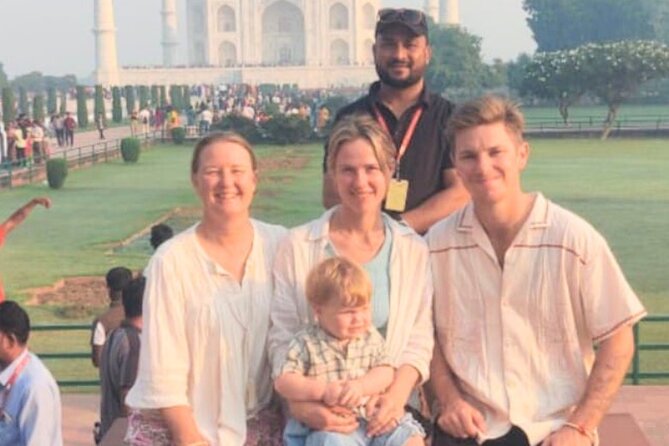
This is the day that makes or breaks the whole trip. The reason is simple: the itinerary includes a sunrise Taj Mahal tour with included admission, and that’s a very different experience than arriving later.
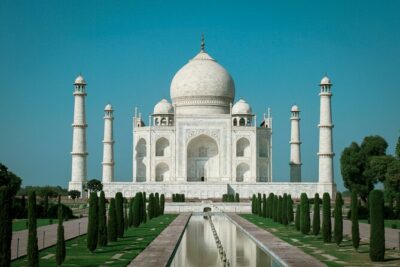
You’ll meet your tour manager based on sunrise timings. The plan is about an hour and a half, and you’re there early enough to catch the marble in the first light. The best part of a sunrise approach isn’t just fewer people. It’s how the monument feels calmer, more focused, and easier to “read” visually.
After Taj Mahal, you drive toward Jaipur. On the way, you visit Fatehpur Sikri with Buland Darwaza. This is one of those stops that gives you a sense of empire-level ambition. Admission is included, and the time slot is short enough that you won’t feel trapped, but long enough to get the main idea.
Next is Chand Baori in Abhaneri, a famous stepwell. Admission is included and the visit is about 45 minutes. If you like geometry and repeating patterns, you’ll get a kick out of it. Stepwells also work as a contrast to palace and fort stops because the architecture feels functional and clever at the same time.
Then you reach Jaipur, with hotel check-in time built in. You’ll have a couple of hours to settle and enjoy the property.
A guide-related note worth your attention
In the experience reports I reviewed, Babar was praised for saving significant time at the Taj Mahal and even helping secure a table at a fully booked setting with a view. That kind of detail is exactly what turns a sunrise monument from a checklist item into a smoother, more memorable moment.
Day 4 in Jaipur: Amber Fort elephant ride, Jal Mahal reflections, Hawa Mahal, City Palace, Jantar Mantar, Albert Hall
Jaipur is packed, but this itinerary groups the “signature Jaipur” stops in a sensible order, moving from fort views to palace streets to science-in-stone.
The day begins at Amber Fort (Amer Fort) with an elephant ride included. Admission is included and the stop is about 1.5 hours. Amber is UNESCO-listed, and the itinerary is set up so you don’t just see the gates—you explore the fort complex and the details that make it special. The elephant ride is a key piece here, so if you prefer not to include animal rides in your travel, this is the day to think carefully.
Next is Jal Mahal, the water palace. You’ll admire the reflections in Man Sagar Lake and spend about 30 minutes here. Admission is free. I like this stop because it offers a pause between louder attractions, and it gives your eyes a break from crowds and walls.
Then you move to the icon that most people picture instantly: Hawa Mahal (Palace of Wind). Admission is included and the visit is about 45 minutes. It’s a good spot for close-up photography and for learning why the design looks the way it does. After that, you head to City Palace of Jaipur, admission included for about 1.5 hours. City Palace works well with a guide, because it’s a complex of courtyards and rooms, and it’s easy to get lost if you don’t know what to focus on.
You then visit Jantar Mantar, another UNESCO site and one of the world’s most striking observatories. Admission is included and it takes about 45 minutes. The itinerary’s description focuses on measuring time and predicting, which helps you see the instruments as tools instead of decorative oddities.
Finally, you end with Albert Hall Museum. Admission is included and it’s about an hour. This stop is a nice pivot if you want culture that isn’t only forts and palaces. The museum’s art and artifacts help connect Jaipur’s visuals with the wider story of Rajasthan.
Day 4 note
This is the longest “things to see” day. You’ll feel it at the end. Take water seriously, pace your photos, and let your tour manager steer you to the best viewing angles.
Day 5: Nahargarh and Jaigarh fort views, then back to Delhi
The last day in Jaipur keeps the focus on viewpoints and fort power, then closes the loop with the return drive.
You start with Nahargarh Fort, about an hour and ticket included. From up here you get views over the city and the terracotta-colored look people associate with Jaipur. It’s a strong “last look” fort because it changes the perspective from inside-palace angles to city-scale views.
Next is Jaigarh Fort, about an hour and ticket included. The itinerary highlights Jaigarh’s role as a canonical foundry and points out the world’s largest wheeled cannon on display. If you like big engineering and military history without needing to be a specialist, this stop is easy to appreciate.
Then it’s back to Delhi, using the Western Peripheral road, and you should be back within about 3 hours.
Practical tip for the last day
Your energy can dip after two straight days of major sights. Keep your camera ready but don’t try to “win” the day with 200 photos. Fort viewpoints are best when you actually look, not just shoot.
What makes this feel private and custom (not just a bus tour)
The itinerary reads like a clear plan, but the private part matters most in how the day runs.
You have:
- A tour manager meeting you at the hotel lobby and moving with your group
- A private A/C vehicle, so you can handle Delhi traffic without constant re-routing
- Tickets and key admissions handled, including many included monuments
- A concierge available 24 hours a day, 7 days a week, in person or by phone
From the guide names and praise in the experience reports I reviewed, the “real” value is how guides manage attention and flow. People mentioned Babar being efficient at the Taj, and Javed Khan being patient and guiding smoothly through Taj Mahal and Agra Fort. There was also positive feedback about Amit doing an excellent job around the Taj area.
Even if you don’t get the same guide, the model is consistent: you’re meant to have someone who can explain what you’re seeing and keep the day moving with fewer friction points.
Comfort, tickets, and the no-tipping stress remover
I like that this tour reduces the small annoyances that pile up on long trips.
- Gratuities are included, backed by the stated no-tipping policy
- Parking fees and toll taxes are included
- Monument Tickets are included for many stops
- Breakfast and lunch are included each day (5 each)
- You get mobile tickets and pickup is offered
That means you can spend mental energy on sights instead of payments. It also helps with decision fatigue. When you don’t have to ask what costs extra, you can just follow along.
The one practical drawback: since dinner, alcohol, and cocktails are not included, you’ll want a simple plan for evenings. Some travelers like to eat immediately near their hotel. Others prefer to ask the tour manager for suggestions, since you’ll likely have a language and logistics advantage.
Should you book this Golden Triangle tour?
Book it if you want:
- A 5-day Golden Triangle with major sights in Delhi, Agra, and Jaipur
- A schedule managed for you, including many admissions
- A smoother experience around top hits like Taj Mahal at sunrise
- Fewer decisions about transport, tickets, and basic costs
Skip or consider alternatives if:
- You hate early mornings and long drive days and want more unstructured time
- You strongly prefer avoiding any animal ride element, since elephant ride is included at Amber Fort
- You’re expecting a truly hands-off luxury level where every service detail feels perfect. This tour is positioned as luxury bespoke, but premium experiences only stay good if the local service matches the promise, so ask direct questions at booking.
If you’re flexible on pace and you value guidance plus convenience, this is a solid way to do the Golden Triangle without losing your day to logistics.
FAQ
What cities does this Private Custom Luxury Golden Triangle Tour include?
It focuses on New Delhi, Agra, and Jaipur as part of a Golden Triangle route.
How long is the tour?
The duration is listed as approximately 5 days.
Is pickup from the hotel included?
Yes, pickup is offered and your tour manager meets you at your hotel lobby.
Are monument tickets included?
Many monument entries are included, with specific stops noting admission tickets included or free admission.
Are meals included?
Yes. The tour includes 5 breakfasts and 5 lunches. Dinner is not included.
Is tipping required?
No. The tour lists a no-tipping policy and says gratuities are included.
Do I need a mobile ticket?
Yes, the tour includes mobile ticket use.
What is not included in the price?
GST (Goods and Services Tax) is not included, and personal expenses, shopping, dinner, and alcohol/cocktails are also not included.
How does cancellation work?
Free cancellation is offered. You can cancel up to 24 hours in advance for a full refund; within 24 hours, there is no refund.
Is this a private tour?
Yes. It’s a private tour/activity, and only your group participates.
What kind of transport do I get?
You get an air-conditioned vehicle and private transportation for the route between stops.