REVIEW · NEW DELHI
Old Delhi’s Belly
Book on Viator →Operated by Street Tours India · Bookable on Viator
A maze of smells, sounds, and shortcuts. Old Delhi’s Belly mixes walking and bicycle rickshaw time so you feel the energy of Chandni Chowk without getting swallowed whole. I love the way the tour keeps things slow-paced and guided, so you know what you’re seeing as you weave through the market lanes. I also love the focus on spices—Khari Baoli is the main event—and how you get practical context for what you’re tasting and buying. One thing to consider: this area is busy and active, so if you hate crowds or strong smells, you may want to pace yourself during the markets.
With Street Tours India, the plan is built around a simple rhythm: start in Old Delhi, hit a famous temple stop, then ride and walk through the loud, crowded street life, and finish back where you started at RK Ashram. You’ll be with a maximum of 6 people, which helps the guide keep an eye on the pace. The tour includes snacks and a water bottle, but if you want to sample street food, you’ll pay extra.
In This Review
- Key things that make Old Delhi’s Belly worth your time
- Price and logistics: what $50 buys you in real terms
- Entering Old Delhi with a rickshaw-and-walk plan that actually works
- Chandni Chowk: the market lanes you’ll feel in your legs and nose
- Khari Baoli: how the spice market becomes a buying and tasting lesson
- That temple stop: a calm reset inside the loud streets
- Chai sipping and a rooftop respite before lunch
- Guide matters: why Santan is a standout name to look for
- Small group size and the comfort of a 3.5-hour timebox
- What’s included, what costs extra, and how to plan your spending
- Who should book Old Delhi’s Belly
- Should you book Old Delhi’s Belly with Street Tours India?
- FAQ
- How long is Old Delhi’s Belly?
- What stops are included?
- What time does the tour start?
- Where does the tour start and end?
- What’s included in the price?
- Is free cancellation available?
Key things that make Old Delhi’s Belly worth your time

- Small group size (max 6) keeps the tour personal and easier to manage through tight lanes
- Bicycle rickshaw + walking lets you see more without tiring out early
- Chandni Chowk first gives you orientation in the busiest lanes of Old Delhi
- Khari Baoli spice market is the hands-on centerpiece for spices and buying
- Santan’s guided spice and alley explanations make the experience make sense, not just look chaotic
- Snacks and water included, plus optional street-food costs if you feel brave
Price and logistics: what $50 buys you in real terms
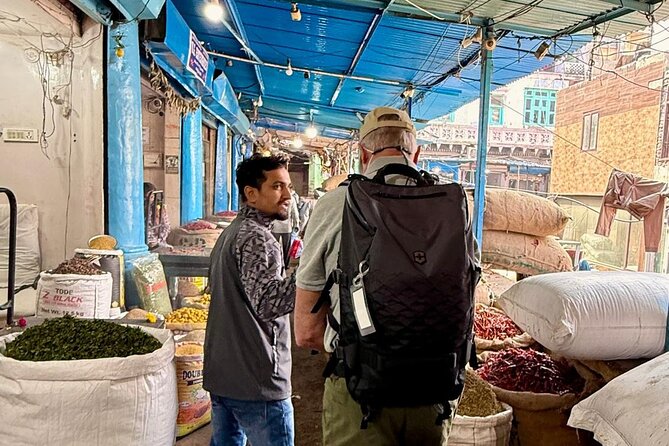
This tour runs about 3 hours 30 minutes and costs $50 per person. For central Old Delhi, that price feels fair because you’re not just paying for transport—you’re paying for someone to steer you through a maze safely, explain what you’re seeing, and keep the pace workable in intense market surroundings.
You also get a few practical perks that matter once you’re in the neighborhood. It’s a mobile ticket, so you’re not hunting for paper. The tour ends back at the meeting point, so you’re not stuck figuring out how to exit the area after you’ve had your fill. And since it’s near public transportation, you can actually build the rest of your day without making Old Delhi your whole travel day.
Timing tip: the experience is often booked around 9 days in advance on average. If your trip dates are fixed, I’d book soon so you get the slot you want.
You can also read our reviews of more tours and experiences in New Delhi.



Entering Old Delhi with a rickshaw-and-walk plan that actually works
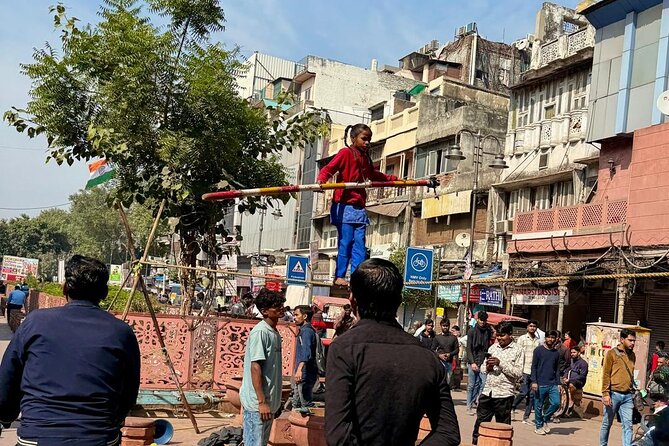
Old Delhi can be overwhelming fast—too much for the brain to process if you do it unguided. What I like about this approach is the mix of walking and bicycle rickshaw rides. You get the up-close texture of alley life on foot, and then you get a break when the lanes get especially tight or traffic gets hectic.
The tour also runs as a guided stroll rather than a sprint. That matters because the streets here are not made for quick photo stops. You’ll often need a moment to take in what’s happening: shops opening, daily routines moving around you, and the sheer intensity of commerce.
You’ll notice the tour design includes practical hop-on, hop-off movement by rickshaw, which helps you cover distance without getting worn out. That combination is a big part of why the experience makes sense for first-timers.
Chandni Chowk: the market lanes you’ll feel in your legs and nose
Chandni Chowk is the main street-market universe of Old Delhi, and the tour starts there. In the first portion, you’re walking, talking, and learning your way through what feels like maze madness—labyrinth lanes where everyday life is on full display.
What I love about beginning here is that you get a baseline for how the neighborhood functions. You can’t really understand Old Delhi by looking at a single corner; you understand it by moving through the flow. Chandni Chowk gives you that fast. You’ll see how vendors present goods, how shoppers move, and how the streets operate as part of the city’s daily heartbeat.
A possible drawback: Chandni Chowk is the busiest street market, so expect sensory overload. If you’re sensitive to crowds or strong smells, go slower than you think you should. Bring patience, keep your camera ready, and remember you’re walking through a working market, not a theme park.
Khari Baoli: how the spice market becomes a buying and tasting lesson
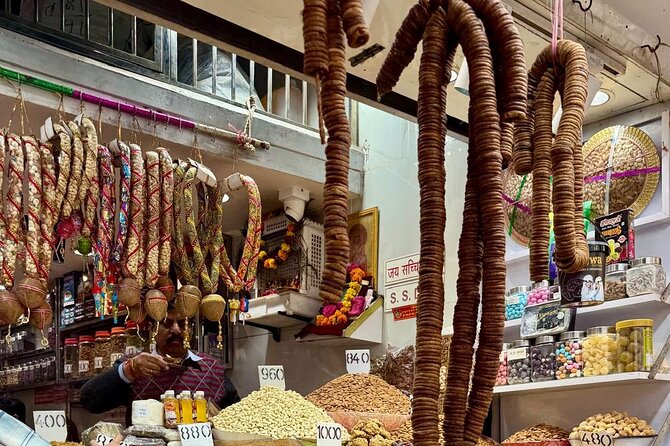
After Chandni Chowk, you head to Khari Baoli for the largest spice market of Asia. This is where the tour shifts from general street life into a focused spice experience.
The value here is not just seeing piles of spices—it’s understanding uses of spice in India. That kind of context turns a shopping trip into a learning trip. You’ll know what you’re looking at, how spices get used, and what questions make sense if you’re buying small quantities to bring home.
Khari Baoli is also ideal for practical shoppers. The way the tour is framed includes hassle-free shopping opportunities, so you’re not trying to negotiate your way through the noise with no guidance. If you came to Delhi for food and souvenirs, this is one of the best places to do it thoughtfully.
One consideration: spice shopping can tempt you into buying more than you planned. If you have luggage limits, decide your budget before you arrive and stick to it. The tour includes snack and water, but your spice purchases are personal expenses and are on you.
That temple stop: a calm reset inside the loud streets
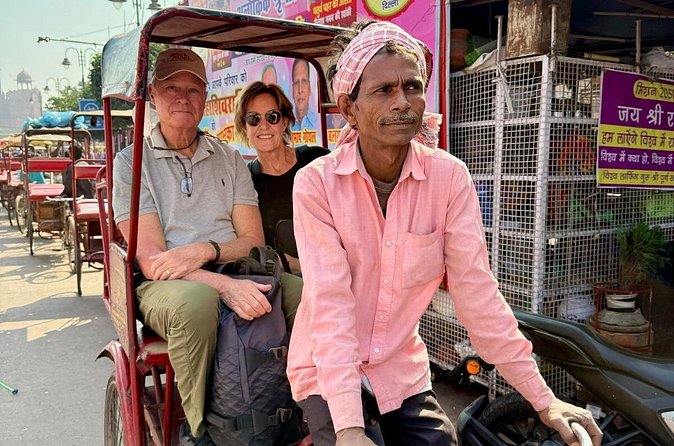
Before the rickshaw-and-lane cruising begins in earnest, the tour includes a visit to a very famous temple. The practical benefit of this stop is pacing. It gives you a different pace and a visual contrast to the market intensity.
It also helps you understand the neighborhood’s rhythm. Old Delhi’s street scenes aren’t separate from religion and daily routine; they’re intertwined. A temple stop midway through the tour flow can make the rest of the walking feel less like chaos and more like a place with layers.
What to expect: you’ll be moving from the market streets into a religious setting, so dress and behavior matter. I’d keep your shoulders and knees covered and plan for quiet moments where people are observing.






Chai sipping and a rooftop respite before lunch
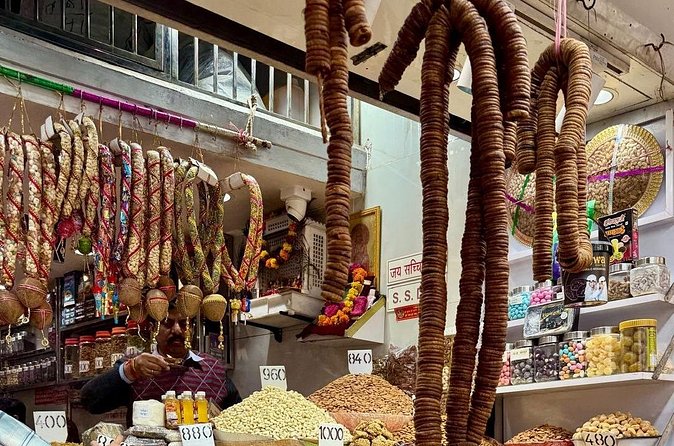
One of the smartest parts of this tour plan is the break: chai sipping and a rooftop respite before lunch. After hours of walking through busy market streets, a pause like this isn’t optional—it’s what keeps you enjoying the tour rather than just surviving it.
This stop also changes the tone. Up on a rooftop, you can breathe, check your photos, and reset your senses before the final stretch of the tour. Even if you think you’re fine with heat and noise, take advantage of the rest. It makes the rest of the day easier.
Note on food: snacks and a water bottle are included. If you want to try street food, the tour signals that you’ll pay extra. So come with curiosity, but don’t expect everything to be bundled into the $50.
Guide matters: why Santan is a standout name to look for
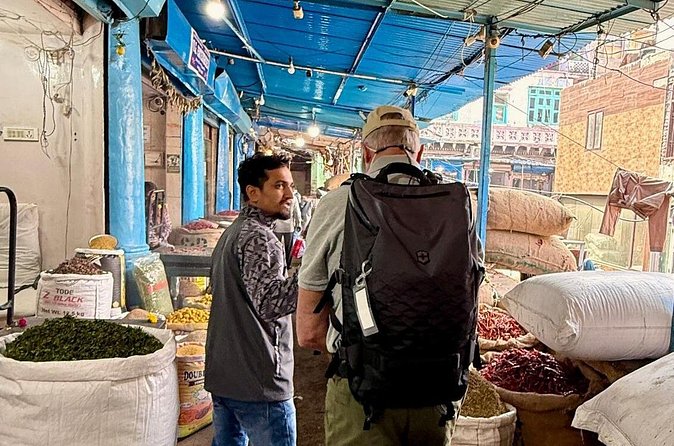
A big reason this tour earns high marks is the guide quality. In the experience’s guide notes and standout feedback, Santan is specifically praised for being highly knowledgeable and for leading people through the spice market and Sikh temple areas, as well as down winding alleyways.
What that means for you on the ground: you’ll get explanations that make the market feel less random. When you know what a spice is used for, you shop with confidence instead of guessing. When you understand why a street looks the way it does, you notice more details and waste less time wondering what you’re looking at.
If your tour is led by Santan, you’re likely to feel like you’re walking with a local who can connect food, religion, and daily life without turning it into a lecture.
Small group size and the comfort of a 3.5-hour timebox
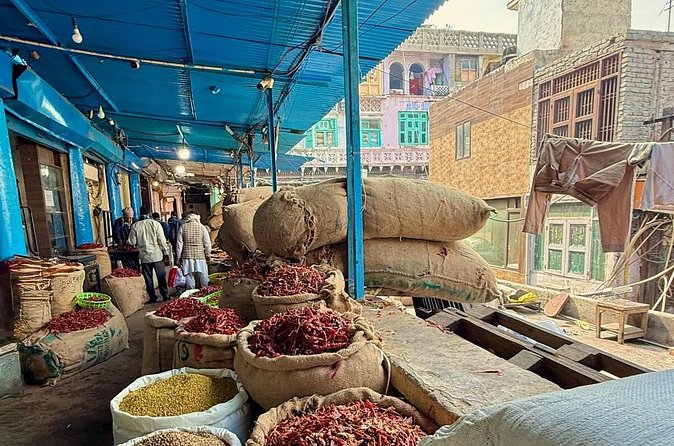
This is capped at 6 travelers, and that matters more than people think. In Old Delhi, space is tight. A small group means less weaving, fewer bottlenecks, and more chances for the guide to check in and adjust pacing.
The 3 hours 30 minutes duration is also a sweet spot. Long enough to actually absorb the neighborhood and do the spice focus, short enough to keep your energy for the rest of your day in Delhi.
Start time is 1:00 pm, and the tour ends back at the meeting point. If you’re planning dinner or another activity, you’ll have a clear return window to work with.
What’s included, what costs extra, and how to plan your spending
Included:
- Snacks
- A water bottle
Not included:
- Personal expenses
Street food is the main personal cost to anticipate. The tour is set up so you can try things if you want, but you shouldn’t build your budget assuming all food is included beyond the snacks. Also plan for spice purchases if that’s part of your goal.
My practical advice: bring small cash or be ready for whatever payment options you’ll encounter, and decide early whether you’re buying spices, street snacks, or both. That keeps the experience enjoyable instead of financially stressful.
Who should book Old Delhi’s Belly
I’d especially recommend this tour if:
- You have only a day (or half a day) to see Old Delhi and want a guided plan
- You care about spice markets and want useful context for buying
- You like street photography and real street life but don’t want to get lost
- You want a tour that moves at a human pace, not a quick checklist
It may be less ideal if:
- You hate crowds and don’t handle strong smells well
- You want fully silent sightseeing (this is a talking, learning stroll)
- You’re looking for a museum-style experience with fixed exhibits rather than a living market
Should you book Old Delhi’s Belly with Street Tours India?
If your goal is to understand Old Delhi in a few hours, this is a strong pick. The combination of Chandni Chowk orientation, Khari Baoli spice focus, and the guide-led explanations makes the tour feel like more than just walking through noise. Add in a small group and a slow-paced approach, and you get a plan that stays enjoyable even when the streets get intense.
Two extra points that matter: it’s rated 5 stars with a 100% recommendation rate and it’s limited to 6 people, which usually signals a more thoughtful guiding setup. If you book, I’d go with curiosity, comfortable shoes, and a simple shopping strategy.
FAQ
How long is Old Delhi’s Belly?
It runs about 3 hours 30 minutes.
What stops are included?
You’ll visit Chandni Chowk and Khari Baoli (both have admission ticket marked as free). The tour also includes a famous temple stop and includes chai and a rooftop respite before lunch.
What time does the tour start?
The start time is 1:00 pm, and the tour ends back at the meeting point.
Where does the tour start and end?
It starts at RK Ashram Block 42, DIZ Area, Gole Market, New Delhi, Delhi 110001, India, and ends back at the same meeting point.
What’s included in the price?
Snacks and a water bottle are included. Street food is not included (you’d pay extra if you choose to try it), and personal expenses are also not included.
Is free cancellation available?
Yes. You can cancel up to 24 hours in advance for a full refund. If you cancel less than 24 hours before the start time, the amount paid is not refunded.