REVIEW · NEW DELHI
Skip-the-Line Taj Mahal Tour-Hassle-Free Entry & Guide Experience
Book on Viator →Operated by traveledd · Bookable on Viator
A day trip to the Taj Mahal is easy when transport is handled for you. This private, hotel-pickup plan pairs an express train ride with an on-the-ground guide, so you can focus on the monuments instead of the logistics. I like the hotel-to-station-to-Agra flow, and I also like that the guide part sounds very human—names that come up include Shashank, Rashid, and Bobby, with even drivers like Abhishek getting praise for energy.
What makes this schedule work is that it stacks the two big sights—Taj Mahal first, then Agra Fort—without turning your day into a long, wandering blur. In the stories you’ll read from people who booked similar tours, the guides are described as friendly and explain things clearly, sometimes with humor (Bobby gets a nod there). That matters because the Taj is famous, but it’s more satisfying when someone helps you read it.
One drawback to consider: it’s a packed day. If you hate early starts, tight timing, or you want a slow, linger-all-afternoon pace, this won’t feel leisurely. You’ll be busy from New Delhi through Agra and back, even though the ride is designed to be comfortable.
In This Review
- Key things to know before you go
- Why this Taj Mahal plan feels easier than DIY
- New Delhi pickup and the train station leg
- The Agra arrival setup: guide meets you at Agra Cantt
- Taj Mahal time: what a skip-the-line guide visit should mean
- Practical Taj Mahal tips for this kind of schedule
- Agra Fort: why it’s worth your time after the Taj
- Lunch at Trident, Agra: a planned reset mid-day
- Handicrafts time: nice, but set your expectations
- Train comfort and timing: the real value of “private” here
- Price and value: is $80 a fair deal?
- Who this tour suits best (and who might not love it)
- Should you book? My straight answer
- FAQ
- What is the duration of the Taj Mahal tour?
- Is pickup from my hotel included?
- Do I travel by train between Delhi and Agra?
- Is breakfast included on the train?
- Is lunch included?
- Which major attractions are included?
- Are Taj Mahal and Agra Fort entry fees included?
- Is this a private tour?
- Is there an option for free cancellation?
Key things to know before you go

- Express-train round trip from Delhi to Agra: saves you time versus bus-only options
- Hotel pickup and drop: you’re not left guessing how to reach the station
- Hassle-free, skip-the-line style entry: tickets and timing are handled to reduce waiting
- Guide-led Taj Mahal visit (about 3 hours): more context, less wandering
- Agra Fort stop: a second major Mughal site to balance the day
- Lunch included: the day has one planned sit-down break (listed at Trident, Agra)
Why this Taj Mahal plan feels easier than DIY
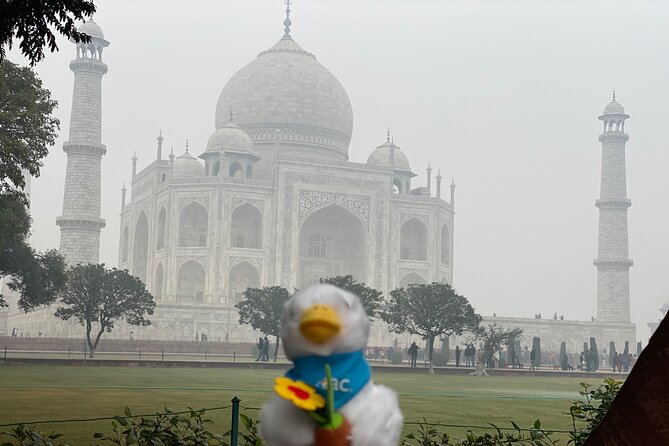
The Taj Mahal is one of those places where DIY can work, but it’s also one of those places where DIY can eat your day. Tickets, entry lines, finding the right entrance, and coordinating timing between Delhi and Agra can turn a “simple day trip” into a stress test.
This tour is built to remove friction. You travel by train both ways, and you get picked up from your hotel and dropped back afterward. That means you’re not spending your first hours in Agra trying to solve transport, directions, and queue logistics.
Another big win is the structure. You get a guide for the key monuments, not just transport. That’s where the value shows up: the Taj looks like a masterpiece from far away, but it becomes more meaningful when someone helps you notice proportions, materials, and design choices. People specifically praised the guide experience, including Shashank and Rashid, and mentioned the way Bobby’s humor made the visit more fun.
You can also read our reviews of more guided tours in New Delhi



New Delhi pickup and the train station leg
Your day starts in New Delhi with a pickup from your hotel or nearby place, then a transfer to the train station. The schedule gives you about 30 minutes for that station transfer time, with a professional driver doing the driving.
This part matters more than it seems. Delhi traffic can be unpredictable, and missing your train (even by a little) can throw off the whole day. Having a driver and a planned transfer window keeps you from playing “guess the departure time” roulette.
You’ll also notice the tour is framed as hassle-free. That typically means you’re not left coordinating separate tickets and entrances on your own. Your hotel pickup and transport are included, which also makes this friendlier if you’re not comfortable navigating transit in a big city.
The Agra arrival setup: guide meets you at Agra Cantt
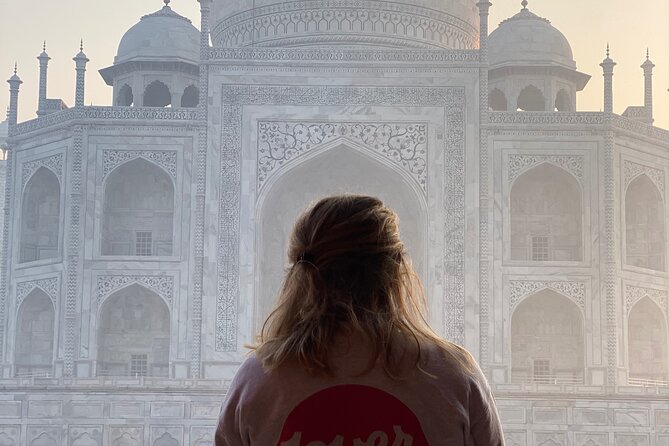
After the express train ride, you reach Agra Cantt. The tour is designed so that once you arrive, you’re not left waiting around. You’re picked up by your professional tour guide and then taken toward the Taj Mahal area.
This “meet-and-go” structure is one of the best parts of the day. Arriving in a new city is the most tiring moment; you want that energy saved for the monuments, not for negotiating your next step.
Also, the travel description notes that breakfast is served on board the train. For a day this long, that’s not a small detail. It reduces the chance you’ll spend your first Agra hours hunting for food before you even see the Taj.
Taj Mahal time: what a skip-the-line guide visit should mean
The heart of the trip is the Taj Mahal visit, scheduled for about 3 hours. The monument is described as an ivory-white marble mausoleum on the south bank of the Yamuna River, commissioned in 1632 by Mughal emperor Shah Jahan as a tomb.
Here’s what you’ll want to get out of that time. If all you do is take photos from the most obvious angles, you’ll still enjoy the view. But the Taj rewards attention. A good guide helps you understand what you’re seeing—why things are aligned, how the building shifts visually depending on where you stand, and why the design is so carefully balanced.
This tour’s selling point is skip-the-line, hassle-free entry, with guide-led pacing. That usually means your tickets and entry approach are handled so you don’t lose your best morning hours to paperwork and lines. The goal is simple: get you inside and ready to look, not stuck waiting at the gate.
In the guide feedback, names like Shashank and Rashid are mentioned with praise for friendliness and strong explanations. Bobby is also singled out for humor, which is a great sign if you want your guide to keep things lively instead of turning the Taj into a lecture.
Practical Taj Mahal tips for this kind of schedule
You’ll be moving through a major site with crowds. Wear comfortable shoes. Keep water handy (and be prepared for security checks). If you’re hoping to dress traditionally, one first-timer described planning to wear a saree before going in and appreciated that the guide worked with that preference—so if clothing is important to you, just mention it to your guide early.
You can also read our reviews of more tours and experiences in New Delhi





Agra Fort: why it’s worth your time after the Taj

After the Taj Mahal, the itinerary moves to Agra Fort, with about 30 minutes set aside for the fort visit. This gives you a quick, high-impact contrast: the Taj is the cinematic love story in white marble; Agra Fort is the scale of power and daily life—an enormous fort where Mughal empires used to live.
This stop is short by design. And honestly, that can be a good thing. Agra Fort is big. If you’re spending your day on two major sights, you don’t want to burn your whole afternoon getting lost in walls and corridors.
Still, short doesn’t mean useless. With even a limited amount of time, a guide can point out key areas so you don’t just walk around guessing what matters. You’ll get a better sense of how the Taj fits into the broader Mughal story in the region.
Lunch at Trident, Agra: a planned reset mid-day

Lunch is scheduled as a 1-hour break, listed at Trident, Agra. This is the kind of timing that keeps the day from falling apart. You’ll have seen a major monument, then you’ll get food and a breather before the fort.
One note: the broader tour description also mentions an optional lunch add-on at a local multi-cuisine restaurant. The itinerary specifically lists lunch at Trident. If lunch is a must-have for you, double-check what’s included for the exact option you book, but in any case, the tour is built around having a sit-down break instead of leaving you with random food stops.
If you’re sensitive to timing, this lunch window helps you regulate the day. It’s easy to skip lunch on sightseeing trips and then end up tired by mid-afternoon. Here, you get a planned pause.
Handicrafts time: nice, but set your expectations

Between lunch and the fort (or around the tour flow), there’s time for handicrafts. You’ll likely have a chance to browse locally made items tied to the region—good for souvenirs that aren’t generic.
Just remember: browsing time in a day tour is often limited. If you treat it like a museum-style experience, you’ll be happier than if you treat it like a shopping weekend. Keep your list simple: pick one or two categories you genuinely want (textiles, marble inlay-style crafts, small gifts), compare briefly if possible, and don’t feel pressured to buy immediately.
The best mindset is to enjoy it as a cultural pause, not a forced shopping stop.
Train comfort and timing: the real value of “private” here
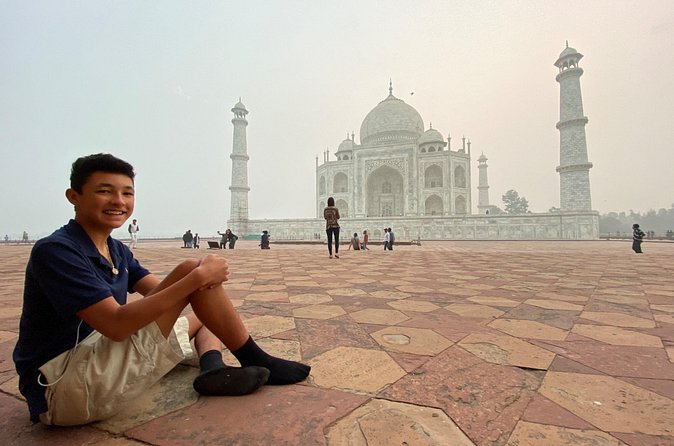
This is a private tour, meaning only your group participates. That matters for two reasons:
First, it reduces crowd friction. Your pacing is more flexible, and your guide can tailor explanations to your interests. Second, it’s easier to manage bathroom stops and small timing issues without everything turning into a group domino effect.
You also get air-conditioned vehicle transport on the ground, plus round-trip express train tickets from Delhi to Agra and back. In a day this long, air-conditioning and predictable scheduling are real comfort upgrades.
The duration is listed at 8 to 10 hours. With train travel included, that’s a strong indication the itinerary is compressed but not completely rushed. The good news is that most of the “travel time” is in one planned block rather than scattered across the day.
Price and value: is $80 a fair deal?
At $80 per person, the price isn’t just paying for a guide and two sights. You’re paying for the whole package: hotel pickup and drop, air-conditioned car, private transport between the station and the sights, round-trip express train tickets, and entry coverage for Taj Mahal and Agra Fort.
The included list also says all fees and taxes are covered, and it specifies entry amounts for foreign nationals: Taj Mahal INR 1100 per person and Agra Fort INR 650 per person. The key detail is that entry can depend on passport category and the exact rate at the time—so treat those numbers as part of what’s included, not a universal guarantee for every traveler’s paperwork.
Value-wise, this makes sense if you want:
- a full day plan with minimal planning on your side
- a guided Taj Mahal visit (the part you can’t easily replicate well on DIY)
- train logistics solved so you can actually enjoy the day
If you’re the type who enjoys building routes from scratch and you don’t mind timing stress, DIY could cost less. But if your goal is comfort and a smooth, structured day, $80 feels reasonable for what’s wrapped into the schedule.
Who this tour suits best (and who might not love it)
This tour is a strong fit if you:
- want a one-day Taj Mahal + Agra Fort combo without planning
- prefer a guide who can explain what you’re looking at (people liked guides like Shashank, Rashid, and Bobby)
- care about practical flow: pickup, train, entry, transport, and return
It’s less ideal if you:
- want slow travel and lots of free time
- dislike tight schedules or moving between stops quickly
- expect a “shopping-heavy” day (handicrafts time exists, but it’s not the whole point)
If it’s your first time in India, this kind of setup can also feel psychologically easier. Even the first-timer with the saree plan appreciated that the guide was flexible about personal preferences.
Should you book? My straight answer
Book it if you want the Taj Mahal day to feel organized. You’ll get hotel pickup, express train, a guided Taj Mahal visit, plus Agra Fort and lunch, all within about 8 to 10 hours. The best reason to book is that the guide-driven Taj experience is where this tour likely pays off—especially with guides named in feedback for friendliness and for making the explanations easier to enjoy.
Skip it if you want a relaxed, linger-long kind of day or if you’re determined to DIY every step for maximum freedom. The schedule is built for efficiency, not for hours of wandering without structure.
FAQ
What is the duration of the Taj Mahal tour?
The tour runs about 8 to 10 hours.
Is pickup from my hotel included?
Yes. Pickup and drop are included from your hotel or place in New Delhi to the train station and back from Agra.
Do I travel by train between Delhi and Agra?
Yes. The tour includes round trip express train tickets from Delhi to Agra and back.
Is breakfast included on the train?
The tour description states that breakfast will be served on board the train.
Is lunch included?
Lunch is included, with the itinerary listing Trident, Agra and about 1 hour for the meal.
Which major attractions are included?
You’ll visit the Taj Mahal and Agra Fort. There is also time for handicrafts.
Are Taj Mahal and Agra Fort entry fees included?
Yes. The included details list admission for Taj Mahal (INR 1100 per person) and Agra Fort (INR 650 per person) for foreign nationals. Confirm the exact fee that applies to you during booking.
Is this a private tour?
Yes. It’s described as a private tour/activity, with only your group participating.
Is there an option for free cancellation?
Yes. Free cancellation is available if you cancel at least 24 hours before the experience starts.
If you want, tell me your travel month and where you’re staying in New Delhi (area is fine). I can help you decide whether this kind of “efficient full day” schedule will feel comfortable for your pace.