REVIEW · NEW DELHI
2 Days Rishikesh Haridwar Private Tour from Delhi
Book on Viator →Operated by Saksham Holidays · Bookable on Viator
Prayers, bridges, and yoga in two days. This Rishikesh and Haridwar private tour pairs AC pickup from Delhi with Ganga-front rituals and famous ashrams, so you see both pilgrimage sides without messy logistics.
I also like that most major stops are admission-free entry, and your plan includes two breakfasts plus bottled water and all fees and taxes. That’s the kind of setup where you can focus on the places, not the cost math.
One thing to plan for: the tour doesn’t include lunch and dinner, and the cable car at Mansa Devi and Chandi Devi costs extra if you want it. You’ll also finish Day 2 with about a 5-hour drive back toward Delhi, so keep your evening flexible.
In This Review
- Key highlights I’d bet on
- Rishikesh Meets Haridwar: Why This 2-Day Circuit Works
- Price and Value: What You’re Paying For (And What You’re Not)
- Day 1 in Haridwar: Temple Climbing to Har Ki Pauri
- Mansa Devi Temple: Goddess-on-a-Hill Views
- Chandi Devi Temple: Another Hilltop Pilgrimage Stop
- Daksheshwar Mahadev (Daksh Prajapati Temple) in Kankhal
- Ma Anandamayi Ashram: A Softer, Studious Spiritual Pause
- Har Ki Pauri: The Ganga Ghat Moment That Changes the Mood
- Day 2 in Rishikesh: Ram Jhula and the Ashram Belt
- Ram Jhula: A 450-Foot Suspension Bridge Over the Ganga
- Sivananda Ashram: Yoga World Roots
- Gita Bhawan: A Big Complex by the Ganga
- Swarg Ashram: The Kali Kamli Wala Story
- Parmarth Niketan: A Large, Garden-Focused Ashram
- The 5-Hour Return Drive Toward Delhi
- Getting the Best Day Out of This Route
- Who This Tour Fits Best (and Who Might Want Something Different)
- Should You Book This Rishikesh Haridwar Private Tour?
- FAQ
- Where does this tour start?
- How long is the tour?
- What’s included in the price?
- Are lunch and dinner included?
- Is the cable car included for Mansa Devi and Chandi Devi?
- What are the major stops on Day 1?
- What are the major stops on Day 2?
- What if the weather is bad or my plans change?
Key highlights I’d bet on
- Private, air-conditioned transport with pickup from New Delhi
- Admission-free entry at major temples and viewpoints
- Haridwar’s Har Ki Pauri ghat time on the Ganga
- Rishikesh’s Ram Jhula (450 feet) and signature suspension-bridge views
- Yoga-centered stops like Sivananda Ashram and Parmarth Niketan
- A tight 2-day circuit that ends with a long return drive
Rishikesh Meets Haridwar: Why This 2-Day Circuit Works
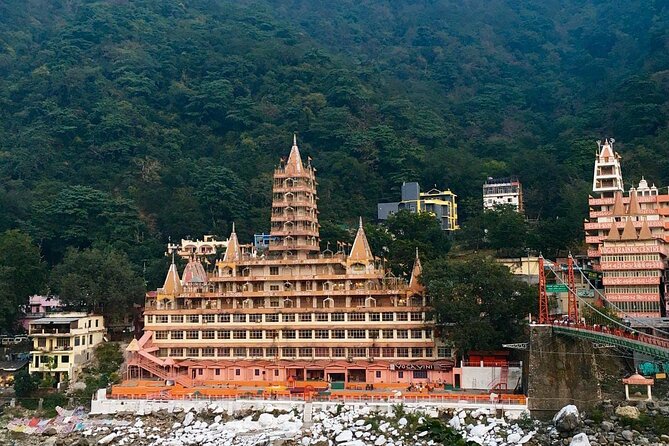
Rishikesh and Haridwar sit along the Ganga corridor, but they feel different in tone. Haridwar leans strongly toward pilgrimage routines—especially the ghat life and temple climbs—while Rishikesh shifts into the calmer, study-and-practice side of the spiritual world.
What I like about this specific format is that it doesn’t try to cram in random stops. Instead, it strings together the big, recognizable anchors: Haridwar’s Mansa Devi and Chandi Devi temples, the Shiva shrine area around Kankhal, then the Rishikesh bridge and a run of famous ashrams.
You also get a practical buffer built in: you’re not hopping between taxis and stations all day. With an air-conditioned vehicle and private transportation, you can arrive, park, and move on—much easier when you’re dealing with hills, crowds near the river, and lots of stairs at sacred sites.
You can also read our reviews of more private tours in New Delhi

Price and Value: What You’re Paying For (And What You’re Not)
At $120 per person for about 2 days, the value comes from what’s bundled. This includes all fees and taxes, bottled water, and two breakfasts—plus the big one for most people—a private, air-conditioned ride with pickup from Delhi.
So the money is doing real work: covering transport, entry-related costs for the listed sights, and the basic day-starter meals. When you compare that to piecing together a one-off driver and paying separately for each admission and transfer, this can feel reasonably priced—especially for couples or families who don’t want to negotiate every leg.
Here’s what’s not included (and it matters):
- Lunch and dinner are on your own.
- Cable car access for Mansa Devi and Chandi Devi isn’t included.
That’s not a flaw so much as a clarity point. If you’re the type who prefers comfort over extra climbing time, you’ll want to budget for the cable car option. If you’re okay walking and you’ve got shoes with grip, you may be fine without it.
Day 1 in Haridwar: Temple Climbing to Har Ki Pauri
Day 1 is pure Haridwar: temples, then Kankhal, then the signature river-facing moments. It’s a full day, so the biggest “make or break” factor will be your comfort with vertical movement—plus how you handle crowds near the Ganga.
Mansa Devi Temple: Goddess-on-a-Hill Views
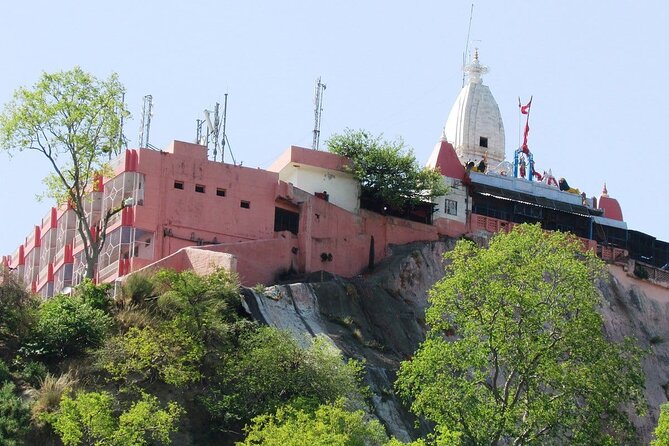
Your first stop is Mansa Devi Temple on Bilwa Parvat in Haridwar. The temple is dedicated to goddess Mansa Devi, and it sits on the Sivalik Hills, which is why people often associate it with dramatic viewpoints and that pilgrimage feeling of climbing toward the sacred.
You’re scheduled here for about 2 hours. That’s a healthy amount of time if you want to slow down: pause for photos if allowed, take in the spiritual atmosphere, and move at your own pace without feeling like you have to rush.
Practical consideration: the tour notes that cable car is not included. Even if you don’t use it, plan for time and energy. Bring water (you’ll have bottled water provided), and wear something comfortable because temple circuits can mean stairs and uneven surfaces.
Chandi Devi Temple: Another Hilltop Pilgrimage Stop
Next up is Chandi Devi Temple, dedicated to Goddess Chandi Devi, located on Neel Parvat. Like Mansa Devi, this is a hilltop temple setting—so you get another round of climb-and-reward.
You have about 2 hours here as well. I like that the schedule gives breathing room. When temples are stacked like this, people often feel pressure to speed up. The allotted time helps you stay relaxed and actually take in the place rather than treating it like a checkbox.
Again, cable car isn’t included for Chandi Devi. If you care about minimizing uphill fatigue, budget for the cable car decision ahead of time.
You can also read our reviews of more tours and experiences in New Delhi



Daksheshwar Mahadev (Daksh Prajapati Temple) in Kankhal
After the hill temples, the tone shifts with Shree Daksheshwar Mahadev (Daksh Prajapati) Temple in Kankhal, about 4 km from Haridwar. This stop is only about 30 minutes, but it’s a focused visit to a Shiva shrine linked to the story of Daksha Prajapati.
A shorter stop can be a good thing here. After two temple-heavy blocks, you likely won’t want another marathon. Thirty minutes is enough to see the shrine, observe the ritual vibe, and move on without draining your energy.
Ma Anandamayi Ashram: A Softer, Studious Spiritual Pause
Then you go to Ma Anandamayi Ashram, a spiritual center dedicated to Sri Ma Anandamayi. The ashram includes a mausoleum/samadhi area, which is the kind of detail that tends to make people slow down—because these spaces are about remembrance, stillness, and devotion rather than just sightseeing.
You have about 1 hour. That’s a solid slot for quiet observation. If you’re the type who likes to balance intensity with calm, this is the spot that helps the whole day feel rounded.
Har Ki Pauri: The Ganga Ghat Moment That Changes the Mood
The day ends at Har Ki Pauri, one of Haridwar’s most famous ghats on the banks of the Ganga. It’s a central devotional spot, and it’s believed to mark the exit of the holy river.
You’re scheduled for about 2 hours here. This is the kind of time where the details matter: people gathering, the river air changing as the light shifts, and the sense that the ghat is a daily ritual place, not just a photo stop.
Also, Haridwar is known for nightly Ganga Aarti at major ghats. If your timing lines up, you may catch aarti atmosphere while you’re there. Even if you don’t, Har Ki Pauri’s day-to-evening energy is usually enough to leave an impression.
Day 2 in Rishikesh: Ram Jhula and the Ashram Belt
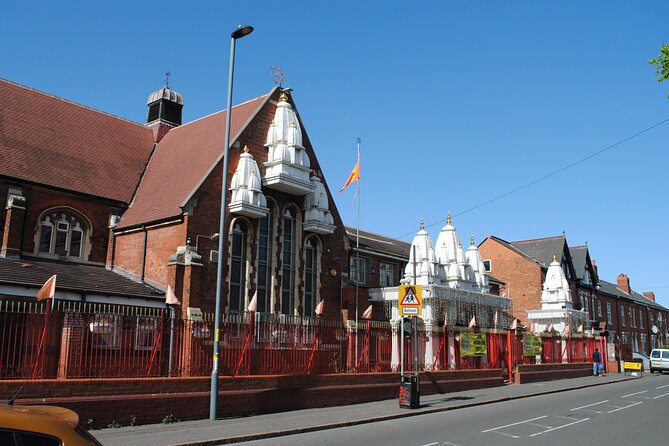
Day 2 is where your trip feels more “Rishikesh.” Instead of climbing hilltop temples, you move through iconic river moments and yoga-centered ashrams. The pace is lighter stop-to-stop, but you’ll still want comfortable shoes for walking around ashram compounds and ramps near the Ganga.
Ram Jhula: A 450-Foot Suspension Bridge Over the Ganga
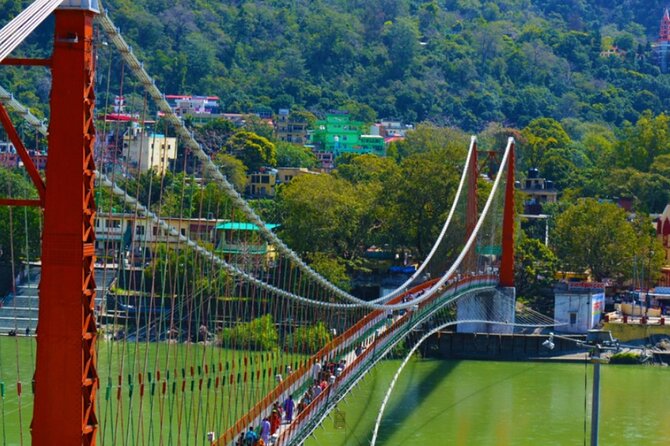
You start with Ram Jhula, a famous iron suspension bridge over the Ganga. It’s about 450 feet long and connects Shivananda Ashram with Swargashram.
You only have about 30 minutes here, so treat it as a quick orientation stop: take in the view, enjoy the river perspective, and get your bearings for the ashrams ahead. This is a great moment to appreciate why Rishikesh became a magnet for spiritual practice—because the river sets the visual and emotional stage.
Sivananda Ashram: Yoga World Roots
Next is Sivananda Ashram, founded by Swami Sivananda in 1936. This is described as one of India’s top yoga centers, run by the Divine Life Society.
You have about 1 hour. In that time, you can get a feel for the place without trying to tour every corner. If yoga practice is part of why you’re visiting, this stop gives you that “this is a serious center” context rather than just a quick look at buildings.
Gita Bhawan: A Big Complex by the Ganga
Then comes Gita Bhawan at Swargashram in Rishikesh, on the Ganga banks. It’s a large complex with discourse halls and over 1000 rooms for pilgrims.
With about 1 hour, you’re not there to measure the whole scale. You’re there to sense it. Places like Gita Bhawan help you understand why Rishikesh can feel like a living curriculum—people coming to listen, stay, and practice over longer periods.
Swarg Ashram: The Kali Kamli Wala Story
After Gita Bhawan, you visit Swarg Ashram. It’s built in memory of Swami Vishudhanand, also known as Kali Kamli Wala (the saint with a black blanket). It’s popular especially among foreign tourists because of its distinctive ethnic touch.
Your time here is about 30 minutes. That short slot fits the theme: this isn’t meant to feel like a long museum-style visit. It’s more like a quick cultural/spiritual stop that helps connect the bridge area to the ashrams beyond.
Parmarth Niketan: A Large, Garden-Focused Ashram
Last is Parmarth Niketan Ashram, described as the largest ashram in Rishikesh with over 1000 rooms and beautiful gardens. It’s known for creating a clean, sacred atmosphere for thousands of pilgrims.
You’ll spend about 1 hour here. I like ending with a place that feels spacious and peaceful. By this point, you’ve already seen multiple spiritual centers—so the gardens and open feel can be a good mental reset before your long trip back.
The 5-Hour Return Drive Toward Delhi
In the evening, the tour continues with the drive back toward Delhi Airport / Railway Station / Hotel, about 5 hours. That’s a long stretch, so plan your evening accordingly.
Bring something simple for comfort—water is provided, but you may want a light snack on your own since lunch and dinner aren’t part of the package. If you’re prone to feeling stiff after rides, a travel pillow or easy neck support can turn the return from “meh” into “manageable.”
Getting the Best Day Out of This Route
This tour is built for highlights. That’s good—just don’t expect free time to roam far beyond the listed stops.
Here are the practical moves that usually help:
- Wear grippy, comfy shoes. Hill temples and ghat areas often mean stairs and uneven steps.
- Dress respectfully for religious sites. Think modest, comfortable layers that you can adjust.
- Start with a flexible mindset at ghats. Har Ki Pauri can be visually intense because you’re seeing ritual life up close, not a quiet viewpoint.
- Hydrate even if you’re not thirsty. You get bottled water, but hot days happen.
Also, the experience is said to require good weather. If conditions are rough, expect the provider to adapt plans. When weather affects the ability to climb or move around comfortably, flexibility matters more than stubbornly sticking to the timetable.
Who This Tour Fits Best (and Who Might Want Something Different)
This is a strong fit if you want:
- A private circuit that reduces hassle from Delhi
- A focus on Haridwar temples and Rishikesh ashrams
- Value for money with AC transport, all fees and taxes, and two breakfasts included
It’s also well-suited for families and mixed groups who want religious and yoga highlights without renting multiple vehicles.
If you want lots of downtime, long free wandering, or non-spiritual “activity-heavy” days, you may feel the schedule is tight. This plan is about seeing the anchors, not stretching into multiple extra detours.
Should You Book This Rishikesh Haridwar Private Tour?
If your goal is a smooth, no-nonsense 2-day Rishikesh and Haridwar snapshot from Delhi—with temple stops, ashrams, and serious Ganga atmosphere—this is a sensible choice. The best part is the built-in value: AC private transportation, bottled water, all fees and taxes, and two breakfasts at a price that doesn’t require constant add-ons.
I’d book it if you’re okay handling lunch and dinner on your own and if you’re flexible about the long return drive on Day 2. If you care about reducing uphill strain, factor in that the cable car at Mansa Devi and Chandi Devi isn’t included, so decide early whether that’s worth paying for.
Overall: for people who want the big spiritual hits with fewer moving parts, this private tour is a good match.
FAQ
Where does this tour start?
The start point is New Delhi, Delhi, India.
How long is the tour?
The duration is 2 days (approx.).
What’s included in the price?
The tour includes air-conditioned vehicle, private transportation, bottled water, all fees and taxes, and breakfast (2).
Are lunch and dinner included?
No. Lunch and dinner are not included.
Is the cable car included for Mansa Devi and Chandi Devi?
No. Cable car on Mansa Devi Temple/Chandi Devi Temple is not included.
What are the major stops on Day 1?
Day 1 includes Mansa Devi Temple, Chandi Devi Temple, Shree Daksheshwar Mahadev (Daksh Prajapati Temple), Ma Anandamayi Ashram, and Har Ki Pauri.
What are the major stops on Day 2?
Day 2 includes Ram Jhula, Sivananda Ashram, Gita Bhawan, Swarg Ashram, Parmarth Niketan Ashram, and then the drive back toward Delhi.
What if the weather is bad or my plans change?
The experience requires good weather. If it’s canceled due to poor weather, you’ll be offered a different date or a full refund. You can also cancel up to 24 hours in advance for a full refund.