REVIEW · NEW DELHI
8 Days Tour of Essential India & Classic Nepal – Golden Triangle with Kathmandu
Book on Viator →Operated by EXPERT TOURS & TRAVELS · Bookable on Viator
Eight days, four icons, two countries. This tour strings together India’s Golden Triangle with UNESCO-heavy Kathmandu Valley, all in a guided plan that keeps you moving without feeling like you’re on your own. You’ll ride between major cities in a chauffer-driven air-conditioned vehicle and then cross into Nepal with a scheduled flight.
I like the practical way this itinerary stacks highlights across both countries—starting with Delhi’s major Mughal-era landmarks and finishing with Kathmandu-area temples and squares. I also like that entrance fees are included for many key sites, plus you get guided time at each stop so you know what you’re looking at, not just where to stand for photos.
One consideration: your big moments depend on timing and weather. Taj Mahal sunrise is subject to conditions, and if your scheduled visit falls on a Friday it gets shifted to the prior day (same idea for Delhi’s Akshardham on Mondays).
In This Review
- Key highlights you’ll feel right away
- How the Golden Triangle + Kathmandu route makes sense
- Day 1 in Delhi: Humayun’s Tomb, Red Fort area sights, Jama Masjid, and Qutub Minar
- Day 2 in Delhi-to-Agra mode: Akshardham and the first UNESCO hits near Agra
- The Taj Mahal day: early entry planning and Fatehpur Sikri by way of step-wells
- Jaipur’s big day: Amer Fort, City Palace, Hawa Mahal photos, and Jantar Mantar
- Day 5 in Jaipur: Galtaji temple and a smooth shift toward Kathmandu
- Kathmandu Valley day 6: Swayambhunath, Durbar Square, and Boudhanath
- Day 7 in the valley: Patan and Bhaktapur for craftsmen, plus Pashupatinath
- Day 8: Dhulikhel viewpoint and a calm ending back in Kathmandu
- Transport, tickets, and what’s actually included in the value
- Price check: is $1,796 per person good value?
- Who this tour suits best (and who should reconsider)
- Should you book this India and Nepal essentials tour?
- FAQ
- How long is the tour?
- Where does the tour start and end?
- Is Taj Mahal admission included?
- What about Akshardham in Delhi—what if it’s closed?
- Is there a flight included between India and Nepal?
- What baggage allowance should I plan for on that flight?
- Do I need a visa?
- Is the tour really private?
Key highlights you’ll feel right away
- Private tour setup with your own group only, plus chauffer-driven transport and bottled water included
- Sunrise-focused Taj Mahal experience with extra logistics like battery bus access
- UNESCO sites in both countries, from Delhi and Agra to Kathmandu Valley’s durbar squares, stupas, and temples
- Jaipur classics done efficiently, including Amer Fort, City Palace, and Jantar Mantar
- Dhulikhel viewpoint stop to end with Himalayan scenery before your return to Kathmandu
How the Golden Triangle + Kathmandu route makes sense
This is a smart “essentials” combo: India’s three famous cities first—New Delhi, Agra, Jaipur—then Nepal’s capital, Kathmandu, and its surrounding valley of heritage sites. If you’re the type who likes history but also wants someone else to manage the order of sights, this format works well. You get one main base phase in India and then switch bases in Kathmandu.
The value isn’t only the big names. It’s the way the days are built around sight rhythm: early starts for top monuments, then guided blocks that help you understand what you’re seeing. And because it’s private, you’re not squeezed into constant regrouping with strangers.
You can also read our reviews of more tours and experiences in New Delhi.



Day 1 in Delhi: Humayun’s Tomb, Red Fort area sights, Jama Masjid, and Qutub Minar
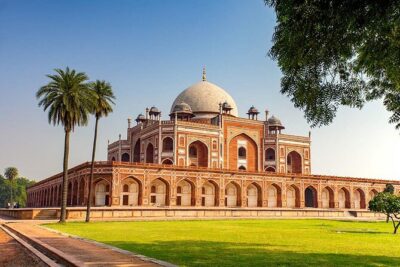
Delhi can feel chaotic on your own. Here, your first day gives you a layered view of the city, from Mughal grandeur to major landmarks in Old Delhi. You start with Humayun’s Tomb (admission included), a place that helps you spot the Mughal design language before you reach the more famous monuments later.
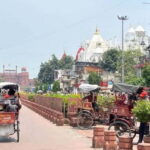
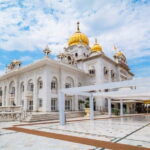
Then you move into Old Delhi with Jama Masjid (admission included) and Chandni Chowk for a market feel (Chandni Chowk is listed as free). This is where the city’s energy shows—spices, dried goods, textiles, and lots of street life. You also get a stop at Gurudwara Bangla Sahib, a Sikh temple that’s known for its calm atmosphere compared to the surrounding bustle (listed as free).
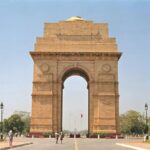
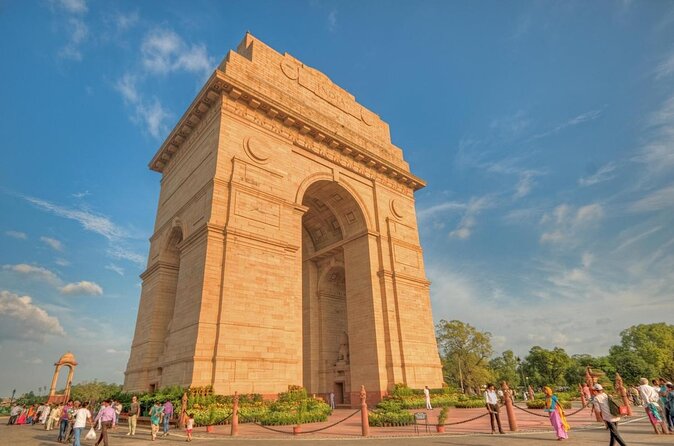
After that, you hit the “great crossroad” memorial vibe at India Gate and then move toward the older Islamic-era skyline with Qutub Minar in the Qutub Complex (admission included). Qutub Minar is a UNESCO site and it’s tall enough that you feel it before you study it.
Tip for your first day: wear shoes you’re comfortable walking in. Even when the tour blocks are planned, Old Delhi areas can mean uneven sidewalks and lots of stopping.
Day 2 in Delhi-to-Agra mode: Akshardham and the first UNESCO hits near Agra
Day 2 starts with Swaminarayan Akshardham (admission included). This stop is a good contrast from Mughal architecture—more modern in its scale and devotional storytelling. If you’re curious about how Indian faith spaces operate, this temple complex is a strong introduction.
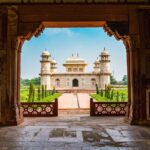
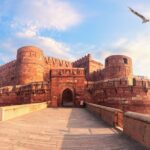
Then you head toward Agra Fort (admission included). It sits along the Yamuna, and that river relationship matters because it frames Agra’s historical role. Agra has multiple UNESCO landmarks, and this fort helps you see the city as more than a one-monument stop.
To finish, you visit Mehtab Bagh (admission included), the Moonlit Gardens across from the Taj Mahal area. You’re not just ticking a box here—you’re getting a better sense of how the Taj sits in the landscape. It’s ideal for photos at softer light, and it also helps you prep your eyes for the real thing the next morning.
The Taj Mahal day: early entry planning and Fatehpur Sikri by way of step-wells
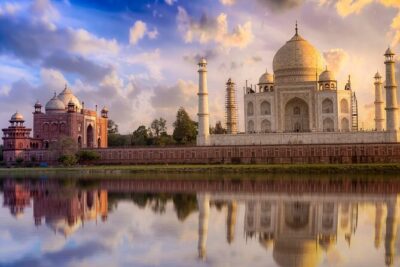
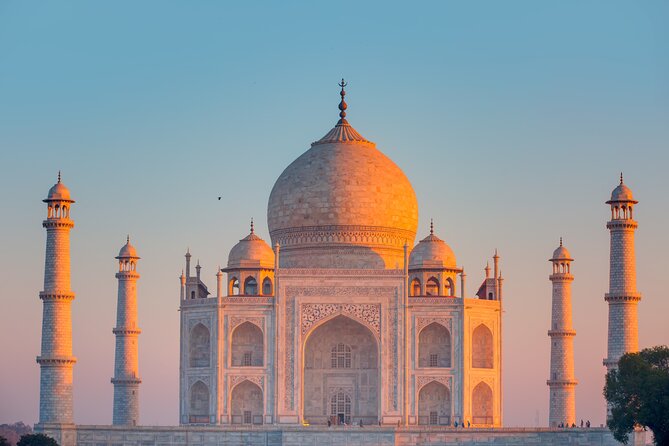
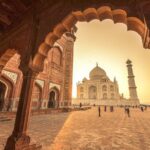
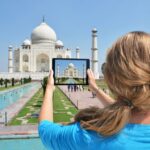
If you only care about one monument in India, make it this day. You start with Taj Mahal at a set early time window, and admission is included. The plan includes you meeting your guide after a coffee/tea moment, then getting guided time at the site.
A key detail: the tour notes that the Taj Mahal sunrise visit is subject to weather conditions. So you should treat “sunrise magic” as a bonus, not a promise. If weather doesn’t cooperate, you still get the core experience—the best part is that you’re there early enough to avoid a lot of mid-day pressure.
After the Taj, you move to Fatehpur Sikri (listed as free admission). This UNESCO site can feel like a time capsule of Mughal planning—massive courtyards, carved stone, and a sense of why the place was built where it was.
Then comes a quieter but memorable stop: Chand Baori, the famous step-well in the Abhaneri area (admission included). It’s one of those “how is this even possible?” spots. Even if you’re not a photo person, it’s fun to figure out the geometry and imagine how people used the water system historically.
You finish the day in Jaipur, and the evening includes Birla Mandir (Birla Temple) in white marble (listed as free). It’s a calmer evening option that doesn’t hijack your next day’s energy.
Jaipur’s big day: Amer Fort, City Palace, Hawa Mahal photos, and Jantar Mantar
Jaipur’s itinerary is built around variety: forts for power, palaces for politics, instruments for science. You start at Amber Fort (admission included). If you don’t want to walk up, the tour includes a jeep ride to/from Amer Fort. That’s a real quality-of-life detail, especially when heat and steps can drain you faster than you expect.
You also do a quick photo stop at Jal Mahal (free). It’s called the Water Palace because of how it sits over the Man Sagar lake. From the road it’s easy to understand the appeal: the building looks composed, but you’re seeing it with distance, like a postcard with depth.
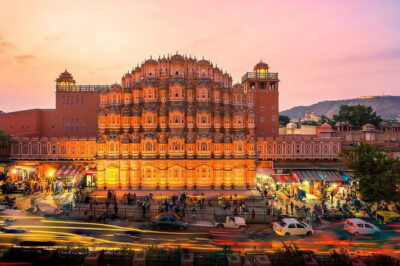
Next is Hawa Mahal (Palace of Breeze) as a photo stop (free). Even if you never go inside (this is listed as a stop, not a full visit), the exterior tells you a lot about Jaipur’s window-grid design and why the facade became such an icon.
The heart of the day is City Palace (admission included). This is where you see the mix of architectural styles—the palace continues to connect with the royal family story. You also get Jantar Mantar (admission included), the stone astronomical observatory and a UNESCO site. The instruments are the point: it’s a reminder that science and statecraft were linked in the region long before “modern” labs existed.
You finish with Patrika Gate (free), described as a top photo location with archways painted with Rajasthan-themed depictions. It’s not essential history, but it’s a fun “legs rested, camera out” moment.
Day 5 in Jaipur: Galtaji temple and a smooth shift toward Kathmandu
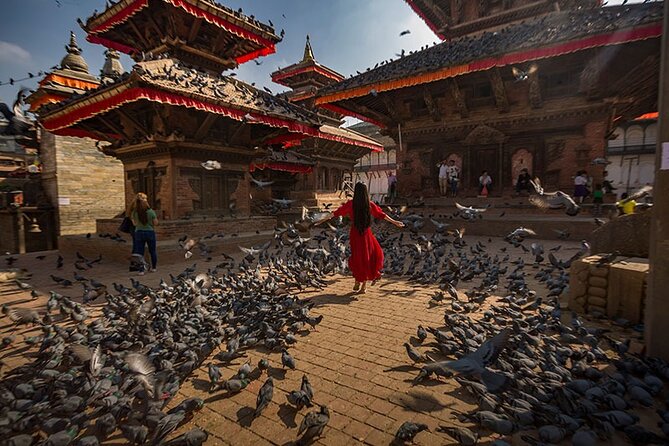
Day 5 is lighter on the big-city checklist, which is smart if you’ve already had intense days in Delhi and Agra. You start with Galtaji Temple (free). It sits in a hilly terrain setting, and it’s known for temple clusters and a gorge area. Even without getting too technical, it’s an atmospheric break from the fort-and-palace loop.
Then you transition toward Nepal. The tour ends Jaipur sightseeing and takes you to Jaipur airport to connect on your flight to Kathmandu via Delhi. This flight routing is included, and it’s a scheduled commercial airline flight—not a private charter. The baggage allowance listed for this flight is 20 kg, so pack accordingly.
When you land, your guide handles the transfer to Thamel, a practical base area in Kathmandu. The tour includes time for briefing and starting your Kathmandu evenings the right way—by getting your bearings rather than running straight into sensory overload.
Kathmandu Valley day 6: Swayambhunath, Durbar Square, and Boudhanath
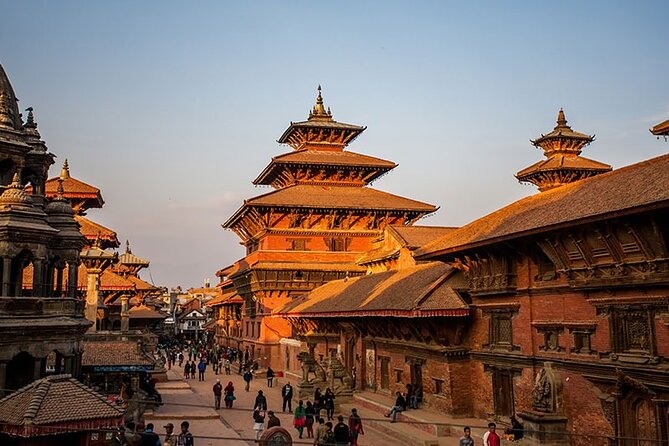
Kathmandu is where the trip changes tone. Day 6 is a full-day Kathmandu Valley tour with Buddhist and Hindu sites layered together. You begin with Swayambhunath (admission included). It’s one of the holiest Buddhist stupas in the region, and it’s the kind of place where you look around and feel like the city’s history is stacked in every direction.
Then you visit Kathmandu Durbar Square (admission included). This UNESCO site matters because it’s not just scenery. It’s an active ceremonial and ritual space tied to both Hindu and Buddhist life in the valley. The architecture feels intimate up close, even when it’s grand at first glance.
Next is Boudhanath Stupa (admission included). It’s listed as one of the most impressive structures in Kathmandu and visible from the airport approach area. This stupa is big, and it gives you the “slow down” feeling you want after India’s fast monument pace.
You can also add Singing Bowl In Nepal (listed as not included admission). This is more of a wellness activity slot than a sightseeing ticket, so you’ll want to decide if you want a structured session or prefer to spend that time wandering on your own.
Dinner is included on the overall tour, and there’s also Nepali Chulo with admission included (listed). That sounds like the food-focus portion of the day, which can be a relief after long days of walking and temple steps.
Day 7 in the valley: Patan and Bhaktapur for craftsmen, plus Pashupatinath
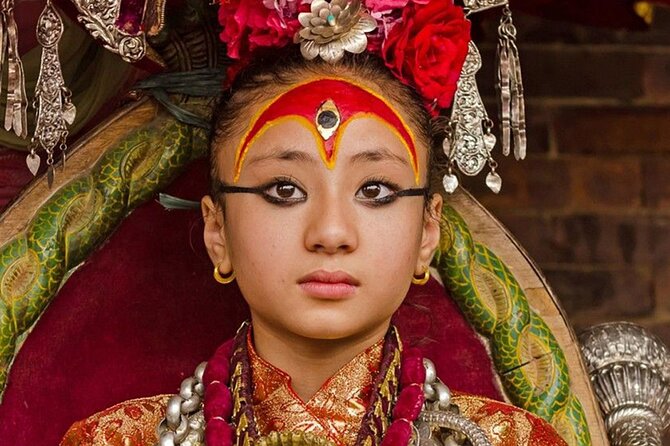
Day 7 expands beyond Kathmandu’s main square with two more durbar squares. You start with Patan (Lalitpur) Durbar Square (free admission). Patan is known for craftsmen and the way old techniques were preserved, and the layout of the place helps you appreciate artisan detail you might miss elsewhere.
Then you go to Bhaktapur Durbar Square (listed as not included). This is one of the three main durbar squares of the valley, and it’s described as a living representation of how the valley’s culture developed over time. The “not included” note matters: you may have to pay separately if you want entry at that specific point.
After that you visit Pashupatinath Temple (admission included). It’s a major Hindu pilgrimage site dedicated to Shiva, and the tour notes it as one of Nepal’s UNESCO World Heritage sites. This stop can be intense, not because it’s unsafe, but because it’s spiritually central and you’re surrounded by ritual life. Plan to give it a few extra minutes to look, then step back and reset.
Day 8: Dhulikhel viewpoint and a calm ending back in Kathmandu
Your final day is built for the “let’s see the mountains” effect without turning it into a full hiking day. You visit Dhulikhel (free admission) and get a reputation as a top spot for Himalayan views. The distances are noted as roughly 30 km from Kathmandu Durbar Square and 15 km from Bhaktapur Durbar Square, so it’s close enough to feel like an easy day out.
The day includes time to view snow-capped peaks, then you return for your hotel breakfast. The tour then ends with dropping you at Kathmandu Airport or your Kathmandu hotel.
Transport, tickets, and what’s actually included in the value
This tour includes more than guides and sight tickets. Transportation is handled by a chauffer-driven air-conditioned vehicle for the entire trip at your disposal. You also get unlimited bottled mineral water in the vehicle, which matters more than it sounds when you’re doing hot-weather forts and step-well walks.
On the ticket side, the listing covers entrance fees at the monuments where it says admission ticket included. It also calls out where admission is free, like parts of Chandni Chowk and certain photo stops in Jaipur. For the few activities marked as not included (like Singing Bowl In Nepal and Bhaktapur Durbar Square), you should expect a potential extra on-the-spot cost.
Two practical transport bonuses show up in the itinerary:
- Battery bus/golf cart return ride at the Taj Mahal and at Fatehpur Sikri
- Jeep ride to/from Amer Fort if you skip walking up
Those aren’t flashy, but they can make the difference between feeling fresh for the next stop and feeling wrecked.
On the meal side, the tour includes dinner and breakfast (7), but lunch and most snacks aren’t specified in the included list. So you’ll likely want to carry some flexible cash or card options for lunches outside the planned dinner/breakfast structure.
Hotels are included only if you choose an option including them: the listing says 7 nights on twin sharing if booked with an option that includes hotels. If you’re booking hotel separately, confirm what portion of accommodation is actually included.
Price check: is $1,796 per person good value?
At $1,796 per person for roughly 8 days, the big question is what you’re paying for beyond the route. Here, you’re covering:
- guided sightseeing for each day’s planned stops
- many monument entrance fees (not just one main site)
- private use of an air-conditioned vehicle
- several “time-savers” like battery bus and Amer Fort jeep
- the flight from Jaipur to Kathmandu via Delhi by scheduled commercial airline
- hotel nights if you select the option that includes them
- breakfast and a dinner included
If you tried to piece this together yourself, the flight routing, driver coordination across multiple cities, and ticket planning would add up fast—especially when you’re dealing with different countries and changing day-to-day logistics.
The main reason this can still feel expensive is simple: you’re paying for structure. If you prefer independent travel, this might feel “too planned.” But if you want fewer decisions and fewer missed turns, the price tends to make more sense.
Who this tour suits best (and who should reconsider)
This tour fits you if you like seeing major “musts” in a short time and you’re happy to follow a guide-led rhythm. It also suits families and mixed-experience groups because the pace is organized, and the private setup reduces the awkward moments when people move at different speeds.
You might want to adjust expectations if:
- you want lots of free time to wander without structure
- you hate early starts (Taj Mahal is early)
- you’re sensitive to schedule shifts based on closures (Taj Friday rule, Akshardham Monday rule) and weather (sunrise timing)
One more note from past guide feedback: the company has arranged Spanish-speaking help in some cases, such as a named guide Ankit. Language can matter a lot on cultural sites, so if that’s important to you, bring it up during booking.
Should you book this India and Nepal essentials tour?
If your goal is a guided, “see the classics without the stress” trip across India and into Kathmandu, I think this is a solid option. The balance is good: Delhi and Agra give you Mughal-era anchors, Jaipur adds forts and palace-side culture, and Kathmandu shifts you into UNESCO durbar squares and stupas with real ritual context.
I’d book if you value included guides, many entrance fees, private transport, and you don’t want to manage cross-border logistics alone. I’d hesitate if you want a lot of independent wandering time or if the cost feels like a stretch compared to what you’d pay for a more DIY route.
If you do book, pack for early mornings, plan for weather variability on the Taj sunrise idea, and confirm which hotel option you’re choosing. Those small checks make the difference between a smooth trip and a mildly annoying one.
FAQ
How long is the tour?
The tour runs for about 8 days.
Where does the tour start and end?
It starts in Kathmandu, Nepal and ends back in Kathmandu, with drop-off at the airport or your Kathmandu hotel or another desired location in Kathmandu.
Is Taj Mahal admission included?
Yes, Taj Mahal admission ticket is listed as included. Keep in mind Taj Mahal is closed every Friday, and if your scheduled visit is on Friday, you will visit on the prior day instead.
What about Akshardham in Delhi—what if it’s closed?
Akshardham Temple in Delhi is closed every Monday. If your scheduled day falls on Monday, the tour notes you will visit Akshardham Temple a day prior.
Is there a flight included between India and Nepal?
Yes. The tour includes a flight from Jaipur to Kathmandu with a connection in Delhi by scheduled commercial airlines.
What baggage allowance should I plan for on that flight?
The listing states a 20 kg check-in baggage allowance for the flight from Jaipur to Kathmandu via Delhi.
Do I need a visa?
All travelers need a valid visa prior to arrival in India. Nepal visa can be obtained upon arrival at Kathmandu airport, based on the information provided.
Is the tour really private?
Yes. It is listed as a private tour/activity with your group only, and no sharing of other tourists is allowed.