REVIEW · NEW DELHI
3 Nights, 4 Days Golden Triangle Tour From Delhi
Book on Viator →Operated by Arush Tours · Bookable on Viator
Golden Triangle tours can feel like a blur. This one is built around big icons with real-world planning to keep the days moving. You’ll go from New Delhi to Agra to Jaipur and back, with time spent at major Mughal and Rajput sites (and a proper dose of Delhi history at the end).
What I like most is the hotel pickup and drop-off. It removes the usual stress of sorting transport across three cities, especially on day-to-day schedules that can stretch to 4–5 hours of driving. I also like that you get a professional guide and breakfast each morning, which helps you spend your energy on the sights instead of logistics.
The main drawback to consider is simple: monument entrance fees are not included. That means your final cost may tick up depending on which tickets you buy (and how many sites you decide to enter on each day).
In This Review
- Key things that make this Golden Triangle plan work
- Golden Triangle in 4 days: what your time is really buying
- Price and value: what $151.43 covers (and what to budget for)
- Day 1 in Agra: the Taj Mahal day with backup Mughal stops
- Day 2: Fatehpur Sikri turns the Agra-to-Jaipur drive into a real stop
- Day 3 in Jaipur: the “breeze palace,” fort walls, and a science stop
- Day 4 in Delhi: monuments that change the mood fast
- Guides, cars, and the small details that matter more than you think
- Practical tips so you enjoy each site (instead of just surviving them)
- Who should book this tour, and who might not love it
- Should you book? My take for value-focused visitors
- FAQ
- What cities does this Golden Triangle tour cover?
- How long is the tour?
- Is pickup available from Delhi and nearby areas?
- Are monument entrance fees included in the price?
- Are meals included?
- What kind of transport do you use between cities?
- Is this tour private?
- What stops are included in Agra?
- Is free cancellation available?
- Can I expect a mobile ticket?
Key things that make this Golden Triangle plan work
- Pickup from Delhi, Gurgaon, or Noida gets you onto the road without wasting time
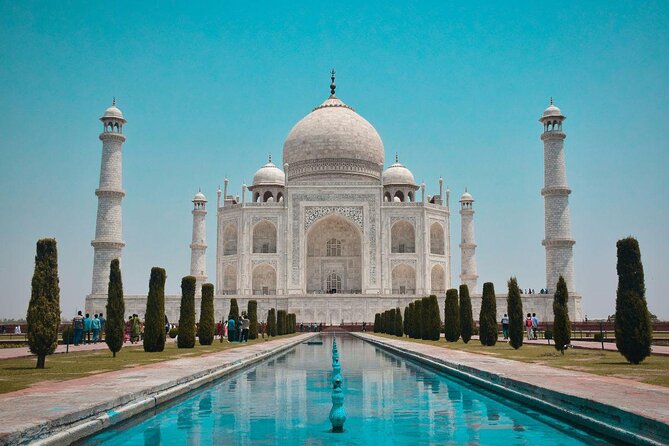
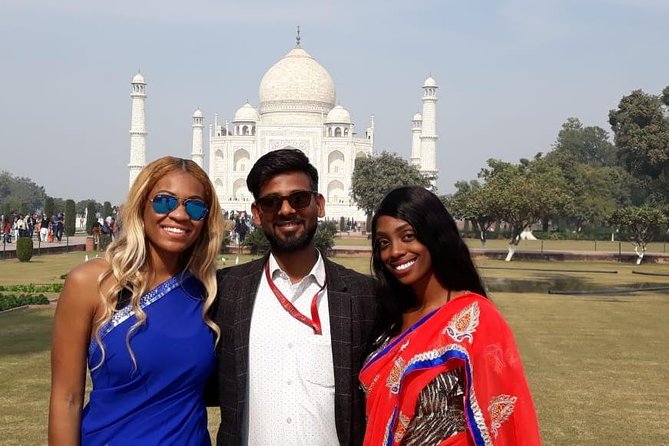
- Taj Mahal + Agra Fort + Itmad-ud-Daula give you Mughal variety, not just one photo stop
- Fatehpur Sikri en route turns a long transfer into a meaningful break
- Amber Fort, City Palace, and Jantar Mantar cover Jaipur’s best mix of fortification, royalty, and science
- A Delhi finish with Raj Ghat, India Gate, Qutub Minar, Lotus Temple, and Humayun’s Tomb keeps your final day full
- Breakfast included helps you handle early starts and long museum walks
Golden Triangle in 4 days: what your time is really buying
This is a classic “big three” India route: Delhi, Agra, Jaipur. The value here isn’t just that the stops are famous. It’s that the tour compresses the journey smartly, using drive times to get you from one cultural zone to the next without making you manage tickets, guides, or separate transfers.
In 4 days, you’re essentially doing three mini trips stitched together. Day 1 centers on Mughal power in Agra. Day 2 transitions through Fatehpur Sikri on the way to Jaipur. Day 3 is Jaipur’s best hits, then the schedule pulls you back toward Delhi. Day 4 stacks a handful of Delhi landmarks—so you end with a strong finish, even if you’re not staying long in the capital.
If your goal is efficiency with structure, this plan makes sense. If your goal is slow travel, lots of free time, and a flexible pace, you may feel the pressure of seeing a lot in a short window.
You can also read our reviews of more tours and experiences in New Delhi


Price and value: what $151.43 covers (and what to budget for)
At $151.43 per person for a 3-night / 4-day format, the cost is designed to cover the big moving parts. You get professional guidance, hotel pickup and drop-off, taxes/parking/handling charges, and breakfast for 4 days. There’s also mention of group discounts and a mobile ticket, which typically helps with smoother on-the-day logistics.
What’s not included is crucial: monument entrance fees. That’s normal for Golden Triangle tours, but it’s still your main “surprise budget” risk. If you plan to enter every major site listed across Agra, Jaipur, and Delhi, your add-on tickets can become meaningful. I’d treat it like this: the tour price pays for the route, the guide, and the transport. Your entrance tickets are the extra line item you should plan for.
One more value note: you’re not just paying for “seeing places.” You’re paying for someone to keep the day organized. When you’re moving between three cities, that kind of time-saving is worth money—especially if you don’t want to figure out drivers, timing, and meeting points on your own.
Day 1 in Agra: the Taj Mahal day with backup Mughal stops
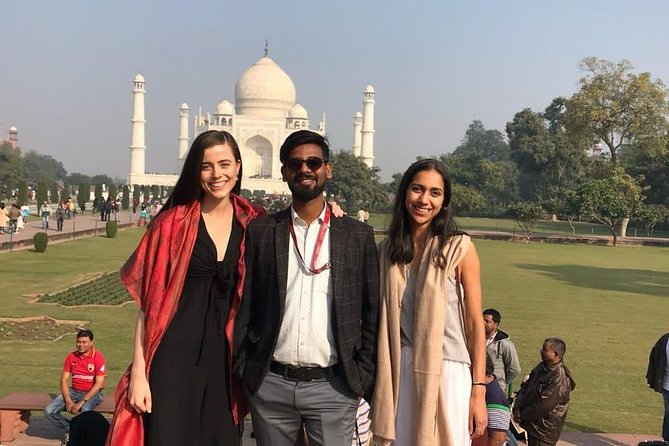
Day 1 starts with a private, air-conditioned transfer from your lodging in Delhi, Gurgaon, or Noida to Agra. The drive is listed around 3.5 hours, which is about as realistic as it gets for this route depending on traffic.
Then you hit the highlights:
- Taj Mahal (about 3 hours on-site, entrance fees not included)
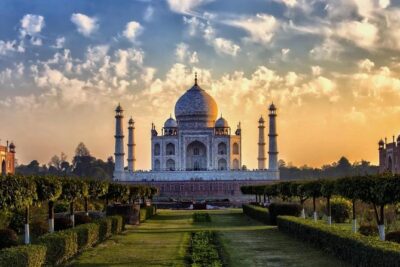
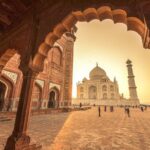
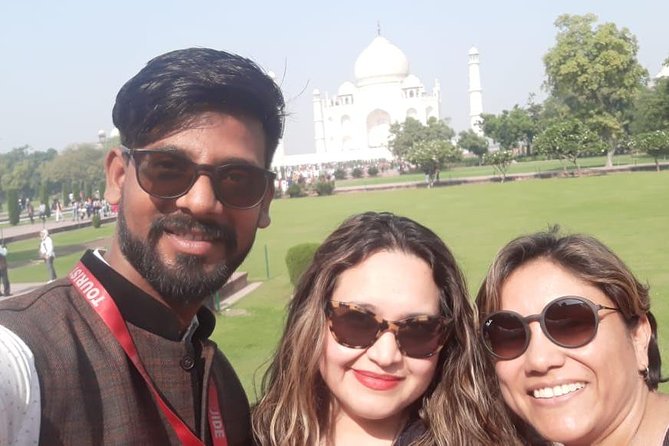
This is the headliner, so expect a photo-heavy start and crowds. Go in with the mindset that you’re there to enjoy the scale and symmetry, not to rush every walkway. Even a short time with the details—arches, calligraphy zones, and the way the building sits in the landscape—can change the experience from a checklist item to a memory.
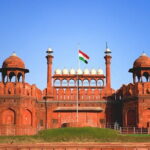
- Agra Fort (around 2 hours)
After Taj Mahal, Agra Fort adds context. It helps you understand the Mughal city as a walled power center rather than just a tomb.
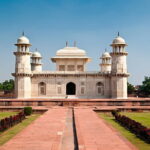
- Itmad-ud-Daula, also called Baby Taj (around 1 hour)
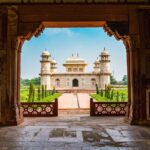
This stop is a smart choice. It gives you a smaller, often calmer contrast to Taj Mahal. If you like architectural detail, this is where you might slow down a little and really look.
Lunch is your own expense, so plan for a paid meal near the sites rather than hoping you’ll find quick food exactly on schedule. The rest of the day is structured around timing and location, which is exactly what you want after a drive.
Day 2: Fatehpur Sikri turns the Agra-to-Jaipur drive into a real stop
On Day 2, you travel from Agra to Jaipur by road, about 260 km / around 5 hours. Instead of making it an empty transit day, the plan includes Fatehpur Sikri along the way.
Fatehpur Sikri is listed with about 2 hours for the stop, and admission is marked as free in the provided details. Even without going super deep into names and legends, you’ll feel the difference between this site and the Taj/Agra Fort style of Mughal monuments. It’s a complex and atmospheric place that breaks up the travel day and keeps the momentum.
When you arrive in Jaipur, the tour checks you into your hotel and continues with the classic rhythm: a transition day morning, then a calmer evening setup for the next day’s heavier sightseeing.
Day 3 in Jaipur: the “breeze palace,” fort walls, and a science stop
Day 3 is a packed Jaipur day before you head back toward Delhi. It includes both photo opportunities and longer cultural stops.
Here’s what to expect:
- Hawa Mahal (Palace of Breeze)
You get a brief photo stop (about 1 hour). This is one of those places where the outside is the star. Even if you don’t spend forever inside, it’s worth getting your photos quickly, because the real point is the distinctive facade and the idea behind it.
- Amber Palace / Amber Fort
This is the bigger time block (around 2 hours). Amber Fort tends to be the day’s standout for many people because it feels less like a single monument and more like a whole world of courtyards and ramparts. Wear shoes you can handle on uneven stone.
- City Palace Museum
You get about 1 hour here. The value is variety: paintings, carpets, weapons, and costumes are mentioned in the tour details. Even if you’re not an “museum person,” this can break up the monument-only feel of the trip.
- Jantar Mantar observatory + old-city markets
You’re scheduled for around 1 hour at Jantar Mantar, including the 90 ft. sundial note. After that, you also have time to explore nearby old-city shopping areas. This is where you can buy small things without turning the day into a long detour.
The day ends with an evening drive back to Delhi and an overnight stay. That means you’ll want to keep your energy for walking at Amber Fort and not save everything for last-minute souvenir hunts.




Day 4 in Delhi: monuments that change the mood fast
Your final day mixes memorials, war remembrance, major UNESCO-linked architecture, and a modern spiritual stop.
Order of sights:
- Raj Ghat (about 1 hour)
A memorial dedicated to Mahatma Gandhi. This tends to slow the day down and shift the tone from palaces and forts to reflection.
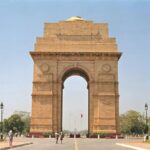
- India Gate (about 1 hour, free)
A war memorial on Rajpath. It’s one of those “walk up, take it in, move on” stops, best enjoyed when you have energy to look closely at surroundings and the long ceremonial axis feel.
- Qutub Minar / Qutb complex (about 1 hour)
Listed as part of a UNESCO World Heritage Site. Qutub Minar itself is the visual anchor, and the area helps you connect early Indian architecture and later layers of influence.
- Lotus Temple
A Bahá’í House of Worship, flowerlike in shape, dedicated in December 1986. This one gives the trip a modern counterpoint so the last day isn’t only Mughal and medieval.
- Humayun’s Tomb (final stop, about 1 hour)
A Mughal tomb commissioned in 1569–70 by Humayun’s first wife. It’s a satisfying capstone because it keeps the Mughal theme while giving you something slightly different in scale and style compared to Agra.
If you like “variety per hour,” this day is designed for you. If you want more time in fewer places, you might find Day 4 feels tightly scheduled.
Guides, cars, and the small details that matter more than you think
The experience leans heavily on planning and human support. In the feedback, the tour is strongly associated with friendly, effective guides such as Arman Akhtar and Farhan, plus a driver noted as Shami for skilled driving and comfort. That matters because Golden Triangle routes are partly about the roads. A good guide can turn a stressful commute into an easier day by managing timing and meeting points.
You’ll travel in a private, air-conditioned vehicle for the intercity segments. That’s not glamorous, but in India’s heat and traffic it’s a real quality-of-life upgrade. The day also includes breakfast each morning, which is practical for managing long museum blocks without constantly searching for food.
One more small but important factor: the tour is described as private, with only your group participating. For most people, that means less waiting around for other schedules and fewer surprises with where and when you gather.
Practical tips so you enjoy each site (instead of just surviving them)
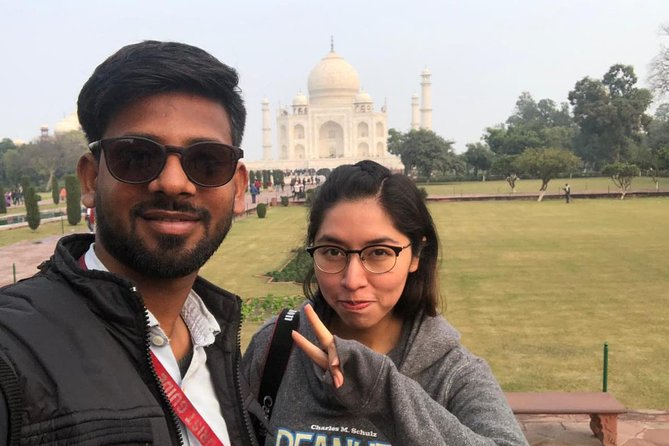
Golden Triangle is famous for being packed, so you’ll enjoy it more if you plan your body and attention, not just your camera.
- Aim to take photos early, then slow down. For major monuments, your first 20–30 minutes often shape how you feel the rest of the visit.
- Bring water and plan for your own lunches on Day 1. Lunch is listed as own expense, and you don’t want to lose time hunting for something open.
- Expect walking at Amber Fort and around old areas. Comfortable shoes matter more than a nicer outfit.
- If you’re sensitive to long days, prioritize the “big three” priorities for you. If you’re less into museums, give the extra energy to the fort/major monuments.
Who should book this tour, and who might not love it
This tour fits best if you want:
- a structured first-time Golden Triangle plan
- the convenience of pickup and drop-off in Delhi/Gurgaon/Noida
- a balance of Mughal monuments and Rajput Jaipur highlights
- help with guidance and timing across three cities
It may be less ideal if you:
- hate packed schedules
- strongly prefer museum time over monument time (or the other way around)
- want entrance fees fully included in the price and don’t want to add a ticket budget
Should you book? My take for value-focused visitors
If you’re looking at this and thinking, I want the main sights with minimal hassle, this is a reasonable pick. The combination of private transfers, professional guidance, and breakfast included makes it easier to manage the days without a lot of mental load. The route also avoids a common mistake: leaving your Agra-to-Jaipur travel day empty by inserting Fatehpur Sikri.
My booking advice hinges on one thing: entrance fees. Before you say yes, look at your likely ticket plan for the sites you care about most. If you’re happy to add those costs, you’re in good shape.
If you want, tell me your travel month and what you care about most (architecture, history, shopping, or food). I can suggest which stops to treat as must-enter versus photo-only so your time and ticket budget feel balanced.
FAQ
What cities does this Golden Triangle tour cover?
It covers New Delhi, Agra, and Jaipur over 4 days (3 nights).
How long is the tour?
The duration is about 4 days.
Is pickup available from Delhi and nearby areas?
Yes. Pickup and drop-off are offered from Delhi, Gurgaon, and Noida.
Are monument entrance fees included in the price?
No. Monument entrance fees are not included.
Are meals included?
Breakfast is included for 4 days.
What kind of transport do you use between cities?
You travel by private, air-conditioned vehicle for the transfers.
Is this tour private?
Yes. Only your group participates.
What stops are included in Agra?
You visit the Taj Mahal, Agra Fort (Red Fort), and Itmad-ud-Daula (Baby Taj).
Is free cancellation available?
Yes. You can cancel up to 24 hours in advance for a full refund.
Can I expect a mobile ticket?
The tour includes a mobile ticket.