REVIEW · NEW DELHI
5 Days Private Golden Triangle Tour from Delhi
Book on Viator →Operated by Aalin Tours · Bookable on Viator
Golden Triangle in five days can feel fast, but this private plan makes it work. What I like most is the door-to-door A/C transfers and the private live guide who ties all the sights together. The main thing to watch: it’s a packed route with entrance fees not included, so your final budget depends on ticket prices.
I also like that the trip mixes major monuments with street-level Delhi time—especially the Old Delhi stop, where you get a tuk-tuk ride through narrow lanes and busy markets. On top of that, the itinerary includes standout Mughal and Rajput landmarks like Jama Masjid, Humayun’s Tomb, the Taj Mahal, and Jaipur’s Hawa Mahal.
One possible drawback is simply energy and timing. You’ll have long road days between cities and some visits are short (often 30–90 minutes), which can feel rushed if you want to linger or photograph slowly.
In This Review
- Key Highlights You’ll Feel During This Tour
- Golden Triangle in 5 Days: What You’re Really Buying for $350
- Day 1: Airport Pickup and Your First Look at Delhi
- Day 2 in Delhi: Jama Masjid, Old Delhi by Tuk-Tuk, Humayun’s Tomb, and Qutub Minar
- Jama Masjid: A Massive Mughal-Era Scale Moment
- Chandni Chowk: The Old Delhi Streets You’ll Actually Remember
- Humayun’s Tomb: The Garden Tomb That Inspired the Taj
- Qutub Minar: Indo-Islamic Craft at Full Height
- Lotus Temple and India Gate: Calm Stops to Reset Your Pace
- Delhi logistics reality check
- Leaving Delhi for Agra: Hotel Drop-Off Done for You
- Agra Day 3: Taj Mahal First, Agra Fort, Then Fatehpur Sikri on the Way to Jaipur
- Taj Mahal: Why Early Starts Matter
- Agra Fort: Mughal Power With Viewlines to the Taj
- Fatehpur Sikri: The UNESCO Stop That Breaks Up the Road
- Jaipur Day 4: Hawa Mahal, City Palace, Jal Mahal, Plus Fort Views
- Jaigarh Fort: Fort Views and the Jaivana Cannon
- Hawa Mahal: The Honeycomb Façade With 953 Windows
- City Palace of Jaipur: Royal Architecture in One Place
- Jal Mahal: The Water Palace Photo Pause
- Amber Fort? Expect Fort Time in the Jaipur Area
- Day 5 Back to Delhi: A Short Goodbye Day
- The Real Value Check: What’s Included vs What You’ll Pay On Top
- Included
- Not included (and matters most)
- Guides and Drivers: Why This Tour Feels Personal
- Who Should Book This Private Golden Triangle Tour
- Should You Book This 5-Day Private Golden Triangle from Delhi?
Key Highlights You’ll Feel During This Tour
- Private, live guides in each city, not just a driver steering you around.
- Old Delhi tuk-tuk ride that turns a long street visit into something more fun and efficient.
- Early start for Agra so you can get to the Taj Mahal in a better rhythm (some departures involve a wake-up around 3 a.m.).
- UNESCO stops built into the route, including Humayun’s Tomb, Qutub Minar, Agra Fort, and Fatehpur Sikri.
- Comfort-focused logistics: A/C car, tolls covered, and hotel drop-offs handled for you.
- Fort-and-palace photography time, especially around Jaipur’s pink sandstone sights and views from the fort area.
Golden Triangle in 5 Days: What You’re Really Buying for $350
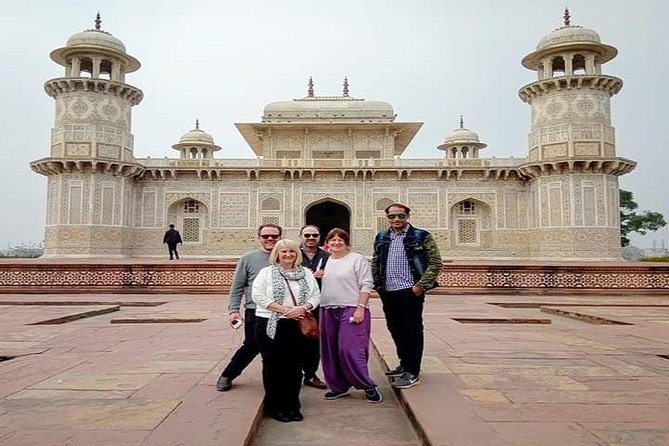
This is the classic Delhi–Agra–Jaipur triangle, condensed into a private VIP-style experience. The price is listed at $350 per person, and in practice you’re paying for three big things: tight itinerary planning, private guiding, and the hassle-free transport between cities.
Here’s the value angle that matters: going independently means you’d spend time arranging guides, booking hotels, figuring out routes, and chasing tickets across three cities. This tour bundles those moving parts. Plus, you get 4 breakfasts and four nights of hotel when you choose the 4-star or 5-star option (the trip notes it’s included if selected).
What’s not automatically included is monument entry. Entrance fees are listed as approximate and not included, so budget for tickets once you know the exact date. If you care about seeing every major site, those add-ons can change the “final cost” more than you’d expect.
You can also read our reviews of more private tours in New Delhi



Day 1: Airport Pickup and Your First Look at Delhi
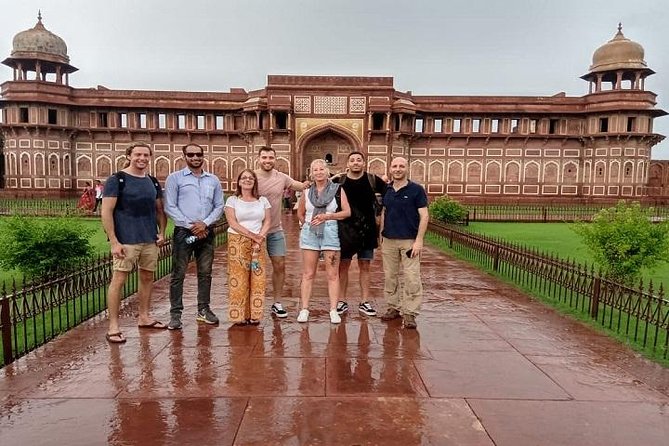
Day one is simple: your driver picks you up from the airport and takes you to your hotel. That’s not glamorous, but it’s hugely practical in Delhi, where traffic can shift fast and finding a meeting point after a long flight can eat your day.
If you want the trip to feel smooth from minute one, this format is exactly what you’re looking for: no stress, no waiting around, and an easy landing into India.
Day 2 in Delhi: Jama Masjid, Old Delhi by Tuk-Tuk, Humayun’s Tomb, and Qutub Minar

Delhi day is where the tour earns its keep, because it pairs big-ticket monuments with street time—without turning everything into a blur of back-to-back selfies.
Jama Masjid: A Massive Mughal-Era Scale Moment
Jama Masjid is one of India’s largest mosques, built in 1656, with red sandstone and a huge courtyard. You’ll get about 45 minutes here.
Practical note: the ticket isn’t included, so plan for entry. Also, dress modestly and be ready for a lively atmosphere inside the complex.
Chandni Chowk: The Old Delhi Streets You’ll Actually Remember
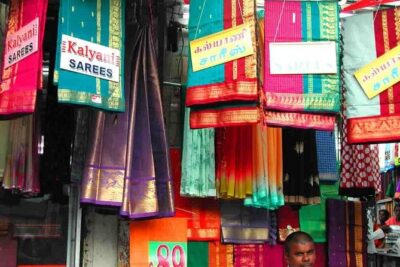
Then comes Chandni Chowk, one of Delhi’s oldest and most active old-city areas. You’ll spend about 1 hour and (as included in the tour features) you’ll get a tuk-tuk ride in Old Delhi.
This is one of the most enjoyable parts of the whole trip because you’re not just looking from outside—you’re moving through the human-scale streets that make Delhi feel like Delhi.
You can also read our reviews of more tours and experiences in New Delhi





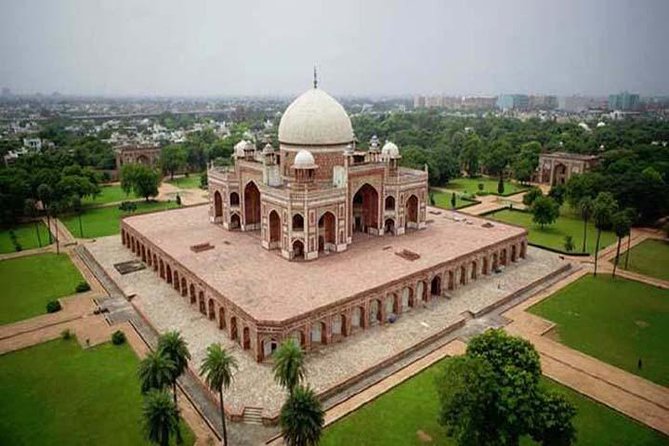
Humayun’s Tomb: The Garden Tomb That Inspired the Taj
Next is Humayun’s Tomb, a UNESCO World Heritage Site and often described as a “prototype” for later Mughal garden-tomb design. Expect about 1 hour.
The ticket is not included, but the payoff is big: it’s one of those places where architecture and layout help you understand what you’re seeing. Even if you’re not the type to read every plaque, you’ll still feel the symmetry and planning.
Qutub Minar: Indo-Islamic Craft at Full Height
Qutub Minar (another UNESCO site) gives you a 73-meter brick minaret built in the 13th century, with intricate carvings. You’ll have about 1 hour here.
Again, entrance isn’t included. If you’re the type who enjoys details, this is where you’ll appreciate the work in the stone and patterns.
Lotus Temple and India Gate: Calm Stops to Reset Your Pace
After the monuments, the itinerary includes the Lotus Temple (about 30 minutes, closed every Monday) and then India Gate for a shorter stop (about 15 minutes).
Lotus Temple is a Bahá’í House of Worship open to all faiths, and the big visual is the lotus-shaped form. India Gate is the war memorial with lawns and an eternal flame. These two stops act like a breather day—architecture, then reflection.
There’s also a stop for Rashtrapati Bhavan, the President of India’s official residence. Expect an exterior look as part of the day’s flow.
Delhi logistics reality check
Delhi day is long—your guide and driver are moving you between zones efficiently, but it’s still a lot of stops. If you like museums and architecture and can keep a steady pace, you’ll do great. If you hate “scheduled sightseeing,” this day may feel like a sprint.
Leaving Delhi for Agra: Hotel Drop-Off Done for You
After finishing Delhi, your driver takes you to Agra, dropping you at your hotel (or wherever you’ve arranged for lodging). This is one of those quiet advantages of a private tour: you don’t lose time coordinating transit.
You also avoid the “how do we get there now?” feeling that can derail an itinerary.
Agra Day 3: Taj Mahal First, Agra Fort, Then Fatehpur Sikri on the Way to Jaipur
This day is the heart of the Golden Triangle. It starts early in the morning, with pickup from your hotel and a guide meeting before the Taj Mahal visit.
Taj Mahal: Why Early Starts Matter
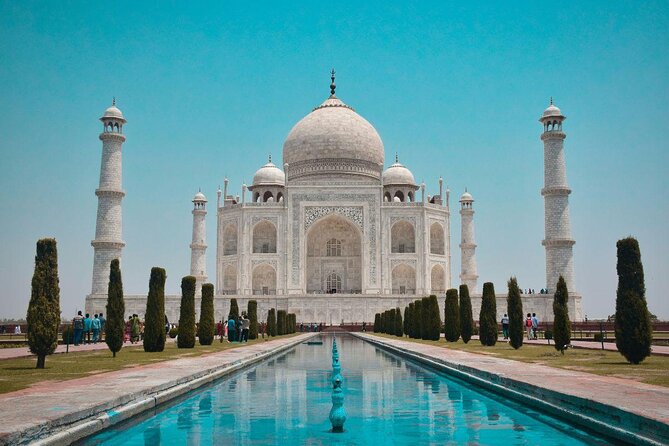
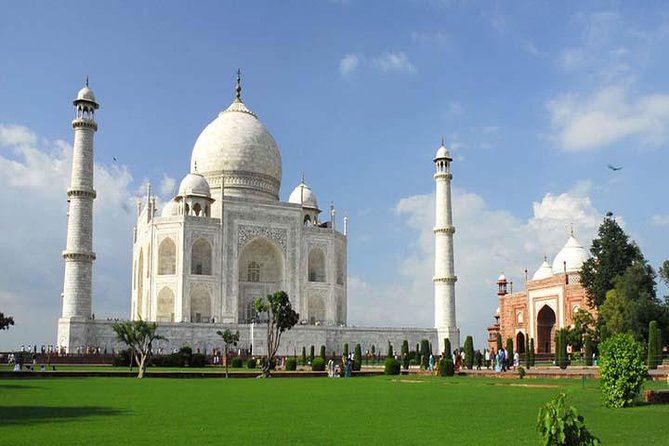
The Taj Mahal is the big one: white marble, built by Shah Jahan in memory of his wife, and famous for its symmetry. You’ll have about 2 hours here.
The ticket is not included, and the Taj Mahal is closed every Friday. So if your travel dates land on a Friday, you’ll need to plan around it.
One tip that really matters: some departures involve a wake-up around 3 a.m. to see the Taj Mahal with fewer crowds. Even if your exact time varies, plan for an early morning. It changes the whole vibe—light, sound, and the flow of your photos.
Agra Fort: Mughal Power With Viewlines to the Taj
Next is Agra Fort, a UNESCO site and once a Mughal seat of power. You’ll get about 1 hour 30 minutes.
This is where you understand the Taj Mahal differently. You see the fort’s scale and power, and you get classic sightlines back toward the Taj area. Tickets aren’t included here either.
Fatehpur Sikri: The UNESCO Stop That Breaks Up the Road
Then the tour pauses at Fatehpur Sikri before heading to Jaipur. Fatehpur Sikri is a UNESCO World Heritage Site and was built by Emperor Akbar in the 16th century. You’ll spend about 1 hour and see palaces, courtyards, and the notable Jama Masjid.
Ticket here is listed as free on the plan, which is a nice budget-friendly note. It’s also an atmospheric stop because you’re moving through ruins and restored spaces that feel different from the working-city energy of Delhi and Agra.
If you want one “cool down” stop in a travel-heavy day, this is it.
Jaipur Day 4: Hawa Mahal, City Palace, Jal Mahal, Plus Fort Views
Jaipur is where the tour shifts from Mughal stone to Rajput-era color and palace geometry. You’ll start with pickup from your hotel and meet your guide for a full city tour.
Jaigarh Fort: Fort Views and the Jaivana Cannon
You’ll visit Jaigarh Fort, built in the 18th century. It includes stunning views over Jaipur and houses the world’s largest cannon, Jaivana.
You’ll have about 2 hours here. Ticket isn’t included. If you like fortifications and military history, this is a strong stop.
Hawa Mahal: The Honeycomb Façade With 953 Windows
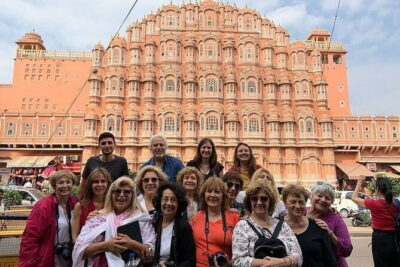
Then comes Hawa Mahal, built in 1799 and famous for its 953 windows. The idea: royal women could observe street life from privacy.
Expect about 30 minutes. Tickets aren’t included.
This one’s fast, but it’s also iconic. Go in with an eye for the façade—why it looks like it does, and what the design let people do.
City Palace of Jaipur: Royal Architecture in One Place
Next is the City Palace of Jaipur, which blends Rajasthani and Mughal styles. You’ll explore courtyards, gardens, and rooms like Mubarak Mahal and Chandra Mahal.
You’ll have about 1 hour, and entry isn’t included.
This is one of the places where a guide helps. The palace is layered. With a guide, you’ll connect the shapes and functions faster than you would alone.
Jal Mahal: The Water Palace Photo Pause
Then there’s Jal Mahal, the Water Palace that appears to float on Man Sagar Lake. You’ll have about 15 minutes for photos.
Entry is listed as free for this stop. Even with the short time, it’s an easy visual payoff.
Amber Fort? Expect Fort Time in the Jaipur Area
The tour highlights also call out a jeep ride to Amber Fort. While your day’s detailed stops here focus on Jaigarh and the city sights, it’s worth confirming with your operator that Amber Fort is on your exact route and when the ride will happen. Fort viewpoints are a theme of Jaipur day either way, and you’ll likely want comfortable shoes and time for photos from higher ground.
Day 5 Back to Delhi: A Short Goodbye Day
Day five is mainly transit: your driver takes you from Jaipur to Delhi and drops you off.
It’s not a “see one more thing” day. The idea is to keep the last hours from turning into stress. Your memories come from the five-day sequence, not from forcing an extra stop on the way out.
The Real Value Check: What’s Included vs What You’ll Pay On Top
Here’s the practical ledger:
Included
- Private air-conditioned car with door-to-door transfers
- Private live guide in all cities
- Tuk-tuk ride in Old Delhi
- All tolls and taxes
- Breakfast (4)
- Four nights accommodation if you choose the tour option with 4-star or 5-star hotels
- Mobile ticket
- Pickup offered
- Group discounts (if you fit the group size for that offer)
Not included (and matters most)
- Entrance fees (approximate)
- Tips/gratuities
This is why I call it “value with a caveat.” The tour price covers a lot of logistics and guiding. But monuments in India can add up, and the plan itself lists tickets as separate.
If you’re the type who hates surprise costs, ask ahead for an estimated ticket total based on your travel dates.
Guides and Drivers: Why This Tour Feels Personal
One thing that shows up again and again in the experience: the human team.
Recent groups praised guides such as Iqrar, Mohsin, Mohammed, MK, and support like SMS (noted for making things work even when a preferred language expectation wasn’t met). Drivers like Neeraj Kumar and teams including Maharaj and Kailasi were praised for being caring and responsible.
Even when the monuments are the headline, the guide makes or breaks how fast you understand what you’re looking at. If you enjoy questions—what changed, why the design is like this, and what to notice first—this private format is a great match.
Who Should Book This Private Golden Triangle Tour
This tour makes the most sense if you:
- Want to see Delhi, Agra, and Jaipur without juggling logistics.
- Like having a guide explain the “why” behind major monuments.
- Prefer comfort after long road days: A/C car, hotel drop-offs, and breakfasts handled.
It may feel less ideal if you:
- Want a slow travel pace or long museum-style wandering.
- Don’t like early mornings (the Taj Mahal visit can require an intense start).
- Hate itinerary-driven days with limited time at each stop.
Should You Book This 5-Day Private Golden Triangle from Delhi?
My take: yes, if you want a well-run Golden Triangle with private guiding and minimal friction. You’re paying for time saved and for a guide-led flow that helps you actually connect the sites.
Before you book, do two quick checks:
- Confirm how entrance fees are handled for your dates, and budget for them.
- Plan around closure days: the Taj Mahal closes every Friday and the Lotus Temple closes every Monday.
If your dates dodge those closures and you’re okay with a packed five days, this is a strong way to get the highlights—without doing the heavy lift of planning across three cities.