REVIEW · NEW DELHI
Private 4-Days Golden Triangle Luxury Tour From Delhi
Book on GetYourGuide →Operated by Travel India One Day · Bookable on GetYourGuide
Three cities, easy days, and real standout sights. This private tour bundles early Taj Mahal time with private local guides and luxury stays, so you can focus on seeing instead of scheduling. One thing to plan for: monument entry tickets aren’t included, and some places may not take credit cards—cash helps.
I like how the day-by-day plan makes sense for first-timers, with a Delhi half-day to set the stage, sunrise in Agra, and a full Jaipur day packed with iconic stops. You also get practical flexibility: your itinerary can be tailored in each city, and you’ll have a new guide per destination for a fresh, focused perspective.
Logistically, it’s straightforward: you’ll be picked up from Delhi/Noida/Gurugram, ride in an air-conditioned vehicle, and then be dropped back in the city at the end. Expect some drive time—about 3.5 hours to Agra and about 5 hours to Jaipur—plus walking at forts and temples, so comfy shoes and sun protection matter.
In This Review
- 5 Key Things That Make This Golden Triangle Tour Work
- Why the Golden Triangle Feels Effortless When It’s Private
- Your 4 Days in Detail: Delhi to Agra to Jaipur and Back
- Day 1: Delhi City Center Highlights, Then Drive to Agra
- Day 2: Taj Mahal Sunrise, Then Agra Fort and Baby Taj
- Day 3: Jaipur Fort Views, Stepwell Charm, and Palace Icons
- Day 4: Return to Delhi for Airport or Hotel Drop-Off
- Taj Mahal Logistics: Tickets, Battery Bus, and Timing That Actually Helps
- Delhi’s Stops Feel More Real With the Stepwell and the Lotus Temple
- Agra After the Taj: Agra Fort and Itimad-ud-Daulah Are Not Just Filler
- Jaipur’s Big Day: Amber Fort + Hawa Mahal + Science + City Palace
- Luxury Hotels and Daily Breakfast: What You Get for the Price
- Getting Around: Vehicle Sizes and Comfort on the Road
- Guides, Language Support, and Personal Attention That Keeps It Smooth
- Quick Reality Check: What Could Be a Challenge for You?
- Who This Tour Fits Best
- Should You Book This Private 4-Days Golden Triangle Luxury Tour?
- FAQ
- FAQ
- Are monument entry tickets included in the tour price?
- What does the tour include for transportation?
- Is there a hotel stay included?
- What time is the Taj Mahal visit, and how do you get there?
- What languages are available for the live tour guide?
- What should I bring with me?
5 Key Things That Make This Golden Triangle Tour Work
- Taj Mahal before the crowd crush: a guided visit timed early, plus a battery bus ride from the parking area
- City-specific guidance: a private guide in each destination, typically in multiple languages
- Historic Delhi, not just postcard stops: Qutub Minar, Lotus Temple (Bahai), India Gate, and Agrasen Ki Baoli
- More than one Agra must-see: Agra Fort and Itimad-ud-Daulah, the so-called Baby Taj
- Jaipur icons in one focused day: Amber Fort, Hawa Mahal, Jantar Mantar, and City Palace
Why the Golden Triangle Feels Effortless When It’s Private
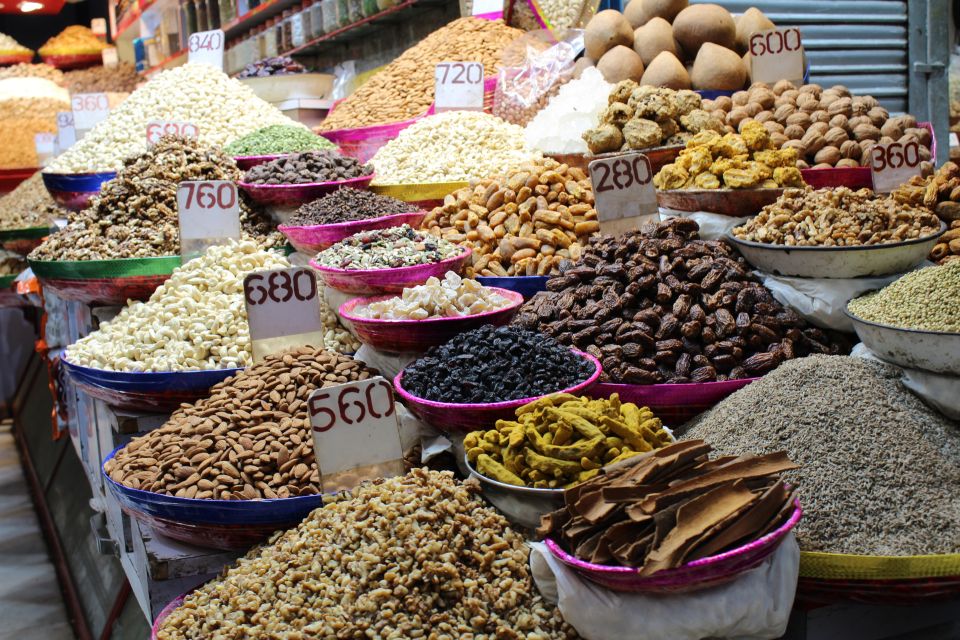
The Golden Triangle—Delhi, Agra, and Jaipur—can feel like a lot at once. Roads, crowds, ticket lines, guide handoffs, and deciding what’s actually worth your time can turn the trip into a mental workout. This format solves that by bundling the key pieces: private transport, knowledgeable local guidance, and tight routing across three major cities.
What you’re paying for is not just sightseeing. It’s friction removal. You’re not trying to coordinate buses, hunt for ticket counters, or translate directions while everyone else does the same thing at the same time. A dedicated driver and local guides keep the momentum steady, and that matters most in places like Agra and Jaipur where the pace can spike.
You can also read our reviews of more private tours in New Delhi



Your 4 Days in Detail: Delhi to Agra to Jaipur and Back
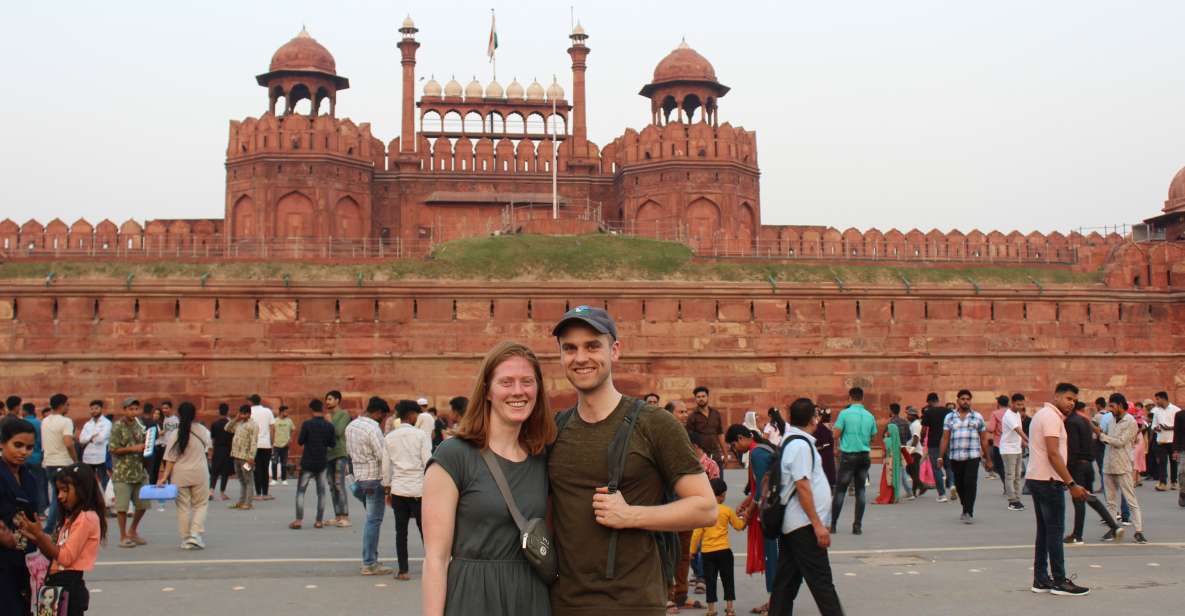
This is a compact 4-day route built around three anchors: Delhi’s big landmarks, Agra’s early-morning Taj Mahal, and Jaipur’s fort-and-palace skyline. If you want a first-time North India introduction that doesn’t drag, this pacing usually lands well.
Day 1: Delhi City Center Highlights, Then Drive to Agra
You’ll start with a pickup in Delhi (or nearby areas like Noida or Gurugram). From there, the tour focuses on Delhi’s central highlights with a half-day guided run.
What you’ll see in Delhi
- Qutub Minar: the classic early-Delhi monument tied to Qutub-ud-din Aibek
- Lotus Temple (Bahai Temple): modern-looking, calm, and photogenic
- India Gate: the solemn, iconic war memorial atmosphere
- Agrasen Ki Baoli: a stepwell that’s easy to overlook unless you’re with a guide
- You’ll also drive past major political buildings like Parliament House and the President’s Palace, giving you context without turning it into a long stop-and-go day
Then you’ll head for Agra, about 3.5 hours by road. After arrival, you check in and get to decompress at your hotel.
How this day feels in practice
Delhi can be chaotic. This works because it picks a manageable set of key stops, then hands you a clean transition to Agra instead of stretching your first day too thin.
Day 2: Taj Mahal Sunrise, Then Agra Fort and Baby Taj
This is the day most people remember. You’ll wake early to catch sunrise over the Taj Mahal, then go inside on a guided visit planned to happen before the heaviest crowds.
Taj Mahal: the early timing is the whole point
- You’ll do a guided visit of about 2 hours
- You’ll also get the battery bus ride from the parking area to the Taj Mahal monument, which saves time and energy when traffic and distances stack up
After Taj
Breakfast back at the hotel sets you up for a second round of Agra classics:
- Agra Fort: a fort complex with serious layers of power and history
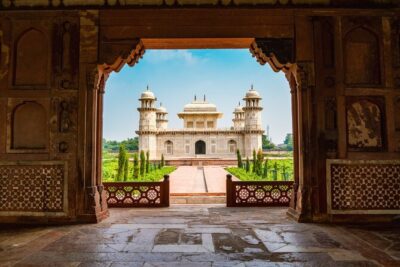
- Itimad-ud-Daulah (often called the Baby Taj): a smaller, more intimate mausoleum that rewards slower attention
Then you transition to Jaipur, about 5 hours’ drive, and check in for the night.
A useful consideration
You’ll spend long stretches in daylight heat. The guided Taj timing helps with crowd management, but you’ll still want water and sun protection for Fort time later in the day.
Day 3: Jaipur Fort Views, Stepwell Charm, and Palace Icons
Jaipur is built for wandering, but this tour keeps it efficient by clustering sights that are all within a sensible arc for one big day.
Morning and early sightseeing
- Amber Fort: the hilltop highlight and a must if you want the city’s regal scale
- Panna Meena ka Kund: an old stepwell with symmetrical stairways—quietly memorable if you like architecture details
- Jal Mahal: the palace in the water, mostly best for photos and skyline impressions
- Gatore ki Chhatriyan: intricately carved cenotaphs that feel more personal than the giant monuments
Afternoon city icons
- Hawa Mahal (Palace of the Winds): the famous facade that looks like it could breathe with the breeze
- Jantar Mantar Observatory: a working-style science landmark tied to time and astronomy
- Maharaja’s City Palace: a strong ending point that ties Jaipur’s story together
You’ll stay overnight in Jaipur.
How to enjoy this day more
If you’re the type who likes to linger, I’d pace yourself between stops. Jaipur has enough variety that rushing turns it into a photo sprint. The guide’s job is to explain what matters, so you can spend your energy where it counts.
You can also read our reviews of more tours and experiences in New Delhi






Day 4: Return to Delhi for Airport or Hotel Drop-Off
After breakfast, you’ll drive back to Delhi and be dropped off at your airport, railway station, or hotel.
It’s a clean finish—no last-minute sightseeing roulette. Just a logical end to a tight route.
Taj Mahal Logistics: Tickets, Battery Bus, and Timing That Actually Helps
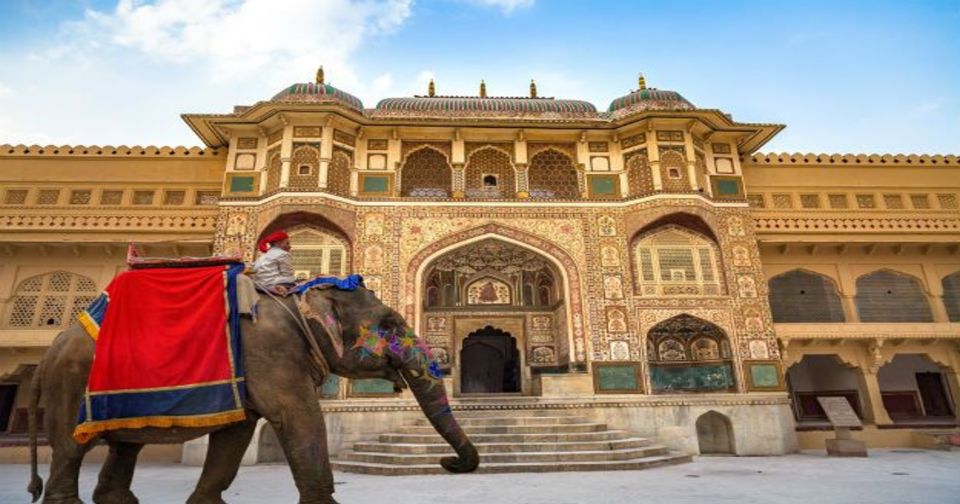
The Taj Mahal is famous for a reason. The key variable is when you go and how you get there.
This tour builds your visit around early timing, then adds a battery bus ride from the parking lot to the monument. That small convenience can matter a lot when you’re dealing with morning crowds, walking distances, and time slots.
One more practical point: entry tickets aren’t included. Also, some monuments may not accept credit cards, so bring cash or ask the driver to find an ATM. Your guides can help with ticket purchasing, which is a big deal if you’re not comfortable handling the logistics on your own.
Delhi’s Stops Feel More Real With the Stepwell and the Lotus Temple

A lot of Delhi itineraries race past the details. Here, you get a better cross-section.
- Qutub Minar anchors the historical thread.
- Lotus Temple (Bahai Temple) offers a calmer contrast—different vibe, different architecture.
- Agrasen Ki Baoli gives you something tactile and slightly offbeat. Stepwells can surprise you because they feel architectural and human at the same time.
- India Gate and the drive-past government buildings add the modern-political frame.
If you’re worried Delhi will feel confusing, this approach helps you get your bearings fast.
Agra After the Taj: Agra Fort and Itimad-ud-Daulah Are Not Just Filler

Taj Mahal dominates the headlines, but Agra has substance beyond it.
Agra Fort makes the story larger. It’s about power, defense, and the scale of what rulers needed to hold. If Taj gives you the icon, Agra Fort gives you the context.
Then Itimad-ud-Daulah—the so-called Baby Taj—works as a palate cleanser. It’s less huge, which makes it easier to notice fine details. If you like slowing down with carvings and proportions, you’ll probably appreciate this more than you expect.
Jaipur’s Big Day: Amber Fort + Hawa Mahal + Science + City Palace
This itinerary stacks Jaipur’s best-known landmarks with a few supporting stops that keep it from feeling like a greatest-hits list only.
- Amber Fort: hilltop views and the feeling of stepping into a different era.
- Panna Meena ka Kund: not the headline, but the kind of stop you remember because it’s distinct.
- Jal Mahal: the palace-in-water effect is all about the skyline and the angle.
- Gatore ki Chhatriyan: carved memorials with a different emotional tone than the forts.
- Hawa Mahal: instantly recognizable, and the best way to appreciate it is to see it after your other Amber-Fort style stops so it feels like part of a bigger system.
- Jantar Mantar Observatory: a reminder that Jaipur wasn’t only built with stone—it was built with ideas.
- Maharaja’s City Palace: the wrap-up piece that ties the royal story together.
Luxury Hotels and Daily Breakfast: What You Get for the Price

This tour can include 3 nights accommodation and daily breakfast if you choose the hotel option. The idea behind the luxury angle is simple: after long drives and major walking days, you want a place that feels like it resets you.
In one example from a real booking, the trip included a dedicated private driver named Dinesh, plus guides who helped explain and show more than the obvious tourist spots. That same style of attention matters when you’re moving quickly—good hotel stays aren’t fancy just for photos. They’re where you recover for the next day.
Also, rooms are generally twin-sharing. If you book for 3 people, triple-sharing is the default. If 3 guests prefer 2 rooms instead, there may be an additional cash charge.
Getting Around: Vehicle Sizes and Comfort on the Road
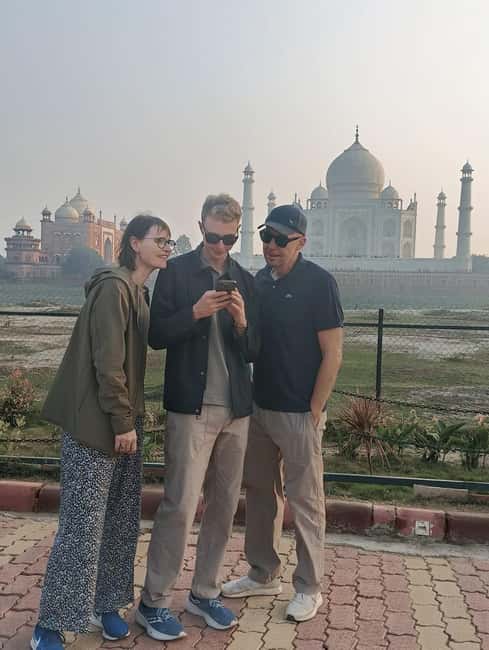
You travel by private air-conditioned vehicle, sized to your group:
- 4-seater sedan for groups of 1–2
- 6-seater wagon for groups of 3–4
- 10-seater minivan for groups of 5–10
This matters because the Golden Triangle route can be long. Comfort isn’t a luxury when you’re doing multi-hour drives between cities. And because it’s private, you’re not stuck waiting on other parties before you can roll.
You’ll also get bottled mineral water during journeys, which you’ll appreciate in warm months.
Guides, Language Support, and Personal Attention That Keeps It Smooth

This is a guided tour with private local guides, and you’ll typically get assigned different guides in each destination. That means the Delhi guide can focus on Delhi’s landmarks, while the Agra and Jaipur guides focus on the deeper meaning behind those sites.
English, Hindi, French, Japanese, Spanish, German, Italian are supported. If you’re not traveling in English, this is a real quality-of-life improvement.
And yes, guides will help with monument tickets—useful when some sites don’t take credit cards.
Quick Reality Check: What Could Be a Challenge for You?
A few practical considerations can make this tour either great or merely fine:
- Ticketing is on you (entry tickets not included): bring cash and be ready for the fact that some monuments may not accept credit cards.
- Walking and heat: forts and monuments mean sun and steps. Comfortable walking shoes and sun protection are worth packing.
- Drive time is real: you’ll do a half-day in Delhi, then drive to Agra, then drive to Jaipur, then return to Delhi. This isn’t a slow, meandering holiday.
Who This Tour Fits Best
You’ll probably love this if:
- You’re visiting Delhi, Agra, and Jaipur for the first time and want a structured plan
- You prefer private guiding over figuring things out on your own
- You care about early Taj Mahal timing
- You want luxury comfort without turning the trip into complicated logistics
If you already know Northern India well and hate tight schedules, you might want a more relaxed or longer version. But for an efficient first pass, this is a solid choice.
Should You Book This Private 4-Days Golden Triangle Luxury Tour?
I’d say book it if your top goal is to see the Golden Triangle highlights with less stress and more context, especially with that early Taj Mahal visit and the guided support for tickets and routing.
I’d think twice if you’re determined to handle everything yourself, you don’t want to buy any monument entries separately, or you’re sensitive to long drives. Otherwise, it’s a smart way to connect three iconic cities with the kind of planning that keeps you from wasting precious daylight.
FAQ
FAQ
Are monument entry tickets included in the tour price?
No. Entry tickets for the monuments are not included. Some monuments may not accept credit cards, so it helps to carry some cash or request an ATM stop. Your guides can help you purchase tickets.
What does the tour include for transportation?
You’ll travel in a private, air-conditioned vehicle. Vehicle type depends on group size: a 4-seater sedan for 1–2 people, a 6-seater wagon for 3–4 people, and a 10-seater minivan for 5–10 people. Pickup and drop-off are included from hotels or other requested locations in Delhi/Noida/Gurugram.
Is there a hotel stay included?
You have an option that includes 3 nights accommodation with daily breakfast. If you choose not to include hotel bookings, you can book your own accommodation instead.
What time is the Taj Mahal visit, and how do you get there?
The plan includes an early sunrise visit to the Taj Mahal with a guided tour (about 2 hours). You also get a battery bus ride from the Taj Mahal parking lot up to the monument.
What languages are available for the live tour guide?
Live guides are available in English, Hindi, French, Japanese, Spanish, German, and Italian.
What should I bring with me?
Bring a passport or ID card, since it may be required for entry to the sites and for tour check-in. Comfortable walking shoes and sun protection are also recommended.