REVIEW · NEW DELHI
8-Day Golden Triangle & Rajasthan Private Tour from Delhi
Book on Viator →Operated by vwitours · Bookable on Viator
This route strings together Delhi, Agra, Jaipur, and Rajasthan cities in one private flow, with guides and a driver doing the heavy lifting. I like how the tour mixes big-ticket monuments with real local moments, like a rickshaw ride in Old Delhi near Jama Masjid and time on the water in Udaipur.
Two things you’ll likely appreciate right away: breakfasts are included so mornings start easier, and you also get a private guide for the sightseeing so you’re not guessing what you’re looking at. I also like that you can choose 3–5 star hotels based on your comfort level.
One drawback to consider: the schedule is packed and there are longer drives between cities, so you’ll want to travel with a flexible mindset (and a good pair of walking shoes). A second thing to budget for is that many major site entries are marked as not included, including items like Taj Mahal and several forts.
In This Review
- Key highlights worth planning for
- Private Golden Triangle plus Rajasthan in One Shot
- Delhi Start: Jama Masjid Rickshaw, Qutb Minar, Raj Ghat, Humayun’s Tomb, Lotus Temple
- Sunrise Taj Mahal and Agra Fort: early start done right
- Jaipur Pink City Highlights: Amber Fort, Jal Mahal, City Palace, Jantar Mantar, Hawa Mahal
- Bikaner Road Trip and Junagarh Fort with Karni Mata
- Jaisalmer and the Desert Evening: forts, haveli art, and camel safari
- Jodhpur’s Mehrangarh and Clock Tower Stops
- Udaipur by Water: Lake Pichola boat ride and City Palace
- Where This Tour Delivers Value (and where it moves fast)
- Should you book this private Golden Triangle and Rajasthan tour?
- FAQ
- Is this tour private?
- What’s included in the price?
- Does the tour include breakfast?
- Which activities are specifically included beyond regular sightseeing?
- Are admission tickets included for all attractions?
- When does the Taj Mahal visit happen?
Key highlights worth planning for
- Private car + guide all the way, so you’re not waiting around or swapping tours mid-trip
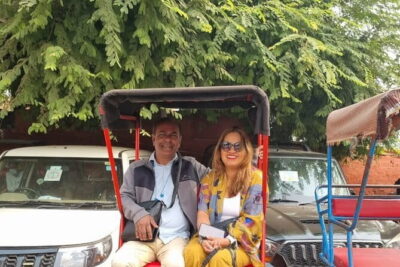
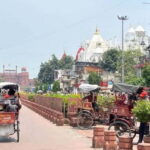
- Rickshaw ride in the Jama Masjid area, a quick but very local way to experience Old Delhi
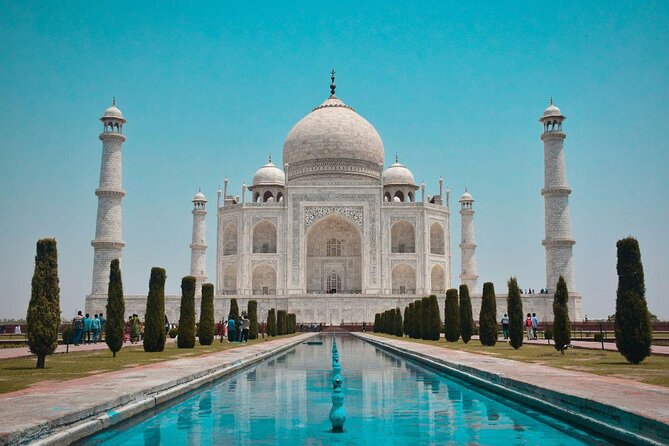
- Sunrise Taj Mahal timing at 5:30 a.m., built for photos and cooler morning air
- Camel safari in Sam Dunes with cultural and folk dance performances as part of the desert evening
- Lake Pichola boat ride in Udaipur, a scenic reset after days of forts and palaces
- Breakfasts included (7), which makes the whole pace more manageable
Private Golden Triangle plus Rajasthan in One Shot
If you want the classic Golden Triangle (Delhi–Agra–Jaipur) plus Rajasthan’s forts and desert landscapes, this is a clean way to do it without juggling bookings. You’ll get a private air-conditioned car with a driver and a private guide, plus meet-and-greet in Delhi at the airport or hotel.
The value here comes from what’s bundled: 7 nights of hotel, transport, guide services, and logistics between cities. On top of that, you’re getting a few experiences that cost real time (and sometimes extra planning) if you do them on your own: the Old Delhi rickshaw ride, the camel safari evening, and the boat ride at Lake Pichola.
One more practical note: this tour is often booked well ahead (about 111 days in advance on average). If you have a specific travel window, it’s smart to lock it in earlier rather than later, especially in peak seasons.
You can also read our reviews of more private tours in New Delhi
Delhi Start: Jama Masjid Rickshaw, Qutb Minar, Raj Ghat, Humayun’s Tomb, Lotus Temple
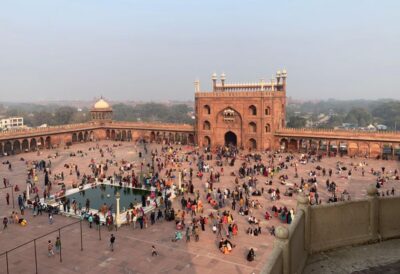
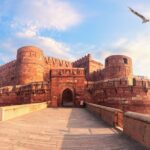
Your Delhi day is built like a quick sampler of the city’s layers. You start with Jama Masjid and then do a rickshaw ride in the Old Delhi area near Jama Masjid. This is one of those moments that feels different from the big monument photos. You’re moving through streets where the city’s rhythm is loud and real, not staged.
From there, you’ll head to Qutub Minar, part of the Qutb complex, tied to Delhi’s older fortified history at Lal Kot (founded by the Tomar Rajputs). The structure is iconic on sight, but the big win is having a guide so the architecture and time periods make sense as you walk the grounds. Just note: Qutub Minar’s admission is not included.
Next comes Raj Ghat, the memorial complex for Mahatma Gandhi. Admission is listed as free, and it’s a calmer stop after the movement of Old Delhi.
Then you’ll visit Humayun’s Tomb. It’s a Mughal tomb site that’s famous for its monumental gardens and stonework style, but here, admission is not included. The day finishes with Lotus Temple, which is free in the itinerary and a nice change of pace with its distinctive lotus-like form.
Practical tip for day 1: Delhi mornings and evenings can shift quickly, so I’d plan light layers. Also, Old Delhi traffic can be stop-and-go, which makes the private car setup extra useful.
Sunrise Taj Mahal and Agra Fort: early start done right
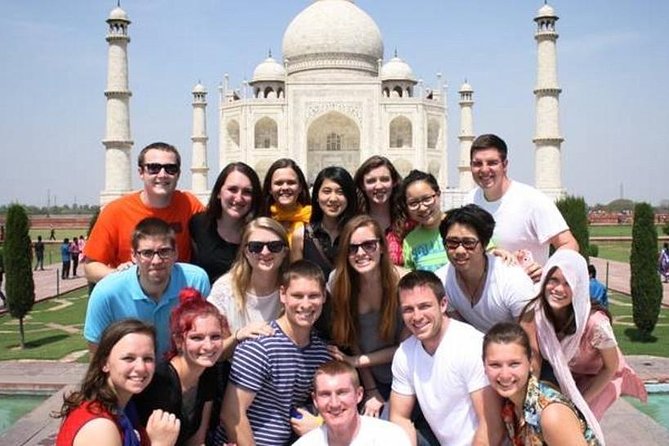
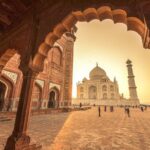
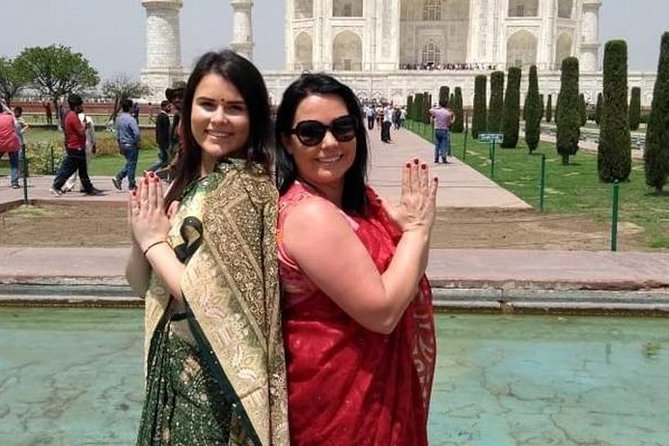
Day 2 is the “Golden Triangle” payoff, and the tour handles it with the big timing decision: a sunrise Taj Mahal tour. Your guide meets you at the hotel at 5:30 a.m., and you’ll get a slow start designed for photography and cooler conditions. Taj Mahal at sunrise is also a practical choice if you want fewer crowds than later hours, even if the site is still busy.
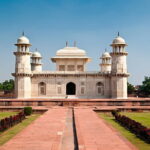
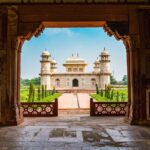
After Taj Mahal, you move to Agra Fort, a UNESCO World Heritage site and a former Mughal stronghold. Admission is not included, so budget extra for entry fees if you’re trying to keep the trip cost tight. You’ll also visit Itmad-ud-Daula (often called Baby Taj). This stop is usually less overwhelming than the big names, but it’s visually rewarding if you like delicate details.
You’ll then do Mehtab Bagh, the Taj viewpoint area across the Yamuna River. The itinerary lists it as a shorter stop, so think of it as a chance to reset your eyes and get one more perspective on the Taj from outside the main complex.
Possible drawback: sunrise means an early night and a full morning. If you’re not into early mornings, this day will still happen to you. That said, you’re trading sleep for a timing that fits the Taj Mahal well.
Jaipur Pink City Highlights: Amber Fort, Jal Mahal, City Palace, Jantar Mantar, Hawa Mahal
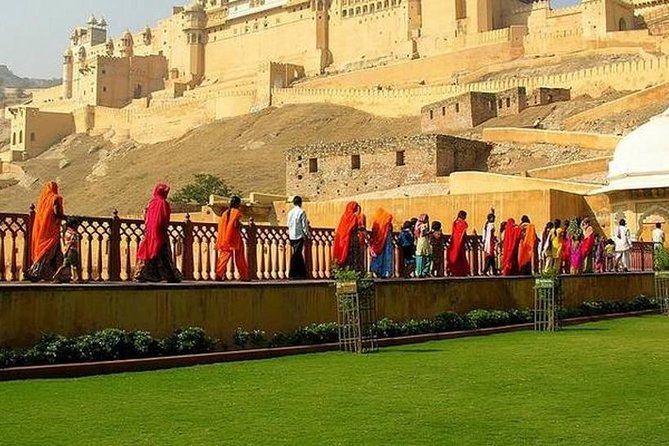
Jaipur is where the tour turns from giant monuments to a whole day of built forms—forts, palaces, and observatories. Breakfast is at 8:30 a.m., then you’ll visit Amber Fort first. It’s listed as a 2-hour stop, and for good reason: Amber is a place you don’t want to rush. Admission is not included, so plan for that.
A short scenic pause follows at Jal Mahal, the palace in/around Man Sagar Lake. Its entry is listed as free, which is a nice little bonus. Even if you can’t do long exploring at water-level viewpoints, the location gives you a very “Rajasthan” feel—stone and water in a single frame.
After lunch, you go to City Palace of Jaipur. It’s a former royal residence and administrative center, and the itinerary sets aside about an hour. Then it’s Jantar Mantar, Jaipur’s astronomical instruments, with 19 instruments and a completion date of 1734. If you like seeing how science and design overlap in history, this is one of the strongest stops in the day, even if it’s shorter than you’d expect.
Finally, you’ll see Hawa Mahal (Palace of Winds) for about 30 minutes. The standout here is how the façade connects to the City Palace and the women’s chambers (zenana). Admission is not included in the itinerary.
Where Jaipur works best: If you enjoy walking through heritage sites with a guide explaining what you’re looking at, Jaipur is a win. If you prefer fewer stops and longer time in each one, you might wish this day slowed down—but the overall tour pace is what makes the whole trip possible.
Bikaner Road Trip and Junagarh Fort with Karni Mata
On day 4, the pace shifts with a drive into Bikaner. Breakfast is listed at 8:00 a.m., then there’s a 4.5-hour drive and check-in around 12:30 p.m.. This is a good structure: you travel during the middle of the day and don’t waste your entire morning on the road.
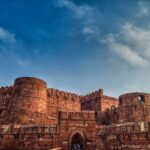
Junagarh Fort (also called Bikaner Fort) is your major stop once you arrive. It’s listed for about 1 hour, and admission is not included.
Then you’ll visit Karni Mata Temple, described as dedicated to Karni Mata and famously associated with temple life. Admission is listed free. The best part of this kind of stop on a private tour is that you can ask a guide what’s going on without standing around trying to interpret signs.
You’ll also see Lalgarh Palace and Museum, built between 1902 and 1926 in an Indo-Saracenic style. This one is about 1 hour, and it’s another non-ticket-included stop.
Why this day matters: Rajasthan isn’t just the famous postcards. Bikaner feels less overloaded than some other stops, and the combination of fort + temple + palace gives you variety without changing cities constantly.

Jaisalmer and the Desert Evening: forts, haveli art, and camel safari
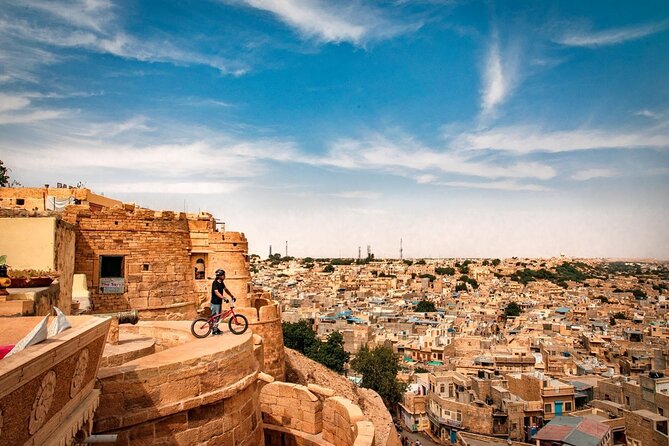
Day 5 is where you start feeling the pull of western Rajasthan. After breakfast and checkout at 9:30 a.m., you tour Jaisalmer Fort for about 2 hours. Admission is not included, but the fort sets the tone for everything that follows because it’s built into the fabric of the city.
Then you visit Patwon-ki-Haveli, a cluster of five intricately designed havelis built by the wealthy Patwa family. You get around 1 hour here, and admission is not included. After that, you’ll see Salim Singh-ki Haveli for about 30 minutes.
Next is Gadisar Lake for about 30 minutes, and entry is listed free. The lake is artificial and tied to older regional history, so it’s not just scenery—it’s another way the desert cities engineered life around water.
The best part of the day comes later: at 3:30 p.m. you head to Sam Dunes for desert activities, including a camel safari plus jeep safari and cultural and folk dance performances. Then at 6:00 p.m., you drive to Jodhpur (about 3.5 hours).
Possible drawback: this is a long day, with multiple heritage stops and then a desert evening. If you’re sensitive to heat (or you hate getting off a jeep), plan to pack light snacks and water.
Jodhpur’s Mehrangarh and Clock Tower Stops
Day 6 is Jodhpur in full “fort-and-city” mode. After breakfast at 8:30 a.m., you check out and begin the full day Jodhpur sightseeing tour.
You start with Mehrangarh Fort for about 2 hours. Admission is not included, but this is one of the Rajasthan fort experiences that gives you a sense of scale—everything from views to walls feels built to dominate the landscape.
Next is Jaswant Thada (about 30 minutes), a cenotaph built in 1899 in memory of Maharaja Jaswant Singh II. Then you’ll see Ghanta Ghar (the clock tower) for another 30 minutes. Finally, there’s Umaid Bhawan Museum for around 1 hour. Umaid Bhawan is a famous palace-home space, and part of it is managed by Taj Hotels (per the itinerary info).
Why this day works: you’re seeing different kinds of heritage, not just one type. A fort, a memorial, a city landmark, and a museum/palace complex. It’s a good balance in a city that otherwise can feel too fort-heavy if you only do one place.
Udaipur by Water: Lake Pichola boat ride and City Palace
By day 7, you’ve earned a change of pace. Udaipur slows the pace down in the right way, and the tour includes one of the best reasons to come: a boat ride on Lake Pichola. Breakfast is at 8:30 a.m. and the boat ride is about 1 hour, with entry listed as free.
After that, you visit City Palace of Udaipur for about 1 hour, then Jagdish Temple for 30 minutes. The itinerary notes it’s been in continuous worship since 1651, which gives the stop weight beyond sightseeing.
Next comes Sahelion Ki Bari, a garden with fountains, kiosks, a lotus pool, and marble elephants. You get about 30 minutes. Then you go to Fateh Sagar Lake for another 30 minutes.
In the evening, you visit Bagore Ki Haveli Museum (about 1.5 hours), located on the waterfront of Lake Pichola at Gangori Ghat, built in the 18th century. The setting is a big part of why this feels special, because you finish the day near the water rather than heading straight back to a vehicle.
Where This Tour Delivers Value (and where it moves fast)
Let’s talk value in plain terms. At $492.41 per person for an 8-day private tour with 7 nights of hotels, you’re paying for more than sightseeing. You’re paying for:
- Private transport (an air-conditioned car with driver)
- Private guiding
- Hotel pickup/meet-and-greet in Delhi
- A few included ticketed-style experiences: Old Delhi rickshaw ride, camel safari, Lake Pichola boat ride
- Breakfasts included (7)
That’s a lot to keep coordinated, especially across multiple cities. If you’re trying to self-plan, you’d spend time on logistics and probably miss at least one of the included experiences.
Where you need to be realistic: this is not a slow wander tour. It’s a serious itinerary meant to cover a lot. The upside is you see a full slice of India. The downside is you’ll spend more hours in transit than you might on a shorter trip, and the early starts (like Taj sunrise) will tug at your sleep schedule.
Also, while some stops list free admission (examples include Raj Ghat, Lotus Temple, Jal Mahal, Karni Mata Temple, Gadisar Lake, and the Lake Pichola boat ride), many key sites are marked as not included. So if you want to track your total trip budget tightly, set aside extra for those entries.
Should you book this private Golden Triangle and Rajasthan tour?
I think this is a smart booking if you want maximum variety with minimal planning stress. It’s especially suitable for families and friend groups who want privacy and comfort, and for anyone who likes having a guide explain what you’re seeing instead of just reading plaques.
You should also consider booking if you know you’ll want these signature experiences: sunrise Taj Mahal, a camel safari in Jaisalmer, and a boat ride in Udaipur. Those three alone are worth the structure.
If you hate early mornings, or if you prefer fewer city changes, then a slower itinerary might fit you better. This one is designed for pace.
If you do book, don’t treat it like a pick-and-choose buffet. Use the included breakfasts to stay energized, and plan for walking at forts and palaces. Also, keep some extra money ready for the sites where admission isn’t included.
FAQ
Is this tour private?
Yes. It’s a private tour/activity, and only your group will participate.
What’s included in the price?
The tour includes 7 nights of hotel accommodation, a private air-conditioned car with driver, meet & greet in Delhi, a private guide, a rickshaw ride in Old Delhi (Jama Masjid area), camel safari in Jaisalmer, a boat ride on Lake Pichola, complimentary bottled water, and breakfasts (7).
Does the tour include breakfast?
Yes. Breakfast is included for 7 days.
Which activities are specifically included beyond regular sightseeing?
The tour includes a rickshaw ride in the Jama Masjid area, a camel safari in Jaisalmer, and a boat ride on Lake Pichola.
Are admission tickets included for all attractions?
No. Some stops are listed as free (like Raj Ghat and Lotus Temple), while several major sights are marked as not included (for example Taj Mahal and Qutub Minar).
When does the Taj Mahal visit happen?
The Taj Mahal visit is a sunrise tour, with the guide meeting at 5:30 a.m. at your hotel.