REVIEW · NEW DELHI
Artistic Delhi
Book on Viator →Operated by THE LOST COMPASS · Bookable on Viator
If you like art you can read, this one works. I really like how the Lodhi Art District stop turns murals into real stories, and I love that Raghuveer Jadon (Raghu) is the kind of guide who explains what you’re seeing as you go.
I also appreciate the practical touches: snacks, tea, and water keep you moving for about two hours without turning the outing into a hangry sprint. One thing to consider is that there’s no pickup or drop-off, so you’ll want to be comfortable getting to Jor Bagh Metro Station on time.
In This Review
- Key things that make this tour worth your time
- Lodhi Art District: Murals With Meaning, Not Random Photos
- Small-Group Comfort and the $43 Value Math
- How the Tour Works From Jor Bagh Metro
- Walking the Art Route: What You’ll Learn at Each Stop
- Lodhi Art District (the main anchor)
- Hauz Khas area side stops (market + garden feel)
- Lodhi garden atmosphere
- Lodhi Art District Murals: What You’ll Actually Notice More
- Ruined Fort and Lake Views: The Payoff Moment
- Snacks, Tea, and Water: The Small Inclusion That Changes Everything
- Who This Tour Suits Best
- Should You Book Artistic Delhi?
- FAQ
- How long is the Artistic Delhi tour?
- Where is the meeting point?
- What’s included in the ticket price?
- Is pickup or drop-off included?
- What is the group size limit?
- What happens if the weather is bad?
Key things that make this tour worth your time
- Raghuveer Jadon (Raghu) guides with stories, not just pointers and photos
- Small groups (capped at 10, max 15) mean less crowding around the murals
- Snacks, tea, and water bottles included so you don’t plan around food mid-walk
- Lodhi Art District murals come with meaning and context, and there’s no admission ticket at that stop
- A ruined fort with lake views gives you a strong payoff later in the route
Lodhi Art District: Murals With Meaning, Not Random Photos
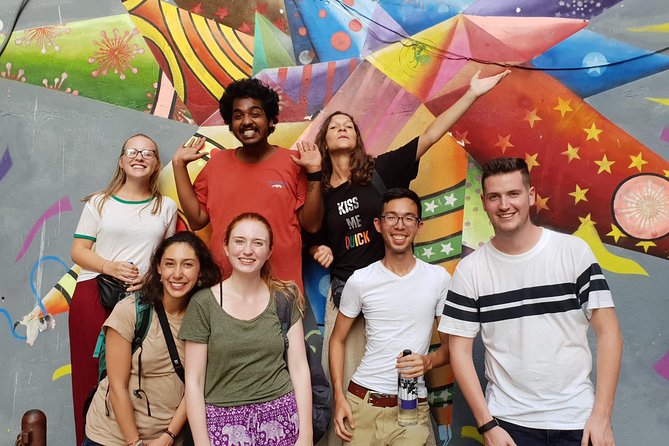
Delhi street art can be easy to miss if you only glance from the sidewalk. This tour is built around the idea that you’ll get more out of walls when someone helps you connect the art to the people, places, and moments behind it. Instead of racing to collect pictures, you’re guided through a route where murals get explained in plain language, like how an art scene grows city by city.
The star energy here is the Lodhi Art District area. You’re not just looking at color or style. You’re learning what the artwork is trying to say, and that changes the way you notice details. A mural becomes a conversation: you start spotting symbols, recurring themes, and the vibe the artist was working with.
And because this is a guided walk, you can move faster without feeling lost. That matters in New Delhi, where the streets can look similar and walking routes can be confusing. I like that the tour takes the navigation stress out of your day.
You can also read our reviews of more tours and experiences in New Delhi.



Small-Group Comfort and the $43 Value Math
At $43 per person for roughly 2 to 2.5 hours, the price is less about “admission” and more about paying for time, guidance, and momentum. You get a guide who’s also acting as storyteller and “friend” on the ground, plus basic refreshment support.
Here’s what makes it feel like value for the money:
- You’re covered for snacks, tea, and water bottles, which is not nothing when you’re out walking.
- Fees and taxes are included, so you’re not hit with extra charges once you’re there.
- The group is kept small. Reviews and the tour structure point to the same theme: you get to ask questions and you’re not stuck behind a wall of people.
A possible drawback of the value is also part of the deal: time is limited, so you won’t sit and linger forever at each wall. The tour is designed to keep you going and cover key art moments in a short window. If you want slow, gallery-style pacing, this is more of an active street walk than a long sit-down experience.
How the Tour Works From Jor Bagh Metro
The meeting point is Jor Bagh Metro Station (Civil Colony, BK Dutt Colony area). The tour also ends back at the meeting point, which is a relief. You’re not dealing with the stress of figuring out how to get home from some far-off area at the end.
Another practical win: the start is near public transportation. That makes it realistic for first-timers who don’t want to lock into a taxi plan for every step of the day. You’ll also get a mobile ticket, which reduces paper fuss.
No pickup or drop-off means you should build a little buffer into your timing. Metro schedules and station navigation can take a few minutes, especially if you’re new to the area. Plan to arrive early so the tour can get rolling without you rushing.
Walking the Art Route: What You’ll Learn at Each Stop
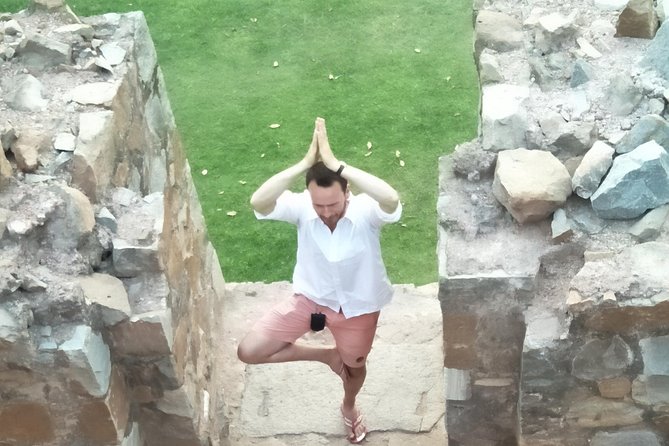
The outing is designed as a short, focused art route. One stop is clearly anchored: Lodhi Art District. From there, the experience typically connects you with other nearby sights in the same general art-and-neighborhood zone, including market and garden atmospheres and, in the highlights, a ruined fort with lake views.
Lodhi Art District (the main anchor)
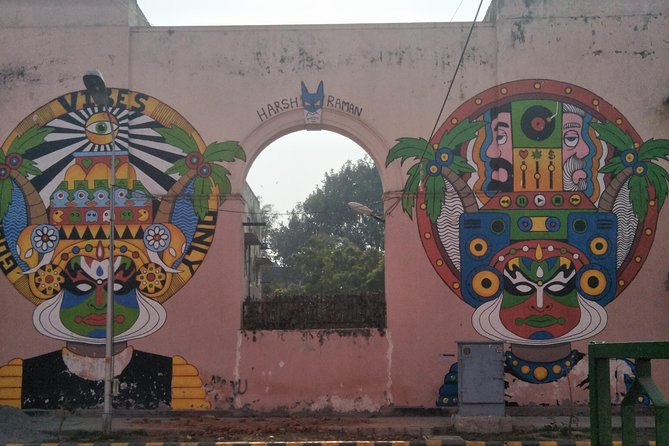
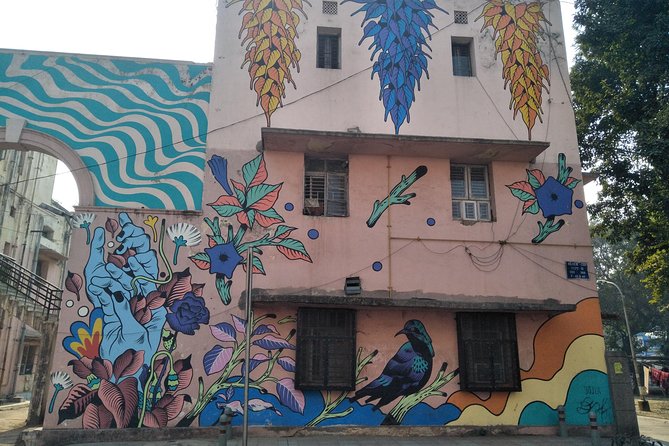
This is where the tour’s street art focus becomes concrete. You walk through the area’s mural walls and learn what they mean. You’ll also notice that the tour doesn’t treat street art like random decoration. It’s presented as artwork with context—why these pieces exist, and what they’re responding to.
This stop also lists admission as free. In practical terms, that means your money goes toward the guide and the experience, not ticket math.
What to expect on the ground: you’ll be close enough to see details, and the guide’s explanations help you interpret the imagery instead of just admiring the surface. If you like asking questions, this is a good format because the pace is still walking-based, so you’re not trapped in a museum lecture.
A small consideration: street art viewing often depends on visibility and lighting. If the light is harsh or the weather changes, your ability to enjoy small mural details can take a hit. The tour does run with good-weather expectations (more on that in the FAQ).






Hauz Khas area side stops (market + garden feel)
One review-style detail that comes through is that the route can include time around Hauz Khas Market and the complex, plus a deer garden vibe. Even if your main goal is art, these stops matter because they change the texture of the walk. You’re not only staring at walls—you’re getting a sense of how the neighborhood functions around the art spaces.
Market stops also help the tour feel less like a single-purpose detour. You get little pockets where you can reset, look around, and spot the contrast between everyday street life and the planned art presence.
Lodhi garden atmosphere
Another stop that shows up as part of the day is Lodhi Garden. Gardens are a useful breather on a walking tour, and they also help you shift from close-up mural reading to broader city texture. When your eyes are switching between walls and open space, the art you saw earlier starts to feel more grounded in the real neighborhood around it.
Lodhi Art District Murals: What You’ll Actually Notice More
Here’s the thing about murals: if you only look for color, you’ll miss half the point. This tour is built to change that. The guide’s job is to help you understand the stories behind what you’re seeing, and that makes your own looking more active.
In Lodhi Art District, you’re likely to come away with a better sense of:
- Artist intent: what the work is trying to communicate, not just how it looks
- Style and symbols: how different elements connect across murals
- Place meaning: how these artworks function in a real neighborhood, not a staged photo spot
This is also where you’ll benefit most from a guide who answers questions clearly. The guide format is especially helpful if your art knowledge is casual. You don’t need to be an expert to follow along; you just need someone to put the art into words while you’re standing in front of it.
And yes, the tour has that small-group advantage again. Around each mural, it’s easier to step into the explanation when you’re not fighting for position in a big crowd.
Ruined Fort and Lake Views: The Payoff Moment
The highlight list calls out a visit to a ruined fort with stunning views of a nearby lake. Even if you’re primarily here for street art, this kind of stop is a smart contrast. It gives you a second type of visual satisfaction: wide landscape views after close-up wall reading.
From a planning standpoint, viewpoints also help you understand why the walk is more than a series of murals. You see how the art spaces connect to broader Delhi geography—how neighborhoods sit in relation to open water and older structures.
What I like about adding a fort-and-lake moment: it prevents the whole tour from feeling like one continuous art photo stretch. You get a reset, a breath of fresh perspective, and a view that stays with you after the walk ends back at the metro.
Snacks, Tea, and Water: The Small Inclusion That Changes Everything
This tour includes snacks, tea, and water bottles, which might sound basic, but it’s a big deal for a 2 to 2.5 hour street walk. When you’re out exploring on foot, a drink and a snack stop the energy dip that can make even great sights feel like effort.
One review note that sticks: the tour can end with an authentic-feeling neighborhood snack experience. It’s not framed as a tourist trap. It’s more like a local corner stop where you can recharge and keep chatting with your guide.
Food talk is also part of the guide vibe. Multiple comments praise Raghu for being quick with food recommendations, including mention of a chicken roll stop that sounded like a favorite. That kind of practical guidance helps you turn the tour into a full morning, not just a mural sprint.
Who This Tour Suits Best
This is a strong fit if you:
- Want Delhi street art with context, not just pictures
- Prefer a small-group walk where you can hear explanations and ask questions
- Like mixing art with neighborhood experiences like markets and garden areas
- Would rather have a plan than spend your morning trying to map out the best mural spots yourself
It’s also great for first-timers who feel slightly overwhelmed by how big the city is. The route stays focused and time-efficient. You get a guided structure for seeing what matters without burning hours on research.
Should You Book Artistic Delhi?
If your goal is to understand Delhi’s street art in a way that feels human and story-driven, I think you should book it. The combination of Lodhi Art District murals, a guide who explains the meaning, and a visual payoff at a ruined fort with lake views makes the short duration feel purposeful instead of rushed.
I’d only think twice if you need pickup and drop-off convenience, because you’ll handle your own way to Jor Bagh Metro Station. Also, if you hate walking in uncertain weather, note that the experience expects good weather; if conditions are poor, it may be rescheduled or refunded.
FAQ
How long is the Artistic Delhi tour?
It runs about 2 hours to 2 hours 30 minutes.
Where is the meeting point?
You meet at Jor Bagh Metro Station (Civil Colony, BK Dutt Colony, New Delhi).
What’s included in the ticket price?
The tour includes snacks, tea, and water bottles, plus fees and taxes, and a guide who acts as storyteller and friend.
Is pickup or drop-off included?
No. Pickup and drop-off are not included.
What is the group size limit?
It’s designed as a small-group experience capped at 10 people, and the maximum listed is 15 travelers.
What happens if the weather is bad?
This experience requires good weather. If it’s canceled due to poor weather, you’ll be offered a different date or a full refund.