REVIEW · NEW DELHI
Day Tour of Delhi: Old and New with Local Experts
Book on Viator →Operated by Akbran Tour · Bookable on Viator
Delhi feels doubled on this one-day loop. You’ll move from big Mughal monuments to a rickshaw ride through everyday backstreets, then end at the ghats tied to India’s most famous leaders. I love that you get both context and time at the sites, not just a drive-by. One thing to keep in mind: punctuality can be a weak spot, so build in a little patience if your pickup runs late.
This tour is built for travelers who want the classics—Humayun’s Tomb, Qutub Minar, and Jama Masjid—plus the parts of Old Delhi that most people miss. You’re in a private air-conditioned minivan with round-trip hotel transport, and the whole day is paced to make walking manageable. If you’re hoping for a long sit-down lunch (food isn’t included), plan your breaks and snacks ahead.
For me, the best value is the mix: major landmarks with a guide who can explain what you’re seeing, and then a local rickshaw moment that shows Delhi at street level. Bring comfortable walking shoes and sunscreen, because you’ll be on your feet and in the sun.
In This Review
- Key points at a glance
- Why This Old-and-New Delhi Loop Feels Worth Your Day
- Hotel Pickup and the Private Van: Starting Off on the Right Foot
- Humayun’s Tomb: Mughal Grandeur Without the Rush
- Jama Masjid and Chandni Chowk: Sacred Space Meets Street Energy
- Qutub Minar (and the Iron Pillar Moment): Monumental Scale That Lands
- India Gate Drives and the Modern-Delhi Glance You Actually Need
- The Ghats at Raj Ghat: Where Memory Feels Physical
- The Rickshaw Ride: Street-Level Delhi, Pedal-Powered
- Lotus Temple: A Calm Contrast You Can Use to Reset
- Price and Value: What You’re Really Paying For
- The Small Stuff That Can Make or Break Your Day
- Should You Book This Old-and-New Delhi Tour?
- FAQ
- Is hotel pickup and drop-off included?
- How long is the tour?
- What’s included in the price?
- Are entrance fees included?
- Is food included?
- Is the rickshaw ride part of the tour?
- Is this tour private?
- Can I cancel for a full refund?
Key points at a glance
- Private van + local guide: you’re not stuck guessing your route or meaning of the monuments
- Old Delhi street time: you’ll pass through walled-city gates and shop-lined streets like Chandni Chowk
- Rickshaw ride with a rickshawalla: traffic, side lanes, and daily life in motion
- Ghat visits for famous cremation sites: Raj Ghat and other ghat areas tied to Gandhi and others
- Big ticket sights with mixed fee coverage: Jama Masjid includes admission, while some other monuments do not
Why This Old-and-New Delhi Loop Feels Worth Your Day
Delhi can be confusing because it’s not one city. It’s layers: ancient stone, Mughal design, colonial-era monuments, and nonstop street life all in the same day. This tour gets you those layers in a smart order, so you’re not bouncing around for hours on your own.
Two parts really stand out as the best use of your time. First, the guided visits to major heritage sites help you understand what you’re seeing beyond pretty architecture. Second, the day ends with a rickshaw ride that’s less about sightseeing and more about experiencing the city as it actually works—snarled lanes, sudden turns, vendors, and pedestrians.
The main drawback is also the most practical one: because you start with pickup and travel through traffic, timing matters. If you’re the type who hates waiting, you’ll want to communicate pickup details clearly and keep a flexible mindset.
You can also read our reviews of more tours and experiences in New Delhi.



Hotel Pickup and the Private Van: Starting Off on the Right Foot

You’ll get a morning pickup from your hotel or another chosen meeting point, then travel in a private air-conditioned minivan. This matters because Delhi traffic can turn even a short distance into a long one. Having transport included also keeps the day from becoming a logistics puzzle.
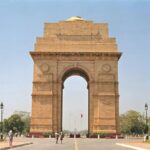
During the drive, you’ll get a “from-the-car” overview of Delhi. You’ll pass by areas like the Delhi embassy area, Connaught Place, India Gate, a government district, and the city’s main shopping area. That’s helpful because it gives you orientation before you step into the walled Old City.
Also, this is set up as a private experience for your group. That’s a real quality-of-life upgrade compared with cattle-call sightseeing, since your guide can move at a pace that fits your comfort level—especially when you need a bit more time at a monument or prefer fewer photo stops.
Quick tip for your comfort: wear shoes you don’t mind walking in for hours. Even when you’re only scheduled for short visits at places, Delhi streets and mosque/monument approaches add up.
Humayun’s Tomb: Mughal Grandeur Without the Rush
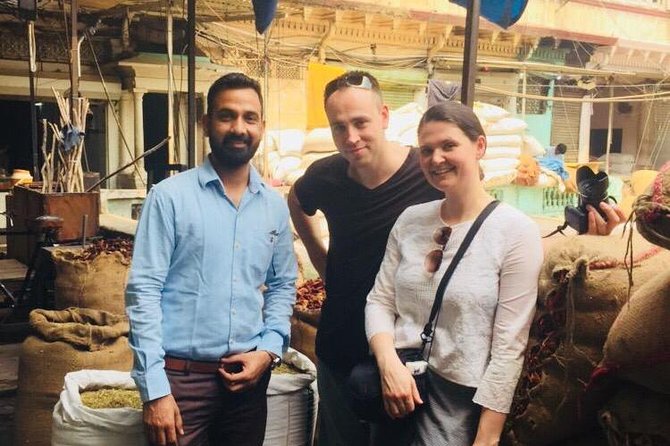
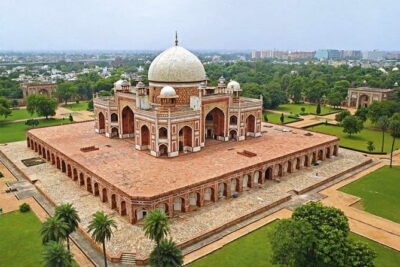
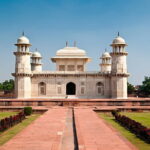
Humayun’s Tomb is where the day’s storytelling becomes easier. You’ll spend about an hour here, and it’s widely appreciated for being an early, major example of a Mughal design style. The key value for you is pacing: you’re not just snapping pictures and moving on.
What I like about this stop is that it sets a visual baseline for the rest of the day. Once you’ve seen Humayun’s Tomb, you can better spot how Mughal-era monument planning uses symmetry, geometry, and garden layouts to create a sense of order.
Possible drawback: if you’re very sensitive to heat, plan your mindset for sun and walking. The time you spend outdoors matters, and you’ll likely be standing in open areas depending on how crowds and security move.
Jama Masjid and Chandni Chowk: Sacred Space Meets Street Energy
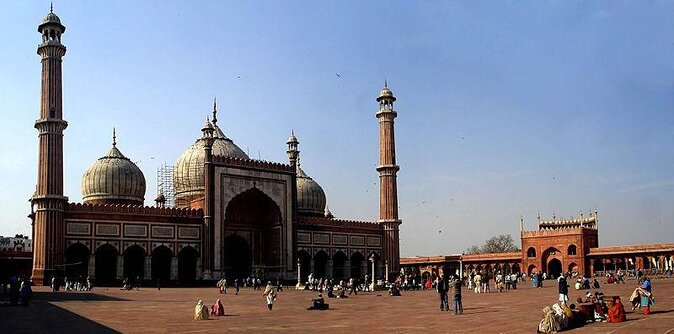
Next up is Jama Masjid, the large mosque associated with Shah Jahan, with about 30 minutes on the ground. The admission ticket for this stop is included, which is one less payment you’ll deal with later.
This is one of those moments where Delhi makes sense through contrast. A mosque can feel formal and quiet, but the approach and surrounding streets are full of movement: shops, families, and steady streams of visitors. You’ll also pass through the area of Chandni Chowk—often described as Moonlight Square—where shopping dominates the experience.
Here’s how to get more out of it:
- Be ready to pause and let the crowd flow, especially near entrances and narrow lanes.
- Keep your camera accessible, but don’t let it turn into a sprint. The details around the mosque area are part of the experience.
Also, remember that you’ll be wearing “site-appropriate” clothing in spirit. You might find that loose, breathable layers are the easiest way to handle mosques and changing temperatures.
Qutub Minar (and the Iron Pillar Moment): Monumental Scale That Lands
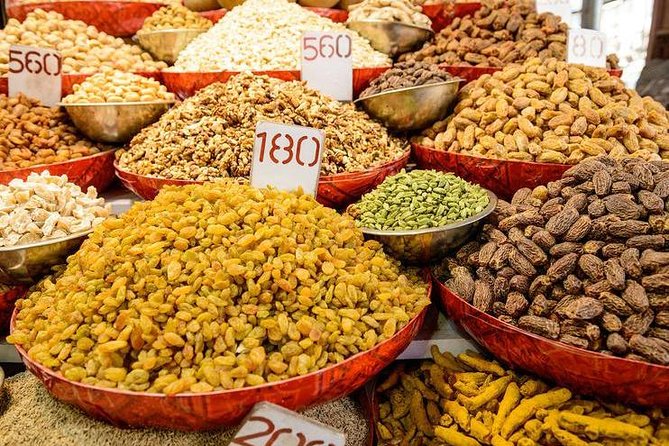
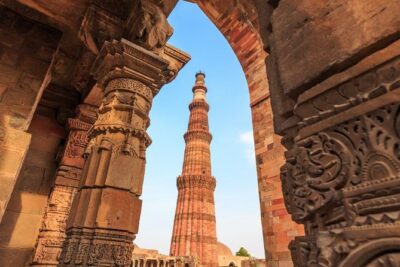
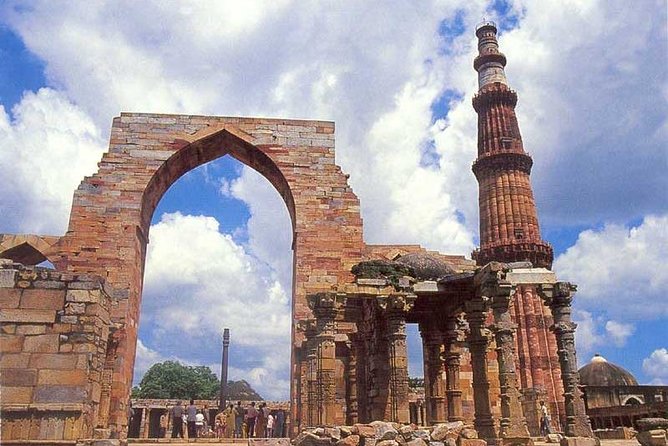
Qutub Minar is the kind of sight that feels bigger the closer you get. You’ll spend about an hour in this area, and the admission ticket isn’t included for this stop.
This segment is important because it expands the story of Delhi beyond the Mughal period. You’ll see Qutub Minar as a tall stone tower tied to early Muslim rule and then also take in the 1500-year-old Iron Pillar that’s part of the same broader heritage zone. That combination gives you a deeper sense of Delhi as a long timeline, not a single era.
What to watch for:
- If you want photos without constant obstruction, look for moments when the crowd thins and take your time with framing.
- Go easy on your pace. Even if the visit is scheduled for about an hour, walking inside and around the complex takes effort.






India Gate Drives and the Modern-Delhi Glance You Actually Need
Between the major monuments, you’ll get a drive that keeps modern Delhi in view. You’ll pass India Gate (the war memorial arch), the government area, and the main shopping district. You’re not being asked to “tour” these places on foot, but the views help you understand how the city is organized.
This is valuable because Old Delhi can swallow you. Without some modern context, you might leave feeling like Delhi is only chaos and monuments. The drive gives you a reference point so you can better understand where you are in the city’s layout.
A small consideration: traffic conditions can affect how much of these drive-by moments you’ll actually see. If visibility matters for you, keep your phone/camera charged and expect a few seconds here and there rather than long photo stops.
The Ghats at Raj Ghat: Where Memory Feels Physical
Raj Ghat is one of the most meaningful stops of the day. This is where Mahatma Gandhi’s cremation site is, and it lands with emotional weight even for people who don’t know the full background. You’ll also be visiting the ghat areas connected with other famous Indian figures such as Rajiv Gandhi and Indira Gandhi.
The value here is not just what the sites represent, but how the tour frames them in the flow of the day. After the visual spectacle of monuments and the energy of the market streets, the ghats give you a quiet counterpoint. It’s a good time to slow down and let the meaning of place sink in.
Practical advice: keep your voice low and your pace respectful. These spaces are designed for remembrance, and the atmosphere changes from typical tourist spots.
The Rickshaw Ride: Street-Level Delhi, Pedal-Powered
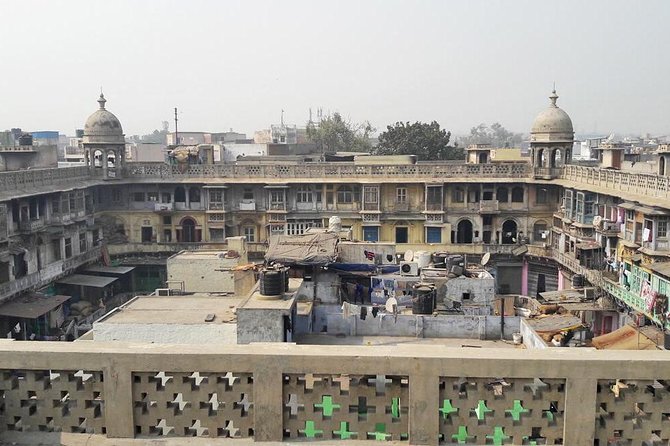
This is one of the most memorable parts of the tour because it changes your relationship with the city. After visiting the sites, you’ll climb into a three-wheeled rickshaw pedaled by a rickshawalla. You’ll weave in and out of traffic and slip down side streets that most visitors don’t see.
Why it works: in a car, you’re protected by glass and time. On a rickshaw, you’re part of the street rhythm—jostled by movement, surrounded by vendors and pedestrians, and forced to slow down just enough to notice daily life.
You’ll also pass a range of vendors, including at least one shop specializing in laughing dentures. That kind of detail is exactly what makes the rickshaw segment feel like a window into real Delhi rather than a staged route.
A drawback to consider: rickshaws and traffic can be intense. If you have motion sensitivity, plan for a short ride at a time when you’re comfortable. Also, hold onto your belongings like you would in any busy market area.
Lotus Temple: A Calm Contrast You Can Use to Reset
You’ll have time to explore Lotus Temple. This is a great “breather” after the dense street scenes and the emotional tone of the ghats. The experience is different from the older stone monuments because the mood tends to feel more open and reflective.
Because the time isn’t clearly specified, treat it as a flexible window: enough to walk around and take in the space, but not necessarily a long, slow study session. If you’re the kind of traveler who likes quiet corners and slower photos, aim to spend your first minutes absorbing the overall layout before you start chasing close-up pictures.
Price and Value: What You’re Really Paying For
At about $48 per person for a 7 to 9 hour day, you’re paying for more than a bus ride. Your cost covers:
- private air-conditioned transport
- round-trip hotel pickup and drop-off
- a local guide
- entrance fees for some sights (Jama Masjid includes admission ticket)
Monument entry fees aren’t fully covered for everything, so budget for additional tickets at major sites like Humayun’s Tomb and Qutub Minar (their admission tickets are listed as not included). Food and drinks are also not included, so you’ll want to plan on buying or bringing your own water and snacks.
When this feels like great value: if you want a guided “greatest hits” day that also includes a rickshaw ride and proper Old Delhi street time. If you were to hire a guide and arrange separate transport yourself, you’d spend time coordinating—and probably end up paying more in the process.
When it might not be the best match: if you’re only interested in one or two monuments and hate walking or street crowding. In that case, you might prefer a shorter, targeted plan.
The Small Stuff That Can Make or Break Your Day
This tour is built around walking, sun, and shifting between dense areas and monument grounds. A few practical points will make it go smoother:
- Wear comfortable walking shoes (non-negotiable for Delhi streets).
- Bring sunscreen and reapply if you’ll be out for hours.
- Keep a light plan for meals since food and drinks aren’t included.
- Be patient with city traffic. Even on a well-run day, Delhi travel can be unpredictable.
Also, check your meeting time details the morning of pickup. One piece of negative feedback I saw was about a driver and guide being late past an agreed pickup time. That’s not the norm you want, but it’s a reminder to double-check where you’ll meet and to have a backup plan if your driver is delayed.
On the flip side, the strongest praise tied to this experience focuses on guide and driver availability—meaning you can count on help and responsiveness once you’re on the move.
Should You Book This Old-and-New Delhi Tour?
Yes, I’d book it if you want one day that meaningfully connects Delhi’s biggest monuments with actual street life. The rickshaw ride is the difference-maker, and the ghats add emotional depth that many quick sightseeing tours skip.
Don’t book it if your priorities are very narrow or you dislike crowds and road intensity. Also think twice if you’re extremely strict about exact timing; this day depends on getting around a high-traffic city and starting with pickup.
If you’re flexible, curious, and willing to walk, this is a strong way to see Delhi in one coherent arc: Mughal beauty, sacred Old Delhi, monumental scale, a modern-city glance, then the ghats and a street-level ride that keeps the day from feeling like a checklist.
FAQ
Is hotel pickup and drop-off included?
Yes. You’ll get hotel pickup and drop-off included as part of the tour.
How long is the tour?
It runs about 7 to 9 hours.
What’s included in the price?
Included are transport by private air-conditioned vehicle, a local guide, and hotel pickup and drop-off.
Are entrance fees included?
Not all of them. Monument entry fees are not included, but Jama Masjid includes an admission ticket. Humayun’s Tomb and Qutub Minar list admission tickets as not included.
Is food included?
No. Food and drinks are not included.
Is the rickshaw ride part of the tour?
Yes. You’ll take a three-wheeled rickshaw ride with a rickshawalla.
Is this tour private?
Yes. It’s private, so only your group participates.
Can I cancel for a full refund?
Yes. You can cancel up to 24 hours in advance for a full refund.
If you want, tell me your travel dates and where you’re staying in New Delhi, and I’ll suggest a realistic timing plan for the day (especially around heat and walking).