REVIEW · NEW DELHI
Delhi: Full or Half-Day Private City Tour with Guide
Book on GetYourGuide →Operated by AIZA TOURS - (AT) · Bookable on GetYourGuide
Delhi can feel overwhelming fast. This private tour gives you structure without killing the spontaneity, mixing Old Delhi chaos with calmer New Delhi landmarks. You get to move in a private air-conditioned car, and your guide handles the story-and-logistics side so you can focus on seeing. Two things I especially like: the Old Delhi rickshaw ride through Chandni Chowk lanes, and the way the route pairs iconic monuments with the everyday religion and food culture you’d otherwise miss.
I also like the “big name meets real life” pacing. Jama Masjid is a visual stunner, but it’s the stop at Gurudwara Bangla Sahib that really lands, especially once you see the community kitchen at work and learn it serves meals to over 50,000 people daily. That contrast makes the day feel more like Delhi, not just a museum checklist.
One consideration: you’ll do a fair amount of walking and temple visits can mean waiting at entrances. Also, Monday changes the plan because Red Fort and Lotus Temple are closed that day, so you’ll spend more time at Gurudwara Bangla Sahib instead.
In This Review
- Key reasons this Delhi tour works
- Private Delhi coverage: pickup windows and AC comfort
- Chandni Chowk by rickshaw: spices, shopfronts, and quick sensory wins
- Jama Masjid and Red Fort views: Mughal scale without the rush
- Gurudwara Bangla Sahib: a calming stop with a real community rhythm
- Lotus Temple, Humayun’s Tomb, and Qutub Minar: architecture you can read
- New Delhi drive-by classics: India Gate, Presidential Palace, and Parliament
- Lodhi Garden and Agrasen ki Baoli: calmer corners after the big hits
- Price and what’s included in the $13 value
- Who this tour is for, and what to expect on the day
- Should you book this Delhi private city tour?
- FAQ
- What areas do you pick up from?
- Is this tour half-day or full-day?
- Are monument entry tickets included?
- Do I get a rickshaw ride in Old Delhi?
- What happens on Mondays?
- Are food and drinks included?
- What language options are available for the guide?
- What should I bring?
- Is it a private tour?
Key reasons this Delhi tour works
- Private guide time means your pace stays yours, from photo breaks to longer explanations
- Chandni Chowk by rickshaw turns the market from a blur into something you can actually enjoy
- Jama Masjid + Mughal architecture gives you a powerful sense of the city’s older layers
- Gurudwara Bangla Sahib’s kitchen shows a side of Delhi that’s about community and routine, not sightseeing
- UNESCO stops like Qutub Minar add scale and architectural context
- Water bottle and umbrellas are practical perks for Delhi weather swings
Private Delhi coverage: pickup windows and AC comfort
The day starts the easy way: pickup from your hotel or a nearby location in Delhi, Noida, Gurugram, Ghaziabad, or Faridabad. You can choose a pickup time between 7:00 AM and 4:00 PM, which matters because Delhi’s traffic and heat can change the whole mood of a tour. If you want an early start for the best lighting and fewer crowds, go for it. If you’d rather do a later pace, you can.
Transportation is in a private air-conditioned car, which is the difference between coping and actually enjoying yourself. Delhi distances can feel bigger than the map suggests, so having AC between stops keeps your energy intact for the more walk-heavy portions.
This is a guided experience, not a bus tour. That means you’re not stuck following a rigid group rhythm. Your guide can adjust timing around what interests you most: architecture, daily life, or big historical themes. And because it’s private, you can ask questions without feeling like you’re hijacking everyone’s schedule.
If you’re traveling with limited time, the half-day or full-day option is also a smart fit. Half-day is ideal when you want the essentials of Old vs. New Delhi without exhausting yourself. Full-day works if you like to go slower and build connections between the monuments.
You can also read our reviews of more guided tours in New Delhi



Chandni Chowk by rickshaw: spices, shopfronts, and quick sensory wins
Old Delhi starts with a place you’ve probably seen in photos but still won’t be ready for in person: Chandni Chowk. This market area is known for its density and energy, with colorful shops and the smell of spices moving through the lanes like a fog.
The high-value moment here is the rickshaw ride through the narrow alleys (when you select this option). On foot, you’d get pulled in every direction. By rickshaw, you get the motion without getting lost in a maze. You can look ahead, take photos, and still understand where you are in the market flow.
Your guide’s job isn’t just to point. It’s to give context so the market stops feel meaningful. You’ll learn how Old Delhi’s trading life shaped the city, and you’ll get practical tips for navigating without turning your day into a sweaty endurance test. The spices market element is a big part of why this stop feels memorable. It’s not just scenery—it’s the working atmosphere of the place.
One small planning point: the market is active and crowded, and you’ll want comfortable shoes. Bring them. Also note that the tour doesn’t include food, so if you want to snack while you’re there, you’ll need to budget that separately.
Jama Masjid and Red Fort views: Mughal scale without the rush
Jama Masjid is the kind of sight that makes you slow down automatically. It’s the largest mosque in India, and the 17th-century Mughal architecture is the real draw. Standing in the general area and seeing the scale helps you understand why this place has been a focal point for centuries.
What I like about the way this tour handles it is that you’re not only there for a photo. Your guide walks you through the spiritual and architectural significance, so you get the story behind the stonework and layout. That turns the visit from a quick stop into something you can feel.
After that, you move toward the Red Fort area. You’ll view Red Fort from the outside, which is a practical approach if you want Old Delhi’s big sights without packing your day with extra entry time. Even from outside, it’s a major visual anchor, and your guide connects it to India’s struggle for independence.
This combination is a good balance: Jama Masjid gives you an architectural and spiritual peak. Red Fort gives you a historical power peak. Together, they create a clearer picture of what Old Delhi represents beyond its markets.
If you’re the type who gets impatient waiting in lines, the outside-view approach may feel like a win. If you’re the type who wants maximum monument interiors, you’ll want to consider selecting entry tickets for applicable stops (where entry is organized as part of the options).
Gurudwara Bangla Sahib: a calming stop with a real community rhythm
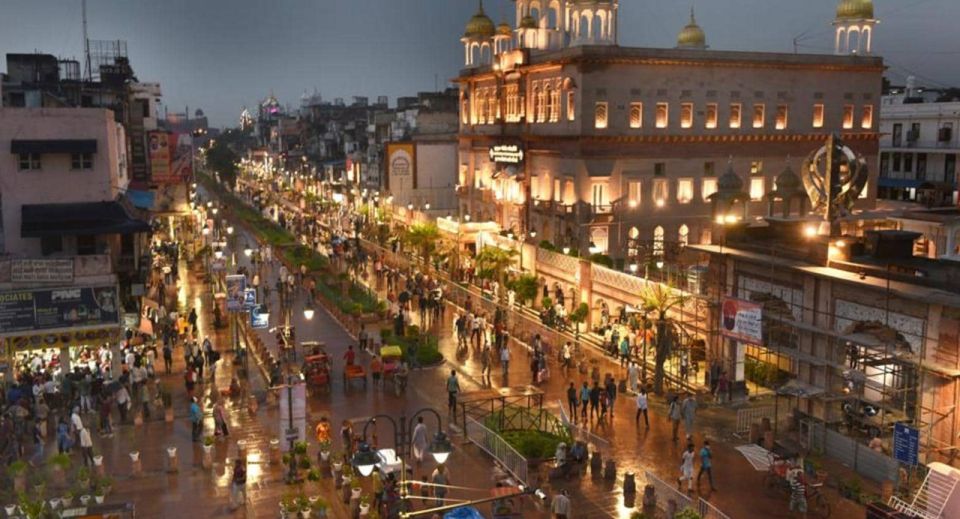
Gurudwara Bangla Sahib is the kind of place that resets your day. It’s serene compared to the surrounding Old Delhi noise, and it’s also deeply practical: you’ll see how the community kitchen operates.
Here’s what makes this stop stand out. The kitchen serves meals to over 50,000 people daily. That detail matters because it changes your mindset. You’re not just watching a tourist-friendly landmark. You’re witnessing a system that keeps people fed as a daily routine.
Your guide will explain the spiritual setting, but the lived-in atmosphere is what sticks. It’s peaceful, and it’s active at the same time. That’s why it works so well inside a tour that also includes busy markets and large monuments.
There’s also an important scheduling detail. On Mondays, Red Fort and Lotus Temple remain closed, so you’ll visit Gurudwara Bangla Sahib on that day as part of the plan. In plain terms: if you’re traveling Monday, you should expect a slightly different route, with more focus on this calm, meaningful stop.
If you want one moment during the day that feels like a breath of fresh air, this is it.
Lotus Temple, Humayun’s Tomb, and Qutub Minar: architecture you can read
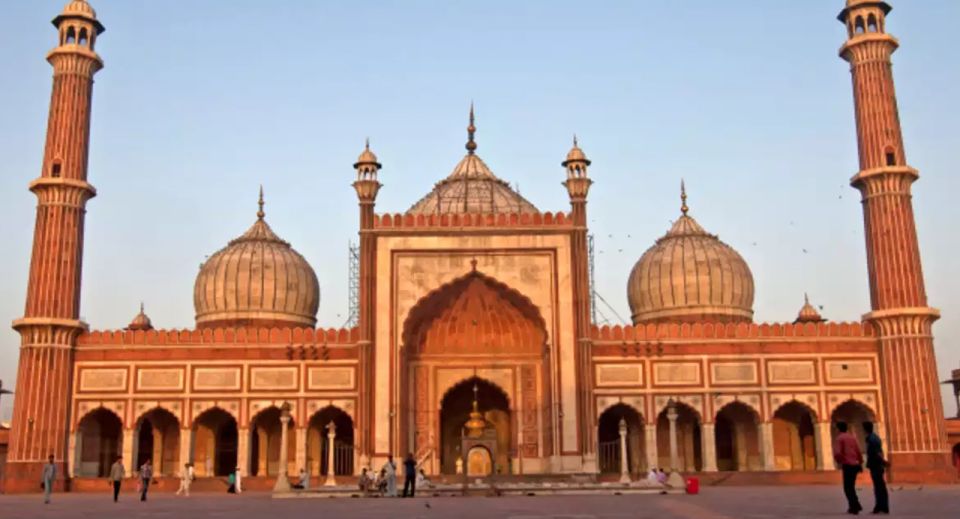
New Delhi’s portion of the tour shifts tone. The pace feels more spaced out, and the architecture becomes the main character.
Lotus Temple is one of the stops that people usually describe as serene, and that fits. It’s a Baha’i House of Worship with a distinctive lotus-shaped design. The structure’s geometry is striking in person, and the atmosphere is quiet enough that you can actually take it in.
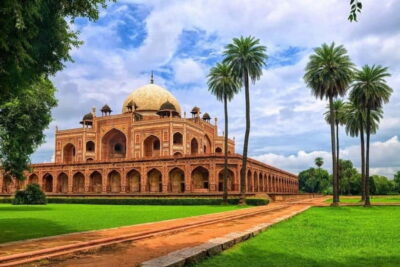
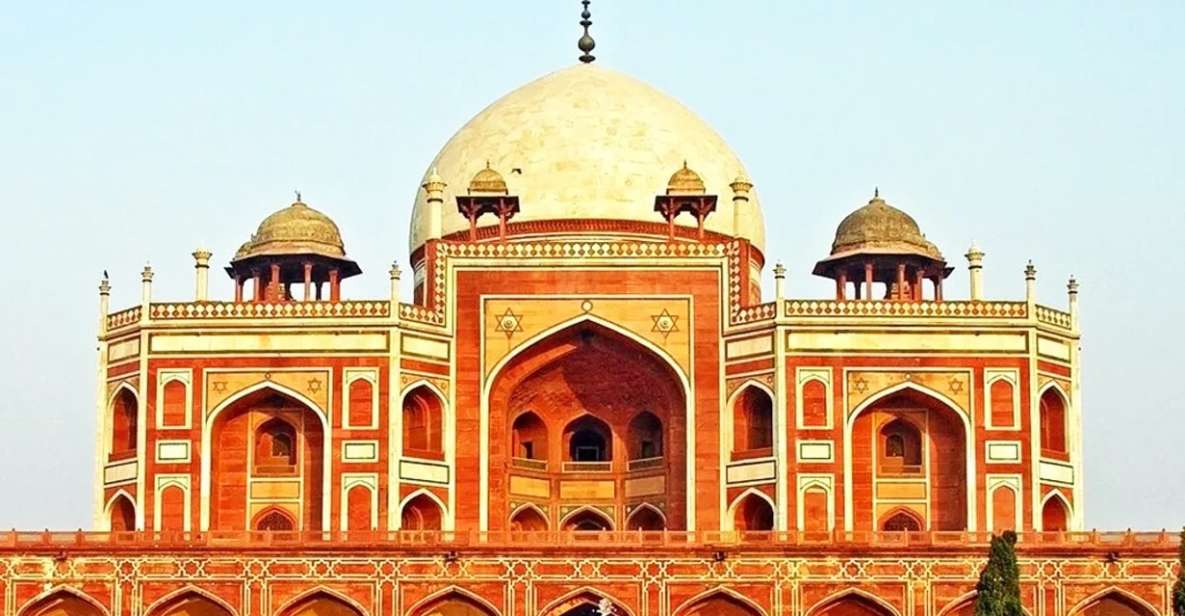
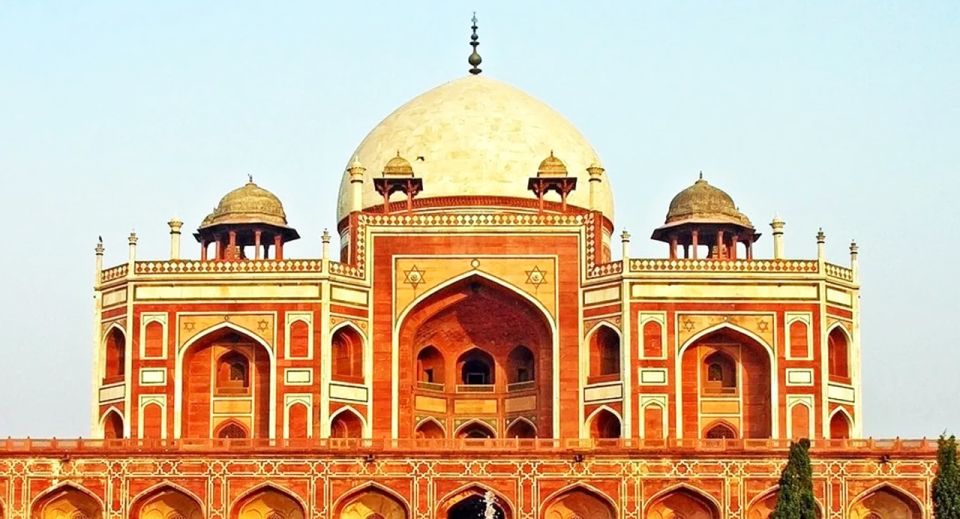
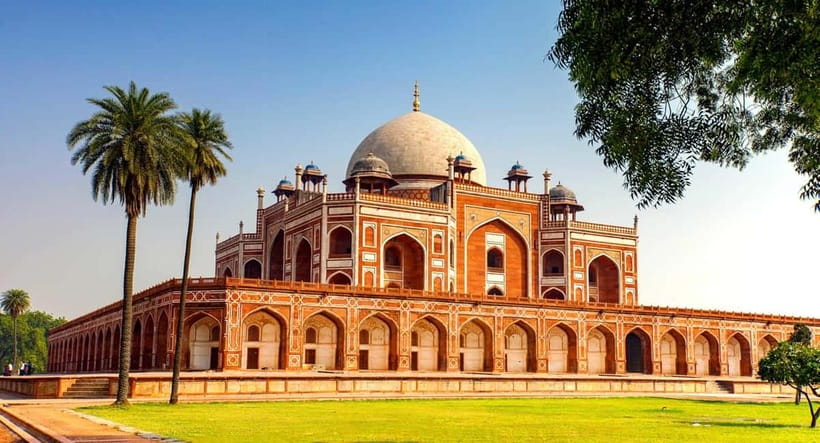
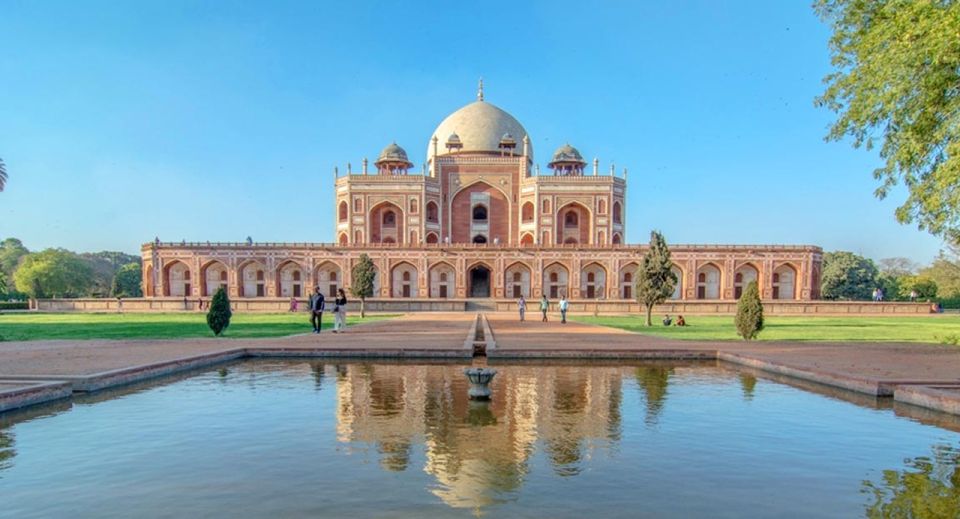
Next you may visit Humayun’s Tomb, which is an early Mughal masterpiece often seen as a precursor to the Taj Mahal. This is a great stop if you like architecture that teaches you how styles evolve. Your guide’s narration helps you notice details you might otherwise overlook, especially the way these early Mughal buildings influenced later designs.
Then comes Qutub Minar, a UNESCO World Heritage Site and a 12th-century victory tower. This is the monument that gives you scale. Even if you’re not a hardcore history person, the height and the structure’s age create instant perspective on Delhi’s long timeline.
A practical note: your time and energy here will depend on how long you choose to linger and whether you select entry tickets for the stops that offer them. The good news is that a private guide makes it easier to match the pace to your comfort level.
If you’re traveling on a Monday, remember Lotus Temple is closed, so the order changes. Your guide handles the adjustment, and you’ll still get New Delhi architecture through the other major stops.
You can also read our reviews of more city tours in New Delhi





New Delhi drive-by classics: India Gate, Presidential Palace, and Parliament
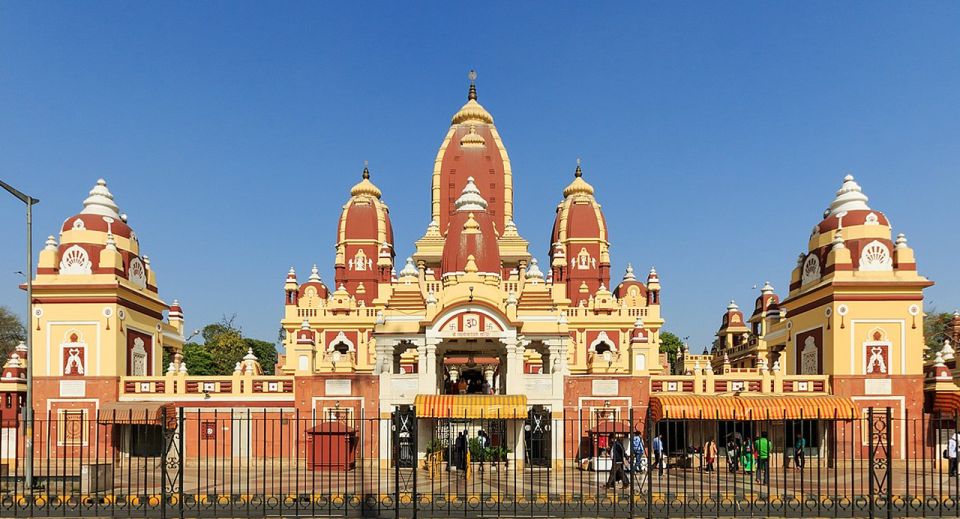
Some of the best sightseeing in New Delhi happens from the car window. You’ll drive through a ceremonial boulevard and pass major landmarks tied to British colonial influence, including India Gate, the Presidential Palace, and Parliament House.
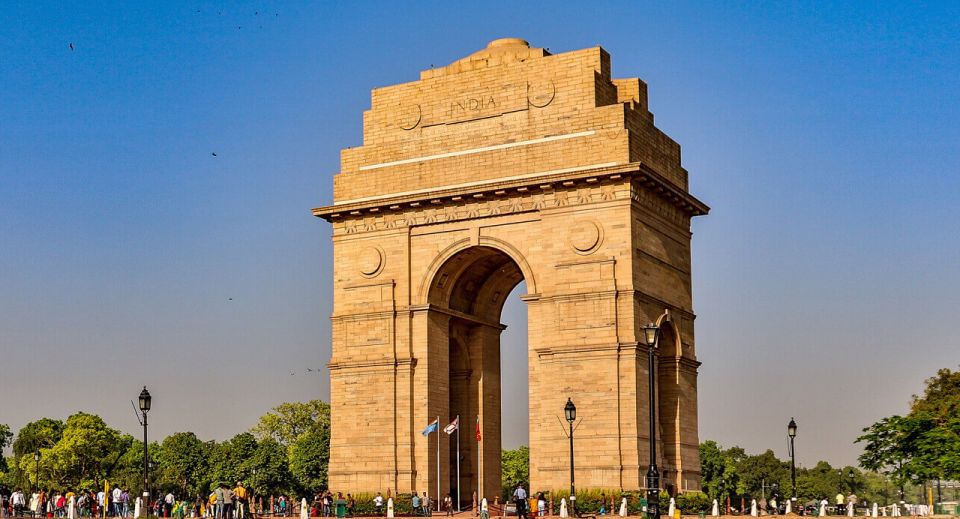
This “view from the road” approach is practical. It saves time while still giving you context. India Gate in particular is worth seeing because it frames Delhi’s mix of commemoration and national identity.
In a private setup, these drive-bys aren’t just transit. Your guide can connect each landmark to what it represents, so you don’t just see buildings—you understand why they’re positioned where they are.
If you’re the sort of person who likes to learn fast while moving, this portion is satisfying. It also helps you avoid making the entire day a set of doorways and tickets.
Lodhi Garden and Agrasen ki Baoli: calmer corners after the big hits
The route doesn’t end on your most famous monuments. You’ll wrap New Delhi with Lodhi Garden and Agrasen ki Baoli, which changes the mood again.
Lodhi Garden is a peaceful park area with historic tombs. It’s a nice way to cool down after the big architecture stops. Instead of one massive photo moment, you get slower scenery, breaks in sightlines, and a more relaxed walk-around feel.
Then there’s Agrasen ki Baoli, an ancient stepwell. This is the kind of stop that can feel like you’ve found something off the main tourist radar, even though it’s part of a recognized route. Stepwells are a unique piece of India’s built environment, and seeing it in context helps you understand how these structures were tied to daily life.
If you like variety, this ending is smart. Your earlier stops cover major religions, empires, and global-scale monuments. These final pieces add a quieter layer: gardens, tombs, and water architecture.
If the day runs long, these last stops are also where you’ll appreciate having a private driver waiting patiently.
Price and what’s included in the $13 value
At about $13 per person, this tour is priced to feel accessible, especially for a private experience that includes an air-conditioned car and a live guide. The real value isn’t just the price—it’s the reduction of hassle.
With a guide, you’re not stuck figuring out which sites to prioritize or how to connect Old and New Delhi efficiently. You also get included basics that add up fast: parking fees and taxes, plus a water bottle and umbrellas. In Delhi, that practical stuff matters.
There’s also flexibility built in:
- Pick-up and drop-off are included from your chosen location.
- Monument entry tickets are included only if you select that option.
- Rickshaw ride in Old Delhi is included only if you select that option.
Food isn’t included, so plan for snacks or a meal break outside the tour. That’s not a flaw—it’s just a reality of how the day is structured. You’ll be happier if you treat meals as your own decision rather than expecting everything to be handled for you.
Also, the tour languages include English, Spanish, Russian, German, and French. If you’re not traveling in English, it’s good to know you can still get the guided storytelling clearly.
If you want the most seamless experience, I’d suggest selecting entry tickets when they’re available for the stops you care about most. If you’d rather stay outside and keep the schedule lighter, you can keep tickets optional and focus on the sights you can enjoy immediately.
Who this tour is for, and what to expect on the day
This private tour fits best if you want:
- A structured overview of Old and New Delhi without turning it into a frantic checklist
- A guide to explain what you’re seeing, including architecture and cultural context
- A mix of famous monuments and daily-life stops like the community kitchen
It’s less ideal if you don’t like walking or if you’re traveling with mobility limits. The tour also isn’t suitable for pregnant women, based on the provided information.
What you’ll likely feel during the day is contrast. Old Delhi gives you crowd energy, market smells, and dramatic architecture. New Delhi gives you calmer spacing and monument scale. Gurudwara Bangla Sahib is the emotional middle, where the day slows and becomes more grounded.
One detail I found encouraging from past guest feedback: the guides and drivers can genuinely make the ride enjoyable, not just functional. One guide named Nawin stood out for being friendly and for making the day unforgettable, and another traveler praised a friendly, chatty driver during the journey. That’s the kind of touch that changes a tour from efficient to enjoyable.
Finally, come prepared with a passport or ID card, a towel, and comfortable shoes. Also keep luggage reasonable—oversize luggage isn’t allowed—and pets aren’t permitted.
Should you book this Delhi private city tour?
I think you should book it if you want to see the classics of both Old and New Delhi in a single, organized day, while still having private flexibility. The best reasons are the guide-led context and the standout stops like Jama Masjid and Gurudwara Bangla Sahib. The rickshaw ride is a major value add if you like sensory, street-level travel.
I’d skip it or rethink it if you’re trying to avoid walking, or if you’re traveling on Monday and really want Lotus Temple and Red Fort interiors. Those are closed on Mondays, so the route adapts.
If you like practical planning and want Delhi to make sense fast, this tour is a strong fit.
FAQ
What areas do you pick up from?
You can be picked up from Delhi, Noida, Gurugram, Ghaziabad, and Faridabad, depending on your preferred location.
Is this tour half-day or full-day?
Both options are available: a private half-day or full-day city tour.
Are monument entry tickets included?
Monument entry tickets are included only if you choose the option that includes them.
Do I get a rickshaw ride in Old Delhi?
A rickshaw ride in Old Delhi is included if you select the option for it.
What happens on Mondays?
Red Fort and Lotus Temple remain closed on Mondays, so you’ll visit Gurudwara Bangla Sahib on that day.
Are food and drinks included?
Food and drinks are not included.
What language options are available for the guide?
The tour lists English, Spanish, Russian, German, and French.
What should I bring?
Bring your passport or ID card, a towel, and comfortable shoes.
Is it a private tour?
Yes, it’s a private city tour with a live guide and private air-conditioned transportation.
If you tell me whether you’re doing half-day or full-day (and what day of the week you’re going), I can suggest the most time-efficient order for your priorities.