REVIEW · NEW DELHI
Old & New Delhi City Tour – Half or Full Day Options
Book on GetYourGuide →Operated by Keeper Landwey · Bookable on GetYourGuide
Delhi has two faces, and you’ll see both. I like how fast this tour gets you moving with pickup, and I love the Old Delhi tuk-tuk ride that puts you right into the lane life around Chandni Chowk. The only drawback to plan for is that Old Delhi means more walking and tighter streets, so comfy shoes matter.
On the New Delhi side, the pace shifts to big monuments and garden tombs, with stops like Humayun’s Tomb and either Lotus Temple or Qutub Minar (if your day falls on a Monday). You’ll also get a real local guide—people such as Raghuveer Singh, Azhar, Vimal Mathur, and Rupali are specifically called out for making the information clear without turning it into a lecture.
In This Review
- Key Takeaways Before You Go
- Choosing the Right Option: 4 Hours, 4 Hours, or a 7-Hour Power Day
- Pickup and Transport That Actually Make Sightseeing Easier
- Old Delhi: Chandni Chowk, Jama Masjid, Khari Baoli, and Gurudwara Bangla Sahib
- Chandni Chowk and the tuk-tuk ride
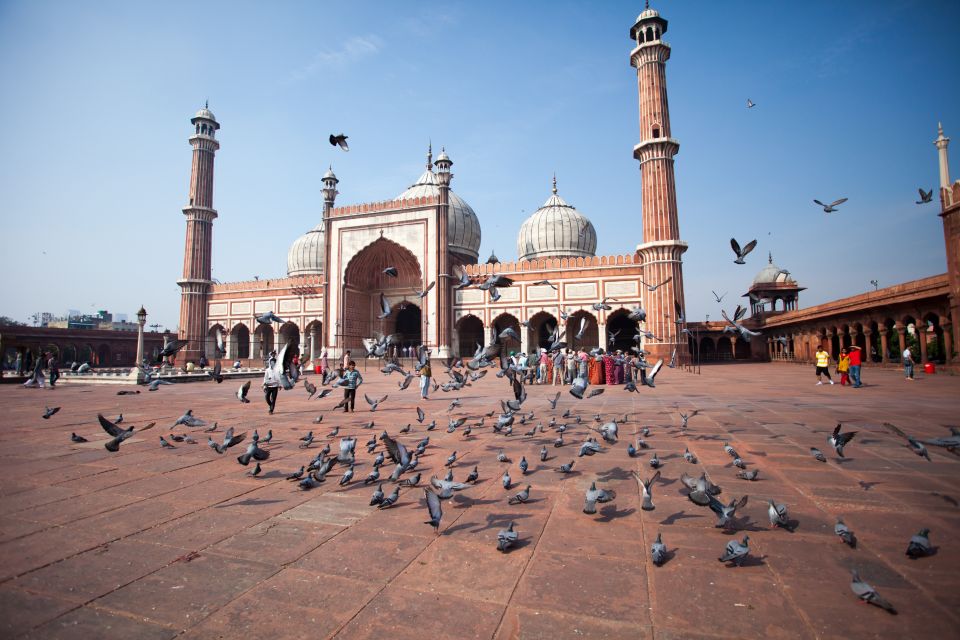
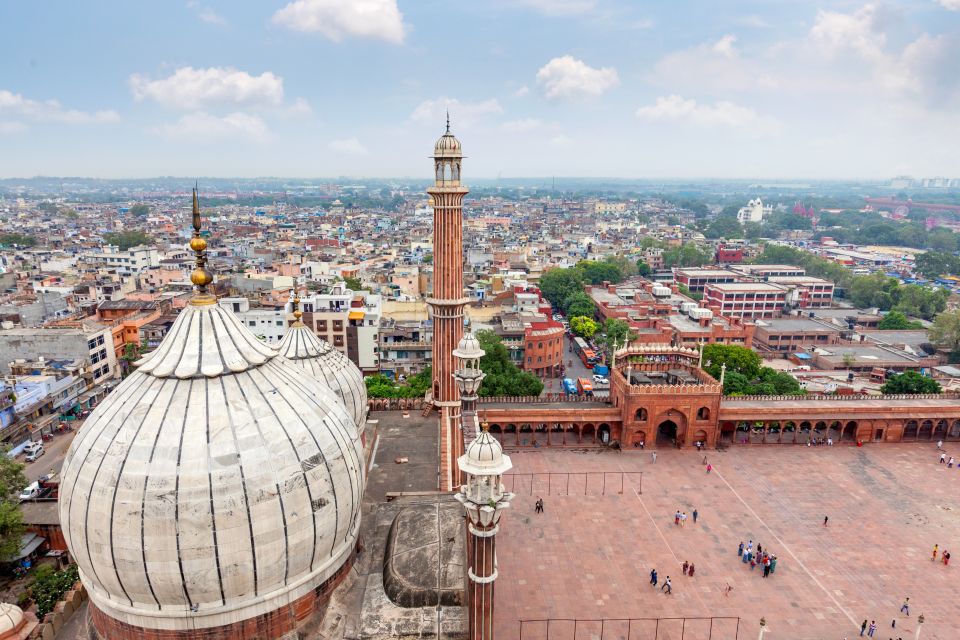
- Jama Masjid: India’s largest mosque
- Khari Baoli: Asia’s largest spice market
- Gurudwara Bangla Sahib: a peaceful counterpoint
- Red Fort and the “see it from outside” logic
- New Delhi: Agrasen ki Baoli, Humayun’s Tomb, and Lotus Temple (Monday swap)
- Agrasen ki Baoli: a calm start
- Driving past India Gate, Parliament, and the President’s House
- Humayun’s Tomb: Mughal gardens with guided time
- Lotus Temple, or Qutub Minar if Lotus is closed
- What “Skip the Ticket Line” and Entry Fees Included Means for You
- Meals and Timing: How the Day Fits Together
- Price and Value: What You’re Really Paying for at Around $38
- Who This Tour Suits Best (and Who Might Want a Different Plan)
- Practical Tips That Will Make the Day Smoother
- Should You Book This Old & New Delhi Tour?
- FAQ
- How long is the Old Delhi half-day tour?
- How long is the New Delhi half-day tour?
- How long is the full-day Old & New Delhi tour?
- What happens on Mondays with Lotus Temple?
- Does the tour include hotel pickup and drop-off?
- What should I bring with me?
Key Takeaways Before You Go

- Old Delhi by tuk-tuk: you’ll go from a normal car ride to a slower, more street-level view of Chandni Chowk
- Spice shopping at Khari Baoli: Asia’s largest spice market means smells you can’t get from photos
- Major landmarks, not a rushed hit list: Jama Masjid, Gurudwara Bangla Sahib, and Humayun’s Tomb each get guided time
- Two different styles of Delhi in one day: colonial/imperial landmarks in New Delhi plus the layered old city
- Monument timing quirks are handled: Lotus Temple swaps to Qutub Minar when Lotus is closed on Mondays
Choosing the Right Option: 4 Hours, 4 Hours, or a 7-Hour Power Day

This is set up in three ways, so you can match your energy and your schedule.
If you pick the Old Delhi half-day (about 4 hours), you’ll focus on the city’s older core: Chandni Chowk lanes, Jama Masjid, Khari Baoli, and the Sikh spiritual stop at Gurudwara Bangla Sahib. It’s the option for people who want sensory overload in a good way—smells, sounds, and people-watching—while still having a guide to explain what you’re seeing.
The New Delhi half-day (about 4 hours) is a different mood. You’ll start at Agrasen ki Baoli, then drive past India Gate and major government buildings, visit Humayun’s Tomb, and finish at Lotus Temple (or Qutub Minar on Mondays). This option suits you if you like cleaner lines, outdoor architecture, and a calmer flow.
The full-day tour (about 7 hours) strings both worlds together. It’s the best choice if it’s your first time in Delhi and you want a single day to cover the contrast—from Old Delhi’s market energy to New Delhi’s monument scale. The trade-off is time: you’ll fit more, but you won’t have lots of free wandering.
You can also read our reviews of more city tours in New Delhi


Pickup and Transport That Actually Make Sightseeing Easier
Delhi can be a traffic puzzle, so the fact that this tour is built around hotel/airport pickup and drop-off across Delhi, Noida, Gurugram, Ghaziabad, and Faridabad matters. You don’t have to negotiate your way to meeting points, especially if you’re arriving by flight or you’re staying outside central Delhi.
Transport is in a private, air-conditioned car, and it gets treated as part of the experience, not just logistics. The driver quality is consistently rated highly, which matters because you’re sitting through enough road time that a smooth, careful driver turns the day from stressful into manageable.
For Old Delhi (and the full day), you also get a traditional tuk-tuk ride through the bazaars. That’s not just a novelty. It changes how you perceive the streets: the road feels narrower, the turns happen closer to you, and you get a better sense of how people actually move through Chandni Chowk.
Old Delhi: Chandni Chowk, Jama Masjid, Khari Baoli, and Gurudwara Bangla Sahib

Old Delhi starts near Sunehri Masjid and quickly moves into Chandni Chowk, where you’ll hop into the tuk-tuk and then do a guided walk. The streets here are narrow and active, so the guide’s role is huge. You’re not just looking at monuments; you’re learning how the neighborhood works.
Chandni Chowk and the tuk-tuk ride
Chandni Chowk is where Delhi shows its daily rhythm. Expect a slow-motion street scene rather than a quiet postcard. The walk time (about an hour in the Old Delhi version) is the sweet spot: long enough to feel the place, not so long that you’re exhausted before the major stops.
One practical thing: Old Delhi stops can come with sun, dust, and lots of foot traffic. Based on real solo-traveler tips, I’d come prepared with a head covering and disposable slippers if you’re worried about comfort and modesty.
Jama Masjid: India’s largest mosque
Jama Masjid is one of those sights that hits you fast. You’ll visit with guided time (around 45 minutes), which helps you orient yourself—what to look for, what different parts signify, and how the space functions beyond the photo angle. It also gives you a calm buffer in the middle of the market chaos.
If you prefer sites where someone can explain the symbolism, Jama Masjid is a strong stop. If you prefer to just wander, you’ll still come away with a better understanding without the guide taking over every second.
You can also read our reviews of more tours and experiences in New Delhi




Khari Baoli: Asia’s largest spice market
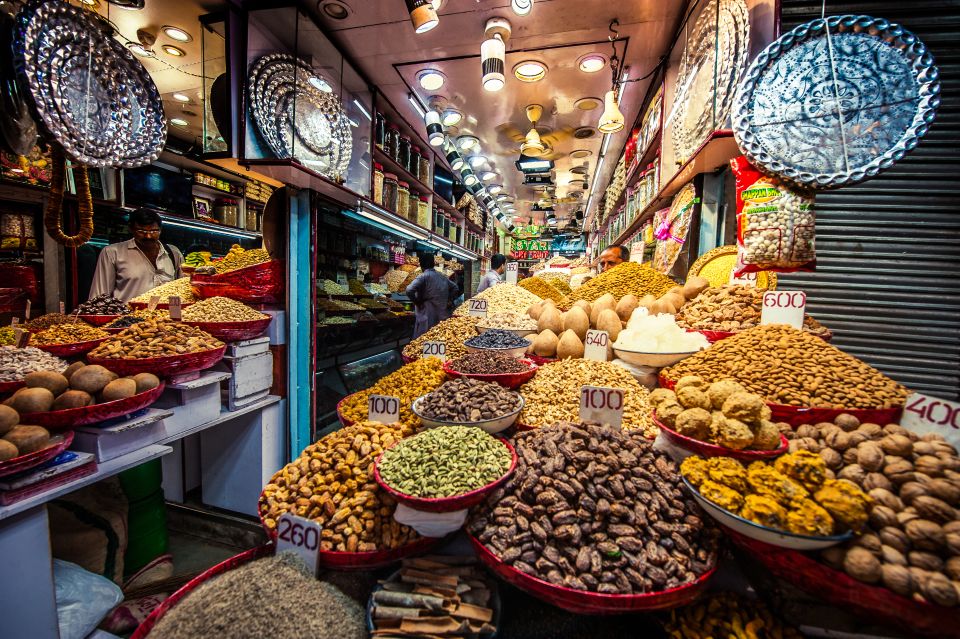
Then comes the sense-memory stop: Khari Baoli. Even if you don’t plan to buy much, you’ll smell it immediately. This is where the tour earns its spot on your itinerary, because markets like this are hard to experience well on your own—someone needs to help you navigate what’s worth sampling and how to shop without turning it into a stress fest.
You’ll have guided time here (about an hour total walk time overall on the Old Delhi route includes the market experience), and it’s a practical place to pick up spices and souvenirs you’ll actually use.
One caution: spice shopping can be tempting, so it helps to set a budget before you start. Also, keep an eye on what you’re carrying—Old Delhi hands you a lot of visual temptations.
Gurudwara Bangla Sahib: a peaceful counterpoint
After the mosque and market energy, Gurudwara Bangla Sahib provides a different tempo. You’ll visit for about 45 minutes, and the standout detail is the sacred pond and the community kitchen. That “human scale” is what makes it feel like more than a sightseeing stop.
If you enjoy spiritual sites that show everyday kindness, this is a strong match. It also offers a mental reset before you move back into traffic and toward your next Delhi chapter.
Red Fort and the “see it from outside” logic
On the full-day tour, you’ll pass the Red Fort rather than enter it (about 10 minutes). That’s a fair compromise if you want coverage without eating up the whole day inside one complex. You’ll still get the landmark feel, then you keep momentum toward the rest of the program.
New Delhi: Agrasen ki Baoli, Humayun’s Tomb, and Lotus Temple (Monday swap)
New Delhi’s half-day starts with Agrasen ki Baoli, a centuries-old stepwell tucked into the city center. This stop works as a warm-up: it’s architectural and historical, but not as overwhelming as the bigger landmark circuit.
Agrasen ki Baoli: a calm start
Agrasen ki Baoli is the kind of place where the scale surprises you. Guided time here (about 45 minutes) helps you understand what you’re seeing before you jump into the big-photo monuments.
If you like sites that reward patient looking, this one’s worth your attention.
Driving past India Gate, Parliament, and the President’s House
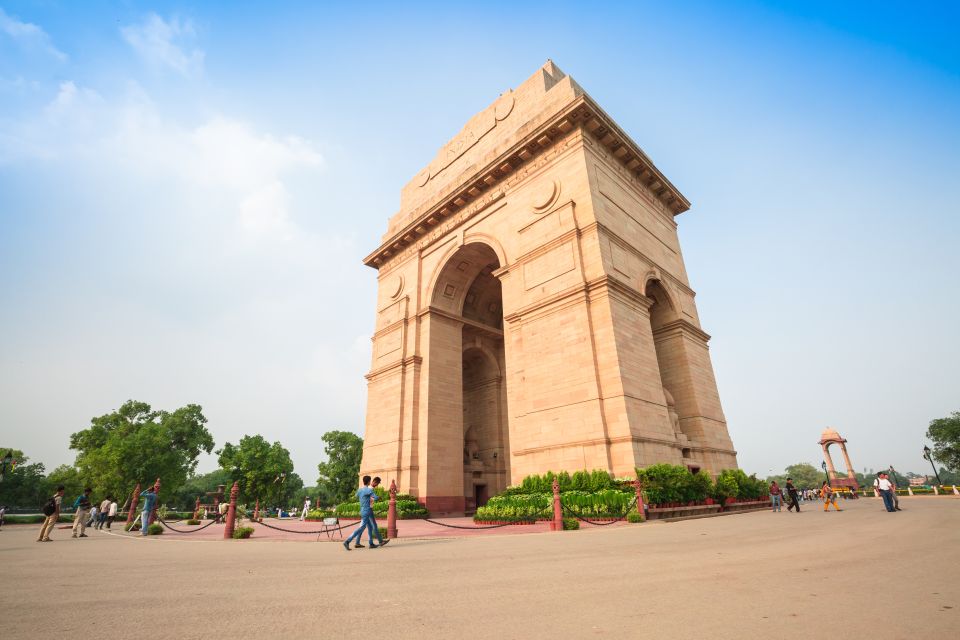
You’ll drive past major landmarks like India Gate, Parliament House, and the President’s House. This is mostly viewing time, not long stops. It’s useful because it helps you understand New Delhi’s planning layout fast, without losing the day to transit or ticket lines.
This also means your guide can explain the political/architectural context in short segments—useful if you want the big picture without turning every location into a half-hour classroom.
Humayun’s Tomb: Mughal gardens with guided time
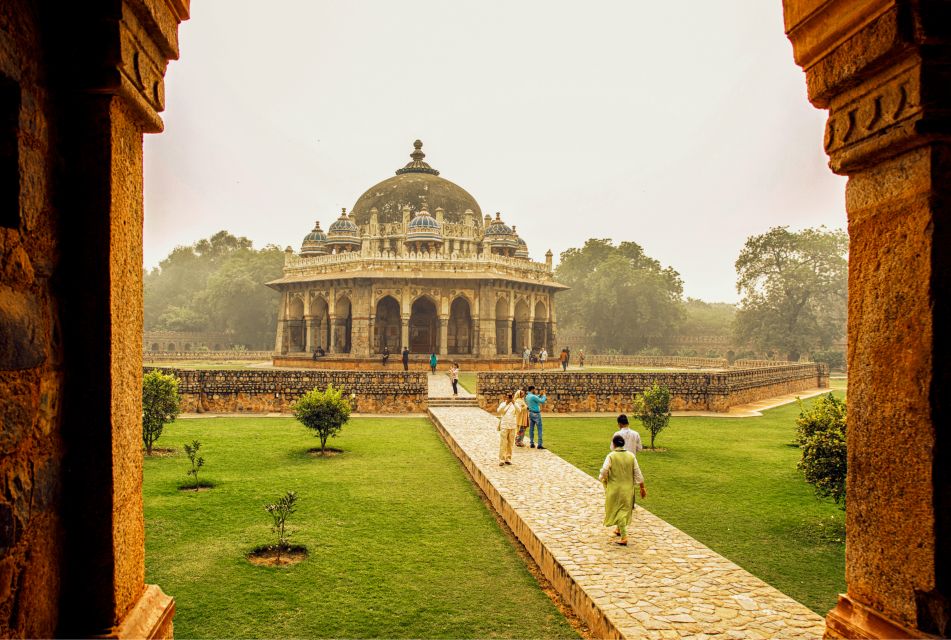
Humayun’s Tomb is the centerpiece on the New Delhi route. You get about an hour here with guided sightseeing. This is where Mughal design shows up as more than just “old building”: it’s a garden tomb layout that feels ordered and walkable, and the guided time helps you read the symmetry and details.
If you like architecture and landscaped spaces, this stop gives you something to slow down for.
Lotus Temple, or Qutub Minar if Lotus is closed
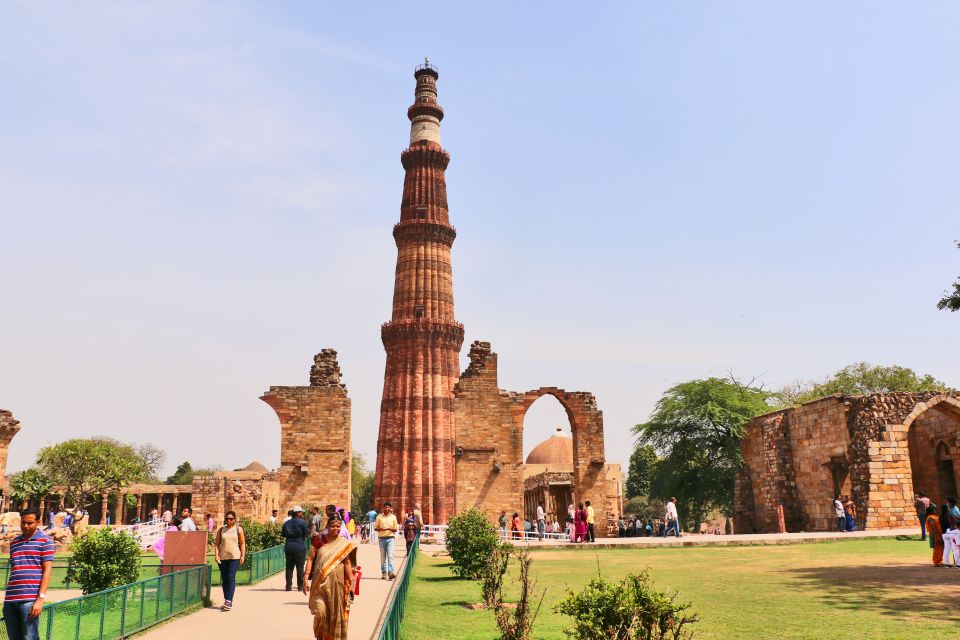
The New Delhi half ends at Lotus Temple for about 30 minutes—except on Mondays. On Monday tours, Lotus Temple is swapped for Qutub Minar.
That kind of adjustment is exactly what you want on a short timeline. Lotus Temple is known for its lotus-like structure and calm atmosphere, while Qutub Minar brings a different, taller historic landmark feel. Either way, you end with a major Delhi identity marker rather than a filler stop.
What “Skip the Ticket Line” and Entry Fees Included Means for You
For many Delhi tours, the real pain isn’t the sightseeing—it’s the waiting. Here, entry fees are included, and you also get skip the ticket line. That combination protects your time.
It’s especially helpful on sites like Jama Masjid, Humayun’s Tomb, and other busy stops. You’ll spend more of your day looking and learning, and less of it stuck in queues.
You’ll also get bottled mineral water during the tour, which sounds small until you’re out in the city heat and stop counting refills.
Meals and Timing: How the Day Fits Together
The full-day option includes time at a local restaurant with meals (breakfast/lunch time is listed as about 1 hour). This is practical because it keeps you from having to hunt for food between monuments, which can burn time when traffic is unpredictable.
For the half-day options, meals aren’t listed as included, so you’ll likely want to plan a snack strategy. If you get hungry easily, eat before you go for the half-day tours.
Time-wise, the routes are designed to be heavy on highlights and light on wandering. That’s a plus if you want structure. If you hate being on a schedule, consider choosing the option that matches your arrival window and add a bit of your own free time afterward.
Price and Value: What You’re Really Paying for at Around $38

At about $38 per person, this tour looks like a budget option, but it’s not only the sightseeing—you’re paying for a bundle of things that add up fast:
- Private transport with A/C
- Hotel/airport pickup and drop-off
- A local guide
- Tuk-tuk ride in Old Delhi
- Entry fees
- Bottled water
- All taxes and charges
In practical terms, you’d likely spend a similar amount (or more) trying to assemble parts of this day yourself: a driver to cover Old and New Delhi, entrance fees, and paying for a guide who can keep your stops meaningful.
The other big value piece is efficiency. This is built for short visits—4 to 7 hours—and it gives you a guided path through the city’s most important contrasts without turning the day into a travel logistics project.
Who This Tour Suits Best (and Who Might Want a Different Plan)
This is ideal for you if:
- It’s your first time in Delhi and you want a fast orientation
- You want Old Delhi and New Delhi contrasts in one trip
- You prefer a local expert guide to make major sites easier to understand
- You want door-to-door comfort with A/C in between stops
This might feel less ideal if:
- You want lots of independent time in markets (this tour includes guided walks, not long free roam)
- You’re sensitive to crowding and street conditions in Old Delhi lanes
- You only care about a single monument and nothing else (in that case, a narrower focus could feel more relaxing)
Practical Tips That Will Make the Day Smoother
A few small moves can make a big difference:
- Bring a passport or ID card (it’s required)
- For Old Delhi, consider a head covering and disposable slippers if you want extra comfort and modesty
- Wear comfortable shoes. The walk segments add up
- If you’re into photos, ask your guide about good angles and quick picture spots as you move between sites
- If you’re visiting on a Monday, remember Lotus Temple is replaced with Qutub Minar
Should You Book This Old & New Delhi Tour?
I think you should book it if you want a structured, high-impact day with real context—especially if you’re short on time or you’re arriving by flight. The biggest win is the contrast: Old Delhi’s markets and major religious sites paired with New Delhi’s grand monuments and garden architecture. That mix is hard to replicate well on your own, and this tour handles the hard parts (pickup, transport, and the timing of busy stops).
If you’re choosing between half days, pick Old Delhi if you want sensory street life and spiritual landmarks in the old city. Pick New Delhi if you prefer clean monument planning and garden architecture. If you can swing the full day, it’s the best way to leave Delhi feeling like you saw both sides of the city, not just one.
FAQ
How long is the Old Delhi half-day tour?
The Old Delhi option runs for about 4 hours.
How long is the New Delhi half-day tour?
The New Delhi option also runs for about 4 hours.
How long is the full-day Old & New Delhi tour?
The full-day tour runs for about 7 hours.
What happens on Mondays with Lotus Temple?
Lotus Temple is closed on Mondays. If your tour falls on a Monday, Lotus Temple is replaced by Qutub Minar.
Does the tour include hotel pickup and drop-off?
Yes. Pickup and drop-off are included from Delhi, Noida, Gurugram, Ghaziabad, or Faridabad, including hotel or airport pickup by request.
What should I bring with me?
You should bring a passport or ID card.