REVIEW · NEW DELHI
Delhi Like a Local: Food & Photography Full Day Tour
Book on GetYourGuide →Operated by Explore Routes · Bookable on GetYourGuide
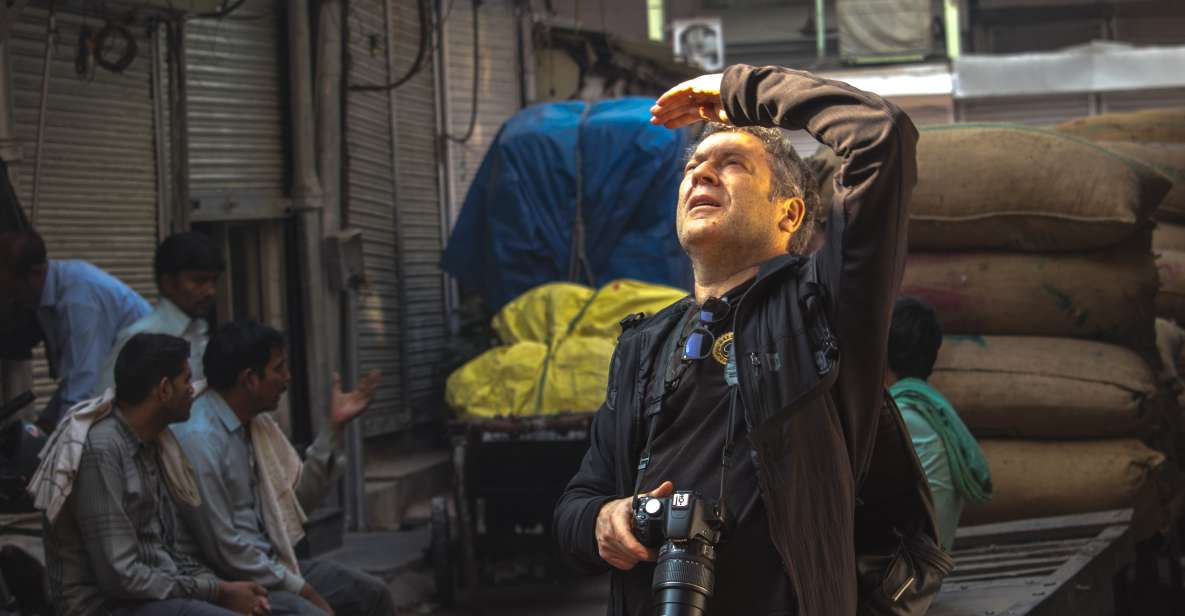
Delhi’s best photos start with street food. This full-day, small-group tour blends street photography tips with carefully chosen tastings, so you’re eating and shooting real city life, not showroom stops. I also like how the route includes major sights plus quieter lanes where your camera can breathe. One catch: you need full-length clothing for religious sites, and shorts or sleeveless shirts aren’t allowed.
I love that the day feels guided but not scripted. You ride tuk-tuks, hop on the Delhi Metro for navigation practice, and you end with Lodhi Garden light that’s made for portraits. If you’re traveling with a family or you want a conversation with your local expert (many groups end up with Faizy as the guide), this format is built for it.
In This Review
- Key things that make this tour worth your time
- Starting at Lal Qila Metro: get your bearings fast
- Old Delhi by foot and tuk-tuk: Chandni Chowk’s textures for your camera
- Jama Masjid stop: respect the space, then shoot smart
- Khari Baoli spice market: tastings plus close-up photography
- New Delhi contrasts: Lutyens Zone style and Raisina Hill views
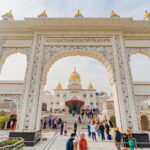
- Bangla Sahib Gurudwara: Sikh serenity and the community kitchen
- The extra “lesser-known stop” in between meals
- Lunch timing and what to do if you’re a picky eater
- Lodhi Gardens at golden hour: calm light after the crowds
- Price and value: what $71 buys you in real-world terms
- Safety and comfort: why the guide’s role is bigger than you think
- Who should book this tour (and who should skip)
- Should you book this Delhi food and photography day?
- FAQ
- Where is the meeting point for the tour?
- How long is the Delhi Like a Local: Food & Photography tour?
- What group size is this tour?
- What’s included in the price?
- Is lunch included?
- Does the tour include Metro and tuk-tuk rides?
- What languages are available for the guide?
- Is it suitable for people with mobility impairments?
- What should I wear, and what’s not allowed?
Key things that make this tour worth your time
- Small group of 6: more attention for your photos and your questions.
- No random shopping stops: the stops are built around food and culture, not sales.
- Khari Baoli spice market tastings: sensory overload in the best way, plus photo angles.
- Bangla Sahib community kitchen: compassion you can witness in action.
- Tuk-tuk and Metro rides included: you learn how the city actually moves.
- Golden-hour photography at Lodhi Gardens: calm walks after the morning chaos.
Starting at Lal Qila Metro: get your bearings fast
You meet your guide at Gate No. 1, Lal Qila Metro Station. It’s a smart start point because you’re already in a transport hub, so the rest of the day feels connected instead of scattered.
From the first moves, the pacing is practical. You’re walking the parts that matter (Old Delhi streets and alleys), but you’re not doing it all on foot. That matters in Delhi, where crossing from one scene to the next can mean a lot of time on foot if your plan is inefficient.
You’ll also get quick guidance on how to photograph street scenes without turning into a tourist spectator. Think: where to stand, when to lift your camera, and how to frame people and motion without blocking traffic or causing attention you don’t need.
You can also read our reviews of more food & drink experiences in New Delhi
Old Delhi by foot and tuk-tuk: Chandni Chowk’s textures for your camera
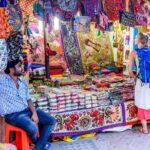
Old Delhi is where this tour makes its point. You spend time around Chandni Chowk, known for its tight lanes and constant movement. The guide leads you through the maze, so you’re not just “seeing a place,” you’re learning how to read the street—sounds, scents, and crowd flow.
Two things help your photos immediately:
- you get routed into spots with better sightlines than the main walkways
- you’re coached on shooting street life without getting in people’s way
There’s also a comfort factor here. A guide who knows the neighborhood rhythms helps you avoid wandering into areas that feel stressful when you’re on your own. Even if you’re not a serious photographer, you’ll leave with a few repeatable tricks—especially for portraits and close-ups in narrow spaces.
Jama Masjid stop: respect the space, then shoot smart
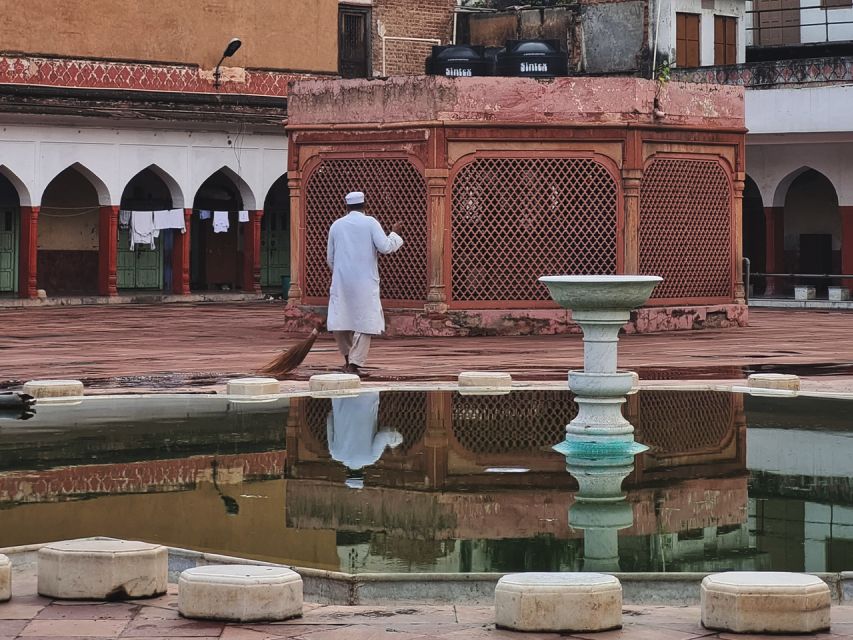
You’ll pass through Jama Masjid with a short guided stop and time to walk around. This is one of the biggest religious landmarks in the city, so you want to keep your behavior calm and your camera use respectful.
The practical advantage of having a guide here is timing. In places like this, your best photos usually come from waiting for the right moments—when foot traffic shifts or when light falls across the architecture. You don’t need to “chase” scenes blindly; you can follow the guide’s sense of where and when to stand.
One more note: this stop reinforces the clothing rules. You’ll be entering religious spaces, so it’s not just a technical requirement—it’s part of fitting into the day.
Khari Baoli spice market: tastings plus close-up photography
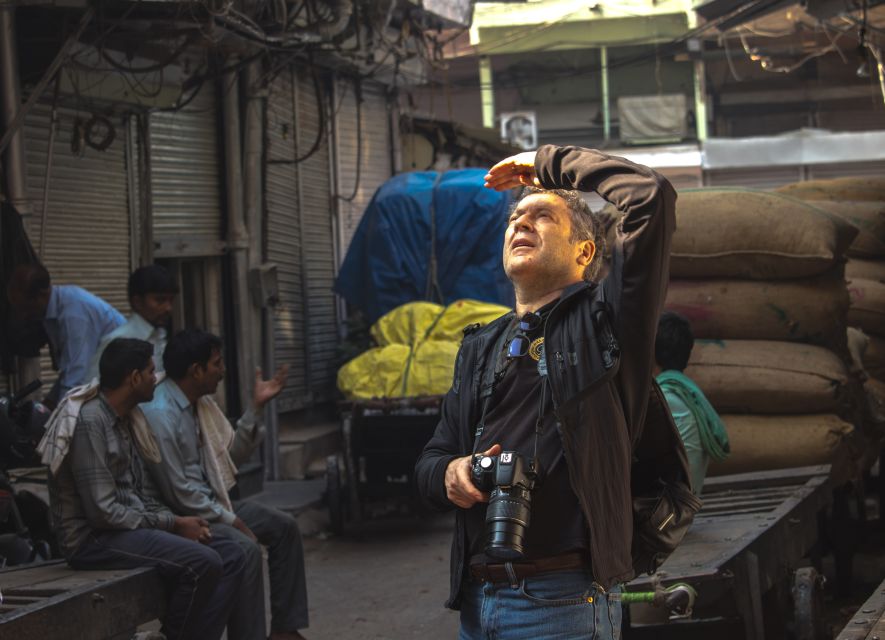
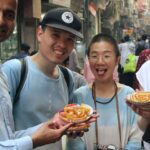
Then you shift into sensory territory at Khari Baoli, described as Asia’s oldest spice market. This is where the day gets loud, spicy, and visually intense—perfect for photos if you like details.
What makes this stop more than a typical “look around” moment is the combination of:
- food tasting at carefully selected stops
- a guided visit through the market
For photography, spice markets are great because you can shoot multiple layers: hands, textures, sacks, steam, faces, and motion. If you’re trying to improve your street photos, this is one of the easiest places in Delhi to get strong results quickly.
If you’re worried about eating too much too fast, take the guide’s lead. Tastings are meant to be sampled, not stuffed. Pace yourself, and you’ll enjoy the variety without feeling heavy for the rest of the day.
New Delhi contrasts: Lutyens Zone style and Raisina Hill views
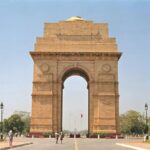
After the Old Delhi intensity, New Delhi adds a clean visual contrast. You’ll catch Lutyens’ Zone architecture and photo-friendly viewpoints from Raisina Hill. This part works especially well if you like comparing urban styles—spiky minarets and dense bazaars in the morning, then broad avenues and government-era lines later.
Photography-wise, this is a breather. Open views help you shoot wide compositions and skyline-style frames. It also gives you a chance to reset your pace before the next stop, which is more reflective and slower.
If you don’t care about architecture photos, you can still appreciate the contrast. It’s one of the best ways to understand how Delhi has grown: old layers of trade and worship beside later planning and monumental design.
You can also read our reviews of more tours and experiences in New Delhi



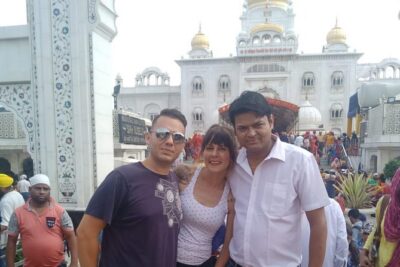
Bangla Sahib Gurudwara: Sikh serenity and the community kitchen
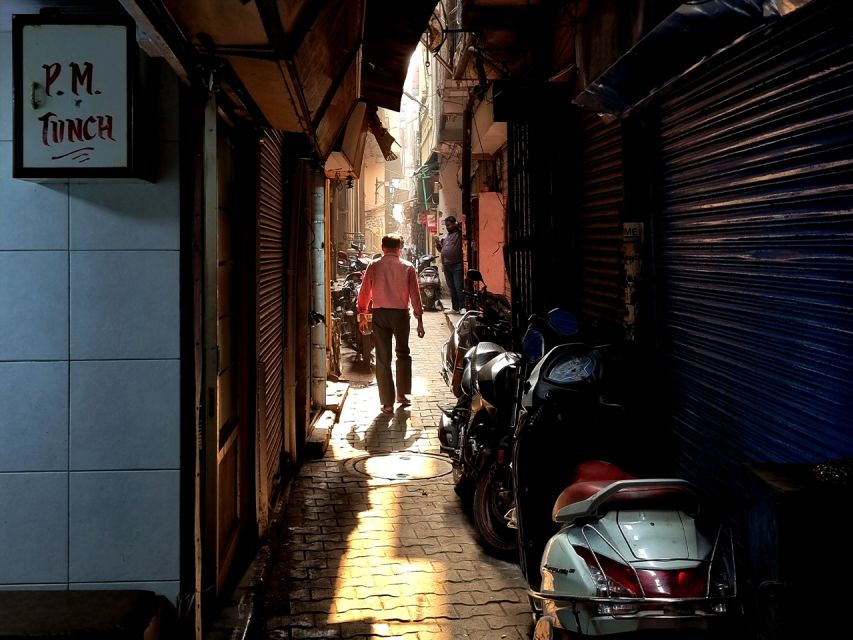
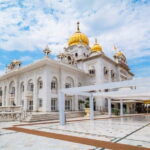
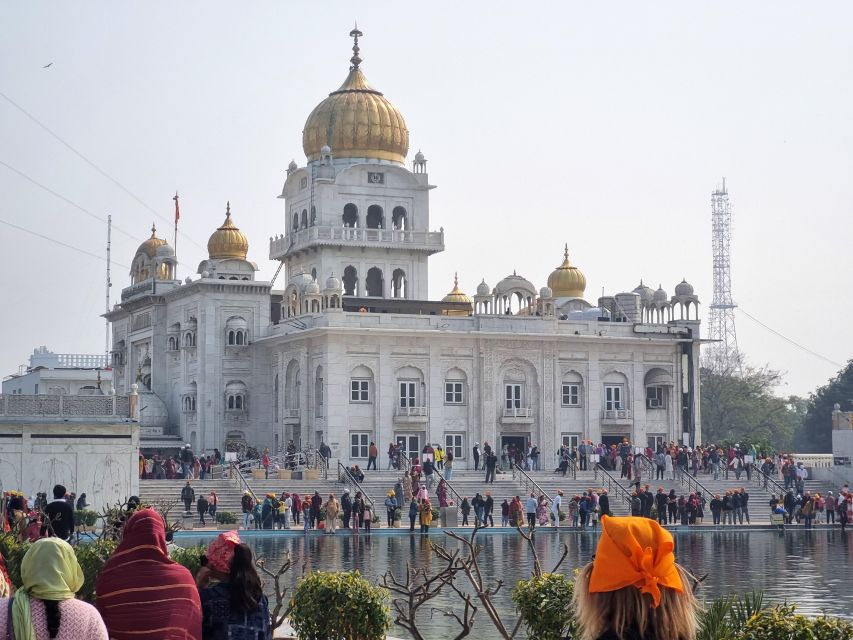
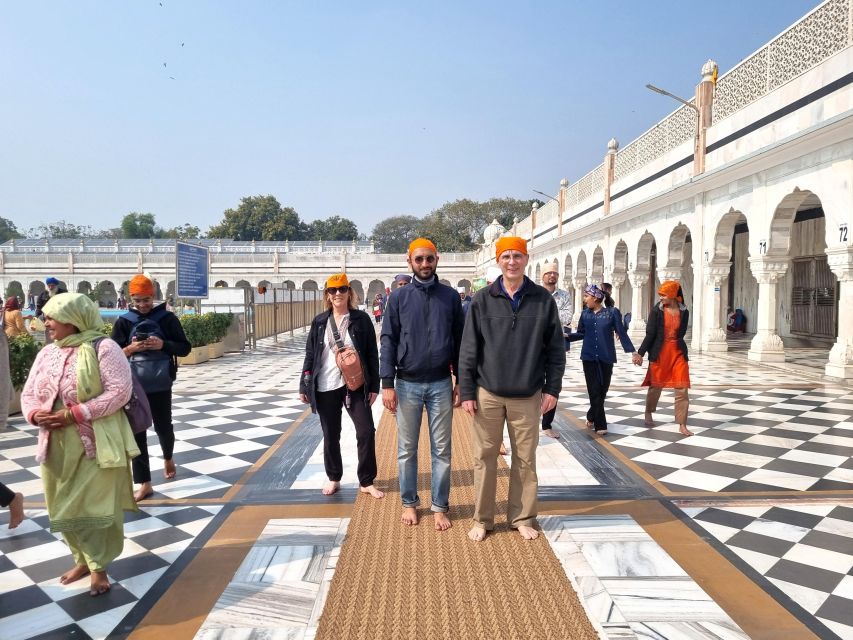
Next comes Gurudwara Bangla Sahib, with guided time and a chance to see the atmosphere up close. This stop isn’t just about photos. It’s about observing a place where hospitality is the point, not the scenery.
A major highlight here is the community kitchen. You’ll hear how it serves up to 50,000 people each day, and the tour also frames the broader compassion effort as feeding 100,000 lives daily. Seeing systems like this in motion changes your sense of what a city tour can be.
Photography is possible, but the vibe is different. You’ll want to keep your camera use discreet and focused. I like this kind of stop because it slows everything down—so your photos improve, even if you’re not actively trying.
The extra “lesser-known stop” in between meals
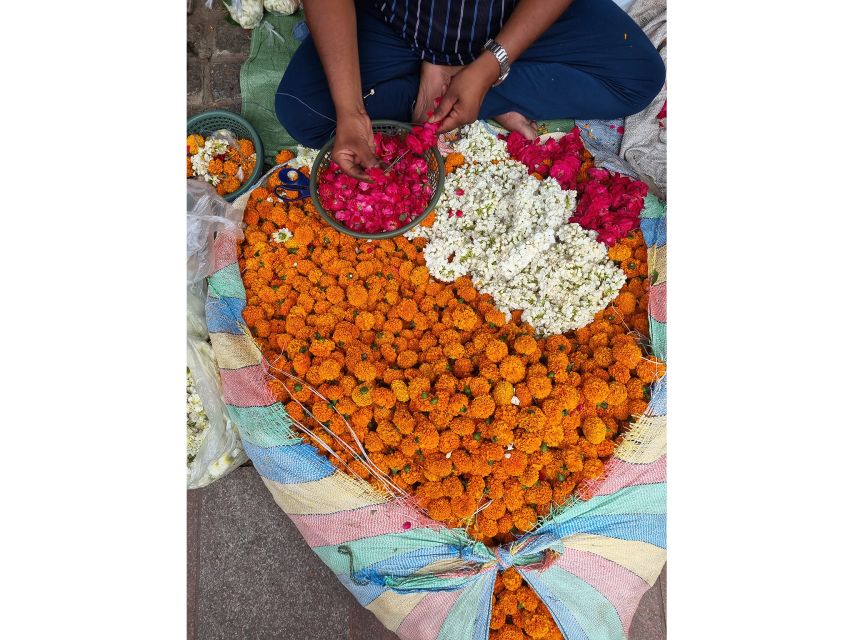
You’ll also visit a lesser-known local stop with guided time. The value here is simple: you get a break from the big-ticket sites and a chance to see Delhi in smaller frames.
These in-between segments are often where your best photos happen. Street life doesn’t pause for landmarks, and the guide’s job is to help you keep capturing without getting lost.
If you’re the type who likes variety, this is where you feel the tour’s planning. You’re not just moving from one famous spot to another—you’re stitching together a fuller picture of daily Delhi.
Lunch timing and what to do if you’re a picky eater
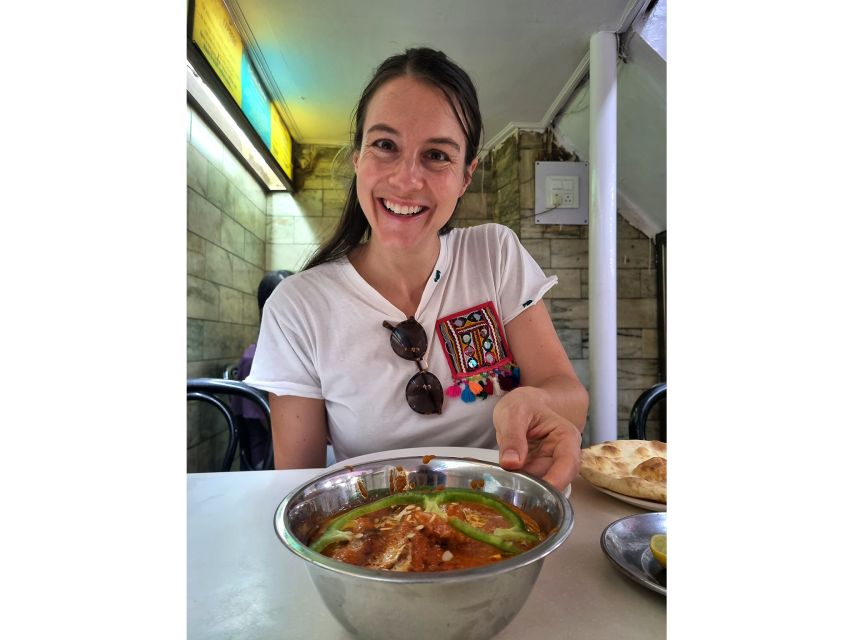
Lunch is scheduled in New Delhi. If the option is selected, it’s included, and it gives your stomach a reset after spice-market tastings and street snacks.
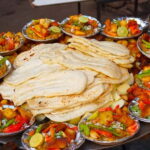
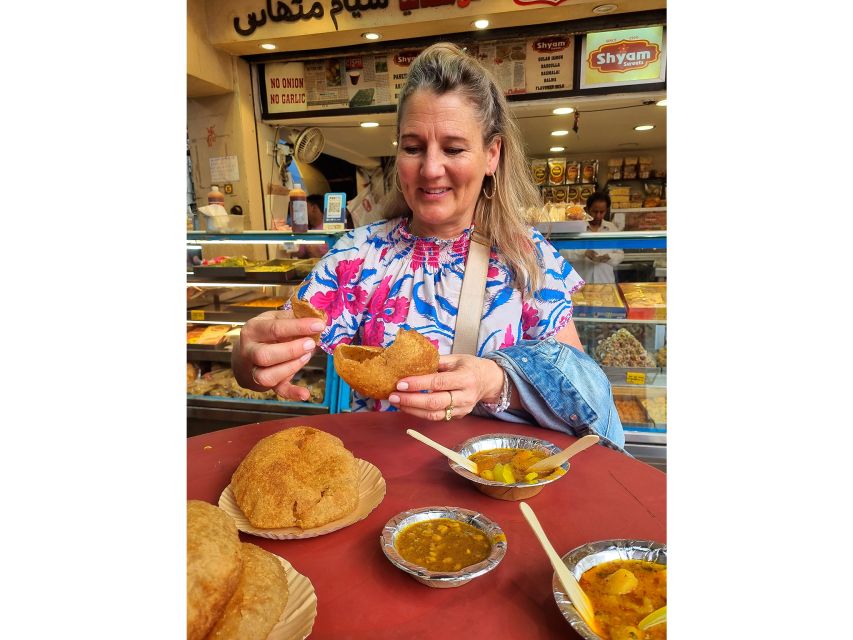
This tour is built around street food tastings, and that can be a big deal if your idea of “food tour” is risky. Here, the promise is tasty and hygienic street food through carefully selected stops, plus you’re guided the whole way.
My advice: don’t try to win at eating. If you’ve already had a few rich items, choose something lighter. You’ll get more out of the day at Lodhi Gardens when you’re not dragging.
Lodhi Gardens at golden hour: calm light after the crowds
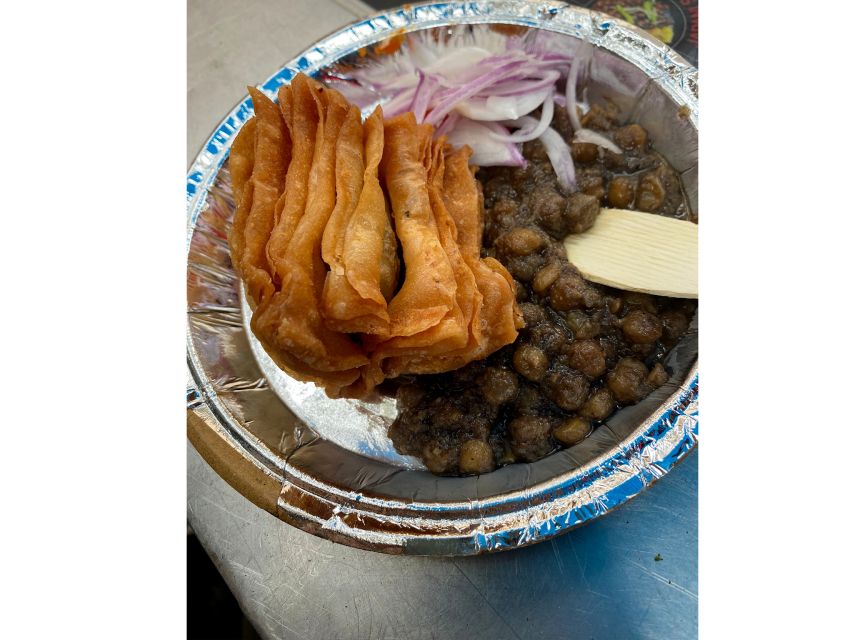
The final big photography payoff is Lodi Gardens. This is where you shift from hard street angles to softer, greener pathways—plus the timing is built around sunset light, which is ideal for portraits and relaxed travel shots.
Even if you’re not chasing professional photos, you’ll appreciate the change in pace. The earlier part of the day is about motion and density; Lodhi Gardens gives you breathing room and cleaner compositions.
It’s also a good way to end because the day has emotional range now: intense markets, major religious spaces, then a quiet walk where your camera can do less frantic work.
Price and value: what $71 buys you in real-world terms
At $71 per person for about 6.5 hours, this tour is positioned as a “do a lot well” day. The price isn’t just paying for sights. You’re paying for:
- an English-speaking local storyteller guide
- multiple food tastings
- entrances
- tuk-tuk rides
- one Delhi Metro ride
- and lunch if you choose the lunch option
That matters because Delhi transportation and pacing can add up fast if you’re figuring it out yourself. Here, the transport is built into the plan, so you’re not spending your day stuck in transit planning.
Two practical notes that affect value:
- there’s no hotel pickup/drop-off, so you’ll want to reach the meeting point on time
- the day involves walking and religious-site dress requirements, so it’s best if you’re physically comfortable with a full morning-to-evening rhythm
For many people, the biggest value is the lack of shopping detours. You spend your time on food, photos, and culture, not on getting herded into a store.
Safety and comfort: why the guide’s role is bigger than you think
Street photography can be intimidating in any big city. In Delhi, it can feel especially intense if you’re unfamiliar with crowd behavior and local pace. This tour’s structure helps because you’re moving with a guide who directs where to stand and when to move.
The tour also keeps group size small—up to 6 participants—which helps you blend into the street scene instead of creating a big group disturbance. That translates into better photos and less stress.
If you’re traveling alone, or you’re responsible for kids, this kind of guidance is usually the difference between enjoying the city and constantly checking your bearings.
Who should book this tour (and who should skip)
This tour is a great fit if you:
- want Old and New Delhi in one day without random shopping
- care about street food and want sampling guidance
- want practical street photography tips for alleyways, markets, and portraits
- like a mix of action (markets and movement) and calm (Lodi Gardens)
It’s less suitable if you have mobility limitations. The day includes walking, religious-site visits, and navigating dense streets.
Also plan your wardrobe early. Religious sites require full-length clothing, and the tour doesn’t allow shorts, short skirts, or sleeveless shirts. If you pack for comfort but forget the rules, you’ll spend part of the day worrying instead of photographing.
Should you book this Delhi food and photography day?
If you want one solid plan for seeing Delhi like a local—especially through street food tastings and photo-ready moments—this tour is a strong choice. The small-group format, tuk-tuk + Metro combo, and emphasis on cultural stops make it efficient without feeling rushed.
I’d only hesitate if:
- you dislike walking or you can’t handle dense street navigation
- you’re unwilling to follow dress rules for religious sites
- you prefer a slow, sit-down style tour over markets and streets
Otherwise, book it. It’s the kind of day that leaves you with a camera full of Delhi details and a stomach that finally understands what everyone’s been talking about.
FAQ
Where is the meeting point for the tour?
You meet your guide at Gate No. 1, Lal Qila Metro Station.
How long is the Delhi Like a Local: Food & Photography tour?
The tour runs for 6.5 hours.
What group size is this tour?
It’s a small group limited to 6 participants.
What’s included in the price?
The tour includes an English-speaking storyteller guide, food tastings, entrances, tuk-tuk ride(s), 1 ride on the Delhi Metro, and lunch if the lunch option is selected.
Is lunch included?
Lunch is included only if you select the lunch option.
Does the tour include Metro and tuk-tuk rides?
Yes. You get tuk-tuk ride(s) and 1 Delhi Metro ride as part of the day.
What languages are available for the guide?
The live guide is available in German and English.
Is it suitable for people with mobility impairments?
No. The tour is not suitable for people with mobility impairments.
What should I wear, and what’s not allowed?
You should wear comfortable shoes and full-length clothes because you enter religious places. Shorts, short skirts, and sleeveless shirts aren’t allowed, and you also can’t bring luggage or large bags.