REVIEW · NEW DELHI
Old Delhi Food, Heritage&Cultural Walk with Rickshaw ride to Masterji Kee Haveli
Book on Viator →Operated by Masterji kee haveli dot com · Bookable on Viator
Old Delhi tastes better on foot. This 4-hour small-group tour mixes cycle/electric rickshaw time with a visit to Masterji Kee Haveli for a complimentary, home-cooked meal. I also like that you get to experience Khari Baoli, a famous wholesale spice market that turns shopping into a sensory lesson, not just a stop.
One thing to consider: this is street-focused. You’ll be walking in active lanes, and Old Delhi has modest-dress expectations (plus you might need to remove footwear when you enter a home).
In This Review
- Key Things That Make This Tour Worth Your Time
- Old Delhi Food and Culture Without the Usual Tourist Shuffle
- Masterji Kee Haveli: The Home-Cooked Meal Moment
- Walking Old Delhi Lanes Where Shop Life Still Runs the Show
- Khari Baoli Spice Market: When Shopping Becomes a Lesson
- Rickshaw Ride Breaks: The Day Stays Comfortable
- Food Included: Breakfast, Street Tastings, and Lunch or Dinner
- Guides That Actually Know the Streets
- Shopping Without Getting Lost in the Bazaar Maze
- What You Should Wear and Bring for Old Delhi Comfort
- Timing and Meeting Points: Plan for a Smooth Start
- Price and Value: What Makes $52.73 Make Sense
- Who Should Book This Tour (and Who Might Not Love It)
- Should You Book Old Delhi Food, Heritage & Culture With the Masterji Haveli Stop?
- FAQ
- How long is the Old Delhi food, heritage, and cultural walk?
- What meals are included?
- Is the group size small?
- Where do I meet, and where does the tour end?
- Are there rickshaw rides during the tour?
- Is there a home-cooked meal included?
- What should I wear in Old Delhi?
Key Things That Make This Tour Worth Your Time
- Small group (max 8 travelers) means better pacing and more chances to ask questions.
- Masterji Kee Haveli home meal gives you a real look at daily life behind the old walls.
- Khari Baoli spice market makes the smells part of the story, not an afterthought.
- Rickshaw rides help you keep energy for the walking sections.
- Street-food tasting with water and planned meals keeps the day enjoyable, not exhausting.
Old Delhi Food and Culture Without the Usual Tourist Shuffle
Old Delhi can feel like sensory overload in the best way. The problem is that without local guidance, you can miss what matters or you can waste time in places that are popular but not particularly meaningful. This tour tries to fix that with a small-group format and a guide team made of Old Delhi locals.
You’ll walk through lanes and bazaars where generations of shopkeepers still work. The pace stays practical. And while you’ll be out on the street, you’re not just wandering. You’re tasting, learning, and stepping into a traditional home setting at Masterji Kee Haveli.
Also, I like the fact that meals are part of the plan. Bottled water is included, and the tour builds in breakfast plus either lunch or dinner depending on tour timing. That matters in Old Delhi, where hunger hits fast and decision-making gets harder.
You can also read our reviews of more walking tours in New Delhi


Masterji Kee Haveli: The Home-Cooked Meal Moment
Masterji Kee Haveli is the emotional center of the day. You’re not going to a restaurant with a stage and a menu designed for crowds. You’re visiting an old private mansion where a single family has lived for generations. That detail changes the whole vibe.
At this stop, you can expect a traditional home-cooked complimentary meal. It’s served in a setting that feels lived-in, not performative. In the feedback I saw, people used words like gracious and private for the dining experience, which tells you it’s treated like a real welcome rather than a quick photo opportunity.
Practical note: visiting homes can come with rules. The tour guidance asks for modest dress in Old Delhi, and it notes that you might need to take off footwear when entering Indian houses, though it depends on the host area. Bring a calm attitude about it. You’re going to a home, not a venue.
If you’re traveling with kids, this is also a smart choice. The day is packed, but the haveli meal gives everyone a clear payoff—something warm, familiar, and sit-down.
Walking Old Delhi Lanes Where Shop Life Still Runs the Show
The first part of the tour is about Old Delhi street life—how people shop, how businesses work, and how families keep running the same neighborhoods year after year. You’ll meet your guide and group at a central meeting point near Ajmere Gate Rd in Chawri Bazar (and the day typically ends near the Hamdard Building on Asaf Ali Road).
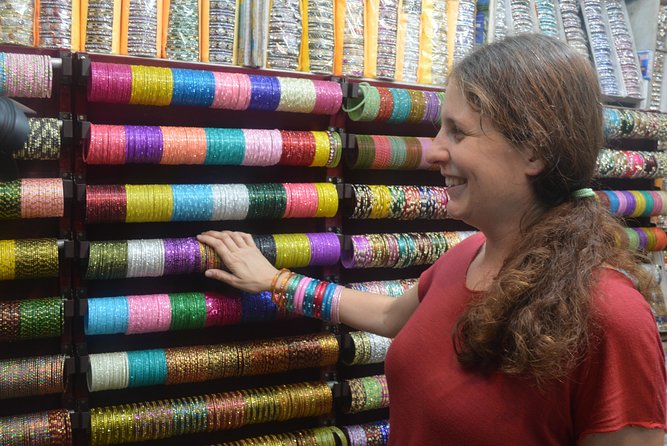
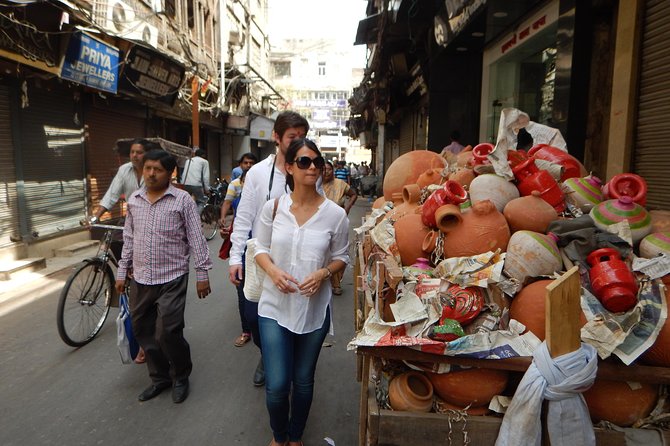
Then you head into the lanes and bazaars. This is where you’ll get more than just sightseeing. You should expect interaction with business owners who have been in the same type of work for generations. It’s a chance to see how commerce and daily life blend together in Old Delhi.
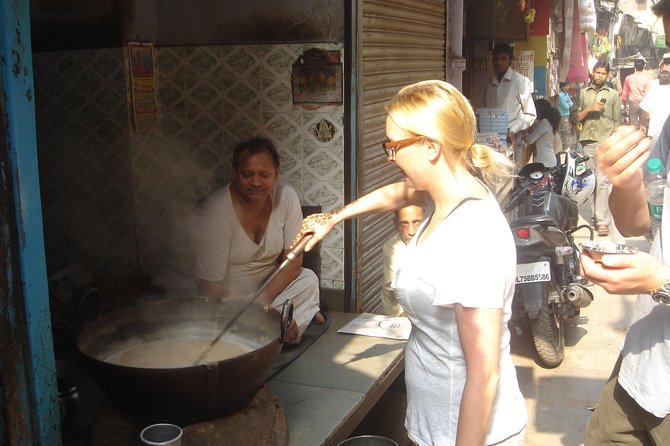
You’ll also have structured time for safe street-food sampling. The tour includes safe street food tastings and bottled water, which helps you navigate one of the biggest unknowns for first-timers. Street food can be amazing or stressful depending on choices. Here, it’s planned into the flow.
There’s another practical benefit: walking plus storytelling. The tour team includes a local friend who acts as a story teller and photographer. That sounds like marketing language until you realize what it means on the street—you’ll likely get context for what you see and how it connects to Delhi’s communities.
Khari Baoli Spice Market: When Shopping Becomes a Lesson
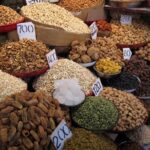
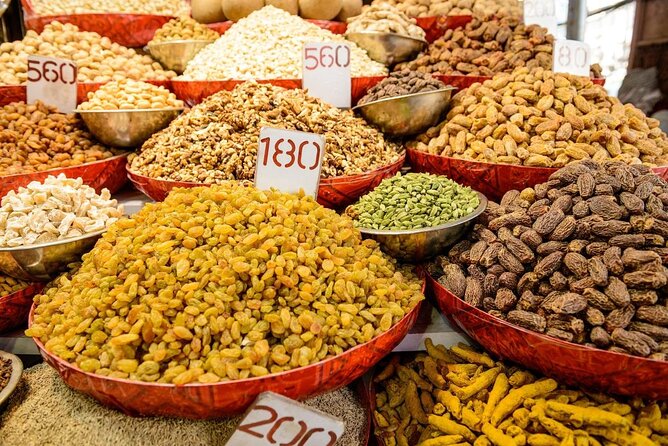
Khari Baoli is a must in Old Delhi, and this tour treats it as more than a photo stop. It’s Asia’s largest wholesale spice market, selling spices, nuts, herbs, and food products like rice and tea. It has operated since the 17th century and sits at the western end of Old Delhi.
On your visit, the tour keeps it short—about 30 minutes—but focused. The point isn’t to linger for shopping marathons. The point is to understand what this place is and why it matters. The market’s scale is the story. Seeing how spices move through a wholesale system helps you connect street-level ingredients to the wider food economy.
If you’re the type who likes buying small souvenirs but hates getting pressured, this stop can work well because the time is limited and the goal is learning and tasting the atmosphere. You’ll also get to use your senses—smell and sight do most of the teaching here.
Rickshaw Ride Breaks: The Day Stays Comfortable
Old Delhi walking can be long even at a “good pace.” That’s why I like that the tour builds in a rickshaw break. You’ll get cycle or electric rickshaw rides during the day. It gives your legs a rest without breaking the flow of neighborhoods and lanes.
This also makes the experience more accessible for a wider range of travelers. The tour notes that most travelers can participate, and a vehicle break matters for anyone who wants to see a lot but doesn’t want to be wiped out by hour three.
You’ll still walk, of course. But the rickshaw segment is a smart compromise—especially in Delhi traffic and heat. If you’re on an afternoon start, that break can feel extra important.
You can also read our reviews of more food & drink experiences in New Delhi




Food Included: Breakfast, Street Tastings, and Lunch or Dinner
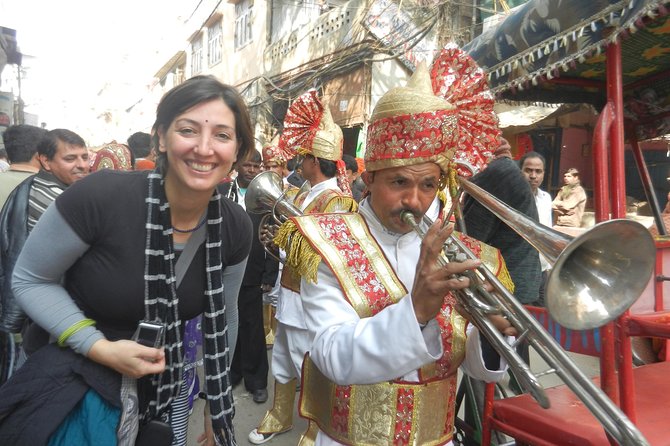
Let’s talk food, because this is a food-and-heritage tour, not a walk with a few samples. The experience includes:
- Breakfast (plus safe street food)
- Snacks during the street-food tasting portion
- Coffee and/or tea, and in summer fresh lemonade
- Lunch for the morning tour or early gala dinner for the afternoon tour
- Bottled water
That’s a lot of structure, which is a big part of the value. You’re not left trying to figure out where to eat while also negotiating streets and timing. When food is built into the plan, you get to enjoy it instead of worrying you’ll be stuck hungry later.
From the guide-side feedback, people also emphasized the home-style nature of the haveli dining. And the street-food portion is described as safe and planned. That doesn’t guarantee every taste will be your favorite, but it reduces the main risk for visitors: choosing random snacks without local guidance.
Guides That Actually Know the Streets
A huge difference between a “tour” and a real local walk is how the guide handles the neighborhood. This tour is run by locals living in Old Delhi, and that shows in the way the day is narrated.
In the feedback I read, guides like Varun were praised for expert knowledge and navigation of Old Delhi. Others, including Vivian, were praised for passion and for keeping people looked after. Names like Dhruv and Deet also came up in positive experiences tied to storytelling and a smooth day.
Why does this matter for you? Because Old Delhi is not a straight line. You need someone who can lead you confidently across lanes, explain what you’re seeing, and keep the pace working for the group. A local guide also helps you avoid the common trap of wandering into the wrong kind of shops or feeling awkward asking basic questions.
Shopping Without Getting Lost in the Bazaar Maze
You’ll have chances to shop in the bazaar areas during the Old Delhi portion. This is one of the spots where having a guide helps. You can ask what something is, how it’s used, and what kind of souvenirs make sense.
The tour includes time in areas where you can find Indian souvenirs, and it’s also connected to the spice district. If you’re collecting edible gifts—spice blends, tea, or small jars—that pairs naturally with the Khari Baoli stop.
Keep your expectations practical: you’re in a working marketplace. That means the focus is on sellers and customers moving through their day, not on a staged shopping experience. If you go in with patience and a willingness to ask questions, you’ll get more out of it.
What You Should Wear and Bring for Old Delhi Comfort
Old Delhi comes with cultural dress expectations, and the tour specifically asks for modest clothing. For ladies, it suggests covering shoulders and legs at least to the knee, and carrying a scarf if possible. It also recommends a cap for sun protection.
Shoes are a planning point. The guidance says you’ll usually have to take off footwear to visit Indian houses, but you should check with your host because the rule may apply only in some areas. Wear something easy to remove and re-wear.
Also bring sun and water awareness, even though bottled water is included. You’ll be out for about four hours, mostly outdoors, so plan like it’s a walk-and-taste day, not a museum visit.
Timing and Meeting Points: Plan for a Smooth Start
This tour runs about 4 hours and uses a mobile ticket. It’s booked on average around 21 days in advance, which tells you it can sell out during peak periods.
Meeting is at Ajmere Gate Rd, Bazar Sirkiwalan, Chawri Bazar, Old Delhi, New Delhi (110006). The tour ends at the Hamdard Building, Asaf Ali Rd, Kalyanpura, Chandni Chowk, Delhi (110006). The tour operator notes that you may be dropped at the same starting point, or they can coordinate a drop for your own ride up to the car area near Hamdard Building.
Practical travel tip: the operator strongly suggests using Metro (Yellow Line) to reach the nearest station, or using Uber. If you’re driving with a taxi, they advise you to ensure your driver contacts the tour leader before leaving your hotel so the meeting point isn’t missed.
In Old Delhi, being exactly on time helps. Traffic and weather can shift start and finish times, so don’t schedule anything immediately after the end of your tour.
Price and Value: What Makes $52.73 Make Sense
$52.73 per person isn’t cheap, but the value comes from how much is included. You’re getting:
- A local guide in a small group (max 8)
- Multiple food parts: breakfast, street-food tastings, and lunch or early dinner
- Coffee/tea (or lemonade in summer)
- Bottled water
- Rickshaw rides
- A visit to Masterji Kee Haveli with a complimentary home-cooked meal
- Khari Baoli spice market time
If you were to recreate this day on your own, you’d likely spend money on a guide anyway, pay for at least two meals (often more), and still have to figure out rickshaws and where to go. Here, those decisions are made for you.
Also, the operator requests that you don’t offer tips. That’s unusual, but it means the pricing is designed to cover the experience without guest pressure. Just follow that request and keep the day simple.
Who Should Book This Tour (and Who Might Not Love It)
This tour is best if you want Old Delhi through food and daily life—especially if you like practical walking, structured tastings, and a real home-meal highlight.
It’s a strong fit for:
- First-timers who want safe street-food sampling and clear guidance
- Travelers who enjoy talking with locals and learning how neighborhoods actually work
- Families looking for something different than temples-only sightseeing
It might feel less ideal if you:
- Want a mostly indoor or low-walking experience
- Are uncomfortable with modest dress expectations or the possibility of shoe removal
- Prefer long time at one market over a short, focused tour format
Should You Book Old Delhi Food, Heritage & Culture With the Masterji Haveli Stop?
I think you should book it if your idea of a great Old Delhi day is food plus local context, with a clear highlight that isn’t just another restaurant meal. The Masterji Kee Haveli visit gives you that home-life perspective, and the Khari Baoli stop turns the spice market into a meaningful sensory lesson.
If you’re deciding between going alone and booking a guided day, this tour is built to reduce the hardest parts of Old Delhi travel: picking safe street food, finding your way in a dense neighborhood, and getting context while you walk. For the price, you’re also buying convenience—meals and tastings are handled, plus rickshaw time keeps the pace sane.
If your schedule allows it, aim for a morning slot if you prefer breakfast and lunch, or an afternoon slot if you want that early gala dinner experience. Either way, you’ll finish the day having tasted the city and understood it more than you would from a quick checklist.
FAQ
How long is the Old Delhi food, heritage, and cultural walk?
It’s about 4 hours.
What meals are included?
Depending on whether you book the morning or afternoon timing, you’ll get breakfast plus street-food tastings, and then either lunch (morning) or an early gala dinner (afternoon). Coffee and/or tea are also included, and lemonade is provided in summer.
Is the group size small?
Yes. The tour has a maximum of 8 travelers.
Where do I meet, and where does the tour end?
You meet at Ajmere Gate Rd, Bazar Sirkiwalan, Chawri Bazar, Old Delhi (110006). The tour ends at the Hamdard Building, Asaf Ali Rd, Kalyanpura, Chandni Chowk (110006).
Are there rickshaw rides during the tour?
Yes. You’ll get cycle or electric rickshaw rides to give your feet a rest.
Is there a home-cooked meal included?
Yes. The tour includes a visit to Masterji Kee Haveli and a complimentary home-cooked meal there.
What should I wear in Old Delhi?
Wear modest clothing (especially covering shoulders and legs to at least the knee for ladies), carry a scarf if possible, and bring a cap for sun protection. You might need to remove footwear when entering Indian houses, so check with your host on arrival.