REVIEW · NEW DELHI
Delhi: Old City Guided Tour with Rickshaw Ride & Pickup
Book on GetYourGuide →Operated by Ayesha Holidays · Bookable on GetYourGuide
Old Delhi smells like spice and sweat. This 5-hour route strings together Jama Masjid and the markets with a rickshaw ride, plus hotel pickup that keeps you from losing time to Delhi logistics. I like that the tour is run with a clear, English-speaking local guide (I’ve seen names like Rohan, Gurvinder, and Sumit tied to this experience), so you’re not just watching—you’re getting context as you go.
One thing to plan for: entrance fees and food aren’t included, and you’ll need modest dress for religious stops. Add in crowds, narrow lanes, and changing weather, and it’s worth wearing shoes you can actually trust.
In This Review
- Key things I’d focus on
- Old Delhi in 5 hours: what $9 actually buys you
- Pickup and timing: where to be ready (and why photo ID matters)
- Jama Masjid: scale you feel, rules you’ll notice, and how the guide helps
- Rickshaw through Chandni Chowk: why the ride is worth it
- Walking Chandni Chowk: markets make sense when someone explains them
- Khari Baoli spice market: turning aromas into real understanding
- Gurudwara Bangla Sahib: a calm pause in the middle of the day
- Red Fort outside view and Rajghat reflection: closing with meaning
- Price and logistics: the real value (and where costs can pop up)
- Who this tour is best for (and who should skip it)
- The guide and driver factor: why quality shows up in small moments
- Should you book this Old Delhi rickshaw and markets tour?
- FAQ
- How long is the Delhi Old City guided tour with rickshaw?
- Where does hotel pickup and drop-off happen?
- What does the tour include?
- Are entrance fees included?
- Is food included?
- Is there a skip-the-line option?
- What should I wear and bring?
- Is flash photography allowed?
- Is it wheelchair accessible?
Key things I’d focus on
- Pickup from many central areas: you’re not stuck finding a meeting point in Old Delhi chaos
- Skip-the-line via a separate entrance at major sights to reduce waiting
- Rickshaw time in Chandni Chowk (short ride, big market energy)
- Khari Baoli spice market with hands-on local explanations of what you’re seeing
- A built-in rhythm of spiritual stops: mosque, then Sikh temple, then quiet reflection
- Guide quality shows up in the details: clear explanations and flexible pacing (names like Rohan, Gurvinder, and Suraj come up often)
Old Delhi in 5 hours: what $9 actually buys you
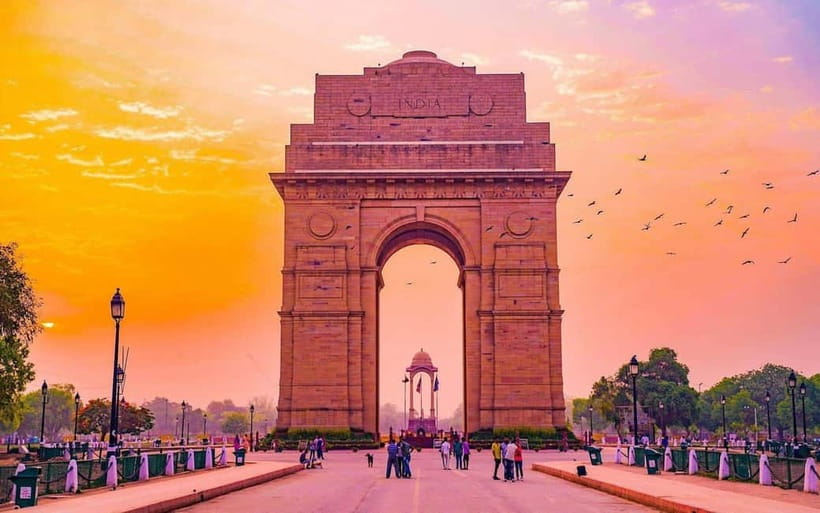
For about $9 per person, this is a value-heavy way to see a serious slice of Delhi without building your own route from scratch. You get a guided walking circuit, a traditional rickshaw ride, and hotel pickup/drop-off, which is where many independent plans start bleeding time and money.
What makes it a smart deal is the structure. Old Delhi is not the place where you want to play guess-the-direction for hours. This tour lines things up so you hit the high-impact sites—Jama Masjid, Chandni Chowk, Khari Baoli, Gurudwara Bangla Sahib, plus stops like Red Fort (outside view) and Rajghat—within a manageable 5-hour window.
The other quiet “win” is bottled water being included. Small thing, but in Delhi heat and crowds, it matters. And you can show up with basically one job: comfortable shoes.
You can also read our reviews of more guided tours in New Delhi



Pickup and timing: where to be ready (and why photo ID matters)
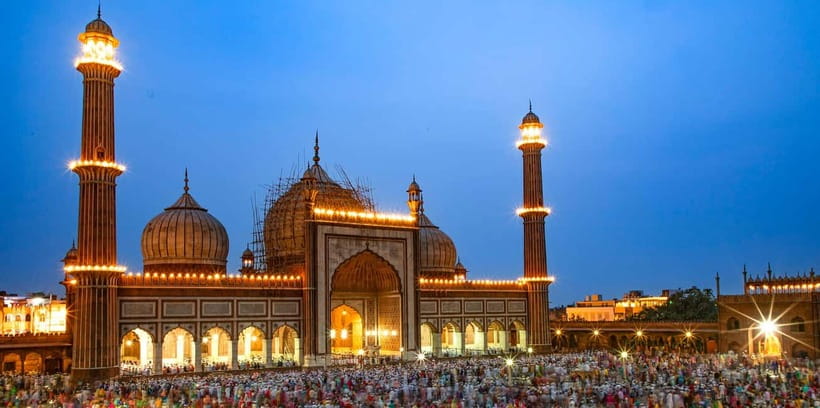
Your day starts with hotel pickup from a long list of locations, including New Delhi areas like Connaught Place and Paharganj, and also Noida, Gurugram, Ghaziabad, and Faridabad. If your hotel is outside the core center, that transportation help is a real convenience.
Also note the practical rule: you’ll need a valid photo ID for pickup. That’s not just trivia—it’s how these meet-and-go systems work when multiple vehicles are moving people around the city. Bring it the same way you’d bring your passport for border checks: no drama.
Then there’s timing. The route includes guided blocks of about an hour here and there, plus short travel legs. Expect weather variation, too. Delhi can shift from warm to harsh sun quickly. Bring sunscreen, and don’t rely on shade.
Finally, you’ll be dealing with the No-Flash reality: flash photography isn’t allowed at the sites where it would be disruptive. If you’re the kind of person who takes lots of photos, this is one of those “decide ahead of time” moments so you don’t feel awkward later.
Jama Masjid: scale you feel, rules you’ll notice, and how the guide helps
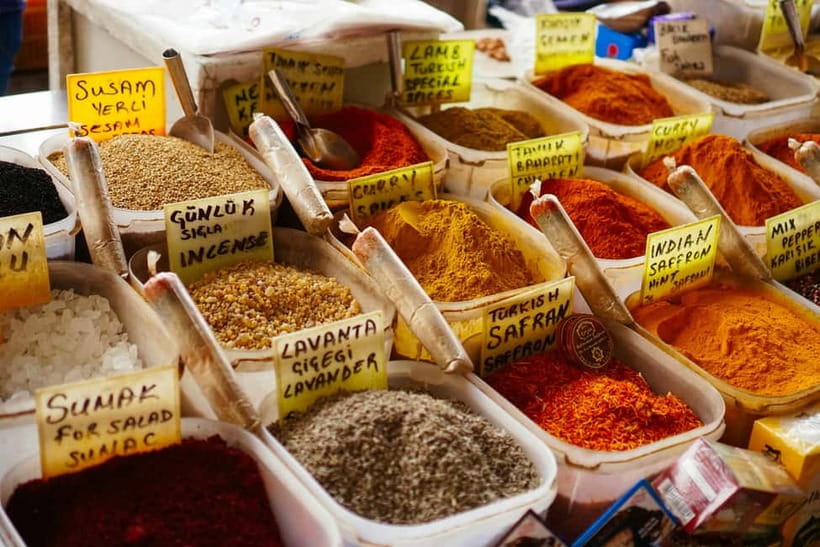
Jama Masjid is the tour’s first big architectural stop, with around 1 hour for a guided visit and sightseeing. It’s one of India’s largest mosques, so the first reaction is usually scale—how the courtyard holds people, how the stonework looks from different angles, and how the space changes depending on where you stand.
This is where having a guide makes a big difference. A good guide doesn’t just point out buildings. They help you understand why it matters and what you’re looking at while you’re there. Names like Gurvinder and Rohan come up in this experience type, and that lines up with the kind of feedback you want: clear English, explanations that are easy to follow, and a pace that matches your walking speed.
Dress rule check: the tour asks for modest clothing when visiting religious sites. You don’t need to look like you’re dressing for a wedding, but you do need to cover up appropriately. If you show up in shorts and a skimpy top, you might end up adjusting on the spot. That’s preventable stress.
One more practical detail: the experience includes skip-the-line access using a separate entrance. That’s huge at major sights because it cuts out waiting time you’d rather spend walking and listening.
Rickshaw through Chandni Chowk: why the ride is worth it
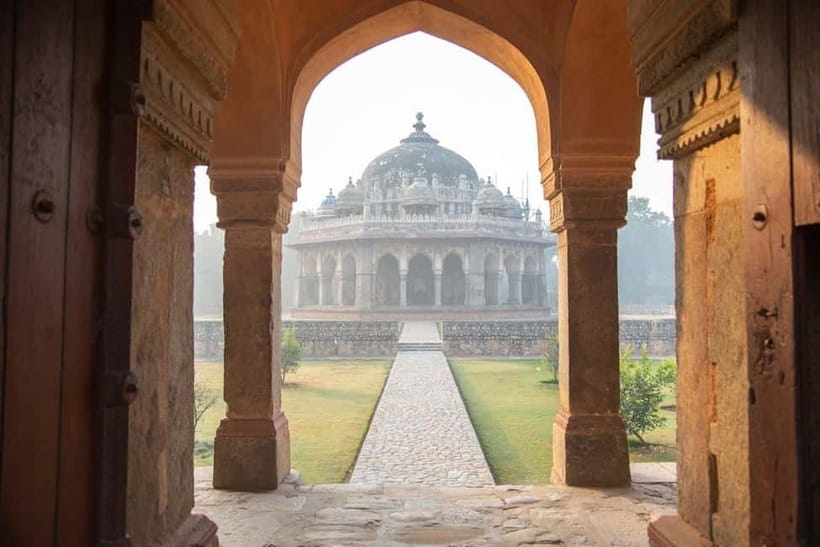
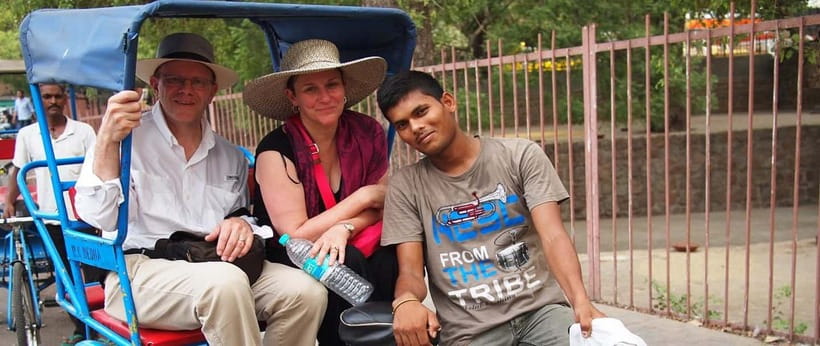
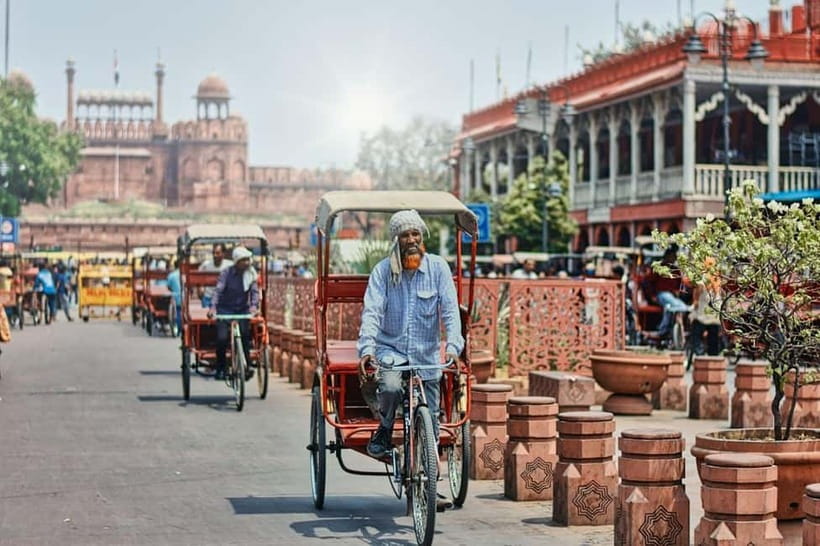
After Jama Masjid, you switch gears to a traditional rickshaw ride for about 30 minutes, and then you continue into Chandni Chowk for another guided hour. The rickshaw part is the fun shortcut: you get a moving viewpoint into lanes that would be awkward to navigate on foot early in the day.
Chandni Chowk is busy, crowded, and full of everyday life. You’ll feel that instantly when you’re riding through narrow streets where shopfronts crowd right up to the road. This is one of those places where you learn faster from being guided than from reading signs.
There’s also a timing logic here. Doing Chandni Chowk right after the mosque means you get the contrast: big-spaces first, then tight-market lanes second. It keeps the day from feeling like nonstop “one bazaar after another.”
If you’re prone to motion sickness, it might still be fine—this is only about 30 minutes. But if you’re sensitive, go slow, breathe steadily, and keep your eyes on the road ahead rather than scanning side streets.
Walking Chandni Chowk: markets make sense when someone explains them
The walking portion through Chandni Chowk is where the tour becomes more than transportation. You’re not just walking past stalls. You’re moving through narrow streets with a guide who helps you connect what you see with what it’s for.
This matters because Old Delhi markets aren’t laid out like a supermarket aisle. It’s a maze of specialties—spices, sweets, textiles, and daily goods. Without context, you may remember a blur of colors and smells and forget what’s actually what.
A good guide helps you focus. In this kind of tour, the best outcomes tend to be the practical ones: where to look, what to ask about, and how to handle shopping without getting spun around. One of the named guides connected with this tour style, Sumit, is noted for being open to needs and for giving clear recommendations on what to eat and shop for.
One caution: you’ll be doing a decent amount of walking. There’s no mention of a lot of sit-down breaks. If you’re someone who needs frequent rest stops, plan your energy accordingly and keep water handy (you’ll have bottled water).
You can also read our reviews of more city tours in New Delhi


Khari Baoli spice market: turning aromas into real understanding
Next comes Khari Baoli, described as Asia’s largest spice market, with about 1 hour for guided sightseeing. This stop is often the most memorable for people because you don’t just see spices—you experience them. The colors and aromas land fast.
The best part here is not the shopping frenzy. It’s the explanations: what spices are used for, why certain ones show up in local cooking, and how the market works at ground level. You’ll see herbs and dry fruits alongside spices, and a guide can help you interpret what you’re looking at instead of just collecting random packets.
If you care about souvenirs, this is the moment to buy intentionally. Decide what you’ll actually use at home. Pick a few spices you can cook with, rather than buying everything because it looks dramatic in a sack.
Photo reminder again: no flash photography. Spices and close-up shops don’t need flash to take pictures, and it keeps the mood respectful.
Gurudwara Bangla Sahib: a calm pause in the middle of the day
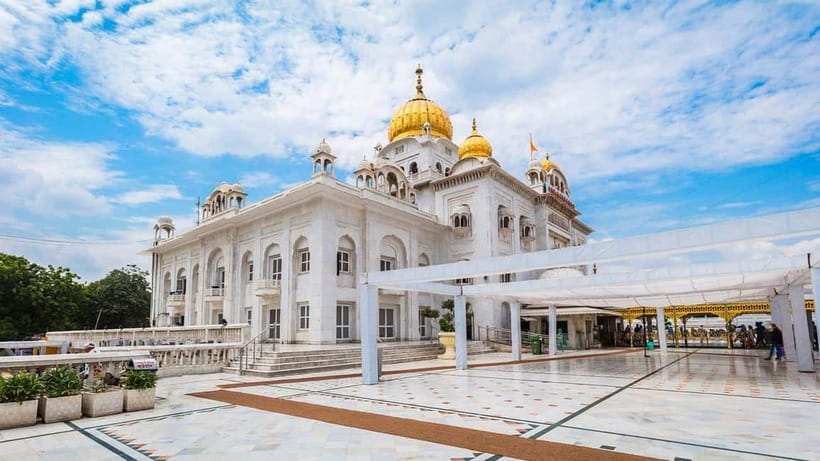
After spice-market intensity, the tour heads to Gurudwara Bangla Sahib, with about 30 minutes of guided time and sightseeing. This is the reset button on a route that moves from mosque to market to spices.
Gurudwaras often have an atmosphere shaped by community, routine, and quiet focus, and this stop gives you a different kind of cultural understanding. The tour keeps it short, but it gives you a meaningful break in your day.
As with other religious stops, modest dress rules apply. This is also an excellent time to slow down your pace. If you’ve been moving fast through crowded lanes, you’ll feel your breathing settle here.
Red Fort outside view and Rajghat reflection: closing with meaning
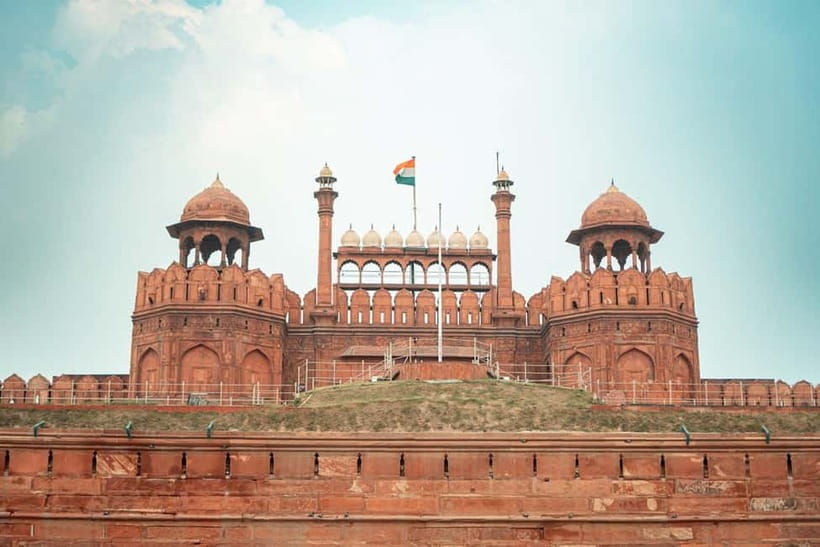
The tour doesn’t promise a full inside visit at Red Fort. Instead, you’ll get an outside view for about 30 minutes. That still helps, because it gives you the Mughal-era iconography in context of the rest of the day.
Then the route ends at Raj Ghat, Mahatma Gandhi’s memorial, again about 30 minutes. This is a reflective closing. Even if you’re not a history buff, the shift from market density to a quieter space changes how you feel about everything you just saw.
It’s a smart pairing: you don’t leave Old Delhi only with “shopping and crowds.” You finish with a different kind of perspective.
Price and logistics: the real value (and where costs can pop up)
Let’s talk value honestly. $9 is low for a private-group guided format with pickup/drop-off, bottled water, guided time at multiple major sights, and a rickshaw ride. That’s why this tour is worth considering if you want structure without spending a lot.
But two things are not included:
- Entrance fees
- Food and drinks
That means your total day cost depends on what you choose to pay at the sites and what you eat. If you’re traveling on a strict budget, treat food as a separate line item. If you’re okay with spending a little extra, you can keep it simple: one snack mid-route and one meal after.
Also, bottled water is included, which helps keep the baseline costs down.
Who this tour is best for (and who should skip it)
This tour is a great fit if you want:
- A guided Old Delhi route that doesn’t require map skills
- A rickshaw ride experience without committing to a long ride
- Clear English explanations and a sensible pacing system
- Hotel pickup that handles Delhi’s traffic and meeting-point hassle
It’s less ideal if:
- You hate crowds or narrow lanes (this route goes through market areas)
- You need lots of mobility support
- You have strong preferences for inside visits at major sites
Accessibility info is mixed. The experience is labeled wheelchair accessible, but it also says it’s not suitable for wheelchair users. That contradiction usually means the practical reality (crowds, steps, lane widths, and site layouts) may not work smoothly. If accessibility is a deal-breaker, I’d verify the route details directly before booking.
Also, it’s explicitly marked private group, which tends to make the day feel easier than big-group tours. Still, you’ll be in public spaces, so expect some unavoidable jostling.
The guide and driver factor: why quality shows up in small moments
A good guide changes how you experience a city. In this tour style, the standout pattern is clarity and attentiveness. Named guides linked with the experience include Rohan, Gurvinder, Sumit, Suraj, and also another form of the name Guvinder. The feedback associated with those guides points to clear speaking, a professional attitude, and flexibility around what you’d like to see.
Drivers matter too, especially when you’re transferring between central areas and Old Delhi streets. Names like Vijay and Jeetu come up in this experience type. Safe driving isn’t glamorous, but it’s what keeps your day from turning into stress.
If you like the idea of asking questions and getting direct answers—rather than just following a leader silently—this format is designed for you.
Should you book this Old Delhi rickshaw and markets tour?
If your goal is to see Jama Masjid, Chandni Chowk, and Khari Baoli in a single morning/afternoon with guidance and pickup, I’d say yes. It’s a solid value at $9 when you factor in pickup, a guide, and a rickshaw ride.
Book it if you’re willing to dress modestly, wear good shoes, and treat religious sites respectfully. Skip or rethink if you’re not comfortable with crowds or you need reliable accessibility accommodations.
If you go, you’ll likely come away with more than photos. You’ll understand why these places matter—and how Delhi’s daily life runs right alongside the monuments.
FAQ
How long is the Delhi Old City guided tour with rickshaw?
The tour duration is listed as 5 hours.
Where does hotel pickup and drop-off happen?
Pickup and drop-off are available in Delhi and also areas like Noida, Gurugram, Ghaziabad, and Faridabad, with multiple pickup and drop-off options listed.
What does the tour include?
It includes hotel pickup and drop-off, a professional English-speaking local guide, a rickshaw ride through Chandni Chowk, a walking tour of Old Delhi markets and the spice bazaar, bottled water, and applicable taxes and service charges.
Are entrance fees included?
No. Entrance fees are not included.
Is food included?
No. Food and drinks are not included.
Is there a skip-the-line option?
Yes. The experience notes skip the line through a separate entrance.
What should I wear and bring?
Bring comfortable shoes and sunscreen. Modest dress is requested for religious sites.
Is flash photography allowed?
No. Flash photography is not allowed.
Is it wheelchair accessible?
The information provided includes both wheelchair accessibility and a note that it’s not suitable for wheelchair users, so it’s best to confirm the practical route details before booking.