REVIEW · NEW DELHI
Food Tour- Eat and explore Old & New Delhi with our amazing guide Rahul
Book on Viator →Operated by Eat Pray Love India · Bookable on Viator
Old Delhi tastes better with Rahul. This 3–4 hour food tour mixes New Delhi’s polished center with the older market streets of the city, so you get contrast fast. Rahul, born and raised in the area, brings amazing English and a humor-first way of explaining what you’re eating and why it matters.
I really like two things here: first, the guide focus. Rahul isn’t just naming dishes—he talks through how foods are made and keeps the mood light, which helps you actually enjoy the chaos of the markets. Second, the tour includes practical comfort touches like bottled water plus coffee and/or tea from the markets, so you’re not hunting for basic needs while you’re busy eating and walking.
One thing to consider: the markets are crowded and fast-moving, and this experience runs in good weather. If you dislike tight spaces and lots of people, plan for a tougher time in places like Chandni Chowk.
In This Review
- Highlights You’ll Notice Right Away
- Why This Old and New Delhi Food Tour Works (Even If You’re Short on Time)
- Getting Oriented at Connaught Place (Meet at Gate 7)
- Bengali Market: Where the Eating Starts (and the Guide Turns It Fun)
- Khari Baoli and Nai Sarak: Seeing Delhi’s Spice Engine Up Close
- Chandni Chowk: Old Delhi’s Main Market and the Energy Shift
- Tuk Tuk, Bottled Water, and Market Tea: The Included Stuff That Actually Helps
- Price and Value: What $22 Buys in Delhi
- Who This Food Tour Is Best For (and Who Should Rethink It)
- A Quick Reality Check Before You Book
- Should You Book This Old and New Delhi Food Tour?
- FAQ
- Where does the tour start and where does it end?
- How long is the tour?
- What is included in the price?
- Is there a limit on group size?
- Do I need to arrange meals separately?
- Is the tour affected by weather?
Highlights You’ll Notice Right Away

- Rahul’s English and local knowledge make street food feel easy to understand
- Small group size (max 8) helps you ask questions and keep the pace
- Connaught Place to Old Delhi contrast gives you two Delhis in one outing
- Tea and water included so you can focus on flavors, not logistics
- Spice market stop at Khari Baoli gives you a real sense of Delhi’s food supply chain
Why This Old and New Delhi Food Tour Works (Even If You’re Short on Time)
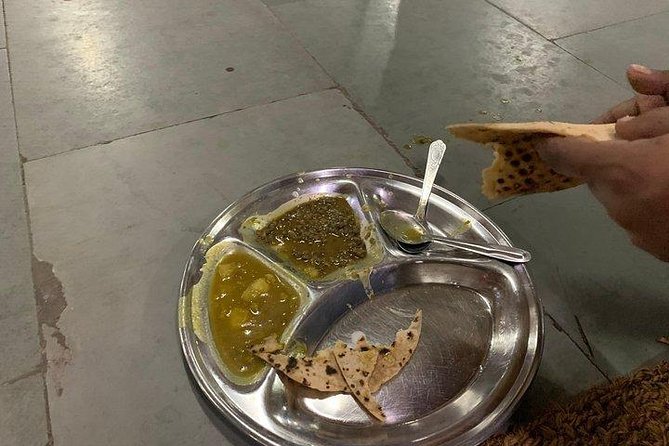
Delhi can be a lot on a first visit. Streets are busy, smells are strong, and you can easily spend hours just trying to figure out what’s worth eating. This tour is built to reduce that stress. In a single block of time, you move from a New Delhi “meeting point” zone into older market lanes where food is the main event.
The other smart choice is the guide-led approach. Rahul’s English is described as amazing, and his style is about laughing and learning together. That matters because street food isn’t just a snack—it’s tied to ingredients, preparation styles, and the local habits that keep the city running. When someone explains what you’re seeing and tasting, you start noticing details you’d otherwise miss.
And there’s a social layer too. The company says it’s trying to make a difference by hiring locals and students who need work, and it also pays guides more than other companies. Whether you care about that personally or not, it often translates into guides who are invested in doing a good job.
You can also read our reviews of more food & drink experiences in New Delhi


Getting Oriented at Connaught Place (Meet at Gate 7)
Your day starts at Connaught Place, New Delhi, with the meeting point at Gate Number 7. If you’re used to starting tours in the middle of a maze, this is a good decision. Connaught Place is a clearer “arrival zone” than Old Delhi’s lanes. You’re surrounded by a ring of Georgian-style colonnaded buildings, plus cinemas, bars, and a mix of international chain stores and Indian restaurants.
Why that matters: you begin the tour in a calmer, more organized space, so you can settle in before you hit the denser markets. You also get a quick sense of what “modern Delhi” looks like, which makes the shift into Old Delhi feel less random and more like a deliberate contrast.
If you’re traveling independently, this start also helps you orient your bearings. After Connaught Place, the tour’s route makes more sense—new streets, older markets, then back toward where you started.
Bengali Market: Where the Eating Starts (and the Guide Turns It Fun)
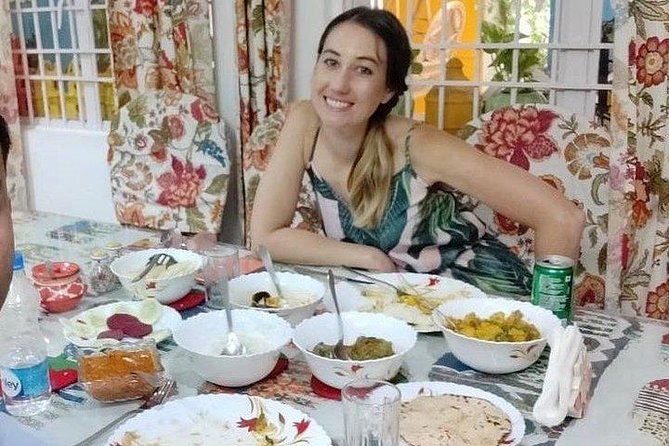
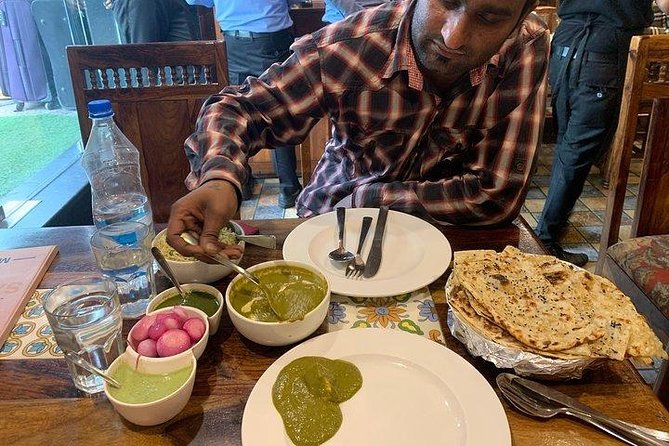
The second stop is Bengali Market, one of Delhi’s oldest and most popular markets. The tour begins eating here, and Rahul talks you through the foods—how they’re made and what you’re actually tasting.
This is one of the highest-value segments because it sets your “taste expectations.” Many food tours jump straight into the most intense market foods. This one eases you in. Bengali Market has that mix of tradition and popularity, so you get an introduction to local eating without feeling like you’re immediately dropped into the deepest end.
Also, the tour doesn’t treat the market like a photo backdrop. Rahul’s explanation style and the laughs are key. When you’re handed something new—especially street food you can’t pronounce—it helps to understand what it’s supposed to taste like. That makes your bites more memorable instead of being a blur.
Potential drawback: Bengali Market is popular by description, so it can still feel crowded. If you’re the type who hates waiting your turn at stalls, keep your expectations flexible.
Khari Baoli and Nai Sarak: Seeing Delhi’s Spice Engine Up Close
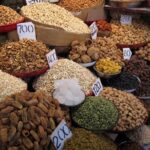
Next you head to 2584–2585, Nai Sarak, a zone that connects to Khari Baoli—Delhi’s famous wholesale grocery and Asia’s largest wholesale spice market. This is the stop that gives the tour real depth.
Khari Baoli is described as operating since the 17th century. That’s important not as trivia, but because it tells you this market isn’t a recent food fad. It’s part of the infrastructure of how ingredients move through the city.
What I’d look for here (based on the market’s role):
- The sheer variety of spices, nuts, herbs, and food products sold wholesale
- The way ingredients look in bulk—things you may only see packaged elsewhere
- The idea that Delhi’s food culture depends on reliable supply chains as much as on recipes
Rahul’s role matters again. When someone explains what you’re seeing and ties it to what ends up on your plate later, the spice market turns from just visual spectacle into understanding.
Logistical note: spice markets can feel intense because of the density of people and products. Stay patient, let the group flow, and keep your focus on the food guide’s cues.
Chandni Chowk: Old Delhi’s Main Market and the Energy Shift
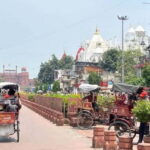
Then you reach Chandni Chowk, also called Moonlight Square. It’s one of the oldest and busiest markets in Old Delhi, located close to Old Delhi Railway Station. At the eastern end of Chandni Chowk is the Red Fort, which is a useful landmark to keep in mind if you’re trying to connect streets you see on your own later.
This stop is where Delhi’s old-city pace becomes unavoidable. Chandni Chowk being described as busy isn’t a warning label—it’s the point. The market is the center of gravity for Old Delhi shopping and food. You feel the density, the movement, and the constant activity.
This is also where the “Old + New” theme becomes clear. Connaught Place starts the day with structure and recognizable city center vibes. Chandni Chowk hits you with heritage market energy. Going from one to the other inside one tour is a smart way to understand Delhi in layers instead of in one straight line.
What you should do during this segment:
- Pay attention to what the guide tells you to taste or look for
- Expect more crowd pressure than in Connaught Place
- Keep your walking shoes ready, because this part of the city doesn’t slow down
If you’re sensitive to crowds, plan for short bursts of observation and quick, focused eating rather than long pauses.
You can also read our reviews of more tours and experiences in New Delhi





Tuk Tuk, Bottled Water, and Market Tea: The Included Stuff That Actually Helps
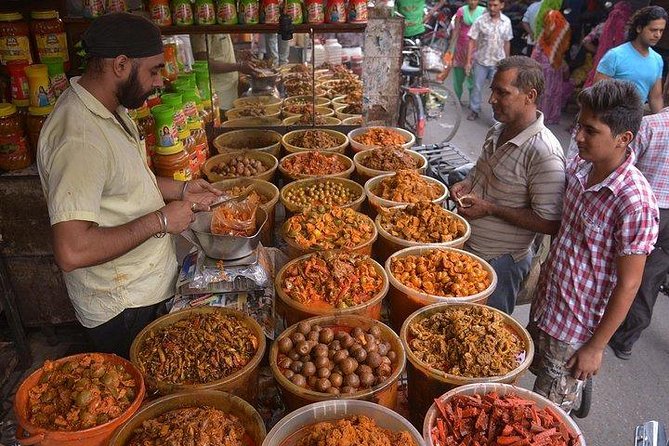
The tour includes a tuk tuk, plus bottled water and coffee and/or tea. Those details sound simple, but they’re the difference between feeling cared for and feeling like you’re on your own in traffic and heat.
Bottled water is a big deal in street markets. It keeps you from breaking the flow just to find a shop. Market tea also matters because it’s part of how locals experience the day. If tea is included, you’re not just collecting bites—you’re learning how the market fuels itself.
Meals depend on your booking type: if you book a lunch tour, lunch is provided; if you book dinner, dinner is provided. So when you choose your slot, align it with your hunger level. A 3–4 hour outing with lunch included can feel like a full day snack crawl; without it, you might want to eat a light breakfast so you don’t run out of fuel too early.
A small but helpful practical point: this tour has a maximum of 8 travelers. With a small group, you’re more likely to keep moving at a pace that lets you taste instead of waiting too long at each stop.
Price and Value: What $22 Buys in Delhi
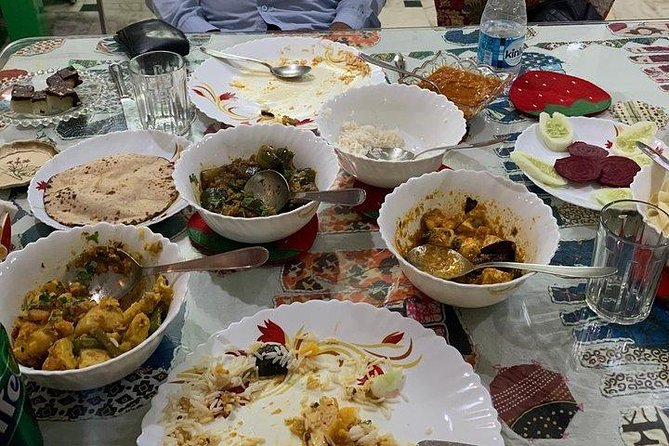
The tour price is $22 for about 3–4 hours, with a mobile ticket. For central Delhi food experiences, that’s positioned as budget-friendly, especially because it includes several practical items: tuk tuk, bottled water, and market tea/coffee. It also includes time with a guide who’s specifically described as having excellent English and strong local know-how.
Is it the cheapest food tour on earth? Probably not, but it’s priced like a “high value, low hassle” activity. The key value drivers are:
- Guide quality and explanations (Rahul’s style of teaching through eating)
- Transportation by tuk tuk
- Included drinks and water
- A route that covers multiple food districts in a short window
What you might get less of: you’re not paying for a luxury sit-down meal experience with lots of seating. This tour is street-and-market oriented. If your dream is clean air, slow strolling, and perfectly paced tasting courses, you may prefer a more structured restaurant tour.
Who This Food Tour Is Best For (and Who Should Rethink It)
This tour fits best if you want:
- A quick way to experience both New Delhi and Old Delhi in one outing
- A guide who can explain food in clear English and keep you in a good mood
- Market food with context, not just random samples
- Small-group dynamics (max 8) so you can ask questions
It may not fit if you:
- Hate crowded places and tight lanes
- Need a very quiet, low-stimulation experience
- Are traveling only during periods where weather might be questionable, since good weather is required
A Quick Reality Check Before You Book
I’ll be direct: I noticed a strongly negative report accusing the company of not providing the service after collecting money. That kind of claim is serious, even if it can’t be verified from the info here. Before you pay, do a simple sanity check:
- Make sure you receive a confirmation when you book
- Save the message trail with the provider
- If anything feels off, ask for clarification before travel
Because otherwise, the basic ingredients of the experience—Rahul’s guide role, the covered districts, and the included tea/water/tuk tuk—sound like the kind of value you’d want on a first Delhi trip.
Should You Book This Old and New Delhi Food Tour?
If you want a guided food walk that connects New Delhi’s Connaught Place with Old Delhi’s market heart, and you like the idea of Rahul teaching you what you’re tasting while keeping things fun, this is a compelling option. The $22 price point also makes it easy to justify when you’re time-limited.
But don’t book blindly. Do that quick confirmation check, and treat any confusing provider communication as a warning sign. If everything looks normal and you’re comfortable with busy markets, this tour can give you a fast, real-feeling Delhi food overview you can build on for the rest of your trip.
FAQ
Where does the tour start and where does it end?
The tour starts at Connaught Place, New Delhi, Delhi 110001, India, meeting at Gate Number 7. It ends back at the meeting point in Connaught Place.
How long is the tour?
The tour lasts about 3 to 4 hours.
What is included in the price?
Included are a tuk tuk, bottled water, and coffee and/or tea. If you book a lunch tour, lunch is provided; if you book a dinner tour, dinner is provided.
Is there a limit on group size?
Yes. The tour has a maximum of 8 travelers.
Do I need to arrange meals separately?
No. Lunch or dinner is included depending on the tour type you book (lunch vs dinner).
Is the tour affected by weather?
Yes. This experience requires good weather. If it’s canceled due to poor weather, you’ll be offered a different date or a full refund.