REVIEW · NEW DELHI
From Delhi: 3-Days Private Golden Triangle Tour
Book on GetYourGuide →Operated by India Elite Explorers · Bookable on GetYourGuide
Golden Triangle in three days can actually feel calm. You get Delhi, Agra, and Jaipur with a private driver, a licensed guide, and a plan that hits the big sights without wasting time. I especially like the sunrise Taj Mahal setup with skip-the-line handling, because that early light changes how the marble looks.
Two more things I really like: the Old Delhi Chandni Chowk rickshaw ride for a fast lesson in how daily life moves, and the hands-on help from your guide (Saif is called out in positive feedback for ticket help and clear explanations). One possible drawback: this tour is priced low, but entry fees are not listed as included, so you’ll want to budget for monuments and carry cash for places that may not take cards.
In This Review
- Key highlights worth aiming for
- How this 3-day Golden Triangle keeps the pace friendly
- Day 1 in Delhi: Old Delhi rickshaw ride and the “must-see” mix
- Drive to Agra: comfortable transit before the sunrise push
- Day 2 in Agra: sunrise Taj Mahal with skip-the-line handling
- Day 3 in Jaipur: Amber Fort and the palaces people photograph for a reason
- Timing rules you should actually plan around
- Getting the most from private guiding (and why it shows in reviews)
- Price and value: what $29 per person likely means for you
- Who this tour fits best
- Should you book this Golden Triangle tour?
- FAQ
- What cities are included in the 3-day Golden Triangle tour?
- Is there a sunrise Taj Mahal option?
- How does the tour handle closures like Fridays at the Taj Mahal?
- What happens if Red Fort and Lotus Temple are closed on Mondays?
- What’s included in the tour price?
- What pickup areas are available?
Key highlights worth aiming for

- Skip-the-line sunrise Taj Mahal with shoe covers and golf-cart help at the site
- Old Delhi Chandni Chowk rickshaw ride that’s short, fun, and practical
- A private AC car with hotel pickups and airport drop-off options
- Agra Fort and Fatehpur Sikri added between cities, not just photo stops
- Amber Fort plus Jaipur palaces like City Palace and Hawa Mahal on Day 3
- Guides who assist with tickets and share photo-friendly timing tips (Saif gets praise)
How this 3-day Golden Triangle keeps the pace friendly
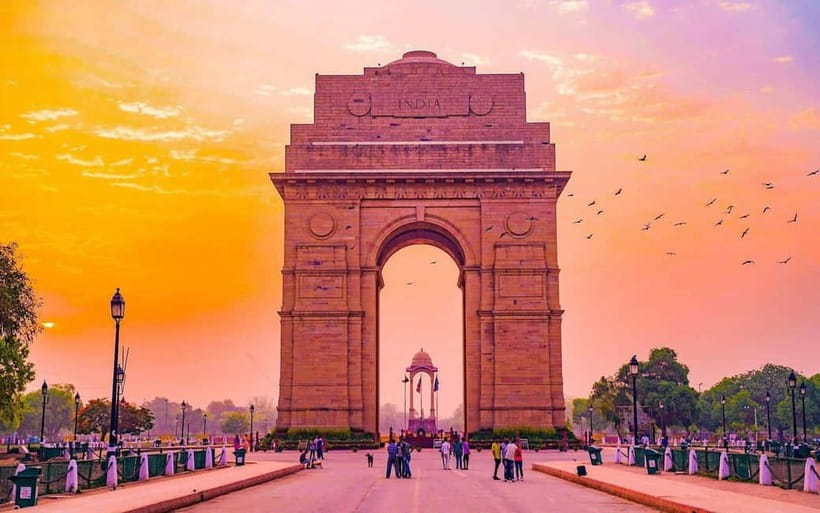
A Golden Triangle tour can go two ways: frantic and exhausting, or tightly organized. This one leans organized. You’re in a private air-conditioned vehicle for the key drives between Delhi, Agra, and Jaipur, which matters because India road time can eat your energy if you’re trying to stitch together public transport.
You also get a licensed guide, and that’s more than a formality. A good guide helps you move through major monuments with fewer wrong turns, and you get context so the sights don’t blur together as just “big buildings.” In the feedback, Saif stands out for helping with tickets and answering questions cleanly, which is exactly what you want on a packed 3-day trip.
For value, the headline price of $29 per person is eye-catching. What makes it feel reasonable (when it matches your group size and hotel option) is that you’re not just paying for a driver. You’re paying for a private vehicle, guide time at multiple attractions, transfers, and two nights of hotel if that option is selected.
You can also read our reviews of more private tours in New Delhi

Day 1 in Delhi: Old Delhi rickshaw ride and the “must-see” mix
Day one is designed to get you grounded in Delhi fast. You start with pickup from your hotel or a nearby location like New Delhi, Gurugram, Aerocity, Noida, Ghaziabad, or Faridabad, then head through a smart blend of heritage sites in both Old and New Delhi.
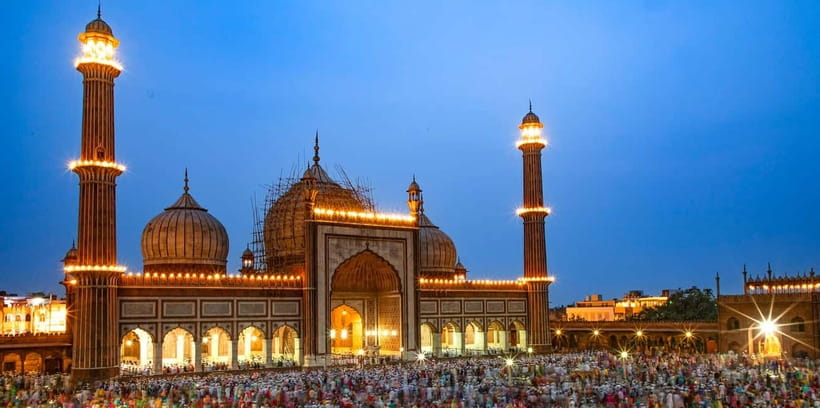
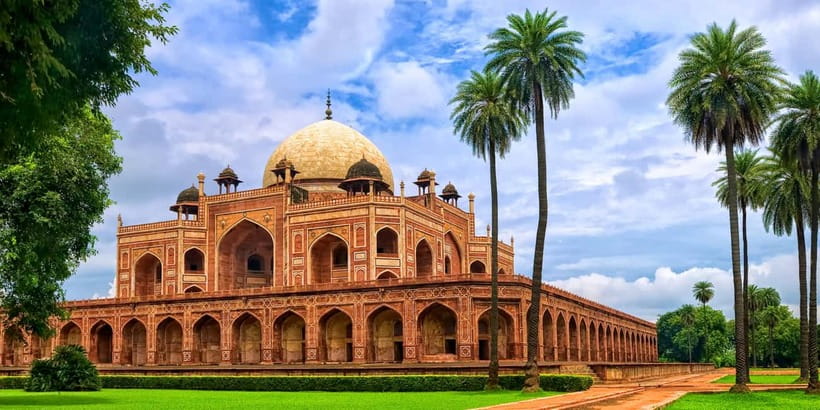
Jama Masjid is a heavy hitter early on, because it sets the stage for Old Delhi’s scale and religious importance. Then you’ll move toward places that balance the old with the calm. Lotus Temple is often easier to enjoy after the crowds of Old Delhi because the vibe is more spacious and quiet. Qutub Minar adds an architectural anchor, and Humayun’s Tomb gives you a Mughal-era structure that’s easier to appreciate when you’re fresh.
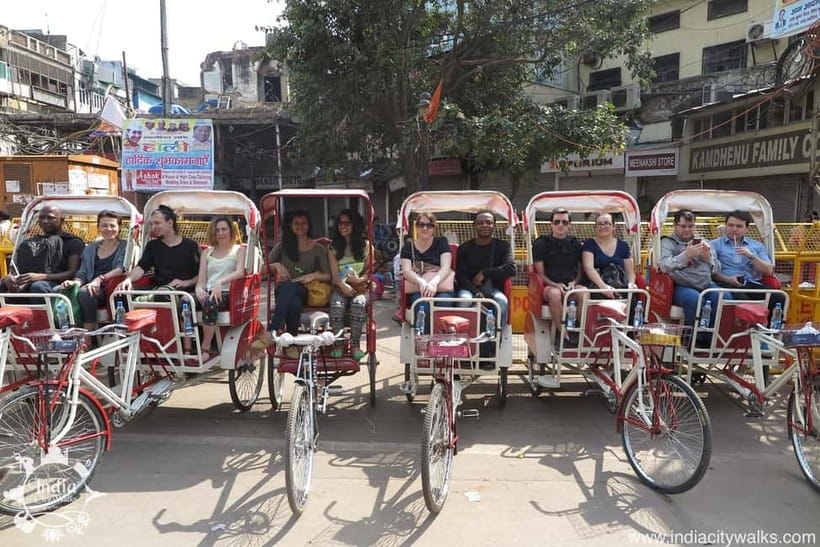
Then comes one of the most fun parts of the day: a rickshaw ride through Chandni Chowk. This isn’t long and it isn’t meant to be your only “street experience.” It’s a quick, guided way to see how the lanes work, where people shop, and how sound and movement shape the neighborhood.
A practical note: these drives and visits happen under real-world traffic. The “private” part helps here because you’re not stuck matching schedules with strangers. Still, you’ll want comfortable shoes. You’ll be on your feet at multiple stops.
Drive to Agra: comfortable transit before the sunrise push
After Delhi, you check in to an Agra hotel for an overnight stay. This is the move that makes sunrise Taj Mahal actually workable. You’re not rolling into Agra at night and hoping for the best in the morning.
The private AC car is a big deal for this segment. Even when you think you’re fine with travel time, comfort changes your whole day. And since you’ve got early wake-up energy coming on Day 2, it helps to reset in your room rather than keep moving.
If you’re the type who likes to photograph, sunrise timing also matters. The Taj Mahal is one of those places where being there early is less about being dramatic and more about avoiding harsher light and crushing late-day crowds.
Day 2 in Agra: sunrise Taj Mahal with skip-the-line handling
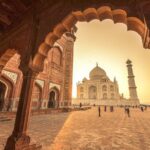
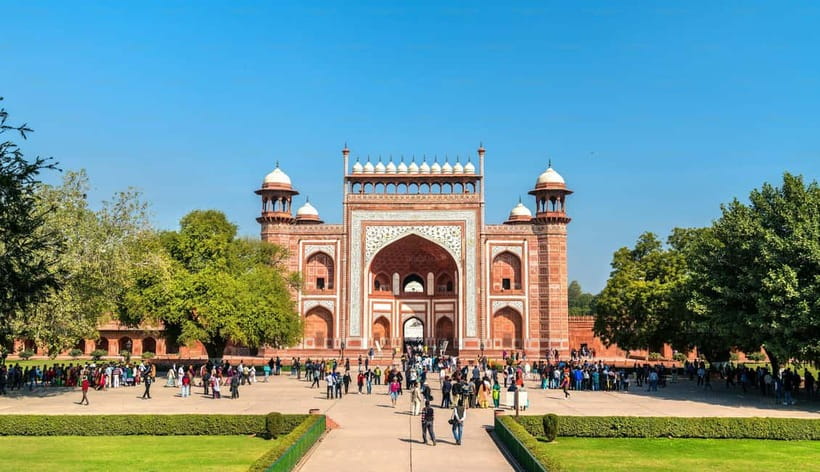
Day two starts very early with the sunrise Taj Mahal tour. The tour includes skip-the-line access, plus details that reduce friction when you arrive. You’ll get shoe covers for the visit, and the site has a golf-cart ride support from parking to the entry area and back. Those small things sound minor until you’re standing in long lines or juggling bags while people around you are moving.
Why sunrise is the right choice here: the marble’s look shifts quickly with the light. Even if you’ve seen photos, the real experience comes from how the color and shadows change across the white surfaces. Also, arriving at sunrise gives you a calmer start to one of the world’s most famous buildings.
After that, you’ll head to Agra Fort, a UNESCO World Heritage Site and a real reminder that the Taj didn’t appear in a vacuum. This fort shows Mughal power through stone layout and defensive architecture, and it’s a great “second act” after the romantic Taj.
Then there’s Fatehpur Sikri on the way toward Jaipur. It’s the abandoned red sandstone city built by Emperor Akbar. Even when you’re not hunting for deep historical trivia, it’s a striking place to wander because you can see the scale of ambition even in ruins. It’s also a nice break from the main cities’ intensity since it’s more spread out.
One practical consideration: Fatehpur Sikri and Agra Fort are outdoor-heavy. Your early start plus daylight walking means you should plan for heat and pace yourself.
Day 3 in Jaipur: Amber Fort and the palaces people photograph for a reason
Jaipur is where the tour leans into royal architecture and views. After breakfast, your focus is the classic trio of forts and palaces, plus a few postcard-worthy photo stops.
Start with Amber Fort. You can optionally go up by jeep or elephant (your choice, if available during your visit). Even if you skip the ride, the approach to the fort is part of the experience, because you’re climbing toward a place designed to be seen from far away.
Then you stop for Jal Mahal (the Water Palace). This is mostly about photos and the surprise of seeing a palace style built into a landscape view rather than a city street. It’s worth it if you like compositions with reflections and horizon lines.
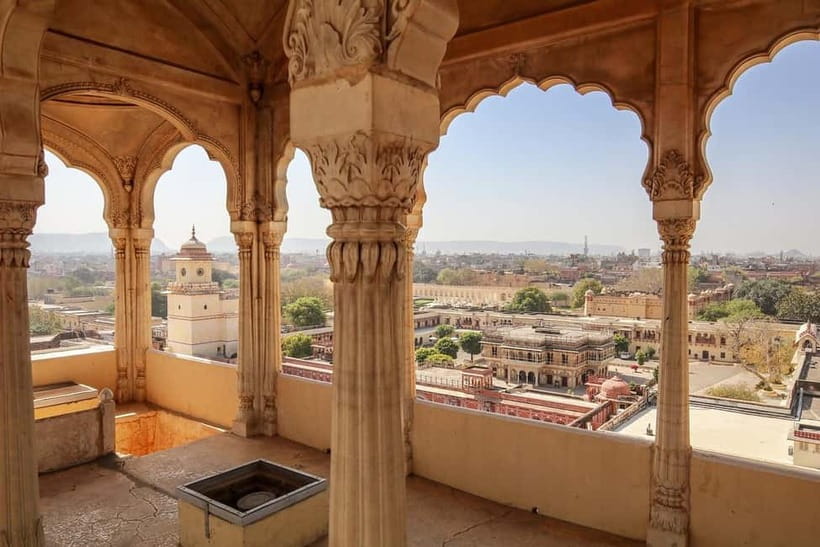
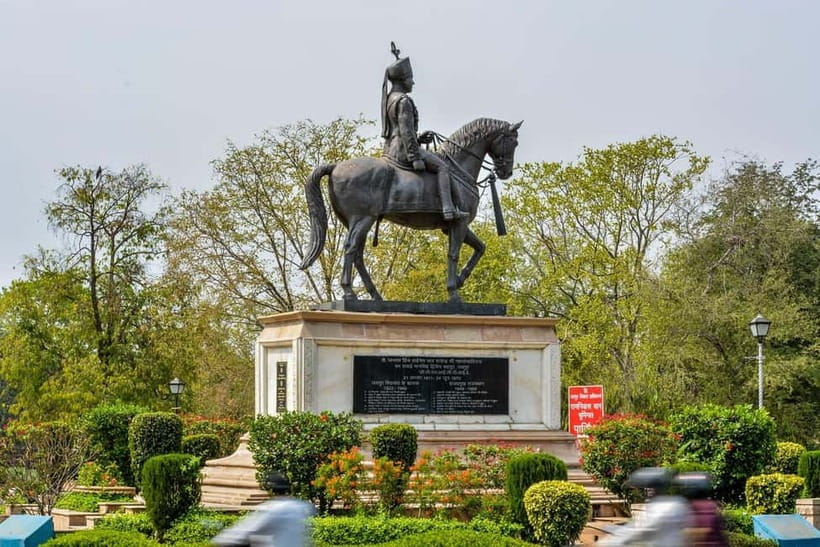
After that, you’ll tour City Palace and Jantar Mantar. City Palace feels like Jaipur’s royal nerve center, while Jantar Mantar is the science-meets-architecture side that many people miss if they only chase forts and Hawa Mahal. Hawa Mahal comes later as the iconic finish: the Palace of Winds is easy to recognize in photos, but seeing the façade in person helps you understand why it looks the way it does.
In the evening, you drive back to Delhi and drop off at your hotel or the airport. That end-of-trip drive is long, but private transport helps. It’s also why the tour includes two nights of hotel: you’re not trying to sleep lightly and travel long on a single night.



Timing rules you should actually plan around
Two site-closure rules can affect your day-by-day flow:
- Taj Mahal is closed on Fridays. If your dates include a Friday, the plan adjusts to Delhi – Jaipur – Agra – Delhi.
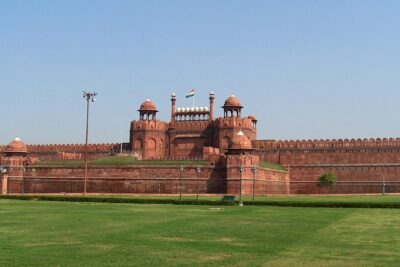
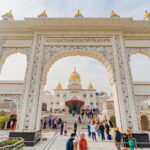
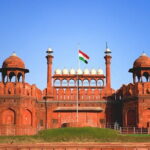
- Red Fort and Lotus Temple are closed on Mondays. If that happens, you’ll visit Gurudwara Bangla Sahib instead.
This kind of switching is normal, but it’s important for your expectations. If you’re planning your own photos and timing, do not build your whole schedule around a single assumption. Let the tour handle the adjustment.
Also, keep in mind a couple of real-world money details. Some monuments may not accept credit cards, and the guide can help with ticket purchases but it’s smart to carry cash in INR.
If you’re traveling during major holiday dates like December 24 to January 4, there’s a compulsory Gala Dinner fee on Christmas and New Year’s Eve. That matters for budgeting, even if you don’t consider it part of the sightseeing.
Getting the most from private guiding (and why it shows in reviews)
What makes this tour feel good is how the guide functions as a traffic controller plus context provider. You’re not just tagging along to landmarks. A good guide helps with the sequence so you see the right things without wasting energy.
The feedback highlights Saif specifically, with comments about being courteous, answering questions, and helping with tickets. That matters a lot in places like India where ticket lines and rules can be inconsistent by monument. When the guide is actively handling the friction—like where you should go, when you should arrive, and what to watch for—you get smoother time on the ground.
If you like photography, this is the kind of tour where your guide can also help with photo planning. Even when you don’t know exactly what you want to shoot, timing and positioning can make a huge difference at the Taj and at Jaipur’s palaces.
Price and value: what $29 per person likely means for you
At $29 per person, this tour sits in the “good deal” zone for a multi-city private experience. A private AC car with a driver, a licensed guide at several attractions, rickshaw ride support, and two nights of hotel (if you choose that option) is not something most people can replicate cheaply on their own during a short window.
But here’s the honest part: the “cheap” price doesn’t replace monument budgeting. Entry fees are not listed as included across the board, and you may have optional costs too, like choices at Amber Fort (jeep or elephant). Add those up early so you’re not surprised later.
If you’re a couple, a small group, or a solo traveler who wants simplicity, this is a smart way to reduce decision fatigue. If you’re traveling super budget and you’re happy with public transport and long lines, you could build a DIY version. Still, for many people, three days is too short to gamble on time.
Who this tour fits best
This tour is a strong fit if:
- you want a guided Golden Triangle with minimal logistics stress
- you care about the big hits—Taj Mahal, Agra Fort, Fatehpur Sikri, Amber Fort, City Palace, Hawa Mahal
- you prefer private transport over mixing with other groups
- you want early Taj Mahal timing without having to figure out the details alone
It may be less ideal if:
- you dislike early starts (sunrise Taj needs it)
- you want to stay flexible day-to-day without any fixed structure
- you hate walking outdoor sites in daylight
Should you book this Golden Triangle tour?
I’d book it if your priority is getting the essentials done well in three days, with a guide who helps with tickets and timing. The sunrise Taj Mahal experience, the Chandni Chowk rickshaw ride, and the combination of Agra plus Jaipur palaces give you a mix that feels more complete than a “just drive between cities” package.
If you want the best outcome, plan for monument entry costs, carry some cash in INR, and wear comfortable shoes for early and outdoor-heavy days. And if your travel dates include a Friday or Monday, trust the tour’s swap logic so you still hit the comparable highlights.
If that sounds like your style, this is the kind of private 3-day plan that saves energy and turns India’s big-name sights into something you can actually enjoy.
FAQ
What cities are included in the 3-day Golden Triangle tour?
The tour covers Delhi, Agra, and Jaipur over three days, with hotel pickup and drop-off in the Delhi area.
Is there a sunrise Taj Mahal option?
Yes. Day 2 includes a sunrise Taj Mahal visit with skip-the-line entry handling.
How does the tour handle closures like Fridays at the Taj Mahal?
The Taj Mahal is closed on Fridays. If your dates include a Friday, the route is adjusted to Delhi – Jaipur – Agra – Delhi.
What happens if Red Fort and Lotus Temple are closed on Mondays?
If Red Fort and Lotus Temple are closed on Mondays, the tour visits Gurudwara Bangla Sahib instead.
What’s included in the tour price?
Included items include a private tour, hotel or airport pickup and drop-off, a private air-conditioned vehicle, a licensed guide, rickshaw ride through Old Delhi, and added support at the Taj Mahal visit such as shoe covers and golf-cart ride assistance. Entry fees and meals are not included.
What pickup areas are available?
You can be picked up from your hotel or any location in New Delhi, Gurugram, Aerocity, Noida, Ghaziabad, or Faridabad. Airport pickup and drop-off can also be arranged upon request.