Five days can still feel full.
This private Golden Triangle tour by car is built for travelers who want the big sights—Taj Mahal, Delhi monuments, and Jaipur’s palaces—without losing time to transfers. I like the straightforward rhythm: you get a professional driver and guide, an A/C vehicle, pickup included, and even a mineral water bottle each day.
My favorite part is the human touch: in the feedback I reviewed, people called out drivers and guides by name—Sitaramji for driving help, Surendra for smooth coordination, and Abhishek Faujdar for careful organization. The main watch-out is money outside the base price: GST, monument fees, and tips aren’t included, so your final spend depends on how many paid entries you do.
In This Review
- Key highlights worth knowing before you go
- A fast read on what this 5-day Delhi–Agra–Jaipur tour feels like
- Day 1 in Delhi: Parliament House and India Gate in a tight, photo-friendly loop
- Day 2 in Delhi: Qutub Minar, Lotus Temple, Humayun’s Tomb, and more
- Day 3: Taj Mahal first, then Agra Fort and Fatehpur Sikri
- Day 4 in Jaipur: Amber Palace up the hill, then City Palace, Hawa Mahal, Jantar Mantar, and Galta Ji
- Day 5: Ratnavali Arts and shopping time in Jaipur
- Included comforts that quietly improve the trip
- Price, value, and the extra costs you should budget for
- Who this tour is best for
- The human side: punctual driving and friendly guidance
- Should you book this 5-day Golden Triangle by car?
- FAQ
- What cities are covered on this tour?
- How long is the tour?
- Is this a private tour?
- Is pickup included?
- What’s included in the price?
- What is not included?
- Are monument tickets included for all stops?
- Do I get anything for the road?
- What does the tour provide for tickets?
- What is the cancellation policy?
Key highlights worth knowing before you go
- Private car + guide setup for Delhi, Agra, and Jaipur, so you’re not stuck matching other groups’ pace
- Taj Mahal time built in (around 3 hours) plus stops that make the surrounding Mughal story easier to follow
- Jaipur classics in one sweep: Amber, City Palace, Hawa Mahal, and Jantar Mantar
- A/C transportation and daily mineral water for long road days
- Some entries are free, like Fatehpur Sikri and Ratnavali Arts, but most major monument tickets are not included
- Luxury add-ons may apply: a light & sound show in Jaipur and a ride at Amer Fort only with the luxury package
A fast read on what this 5-day Delhi–Agra–Jaipur tour feels like
A Golden Triangle works best when the tour keeps you moving, but not rushed. This one does that with a private car and guide, letting you turn major sights into a connected story across three cities.
You’ll spend your days hopping between landmarks that matter: Delhi’s civic and Mughal-era sites, Agra’s Mughal power centers, then Jaipur’s Rajput architecture and city-planning genius. The tour is also designed for comfort—A/C vehicle, pickup offered, and practical extras like parking fees and daily bottled water. That combination is why the experience tends to rate well for people who want value without the stress of organizing everything themselves.
The tradeoff with a 5-day overview is simple: you’ll see a lot, and you’ll spend less time lingering in just one place. If you like slow travel and lots of free wandering, you might feel the schedule. If you want the highlights done right, it’s a strong fit.
You can also read our reviews of more tours and experiences in New Delhi



Day 1 in Delhi: Parliament House and India Gate in a tight, photo-friendly loop
Your first Delhi block focuses on big-picture landmarks. You’ll start at Parliament House, where the guide can help you understand what you’re looking at beyond the obvious photo moment. Admission is listed as not included, so plan on paying any required entry separately.
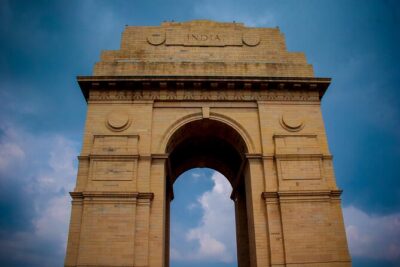
Then you move to India Gate, a war memorial on the Rajpath ceremonial axis. The stop length is about 30 minutes, which is enough time to get your bearings, read the context, and take a few solid pictures without turning it into a long sit.
Why this works for your trip: it’s a low-friction start. Delhi can feel chaotic at first; these stops give you structure on day one and help you understand the city’s layout. If you’re arriving tired, this also reduces the risk of feeling overwhelmed immediately.
Practical tip: bring light layers. Even on days that aren’t scorching, you’ll be outside for short bursts, and you’ll be doing a lot of looking up.
Day 2 in Delhi: Qutub Minar, Lotus Temple, Humayun’s Tomb, and more
Day 2 brings the architectural contrast that makes Delhi worth extra days. You revisit India Gate again (short stop), then head to Qutub Minar, part of the Qutb complex and a UNESCO World Heritage Site. Qutub Minar’s value is in scale and craftsmanship; it’s one of those places where a good guide makes the details click fast.
Next comes the Lotus Temple, the Bahá’í House of Worship known for its flower-like shape. It’s a very different mood from the more historical forts and tombs, and that contrast helps you avoid monument fatigue.
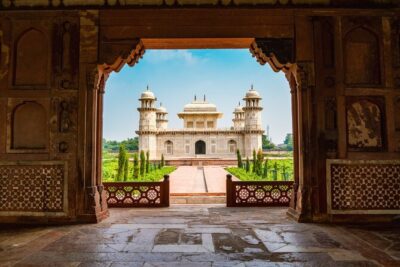
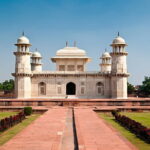
Then you move into Mughal territory with Humayun’s Tomb, the tomb of Mughal Emperor Humayun. It’s commissioned by his first wife and chief consort, Empress Bega Begum, in 1569–70, with a design credited to Mirak Mir. Expect about an hour here.
You’ll also stop again at Parliament House. That repetition might sound odd, but in a two-day Delhi plan it often comes down to efficient routing and timing.
Why this day feels satisfying: you get three different lenses on Delhi—civic and modern, Bahá’í spirituality, and Mughal tomb culture—without spending the day stuck in transit. Most of the stops show “admission ticket not included,” so budgeting for entry fees matters, but the overall mix is well-balanced.
Day 3: Taj Mahal first, then Agra Fort and Fatehpur Sikri
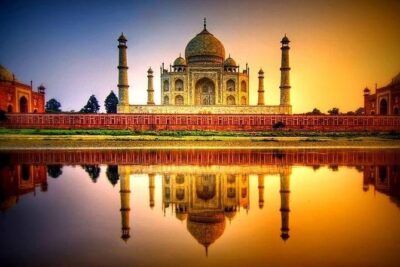
Agra day is the big one. You start at the Taj Mahal, an ivory-white marble mausoleum on the south bank of the Yamuna River. It was commissioned in 1632 by the Mughal emperor Shah Jahan. Your time here is about 3 hours, which is enough to see it at a relaxed pace, not just a quick walk-by.
After that, you head to Agra Fort, described as the main residence of Mughal emperors until the capital shifted to Delhi in 1638. That historical connection is useful: you’re not just visiting pretty buildings—you’re seeing the power base.
Then there’s Fatehpur Sikri, a small city west of Agra founded by a 16th-century Mughal emperor. You’ll get around an hour, and the entry is marked free in the provided stop list. Fatehpur Sikri is known for red sandstone buildings clustering around the center, and it includes major structures like Buland Darwaza, described as the entrance to Jama Masjid mosque.
The best way to handle this day: go with an alert mindset. This is the day most people remember most clearly, but it’s also when you can get tired from consecutive landmark walking. A private guide helps a lot here because they can steer you toward what’s most worth your time within the allotted hours.
What you should watch for: Taj Mahal and Agra Fort entries are typically paid, and monument fees aren’t included. So keep some extra cash or card capacity ready for paid sites and for any optional add-ons you might want.
Day 4 in Jaipur: Amber Palace up the hill, then City Palace, Hawa Mahal, Jantar Mantar, and Galta Ji
Jaipur day is packed with architectural icons, and it’s the reason this tour is so popular for first-timers.
You start at Amber Palace (Amer Fort). It’s located on a hill about 11 kilometers from Jaipur and is described as the principal tourist attraction. Your stop is around 1.5 hours. If you choose a luxury package, your inclusions may include a ride at Amer Fort, plus other entertainment like a light & sound show in Jaipur.
Next is the City Palace of Jaipur, established when Jaipur was founded. The stop is about 1.5 hours, and the guide can connect it to the shift of the court to Jaipur from Amber in 1727.
Then comes Hawa Mahal, the Palace of Wind. It’s known for red and pink sandstone and for its position along the edge of the City Palace, extending to the Zenana, or women’s chambers. Your time is shorter—around 40 minutes—so it’s ideal for photos and quick architectural understanding rather than long wandering.
After that, you visit Jantar Mantar, the astronomical instrument complex built by Sawai Jai Singh II and completed in 1734. The attraction here is the blend of science and stone. You’ll have about 40 minutes.
Finally, there’s Monkey Temple, listed as Galta Ji. It’s about 10 km east of Jaipur and known for its monkey colony. Expect around 30 minutes.
Why this day feels like good value: Jaipur often takes multiple trips to cover well, but this plan compresses it into a single car-based day. If you like having everything lined up and explained, you’ll appreciate it.
One consideration: with so many stops, you’ll want comfortable shoes and a plan for short rest breaks. Also keep your phone and wallet secured around the monkey areas, just like you would anywhere with animal activity.






Day 5: Ratnavali Arts and shopping time in Jaipur
Day 5 keeps things lighter than the monument-heavy days. Ratnavali Arts is listed with an entry marked free and about an hour here. After that, there’s shopping time in Jaipur for clothes and jewelry, also marked free, about an hour.
This is useful for people who want a controlled shopping block rather than losing an entire day to it. It also gives you a chance to pick up gifts after you’ve seen the city’s architecture and styles.
My advice for shopping hour: set a budget before you get there. You’ll see a lot, and with limited time, it helps to shop with a plan rather than with hope.
Included comforts that quietly improve the trip
Sometimes the “small” inclusions matter more than the headline sights, especially when you’re moving across three cities by car.
Here’s what you can count on based on what’s included:
- Air-conditioned vehicle throughout the tour days
- Breakfast included on 4 mornings (so you’ll likely pay for one day’s breakfast yourself)
- Parking fees taken care of
- Mobile ticket provided
- Mineral water bottle each guest daily
- A driver and guides as part of a private setup, with pickup offered
- Light & sound show in Jaipur and a ride at Amer Fort only with the luxury package
For value, the big win is the combination of transport + guided access. You’re not just buying seats in a car; you’re buying the ability to move efficiently and understand what you’re seeing.
Price, value, and the extra costs you should budget for
The price is listed as $50 per person for the 5-day experience, and that’s often what draws people in. On paper, it looks like a bargain for a Delhi–Agra–Jaipur car tour.
Here’s the realistic way to think about it:
- The base price covers the private car experience elements and core guided sightseeing.
- GST is not included, so your final bill is likely higher than the starting quote.
- Monument fees and tips to driver/guide/hotel staff are not included, and that can add up quickly in a route packed with major paid attractions.
Also, the provided highlights mention hotel quality in luxury packages through feedback, but the included list only explicitly confirms breakfast. So if you’re trying to compare this to other tours, pay attention to what your package claims for accommodation versus what’s explicitly included.
My practical takeaway: treat the posted price as a starting point for the guided route, then budget extra for paid entry tickets and tips so you don’t have to scramble mid-trip.
Who this tour is best for
This fits best if you:
- Want a first-time Golden Triangle tour with the major sights handled for you
- Prefer a private car over public transport or long group scrambling
- Like having a guide to explain monuments like Qutub Minar, Humayun’s Tomb, and Jantar Mantar without guesswork
- Are okay with a packed schedule in exchange for seeing a lot in 5 days
It might not be your best match if you:
- Hate moving every day
- Want lots of unscheduled time in only one city
- Have a very low tolerance for additional costs like monument entries and tips
The human side: punctual driving and friendly guidance
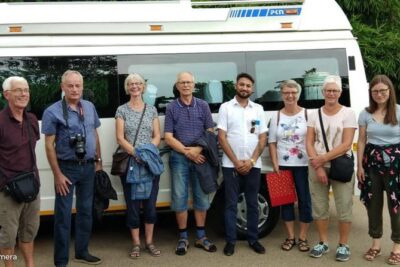
One theme shows up strongly in the feedback: reliability and helpful people. Names you’ll hear include Sitaramji for driving, Surendra for trip coordination, and Abhishek Faujdar as the owner who helped organize details for groups.
That matters. In India, the difference between a good and great trip is often not the big monument—it’s how smoothly your day runs. A punctual driver plus a guide who can answer your questions makes the long road days feel far less stressful.
Should you book this 5-day Golden Triangle by car?
I’d book it if your goal is clear: see Taj Mahal, cover Delhi’s top landmarks, and hit Jaipur’s key palaces and scientific monuments in one focused 5-day window. The A/C car, pickup offered, private setup, and daily water add real comfort for the road time.
Skip it—or ask more questions—if you’re hoping for a fully turn-key package where monument tickets, GST, and tips are all handled. Since those are not included, you should plan your budget ahead. And if you want slow travel with lots of downtime, this itinerary may feel too dense.
If you’re the kind of traveler who likes structure, strong guides, and getting your photos and context without stress, this is a solid way to do the Golden Triangle.
FAQ
What cities are covered on this tour?
This experience covers New Delhi, Agra, and Jaipur.
How long is the tour?
The duration is 5 days (approx.).
Is this a private tour?
Yes. It’s described as a private tour/activity, meaning only your group participates.
Is pickup included?
Yes. Pickup is offered.
What’s included in the price?
Included items listed are parking fees, light & sound show in Jaipur and ride at Amer Fort (only with luxury package), an air-conditioned vehicle, and breakfast (4).
What is not included?
Not included items are GST (Goods and Services Tax), monument fees, and tips to driver, guide and hotel staff.
Are monument tickets included for all stops?
Most stops are marked as Admission Ticket Not Included, with a few marked Admission Ticket Free such as Fatehpur Sikri and Ratnavali Arts in the provided stop list.
Do I get anything for the road?
Yes. You get an A/C vehicle, and the tour includes a mineral water bottle to each guest daily.
What does the tour provide for tickets?
A mobile ticket is provided.
What is the cancellation policy?
You can cancel up to 6 days in advance for a full refund. Cancel 2–6 days before for a 50% refund. If you cancel less than 2 days before, it is not refunded.
If you tell me your group size and whether you’re considering the luxury package, I can help you estimate the likely extra budget for monument fees and tips so there are no surprises.