REVIEW · NEW DELHI
From Delhi: All-Inclusive Taj Mahal and Agra City Tour By Car
Book on Viator →Operated by Shahrukh Khan · Bookable on Viator
Agra in a single day is a tall order. This tour keeps it practical with a private air-conditioned car and an expert guide, so you can spend your energy on the Taj Mahal instead of transit hassles. I also love that you’re covered for major entrances and a proper lunch, but the one thing to consider is that it’s a long 12-hour day and the Taj experience depends a lot on timing and weather.
You’ll start with hotel pickup in Delhi and head to Agra via the Yamuna Expressway, then get guided stops at Agra Fort and Itmad-ud-Daula, often described as the Baby Taj. In my favorite moments, a guide named Vinu helped with crowd navigation and pointed out history and smart photo angles, which makes a huge difference when you’re short on time. If you’re sensitive to early starts and lots of walking, plan for breaks when you can.
In This Review
- Key highlights to look for
- How the Delhi-to-Agra car tour really works
- Price and value: what $10.19 actually buys
- The Yamuna Expressway drive: comfort, timing, and rest stops
- Taj Mahal: what to focus on besides the obvious
- Agra Fort: the Mughal-era story in real stone
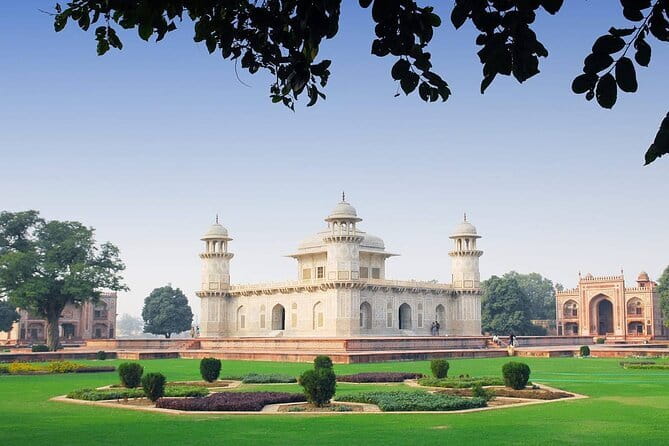
- Baby Taj (Itmad-ud-Daula): small scale, big artistry
- Market time and marble inlay craft: what you should do with it
- Lunch and long-day comfort: the quiet part of a good tour
- Weather, daylight, and why it affects your expectations
- Who this tour is for (and who should choose something else)
- Quick reality check: cancellation and rescheduling
- Should you book this Delhi-to-Agra all-inclusive car tour?
- FAQ
- What is the duration of the Delhi to Agra tour by car?
- Where does the tour start and end?
- What transport is included?
- Is there a tour guide?
- Which major attractions are included?
- Are entrance fees included?
- Is lunch included?
- Does the tour provide bottled water?
- Is the Taj Mahal visit scheduled for sunrise?
- What are the cancellation rules?
- Are there weather and minimum-traveler requirements?
Key highlights to look for
- Private, air-conditioned car with a driver for the full day
- Guided monuments at the Taj Mahal, Agra Fort, and Itmad-ud-Daula
- A lunch stop at a restaurant (when that option is chosen)
- Bottled water to keep you comfortable on the road
- Local market time and a look at marble inlay craftsmanship
- Photo-friendly timing aimed at sunrise or soft daylight for the Taj Mahal
How the Delhi-to-Agra car tour really works
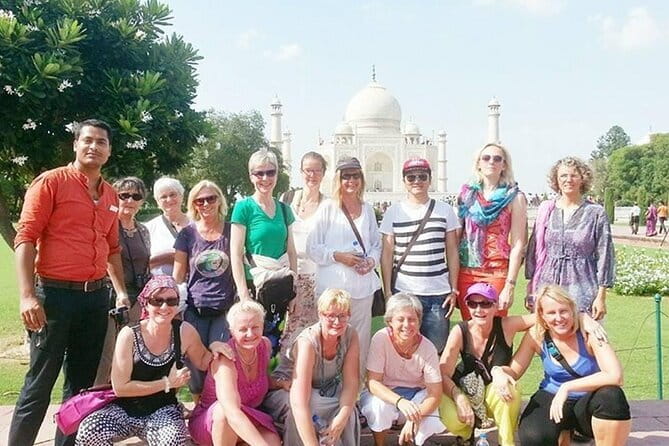
This is set up as an all-in-one day trip: pickup in Delhi, drive to Agra, guided sightseeing, lunch, then the return to Delhi with drop-off at your hotel or the airport. The big win is that you’re not juggling taxis, ticket lines, or figuring out who goes where next. You’re in one vehicle with a driver, and a government-approved expert tour guide handles the pacing and context.
The tour runs about 12 hours total. The road time alone is roughly 3 hours each way. That sounds long, but it’s also why this works well: you trade independence for efficiency, so you can actually see the major sights without losing half the day to transportation and logistics.
One more thing that matters: this is described as private for your group. Even if the price looks like a per-person rate, you’re not sharing the day with random strangers. That usually means a smoother flow, especially during photo stops and busy monument entrances.
You can also read our reviews of more city tours in New Delhi

Price and value: what $10.19 actually buys
The listed price is $10.19 per person, which is surprisingly low for a full-day, car-based, guided day with pick-up and drop-off. The value question is: what’s included versus what depends on options.
Here’s what the experience includes, based on the package details you’ll see:
- Hotel/airport pickup and drop-off
- Private air-conditioned car with driver for the full activity
- Bottled mineral water
- Monument entrance fees if you choose the option that includes them
- Lunch at a restaurant if that option is chosen
- Expert guided sightseeing
- Toll taxes and parking
- Mobile ticket
So you’re not just paying for driving. You’re paying for the “day management” piece: guide, major entries, and a planned lunch. If you select the entrance-fee option and the lunch option, the tour can feel like good value because you’re not separately budgeting tickets and food during a time-crunch schedule.
The practical takeaway: before you book, double-check which inclusions match what you want—especially entrance fees and lunch—so you don’t get surprised later.
The Yamuna Expressway drive: comfort, timing, and rest stops
Your day starts in Delhi with pickup from your hotel, then you’ll drive to Agra on the Yamuna Expressway. The road time is about 3 hours.
Why this matters: for a one-day itinerary, that first drive largely sets your energy level for the rest of the day. Since you’re in an air-conditioned car and you have a driver handling traffic, you can use the ride to:
- get your bearings for where you’ll be walking later,
- charge your phone/camera,
- and mentally switch into sightseeing mode.
You won’t be stuck planning stops along the highway—your schedule is built around arriving in time for the main monuments. The tour is also designed to be doable “most travelers can participate,” but it still helps to wear comfortable shoes. Even with cars and guidance, monument time usually means standing and walking.
Taj Mahal: what to focus on besides the obvious

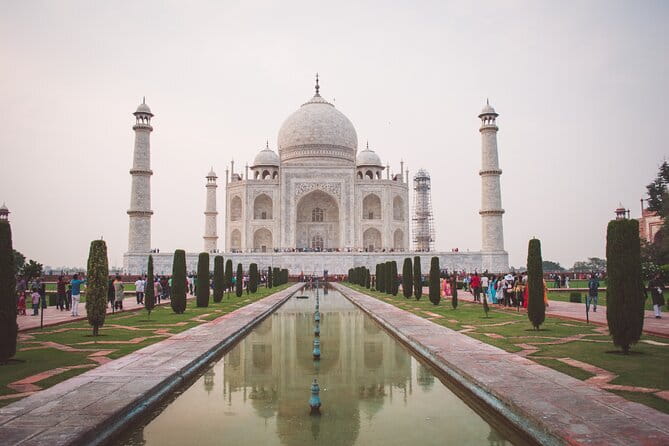
The Taj Mahal is the headline, but the tour is smart about how you experience it. You visit it for about 3 hours, and the tour description frames the timing as suitable for sunrise or soft daylight. If your day is scheduled for early light, you’ll get that gentle glow on marble that makes photos easier and the atmosphere calmer.
What I’d focus on when you arrive:
- Details in the marble: look for the way light shifts across surfaces as you move.
- Structure and symmetry: walk slowly enough to appreciate the scale.
- Photo placement: with a good guide, you’re not guessing where your best angles are.
A standout from the guide experience comes from Vinu’s approach—she helped navigate lines and guided guests toward good photo spots. That matters because at the Taj, the difference between a stressful visit and a great one is often about pacing.
Potential drawback: the Taj can be crowded, and if weather isn’t ideal, daylight conditions may change. Since the experience notes it requires good weather, keep in mind that timing and visibility can affect the feel of the visit. If your schedule becomes weather-adjusted, the plan still aims to keep your day worthwhile.
Agra Fort: the Mughal-era story in real stone

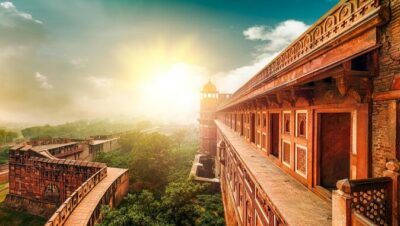
After the Taj, you head to Agra Fort, spending about 2 hours. This fort is known as a major Mughal residence until 1638, when the capital moved from Agra to Delhi, so you’re basically stepping into the political center of the Mughal world.
What I like about pairing it right after the Taj: you move from love-story marble to power-and-rule history in brick and fortifications. It’s a big mental shift, and it refreshes your understanding of how the city worked.
At Agra Fort, your guide’s job is especially useful because forts aren’t just one “big view.” There are lots of angles, courtyards, and defensive design features. With guided sightseeing, you’ll get the context for what you’re seeing instead of walking through as an observer who has to piece it together on your own.
Practical note: you’ll likely do more walking here than you expect from photos. If you’re the kind of person who enjoys reading plaques slowly, give yourself that time—but expect to move at a steady pace.






Baby Taj (Itmad-ud-Daula): small scale, big artistry

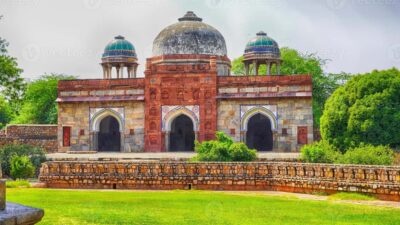
Next comes Itmad-ud-Daula, often called the Baby Taj. Your time here is about 1 hour, which is short, but it’s the right length if you’re visiting as part of a bigger route.
Why it’s worth your time: this is a Mughal mausoleum described as a “jewel box,” and you’ll see why people connect it with the style that later shines at the Taj. If you like decorative craftsmanship, you’ll get a different kind of satisfaction here: less “wow because it’s huge,” more “wow because it’s detailed.”
The tour also ties this stop to the broader theme of Agra’s marble inlay craftsmanship. Even if you only catch part of it during your day, this is the spot where those details make the most sense.
Possible consideration: since your time is limited, you’ll get more from this stop if you decide what you care about. Are you into architectural layout? Decorative work? Photo composition? Pick your focus so you don’t feel rushed by your own expectations.
Market time and marble inlay craft: what you should do with it
The tour description includes time to stroll through local markets and admire marble inlay craftsmanship. This is a valuable addition because it shifts the day from “big monuments only” into something closer to everyday Agra.
Here’s how to make this time work for you:
- look at workmanship closely (don’t rush past shiny surfaces),
- ask questions through your guide if you want context,
- and treat shopping as optional, not a requirement.
You might find small-scale pieces and decorative items that reflect the same craft language you see on the monuments. Even if you don’t buy anything, you’ll come away with a better understanding of why Agra is associated with marble artistry.
Lunch and long-day comfort: the quiet part of a good tour
You’ll have lunch at a quality restaurant if the option is chosen, and you’ll have bottled water during the day. For a 12-hour itinerary, these “small” inclusions can make a noticeable difference.
I like having lunch handled because it reduces decision fatigue. When you’re doing Taj + fort + mausoleum in one day, “where should we eat” can turn into wasted time and stress. A set restaurant stop gives you a predictable pause so you can reset before the drive back.
Comfort tip: because your day is long, bring basic essentials in your bag—sunscreen, a hat, and anything you need to stay comfortable walking in heat or changing light. Water is included, but you’ll still want to be prepared for weather shifts.
Weather, daylight, and why it affects your expectations
This experience notes it requires good weather. That’s not just a legal phrase—it’s tied to the kind of experience you’re aiming for at the Taj Mahal, including the possibility of sunrise or soft daylight.
If conditions are cloudy or hazy, the photos and the way marble looks can change. The guide and schedule still make the day functional, but your emotional payoff may depend on light.
My practical advice: go in with flexibility. Your “success” goal for the day should be: see the major sights with context, not just chase a perfect lighting forecast.
Who this tour is for (and who should choose something else)
This fits best if you want a time-efficient Agra day without the work of planning transport and entrances. It’s ideal for:
- first-time visitors who want the must-sees in one shot,
- couples or small groups who prefer a private car flow,
- anyone who appreciates guided interpretation at major sites,
- travelers who don’t want to negotiate tickets, directions, or meeting points.
It might be less ideal if you:
- hate long days and long road time,
- need frequent long breaks,
- or want a slow, unstructured pace with more time per monument.
Quick reality check: cancellation and rescheduling
Free cancellation is offered, and you can cancel up to 24 hours in advance for a full refund. If the experience is canceled due to poor weather, you’ll be offered a different date or a full refund. The experience may also require a minimum number of travelers; if that minimum isn’t met, you’ll get a different date/experience or a full refund.
Should you book this Delhi-to-Agra all-inclusive car tour?
If you want an efficient, guided one-day Agra plan that covers pickup, transport, major sights, and the basics like water and a planned meal, this is a strong option. The biggest reasons to consider it are the private car convenience and the way a guide like Vinu can make the Taj visit calmer and more informative—especially when you’re short on time.
I’d book it if your priority is seeing Taj Mahal + Agra Fort + Itmad-ud-Daula without doing logistics homework. I’d think twice if you’re hoping for a leisurely, wander-for-hours experience or if you’re sensitive to long travel days. For most people, it hits a sweet spot: structured enough to work, flexible enough to still feel human.
FAQ
What is the duration of the Delhi to Agra tour by car?
The tour is about 12 hours.
Where does the tour start and end?
It starts with hotel pickup in Delhi and ends with drop-off at your hotel or the airport in Delhi.
What transport is included?
You get a private air-conditioned car with a driver for the entire tour.
Is there a tour guide?
Yes. The tour includes a government-approved expert tour guide for guided sightseeing.
Which major attractions are included?
You’ll visit the Taj Mahal, Agra Fort, and Itmad-ud-Daula (Baby Taj).
Are entrance fees included?
Monument entrance fees are included only if you choose the option that includes them.
Is lunch included?
Lunch at a restaurant is included only if the lunch option is chosen.
Does the tour provide bottled water?
Yes. Bottled mineral water is included.
Is the Taj Mahal visit scheduled for sunrise?
The tour description says the Taj Mahal experience is designed for sunrise or soft daylight, depending on timing and conditions.
What are the cancellation rules?
You can cancel up to 24 hours in advance for a full refund. If you cancel less than 24 hours before the start time, the amount paid isn’t refunded.
Are there weather and minimum-traveler requirements?
Yes. The experience requires good weather. It may also require a minimum number of travelers; if canceled due to that, you’ll be offered a different date/experience or a full refund.