REVIEW · NEW DELHI
From Delhi: Old and New Delhi Sightseeing Tour with Guide
Book on GetYourGuide →Operated by Find24 · Bookable on GetYourGuide
One day in Delhi needs smart routing. This tour strings together Old Delhi’s landmarks and New Delhi’s big monuments with a guide who explains what you’re actually looking at. I like the way you get both the sacred side of the city and the everyday side, especially around Jama Masjid and Chandni Chowk. I also like that the day is built to move efficiently, using an air-conditioned car and timed visits. The main drawback to plan around: it’s a packed schedule, and some sites are closed on Mondays.
You start with major Mughal-era sights, then shift to New Delhi’s wider avenues and government buildings. You’ll also spend enough time at key stops to take photos and actually absorb the place, not just drive past it. If you want a one-day overview that still feels connected to how Delhi works, this is a solid way to do it.
In This Review
- Quick hits before you go
- One Day, Two Delhis: how the route stays worth your time
- Jama Masjid: the biggest mosque moment, timed for better light
- Chandni Chowk: photos, free time, and a real feel for the market
- Humayun’s Tomb: a calmer stop that adds meaning
- India Gate and the Parliament area: New Delhi’s ceremonial geometry
- Qutb Minar and the Lotus Temple: two very different kinds of wonder
- Akshardham to finish the day: a big spiritual complex with time to breathe
- Lunch and the ride between sites: small details that matter in Delhi
- Price and value: what $13 really buys you
- What to pack, what to expect, and when the plan changes
- Should you book this Delhi day tour?
- FAQ
- How long is the Old and New Delhi sightseeing tour?
- Where does pickup and drop-off happen?
- Is transport included?
- Do I get a live guide?
- What languages are available for the guide?
- Is lunch included?
- Are monument entry tickets included?
- Is the tour affected by Monday closures?
- Is it wheelchair accessible, and is it suitable for everyone?
Quick hits before you go
- Jama Masjid: a guided visit with a chance to catch light at sunrise or sunset (depending on timing).
- Chandni Chowk: guided market time plus photo stops and free time to reset.
- Humayun’s Tomb and Qutb Minar: two heavyweight monuments that show Delhi’s long cultural arc.
- New Delhi monuments: India Gate, Parliament-area stops, Rashtrapati Bhavan, all in a single day.
- Lotus Temple and Akshardham: two modern-meets-spiritual stops to close out the trip.
- Air-conditioned private car: chauffeur-driven transport to cut down on Delhi traffic stress.
One Day, Two Delhis: how the route stays worth your time
Delhi is not a city where you casually “see a few things.” Distances, traffic, and ticket lines can eat a whole day fast. This tour is designed as a fast, guided corridor: you cover Old Delhi first, then you pivot to New Delhi.
The value is in the pacing. You’re not stuck on one side of town all day, and you’re not trying to jump between locations under your own steam. Transport is private and air-conditioned with a chauffeur, so you’re moving while you’re still fresh. And because there’s a live guide, you get context at each stop, instead of standing in front of monuments thinking, I guess this is important.
The “trade-off” is density. You’re looking at multiple major sights in limited time blocks, and the day will feel active from morning through evening. If you prefer slow travel—one neighborhood, one museum, one café—this may feel like too much.
Still, for a first visit, it’s a strong format: Old Delhi shows you the Mughal and market-era energy; New Delhi shows you the ceremonial, political, and planned-city side. You leave with a clearer mental map of how Delhi is built.
You can also read our reviews of more guided tours in New Delhi



Jama Masjid: the biggest mosque moment, timed for better light
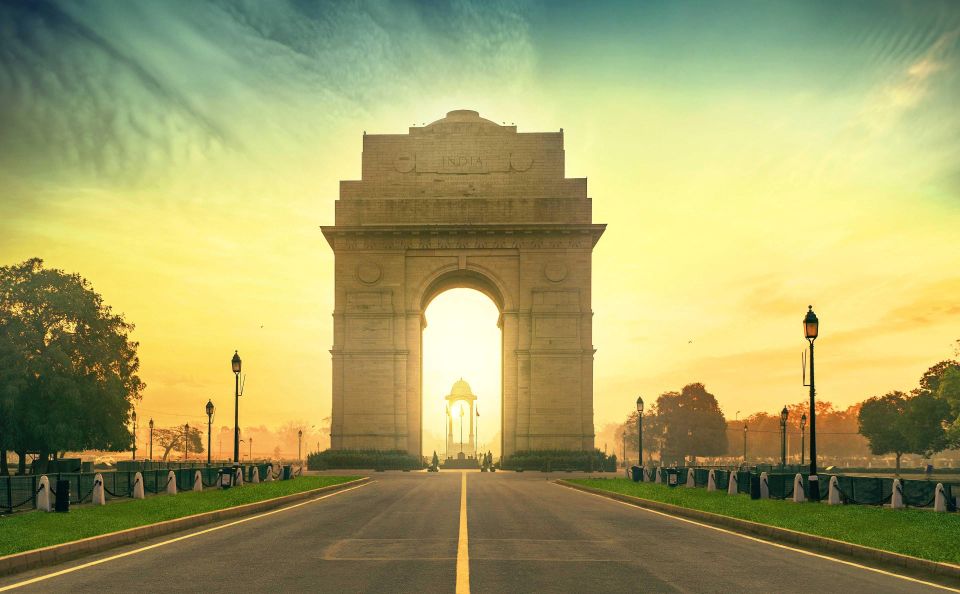
Jama Masjid is the headline in Old Delhi, and it’s easy to see why. When you visit with a guide, you get more than architecture photos—you learn what to notice and how the space works.
You’ll have about an hour for the guided visit and sightseeing, and the tour can be scheduled for sunset or sunrise. That matters. Light changes the look of stone and gives you more dramatic photos than midday glare, especially if you’re walking inside and around the complex.
Practical note: the mosque is a working religious site, so you’ll want to follow respectful behavior and dress guidance. The tour provides a live guide, which is useful here because they can help you understand what’s appropriate while you’re there.
If you’re the type who likes to understand places beyond the postcard, Jama Masjid is one of the best ways to start. It also sets the tone for Old Delhi: religion, scale, and the daily rhythm around it.
Chandni Chowk: photos, free time, and a real feel for the market
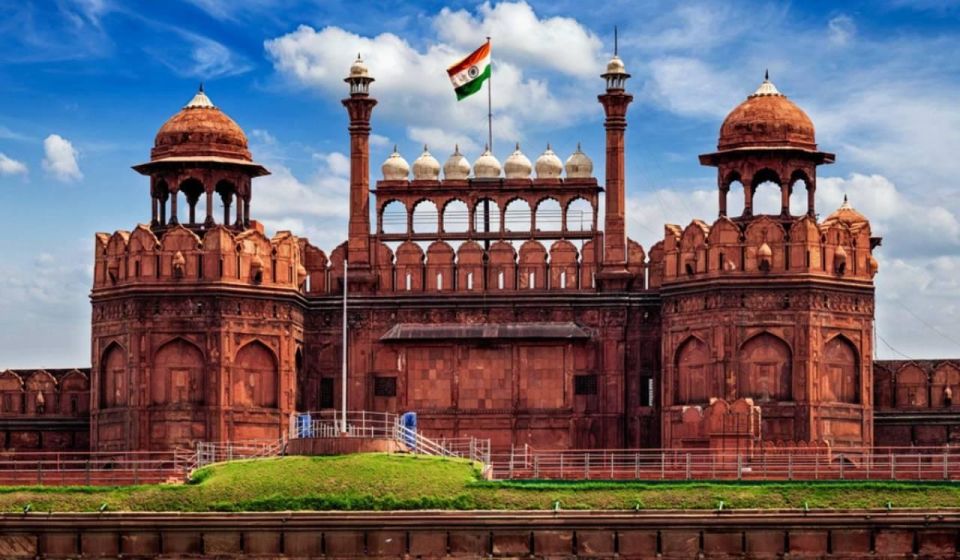
After Jama Masjid, you’ll head to Chandni Chowk for around an hour. This portion is structured to give you both direction and breathing room: photo stops, a guided tour, plus free time for you to absorb the market at your own pace.
Why it works: markets can overwhelm you if you don’t know where to look. With a guide, you learn what goods are commonly sold here and what people use them for. The stop also includes time to process everything—meaning you’re not constantly hustled from one corner to the next.
From a practical standpoint, plan for sensory intensity: crowded lanes, lots of visuals, and plenty of smells. If you want to grab a snack or a drink, you’ll have time to do it during the market window and later at lunch.
The tour includes water, which helps. You’ll also be walking on uneven surfaces, so keep shoes comfortable. If you’re hoping to shop, it’s best to treat it as browsing first, buying second. Prices and quality can vary street to street, and quick pressure makes it harder to compare.
Chandni Chowk is where you start feeling the human side of Delhi. The “big monuments” are impressive, but this is the part that makes the city feel lived-in.
Humayun’s Tomb: a calmer stop that adds meaning
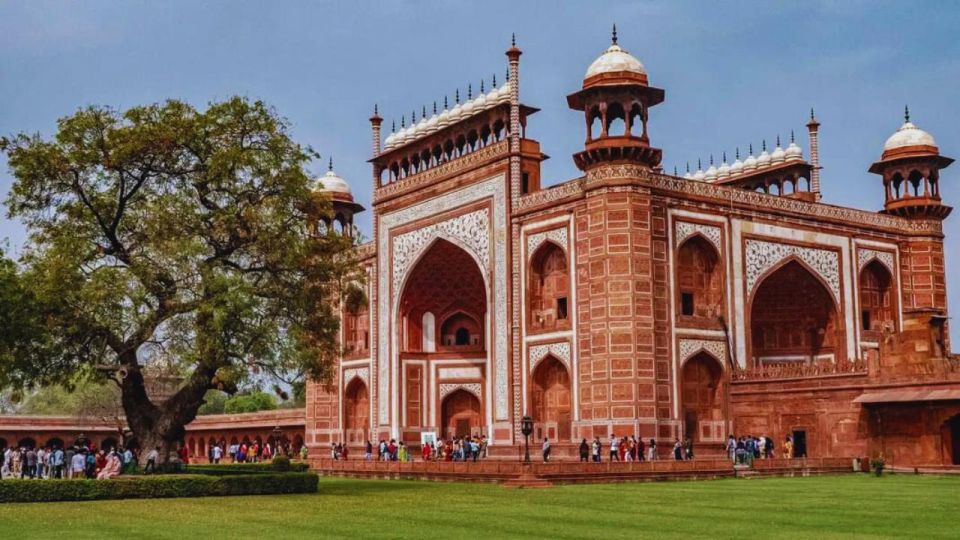
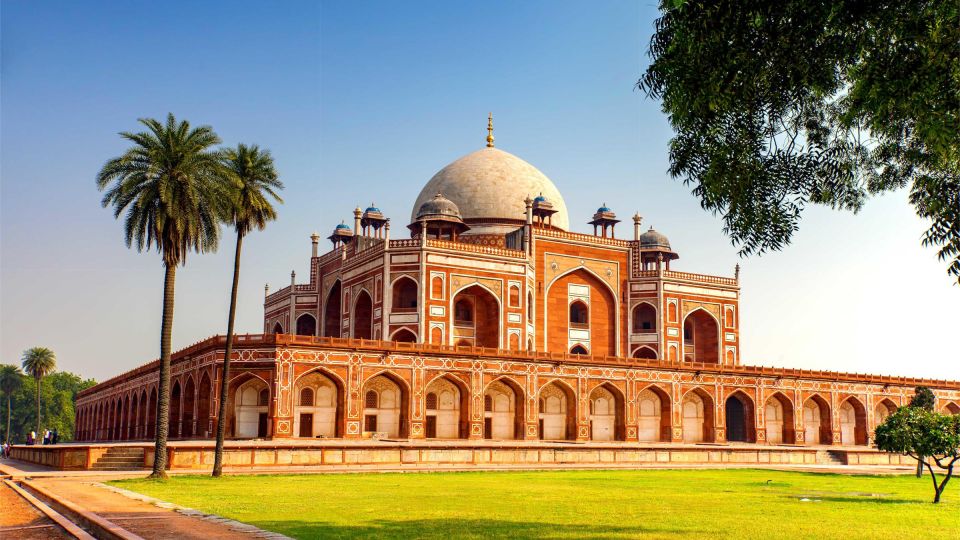
Humayun’s Tomb is a shift in pace—about an hour with photo stops and a guided visit plus a walk. This is where Delhi starts to feel more architectural than commercial.
The value of this stop is the perspective it gives you. Old Delhi can feel like one continuous rush, but monuments like Humayun’s Tomb make you step back and see the design, the symmetry, and the intentional layout. With a guide, you’ll also get stories that connect the site to Delhi’s broader Mughal-era influence.
Time-wise, one hour is a good balance. Long enough to wander and get angles, short enough that you don’t lose the rest of the day to one location.
The main consideration here is weather and light. If it’s hot or harsh sun, you’ll appreciate having transport waiting between stops. But if the conditions are comfortable, this is one of the easier sites to enjoy slowly within the overall busy schedule.
India Gate and the Parliament area: New Delhi’s ceremonial geometry
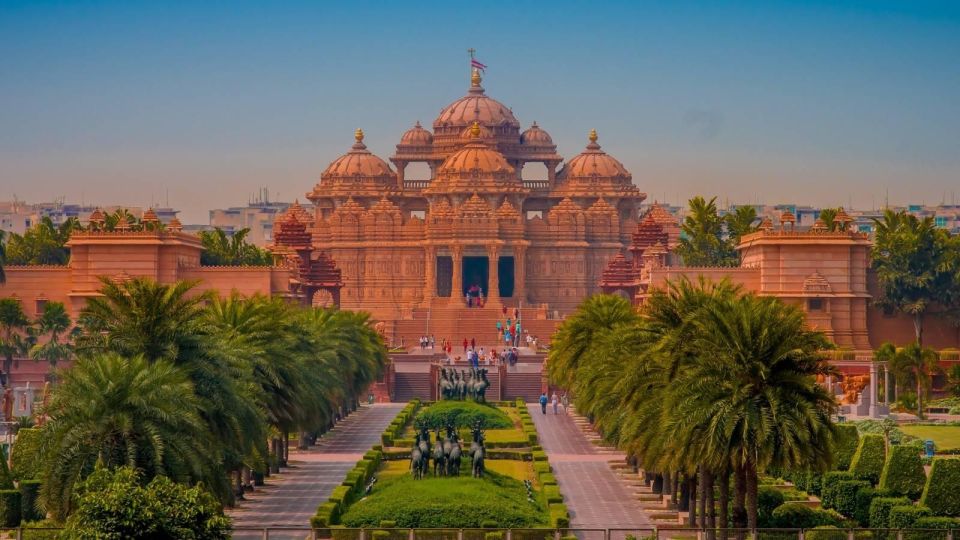
Once you cross into New Delhi, the city changes. Roads widen. The tone becomes formal. You’ll stop for photos and guided time at India Gate (about 20 minutes), then you’ll also include a photo stop near the Parliament building with another short guided window and time to look around.
Then the tour adds another political landmark stop: Rashtrapati Bhavan (again a short photo-and-guided visit). These stops are shorter than the major heritage monuments, so you won’t be doing long walks here. That’s not a bad thing. It keeps the day on schedule while still letting you see the core government-and-ceremony landmarks that define the planned-city look.
What you’ll get from a guided explanation here is how Delhi’s layout tells a story. Old Delhi is layered by centuries of city life. New Delhi is built with space and sightlines in mind. Standing near these buildings, you start to understand why the city feels so different between the two halves.
Heads-up: since the day is tight, you won’t have endless time at each government area. If you’re very detail-focused on buildings and plaques, you might want extra time by yourself later.






Qutb Minar and the Lotus Temple: two very different kinds of wonder
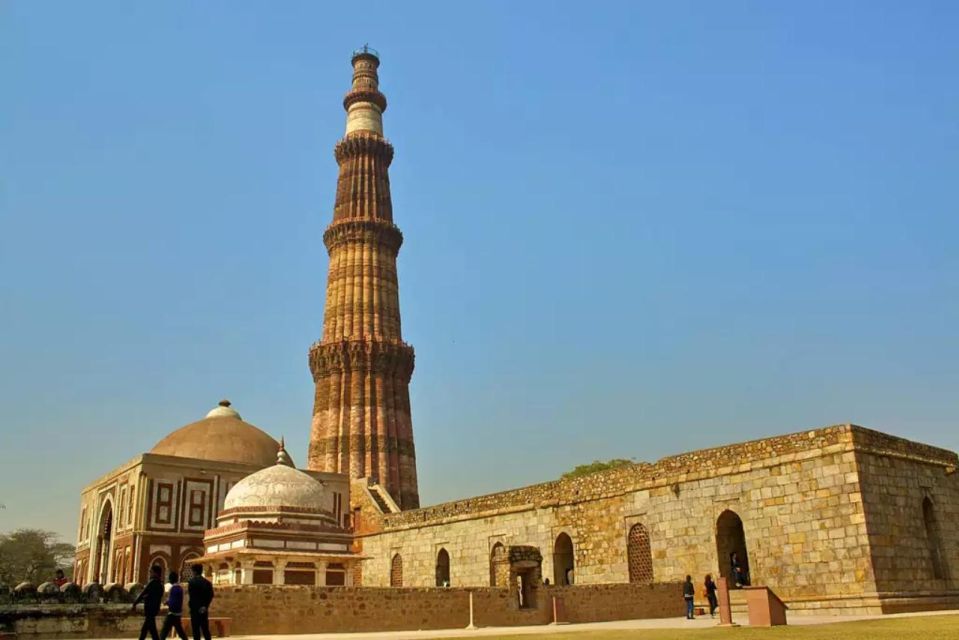
After the New Delhi stops, the tour goes back into heritage with Qutb Minar, where you’ll have about an hour. Qutb Minar is one of those sites where the scale hits you quickly. With guidance, you’ll know what features to look for and what makes the site important.
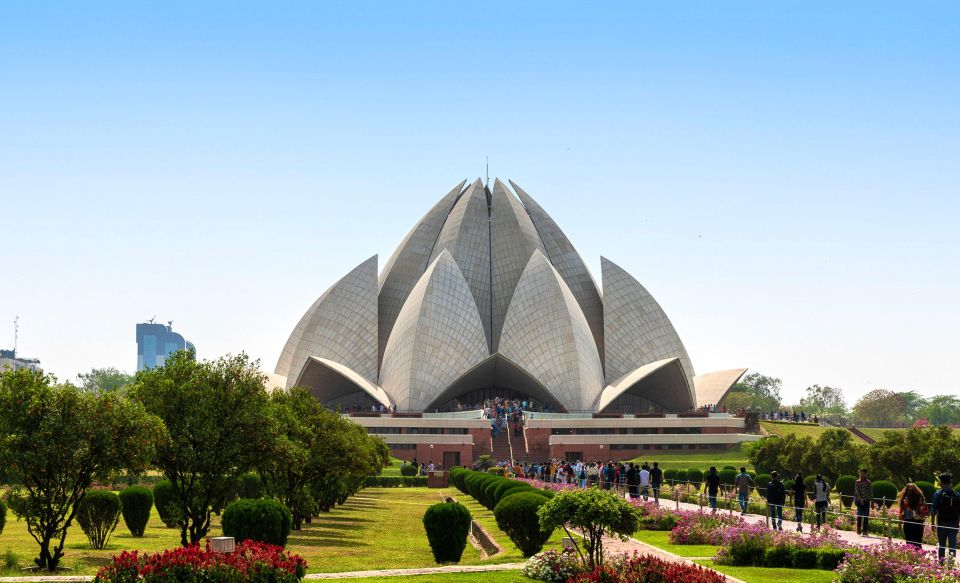
Then comes a big contrast: the Lotus Temple. You’ll have about an hour here as well, with photo stop, guided visit, sightseeing, and a walk. The Lotus Temple is known for its distinctive shape and peaceful, welcoming atmosphere, and the guide’s job is to point you toward what to notice so your time doesn’t become just walking around for angles.
One key planning issue: the Lotus Temple is closed on Mondays. The tour also notes that other major sites are closed that day, including Red Fort and Akshardham. If your dates land on a Monday, you’ll want to confirm how the provider adjusts the schedule.
If you like variety, this pairing works well. Qutb Minar gives you a heritage-heavy stop; Lotus Temple gives you a calmer, modern spiritual stop. Together, they stop the day from becoming only historical and only monumental.
Akshardham to finish the day: a big spiritual complex with time to breathe
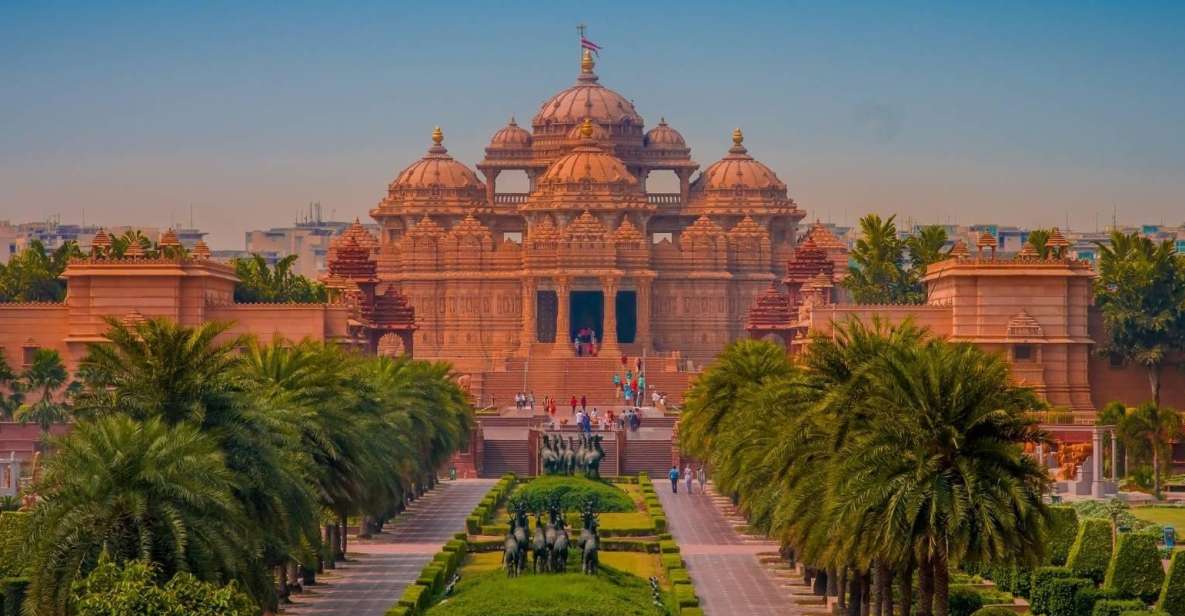
You’ll finish with Akshardham, with about an hour included plus photo stop, guided visit, sightseeing, and free time. The timing can be positioned for sunset depending on the tour schedule, which can make a late-day visit feel more dramatic.
Why this stop is a good ending: after heritage and government-area sightseeing, Akshardham gives you a clearer sense of contemporary devotion and large-scale religious design. You’re not just reading history—you’re seeing how faith continues to shape how people gather.
Still, because it’s a major complex, the hour can feel like just enough rather than leisurely. The “free time” slot helps, but if you want a slower, deeper visit, you’d need a second trip.
Also remember the Monday issue again: Akshardham Temple is listed as closed on Mondays. That’s the biggest reason a Monday booking needs extra attention.
Lunch and the ride between sites: small details that matter in Delhi
Lunch is planned at New Delhi, with about 30 minutes. It’s described as a multi-cuisine restaurant if you choose the lunch option. This matters more than it sounds. In Delhi, eating on the fly can turn into stress: long waits, uncertain quality, or chasing a place you didn’t plan around.
Having lunch slotted in gives you a predictable break so you can recharge before the afternoon heritage-and-temple stretch. The tour also includes a water bottle, which is a simple but real quality-of-life benefit on a hot day with lots of walking.
Between stops, the car is air-conditioned and driven by a chauffeur. That’s not just comfort; it’s how you actually fit in so many places. Delhi’s traffic can make self-guided routing exhausting, and the private transport keeps the day moving.
Price and value: what $13 really buys you
At about $13 per person, the big question is whether it feels cheap or whether it’s a bargain. Based on what’s included, it’s more of a value deal than a throwaway add-on.
Here’s what you’re getting for that price range:
- Pickup and drop-off from your hotel or airport area in Delhi, Noida, Gurugram, or Ghaziabad
- Private sightseeing by air-conditioned car with chauffeur
- Live guide during sightseeing
- Monument entry tickets if you booked that option
- Water bottle
- All applicable taxes
And you have the option to include lunch in a multi-cuisine restaurant, again depending on what you choose while booking.
So the value isn’t only that you’re paying less. It’s that the plan covers the hard parts: transportation and guidance, plus admission when you pick the ticket option. If you try to do this alone, you’ll likely spend more time arranging rides and managing ticket lines, even if entrance fees themselves are similar.
One caution: the tour is private, but the day is still designed around a set flow. If you want to linger or you’re easily tired by active walking, you may feel rushed even with great guidance.
What to pack, what to expect, and when the plan changes
Bring a passport or ID card. That’s specifically called out, and Delhi attractions often require ID checks.
You should also expect that the schedule can be modified based on flight timing. That’s normal for day tours with pickup windows and multiple drop-off areas. If you’re connecting onward the same day, build in a buffer.
A few other “know before you go” points you should treat seriously:
- Lotus Temple, Red Fort, and Akshardham Temple are closed on Mondays
- The tour is not suitable for pregnant women
- Pets are not allowed
- The tour is wheelchair accessible
Finally, confirm the language you want. The guide is available in English, French, Spanish, German, Italian, and Russian. That’s a big deal in Delhi, where the difference between a quick explanation and a clear one can change the whole day. In one of the recorded experiences, a German-speaking guide made people feel comfortable quickly, and they appreciated stories about daily life as well as monuments.
Should you book this Delhi day tour?
I think this tour makes sense if you have one day and you want a real split between Old Delhi and New Delhi without turning the day into a logistics puzzle. It’s also a good pick if you like being shown what to look for—Jama Masjid, Chandni Chowk, Humayun’s Tomb, Qutb Minar, and the Lotus Temple are all stops where a guide’s explanations can save you from missing the best details.
Don’t book it if you:
- hate fast pacing and want lots of quiet time
- are visiting on a Monday without checking how closures affect your must-see list
- need a gentler itinerary (it’s not suitable for pregnant women)
If you want an easy first Delhi orientation with practical transport and a live guide, this one-day plan is a strong fit.
FAQ
How long is the Old and New Delhi sightseeing tour?
The tour runs for 1 day.
Where does pickup and drop-off happen?
Pickup is available from your hotel or the airport in Delhi, Noida, Gurugram, or Ghaziabad (depending on the option you select). Drop-off includes five locations: Chandni Chowk, Delhi, Noida, Gurugram, and Ghaziabad.
Is transport included?
Yes. You’ll have private sightseeing with an air-conditioned car and a chauffeur.
Do I get a live guide?
Yes. The tour includes a live tour guide during sightseeing.
What languages are available for the guide?
The guide is available in English, French, Spanish, German, Italian, and Russian.
Is lunch included?
Lunch in a multi-cuisine restaurant is included only if you booked that option.
Are monument entry tickets included?
Monument entry tickets are included if you booked the option that includes tickets.
Is the tour affected by Monday closures?
Yes. Lotus Temple, Red Fort, and Akshardham Temple are closed on Mondays, so the itinerary may need to adjust.
Is it wheelchair accessible, and is it suitable for everyone?
It is wheelchair accessible. However, it is not suitable for pregnant women.